
Pilates
Controlled movement from a strong core
Overview
Pilates is a low-impact method built around slow, precise movements performed with control and steady breathing. It places particular emphasis on the core — the muscles of the trunk — and on moving with good alignment rather than lifting heavy loads.
It is practised on a mat or on specialised spring-based equipment such as the reformer, and classes suit a wide range of ages and abilities. Many people take it up to improve posture, core strength and how the body moves in everyday life.
Why pilates is good for your health
- Strengthens the core and supports the trunk
- Improves posture, alignment and body control
- Builds flexibility and mobility with low impact on the joints
- Develops balance and coordinated, controlled movement
Physical qualities you’ll build
Pilates is especially good for developing these qualities:
The social side
- Small group classes offer guidance and a shared routine
- Studios and instructors welcome complete beginners
- A friendly, focused setting that helps build consistency
How to start as a beginner
- 1Begin with a beginner mat class to learn the core basics
- 2Focus on control and precise form rather than speed or repetitions
- 3Coordinate each movement with slow, steady breathing
- 4Progress gradually, adding equipment-based sessions if they interest you
Equipment you’ll need
- An exercise matEssential
- Comfortable, stretchy clothingEssential
- Access to a class or reformer equipmentOptionalEquipment classes are guided by an instructor
- A small resistance bandOptional
Where to play
Pilates is typically played at:
Explore clubs and venues to understand the different places you can play, or see how to find people to play with.
Playing Pilates
The equipment, rules, skills and more that make up the game — each cross-linked into the encyclopedia.
Training for Pilates
Exercises, methods and example plans that help build what Pilates needs — educational, not personalised prescriptions.
Related sports to explore
If you enjoy Pilates, you might also like these.
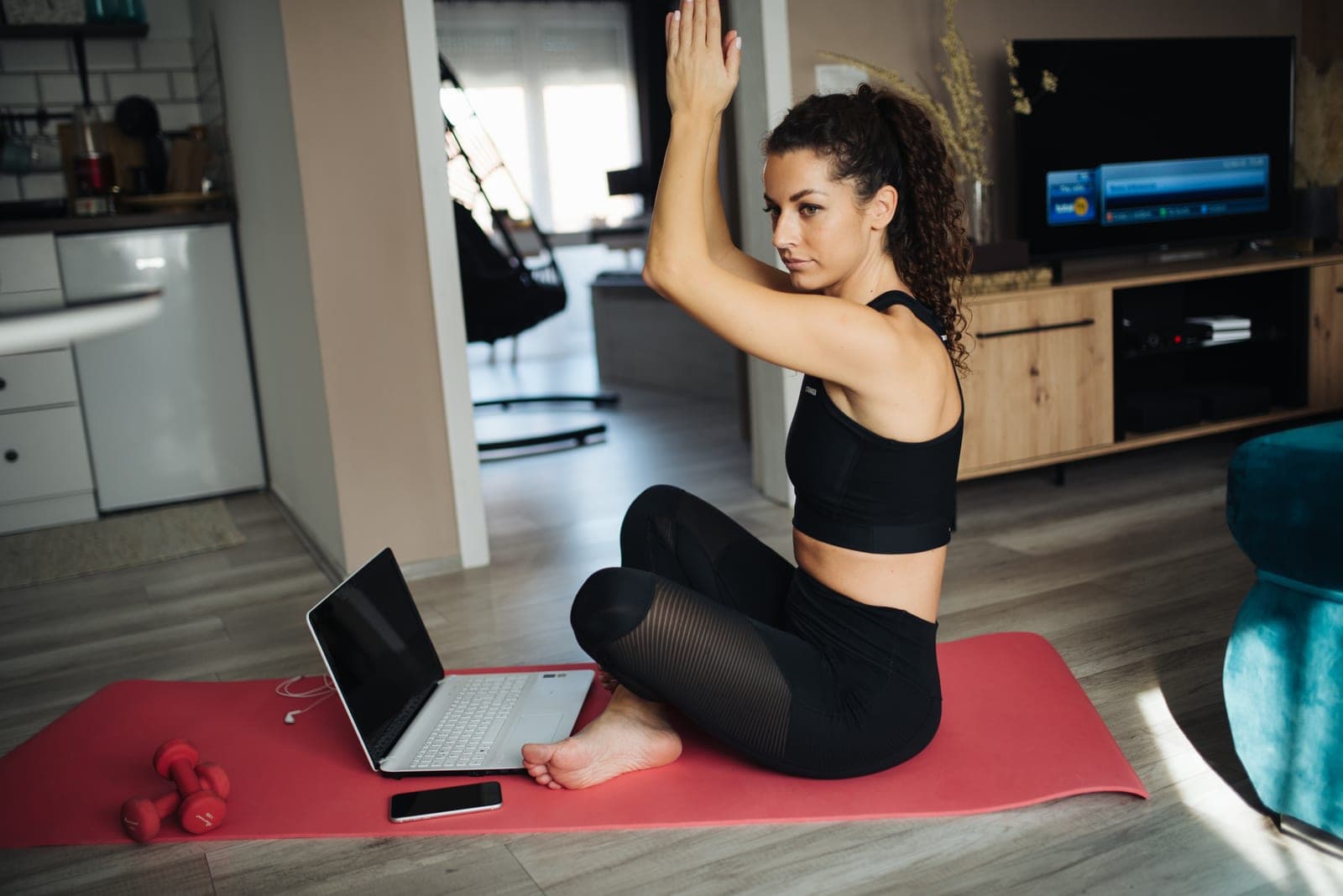
Yoga
A mind-body practice that links postures, breathing and focus to build flexibility, strength and calm.
Barre
A low-impact mind-body workout blending ballet-inspired moves with elements of pilates and yoga for strength and control.
Calisthenics
Bodyweight strength training — push-ups, pull-ups, dips and progressions you can do almost anywhere.
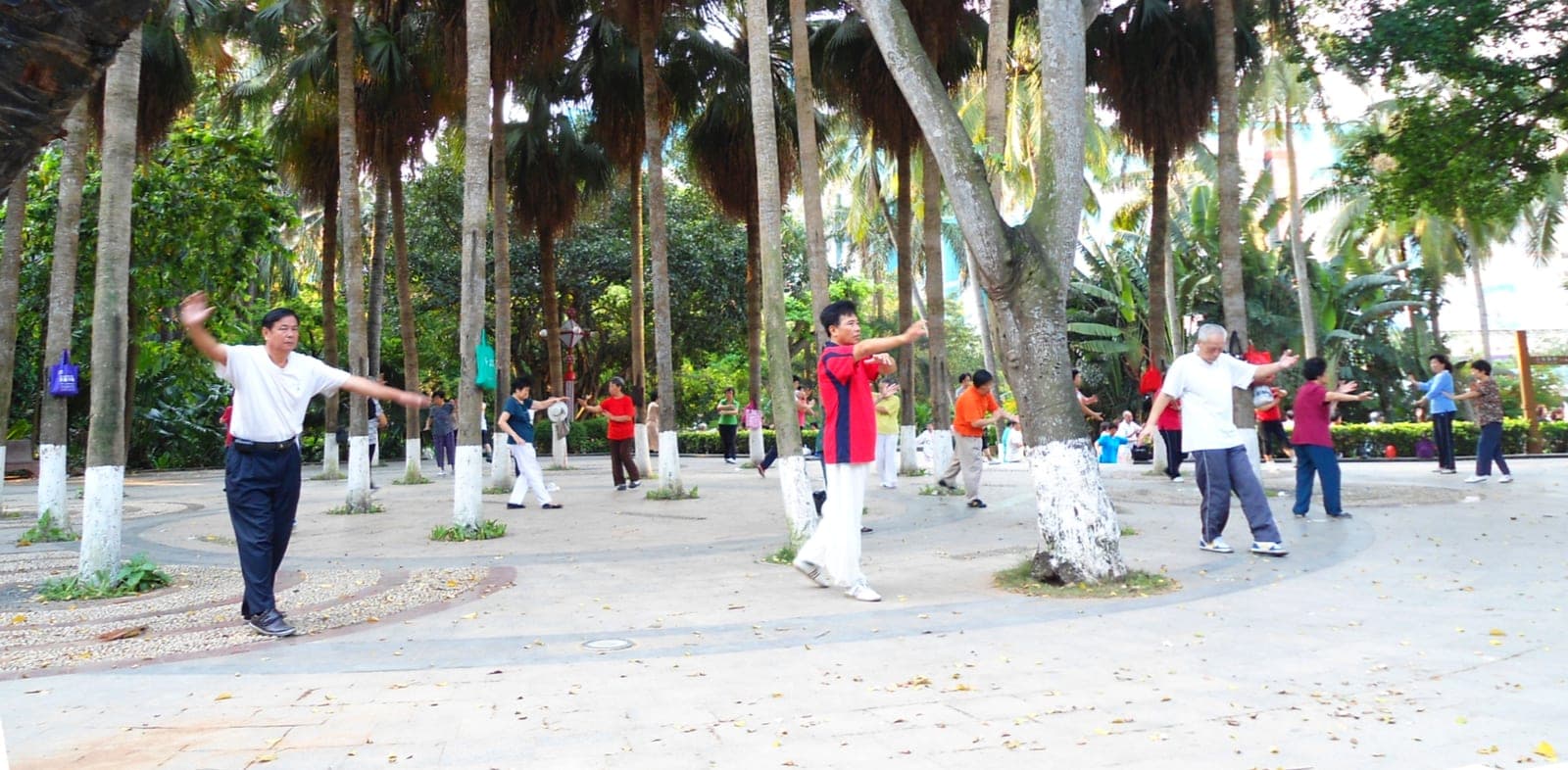
Tai Chi
A gentle mind-body practice of slow, flowing movements that builds balance, mobility and calm.
Compare Pilates with…
Deciding between Pilates and something similar? See how they line up side by side.
Barre vs Pilates
How they compare on difficulty, intensity, kit and what suits you.
Calisthenics vs Pilates
How they compare on difficulty, intensity, kit and what suits you.
Pilates vs Qigong
How they compare on difficulty, intensity, kit and what suits you.
Pilates vs Tai Chi
How they compare on difficulty, intensity, kit and what suits you.
Pilates vs Yoga
How they compare on difficulty, intensity, kit and what suits you.
Reach your goals with Pilates
People take up Pilates for all kinds of reasons. Here is what it can help you work towards.
Improve mobility
Move your joints more freely and comfortably through their natural range with regular, gentle practice.
Improve flexibility
Lengthen your muscles and widen your range of motion through regular, gentle stretching over time.
Improve balance
Train steadiness and control at any age with simple, progressive balance practice done safely.
Return to sport
Easing back into activity after time away, a long break or a period off through injury.
Who & where Pilates fits
Sport should fit your life. Here is who Pilates suits and when it works.
Office workers
How sport can offset long hours of sitting and screen time to support mobility, energy and stress relief.
Returning to sport
How to ease back into sport after a break, rebuilding gradually and listening to your body.
At home
Movement you can do in your living room — from bodyweight strength to yoga — with little or no equipment.
At the office
Ways to stay active around a desk job — walking, mobility breaks and stretching that fit into a working day.
In a small apartment
Quiet, low-impact ways to train in a small flat — mat-based routines that respect limited space and shared walls.
Evening
Using the evening to be active after work, whether to unwind or fit in a proper session.
How it connects
The meaning-bearing relationships that place Pilates in the wider knowledge graph — each one with the reason it exists.
Alternative to
Comparable enough that people choose between them.
- BarrePilates and Barre are close enough that the platform maintains a side-by-side comparison of them.
- CalisthenicsPilates and Calisthenics are close enough that the platform maintains a side-by-side comparison of them.
- QigongPilates and Qigong are close enough that the platform maintains a side-by-side comparison of them.
- Tai ChiPilates and Tai Chi are close enough that the platform maintains a side-by-side comparison of them.
- YogaPilates and Yoga are close enough that the platform maintains a side-by-side comparison of them.
Helps achieve
A recognised route towards these goals.
- Improve mobilityPilates is one of the sports listed under the “Improve mobility” goal.
- Improve flexibilityPilates is one of the sports listed under the “Improve flexibility” goal.
- Improve balancePilates is one of the sports listed under the “Improve balance” goal.
- Return to sportPilates is one of the sports listed under the “Return to sport” goal.
Supported by
These help the training or recovery side of this.
Explore across the knowledge base
Follow the threads that connect Pilates to the rest of SocialSportHub.
Learning paths
Recommendations
- Recommended for “Improve mobility”Sports, qualities, a learning path and first steps for “Improve mobility” — every suggestion a real graph link, shown with its reason.
- Recommended for “Improve flexibility”Sports, qualities, a learning path and first steps for “Improve flexibility” — every suggestion a real graph link, shown with its reason.
- Recommended for “Improve balance”Sports, qualities, a learning path and first steps for “Improve balance” — every suggestion a real graph link, shown with its reason.
- Recommended for “Return to sport”Sports, qualities, a learning path and first steps for “Return to sport” — every suggestion a real graph link, shown with its reason.
- Recommended for “Sports for seniors”Sports, qualities, a learning path and first steps for “Sports for seniors” — every suggestion a real graph link, shown with its reason.
Movement patterns
- CarryHolding and transporting a load while keeping the trunk braced and stable — an anti-movement pattern that builds grip, core stability and full-body strength.
- JumpThe plyometric pattern of projecting the body off the ground through explosive triple extension and controlling the landing — the core expression of lower-body power.
- RotationRotating the trunk to generate and transfer power through the body's kinetic chain, plus anti-rotation — resisting unwanted twist to keep the trunk stable.
- SlideA slide is a controlled, low-friction skid of the body or foot along a surface, used to brake, extend reach, or hold a line, where managed friction and a lowered centre of gravity govern the movement.
- LandingThe controlled absorption of force at ground contact that ends an airborne phase, dissipating impact through eccentric triple flexion of the ankle, knee and hip.
Glossary
- Core StabilityThe ability of the trunk muscles to control the position and movement of the torso, providing a stable base for the limbs.
- Mobility DrillA mobility drill is a controlled exercise that moves a joint actively through its range to prepare it for training or improve movement quality.
- Weight transferThe shift of body weight through the base during a strike, throw, or kick to add power and control.
- DecelerationThe controlled reduction of the body's speed, absorbing momentum in order to stop, slow, or prepare to change direction.
- Kick-offA method of starting or restarting play with a kick from a designated spot, used across several football codes.
Healthy living
Go deeper with Pilates
Everywhere else on the platform that covers Pilates — assembled from what actually references it, so nothing here is a dead end.
Learn it
Structured courses and paths on the platform that cover this directly.
Compare it
Head-to-head studies against the entities people actually weigh it against.
Kit it out
Equipment guidance drawn from the graph, with no brands and no affiliate links.
Take it away
Open data and the whole-platform view of this subject.
How this page is maintained
- Content type
- Sport
- Provenance
- Tier A — evergreen educational
- Verified external sources
- 0
- Content updated
- 2026-07-06
Evergreen, first-party explanation — it makes no claim that needs an external source. How we handle sources and reviews.
Keep going
A sport is most rewarding alongside good habits, sensible nutrition and people to share it with. Here is where to go next.
How movement supports body and mind.
Eat well to feel and perform better.
Build routines that stick.
Ways to meet others and play together.
Where to play and what to expect.
Browse the full list by category.