
At home
Movement you can do in your living room — from bodyweight strength to yoga — with little or no equipment.
Overview
Home is the easiest place to start moving: no commute, no membership and no audience. A clear patch of floor, a wall and a little space are enough for bodyweight training, mobility work and calming practices like yoga or tai chi.
The trade-off is space and, sometimes, motivation. Short, repeatable routines that slot into your day tend to last longer than ambitious plans that need lots of room or kit. Start small and let the habit build.
What works
- Bodyweight strength, mobility and flexibility work need almost no equipment.
- Low-impact options like yoga, pilates and tai chi suit shared walls and small floors.
- Short sessions you can repeat most days beat occasional long ones for building a habit.
- A door frame, a sturdy chair and a towel can stand in for a lot of gym kit.
Getting started
- 1Clear a mat-sized space and keep it ready so there is no set-up friction.
- 2Begin with a gentle warm-up and pick one simple routine to repeat for a week.
- 3Follow a beginner-friendly video or class you can pause and rewind.
- 4Add a short cool-down and stretch to finish.
Sports that fit
Great places to start — each with a clear, beginner-friendly guide.
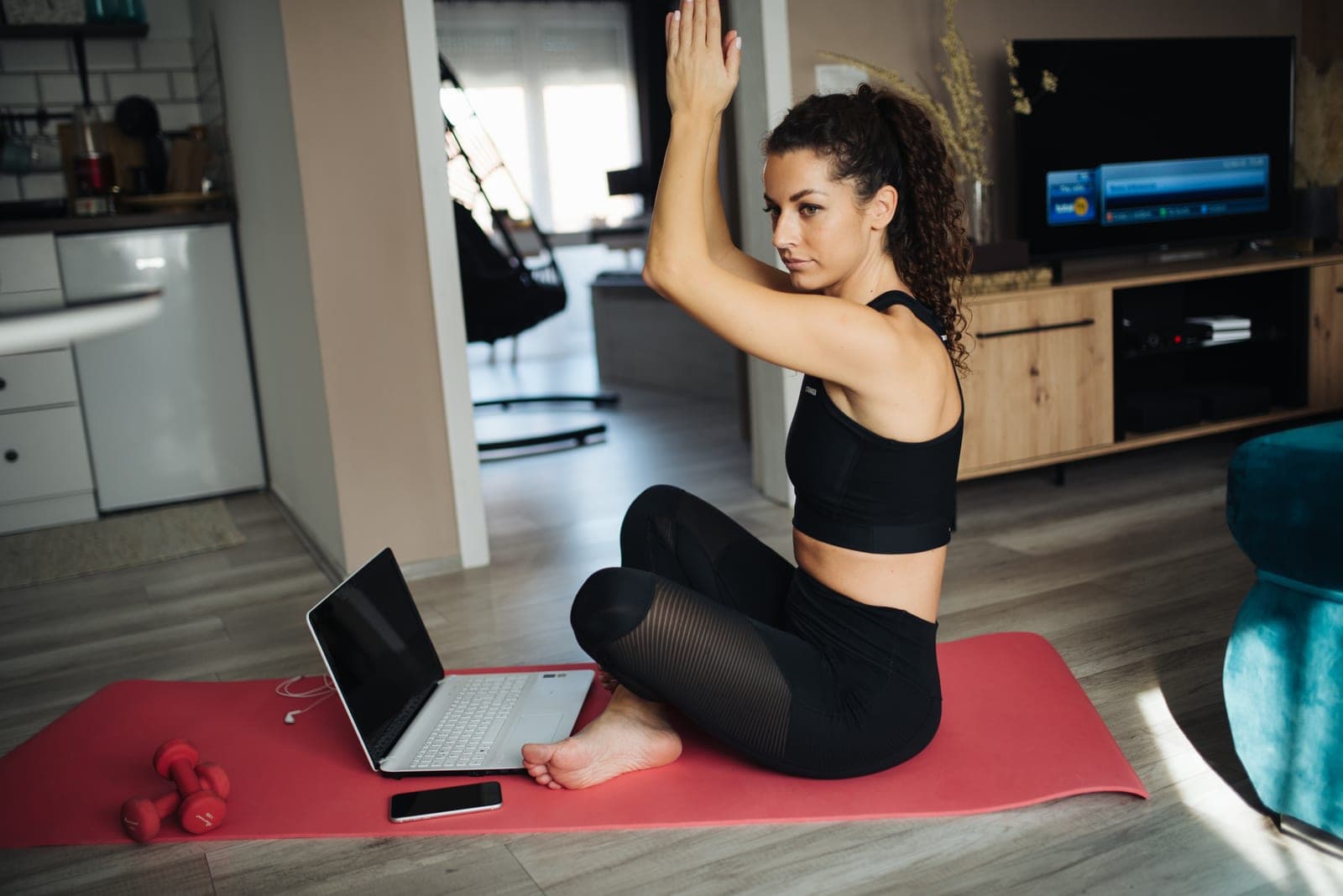
Yoga
A mind-body practice that links postures, breathing and focus to build flexibility, strength and calm.
Pilates
A low-impact mind-body method that builds core strength, control and posture through precise, controlled movement.
Calisthenics
Bodyweight strength training — push-ups, pull-ups, dips and progressions you can do almost anywhere.
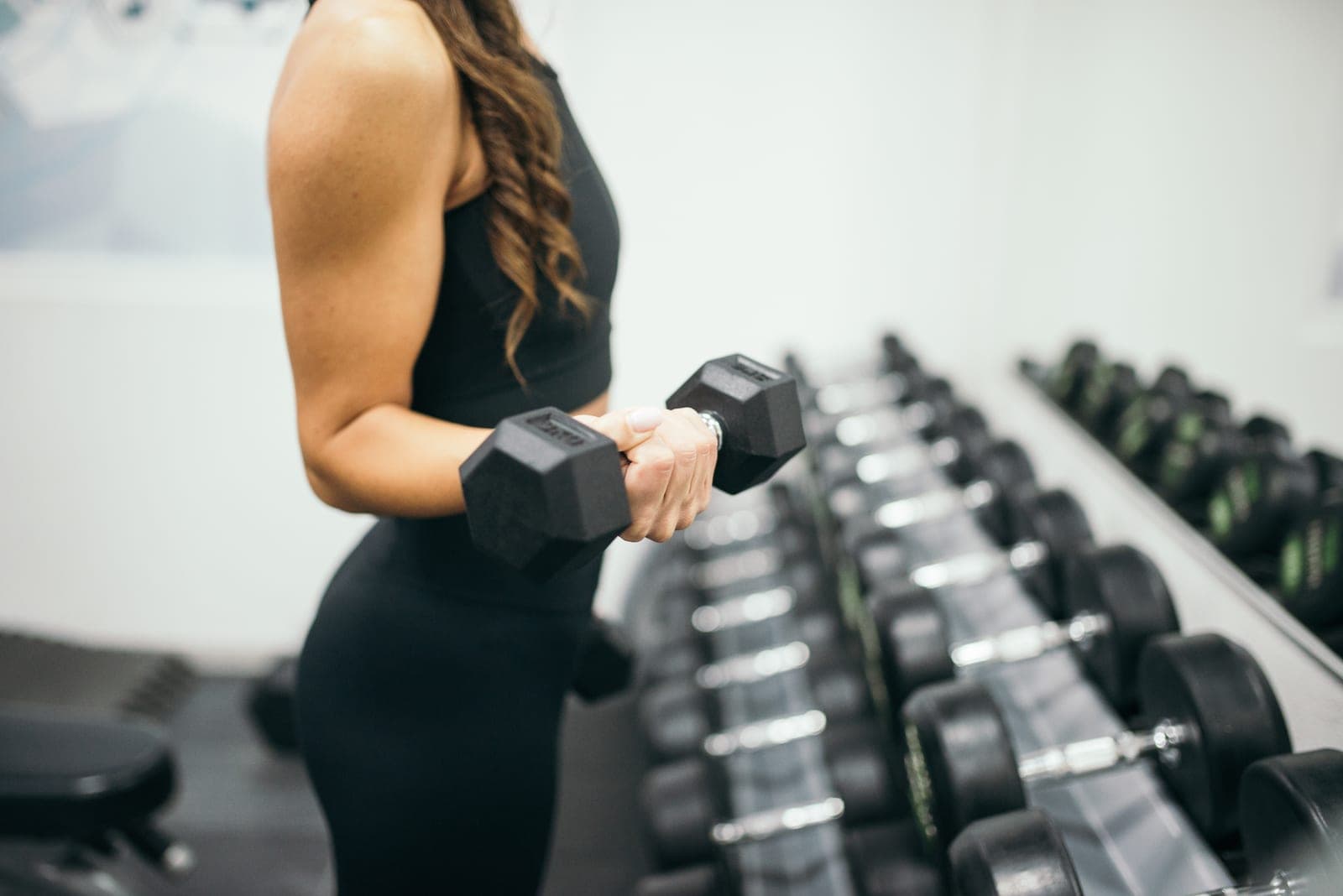
Fitness
Strength and general fitness training — the foundation that supports every other sport.
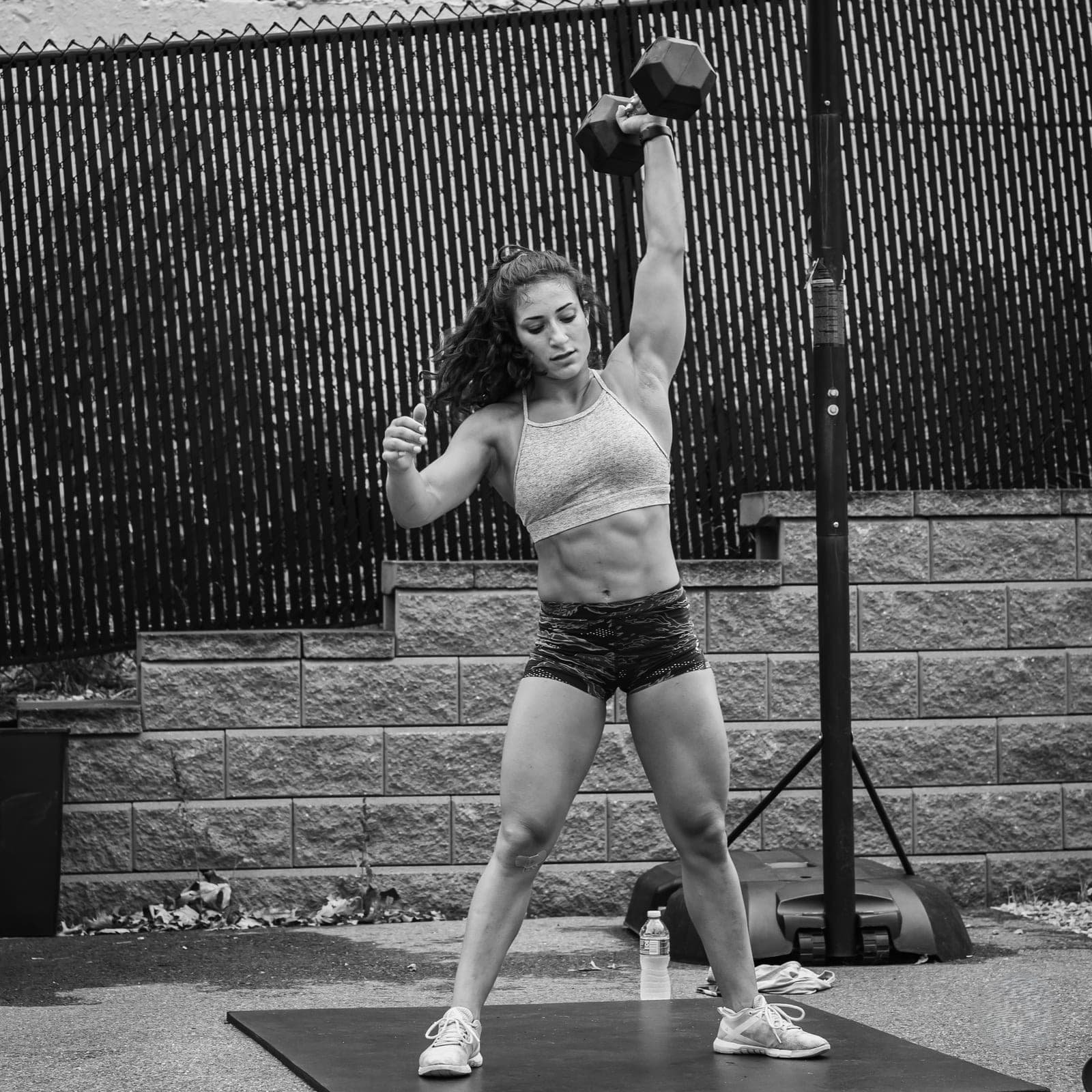
HIIT
High-intensity interval training that alternates short bursts of hard effort with brief recovery.
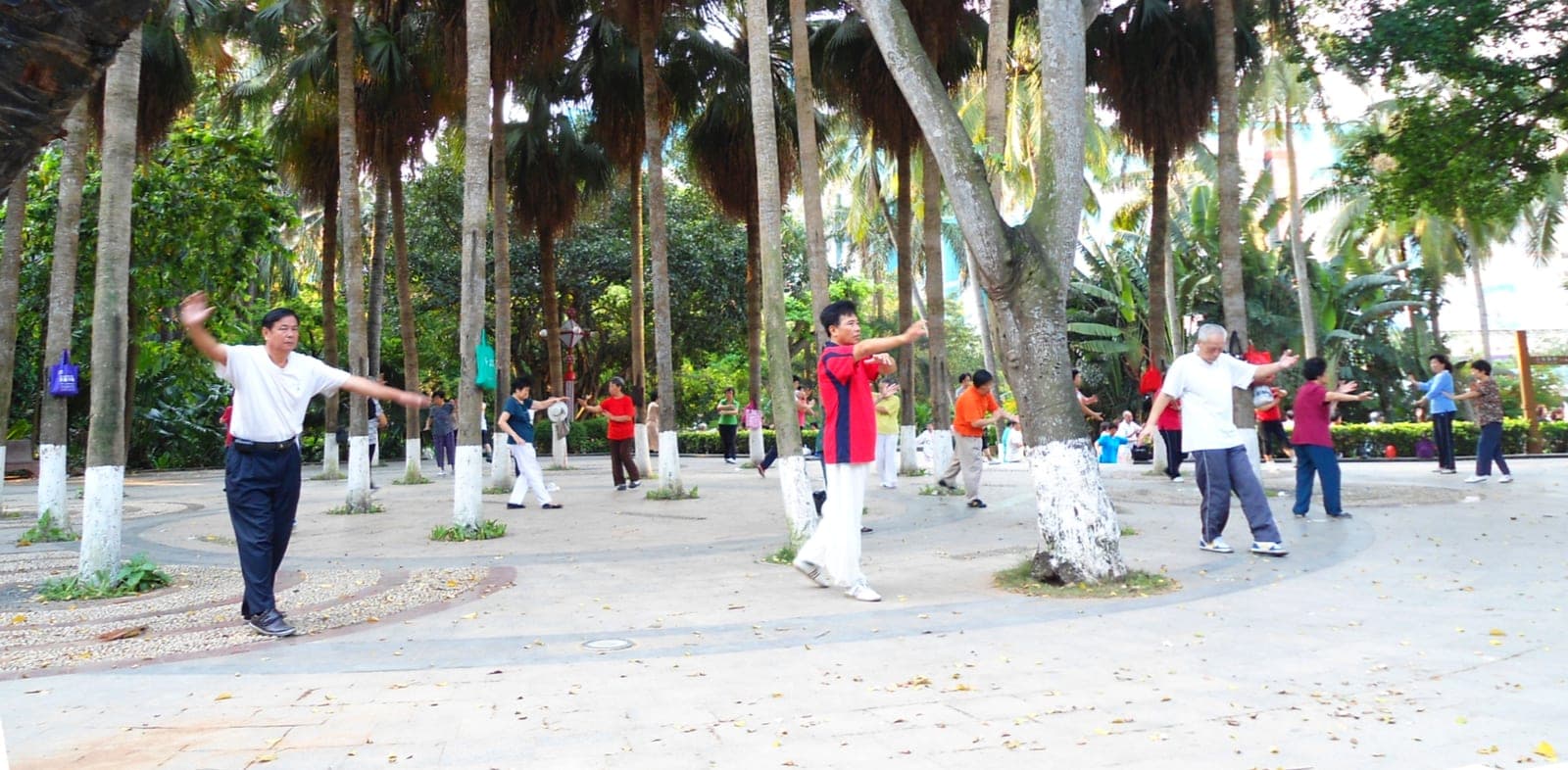
Tai Chi
A gentle mind-body practice of slow, flowing movements that builds balance, mobility and calm.
Goals that fit
Become more active
Add regular, gentle movement to your everyday life and build up from a sedentary start at your own pace.
Build healthy habits
Using sport and routine to make regular activity a lasting part of everyday life.
Improve fitness
Build well-rounded fitness — stamina, strength and more — through regular, varied activity you can keep up.
Improve flexibility
Lengthen your muscles and widen your range of motion through regular, gentle stretching over time.
Family activities
Find sports and games that people of different ages can enjoy together, with something for everyone.
Ways to train
Exercises and methods that fit — educational, not a prescription.
Goblet squat
A squat variation where you hold a single weight close to your chest for balance and control.
Deadlift
A hinge movement where you lift a weight from the floor by driving your hips forward to stand tall.
Romanian deadlift
A hinge variation focused on the back of the legs, lowering the weight without returning it to the floor.
Glute bridge
A floor exercise where you lift your hips by squeezing your glutes with your feet planted.
Hip thrust
A loaded hip-extension exercise with your upper back on a bench and a weight across the hips.
Push-up
A classic upper-body pushing exercise where you lower and press your body up from the floor.
Frequently asked questions
What sports can I do at home?
Plenty are home-friendly: bodyweight strength (calisthenics), general fitness circuits, HIIT-style intervals, and low-impact practices such as yoga, pilates and tai chi. You can also work on skills for many sports — footwork, stretching and mobility — in a small space.
Do I need equipment to train at home?
No. Many effective routines use only your body weight. A mat adds comfort, and everyday items like a sturdy chair, a wall or a filled water bottle can stand in for basic equipment if you want more variety.
How do I stay consistent training at home?
Keep a set space ready, pick a regular time, and start with short sessions you can actually repeat. Following a class or video removes decisions, and tracking simple wins helps the habit stick. If you have any health concerns, check with a qualified professional before starting.
Explore across the knowledge base
Follow the threads that connect At home to the rest of SocialSportHub.
People
- Remote workersHow sport can fit a work-from-home life — replacing the movement a commute used to provide and breaking up long spells at a home desk.
- Shift workersHow sport can fit irregular hours and changing sleep — portable, flexible activity that adapts to a rota rather than a fixed timetable.
- TravelersHow to stay active on the move with minimal-equipment sport that works almost anywhere.
- ParentsHow busy parents can fit sport around family life with flexible, home-friendly and time-efficient options.
Barriers
- No timeWhen your days are full, sport has to fit into small windows rather than replace them — short, flexible activity that adds up.
- An unpredictable scheduleWhen no two weeks look the same, sport needs to be flexible and portable rather than tied to a fixed class time.
- Always travellingWhen you are often away from home, sport has to travel with you — bodyweight options, hotel-room routines and activity that needs no local club.
- Nervous about startingWhen starting feels intimidating, beginner-friendly, low-pressure settings and a gentle first step make the first move far easier.
- Low confidenceWhen self-consciousness gets in the way, private or beginner-friendly settings and steady, visible progress help confidence grow through doing.
Training plans
- Home Bodyweight WeekA general example week of short, equipment-free bodyweight sessions you can do at home, built from simple movements like squats, push-ups and planks.
- General Fitness WeekA balanced example week that mixes some cardio, a little strength and gentle mobility for well-rounded, all-round fitness.
Facilities
Sport categories
- Endurance SportsRepetitive, aerobic sports that build cardiovascular fitness and stamina — often accessible with very little equipment.
- Mind & BodyPractices that pair movement with breathing and focus, supporting mobility, balance and mental wellbeing.
- Fitness & GymStructured training for strength, mobility and general fitness — the foundation that supports every other sport.
How this page is maintained
- Content type
- For your day
- Provenance
- Tier A — evergreen educational
- Verified external sources
- 0
- Content updated
- 2026-07-09
Evergreen, first-party explanation — it makes no claim that needs an external source. How we handle sources and reviews.