
Glute bridge
A floor exercise where you lift your hips by squeezing your glutes with your feet planted.
Overview
The glute bridge is a simple floor exercise for the muscles at the back of the hips. Lying on your back with knees bent and feet flat, you lift your hips toward the ceiling by squeezing your glutes, then lower back down. It requires no equipment and is gentle on balance.
Because it isolates the hip extension without much demand on coordination, it is a common beginner movement and a way to feel the glutes working. It can be progressed to single-leg versions or loaded to become a hip thrust.
The movement
- 1Lie on your back with knees bent and feet flat, hip-width apart.
- 2Press through your heels and squeeze your glutes to lift your hips.
- 3Raise until your body forms a straight line from shoulders to knees.
- 4Lower your hips back to the floor with control.
Beginner notes
- A soft mat makes the floor position more comfortable.
- Squeezing the glutes at the top is the key cue for many beginners.
- A single-leg version raises the challenge once the basic bridge is easy.
A note on training information
Where it’s used
Sports this relates to:
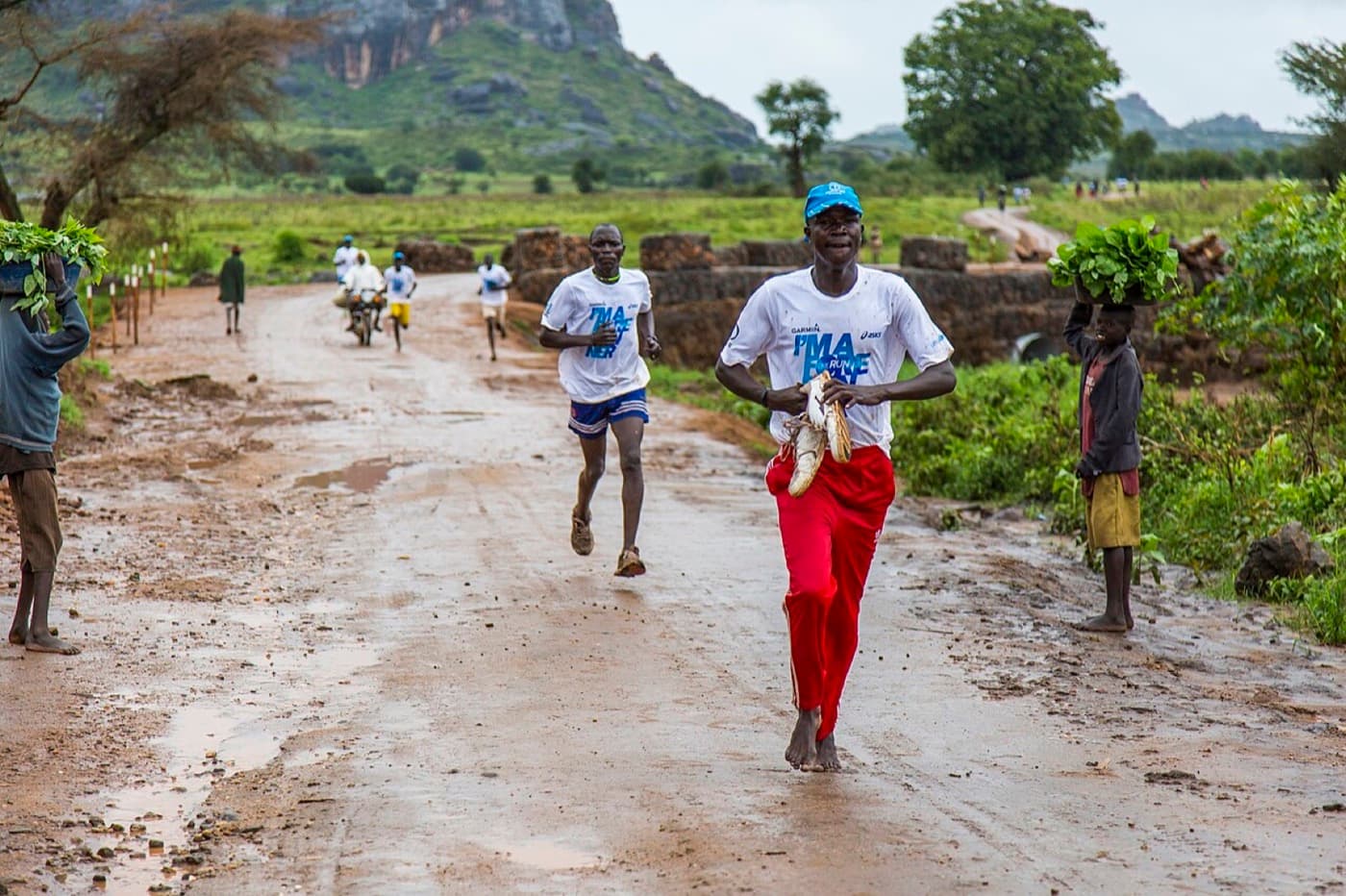
Running
The most accessible endurance sport — no venue, just shoes and the open road or trail.
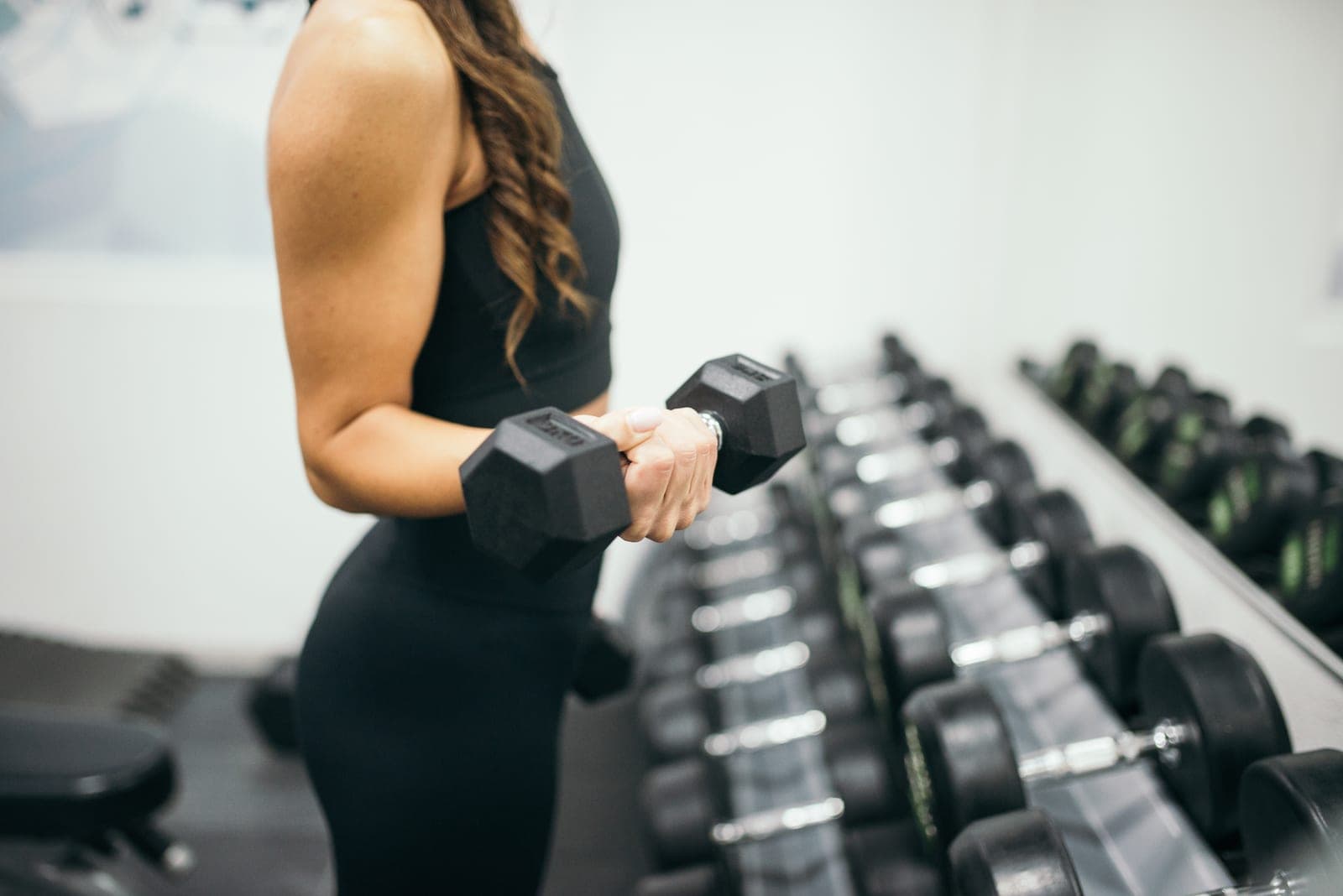
Fitness
Strength and general fitness training — the foundation that supports every other sport.
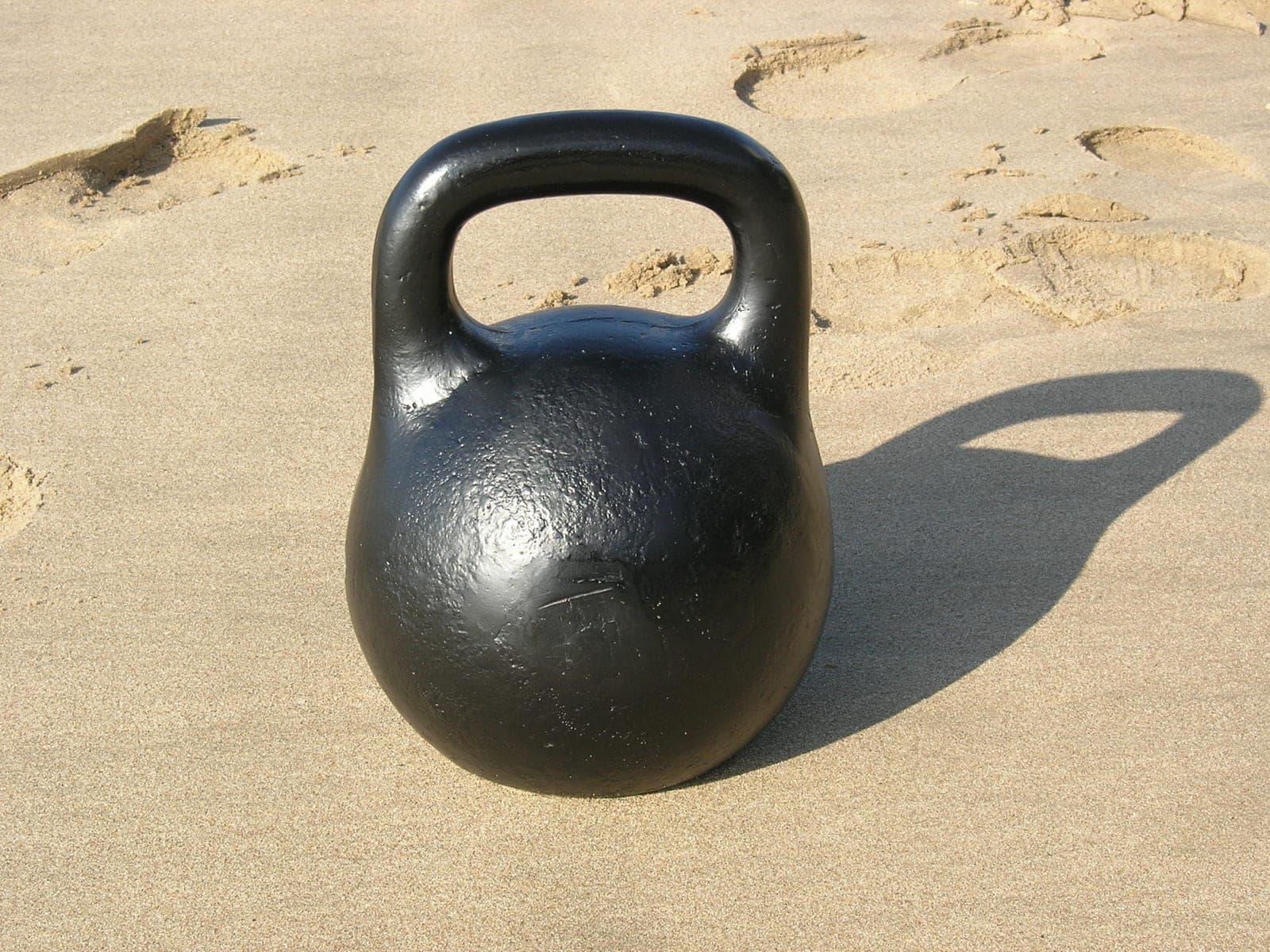
Functional Fitness
Varied, whole-body training built around everyday movement patterns like squatting, lifting and carrying.
Related exercises
Squat
A foundational lower-body movement where you bend at the hips and knees to lower down and stand back up.
Goblet squat
A squat variation where you hold a single weight close to your chest for balance and control.
Jump squat
An explosive squat variation where you spring off the floor at the top of the movement.
Explore across the knowledge base
Follow the threads that connect Glute bridge to the rest of SocialSportHub.
Movement patterns
- KickA ballistic single-support leg swing that whips force from the plant foot through the hip and knee to strike or propel a ball or target with the foot, distinct from the weight-bearing steps of locomotion.
- PivotA rotation of the body about one planted foot, reorienting the trunk and hips around a vertical axis without travelling to a new location.
- SquatA knee-dominant pattern: bending the hips, knees and ankles to lower and rise while keeping the torso upright — the foundation of lower-body strength.
- HingeA hip-dominant pattern: bend forward at the hips with a flat back, minimal knee bend, then drive the hips tall — powers pulling from the floor and jumping.
Techniques
Go deeper with Glute bridge
Everywhere else on the platform that covers Glute bridge — assembled from what actually references it, so nothing here is a dead end.
Take it away
Open data and the whole-platform view of this subject.
How this page is maintained
- Content type
- Exercise
- Provenance
- Tier A — evergreen educational
- Verified external sources
- 0
- Content updated
- 2026-07-06
Evergreen, first-party explanation — it makes no claim that needs an external source. How we handle sources and reviews.