
Functional Fitness
Train the movements you use every day

Overview
Functional fitness focuses on training the movement patterns you use in daily life — squatting, hinging, pushing, pulling, carrying and rotating — rather than isolating single muscles. Sessions typically mix bodyweight exercises, free weights and simple conditioning into short, varied workouts.
Because the emphasis is on practical, full-body strength and coordination, it suits people who want their training to carry over into everyday tasks and other sports. Workouts can be scaled up or down, so the same session can challenge a newcomer and an experienced athlete side by side.
Why functional fitness is good for your health
- Builds practical, whole-body strength for everyday movement
- Improves mobility, stability and coordination
- Combines strength and conditioning in one efficient session
- Supports better posture and resilience for other sports
The social side
- Small-group classes create a motivating, shared atmosphere
- Scalable workouts let mixed-ability groups train together
- Training partners help with accountability and consistency
How to start as a beginner
- 1Start with bodyweight versions of the core patterns: squat, hinge, push, pull and carry
- 2Prioritise good form and controlled range of movement before adding load
- 3Join a beginner class or coached session to learn technique safely
- 4Progress load and complexity gradually as movements feel comfortable
Equipment you’ll need
- Comfortable training clothesEssential
- Supportive trainersEssential
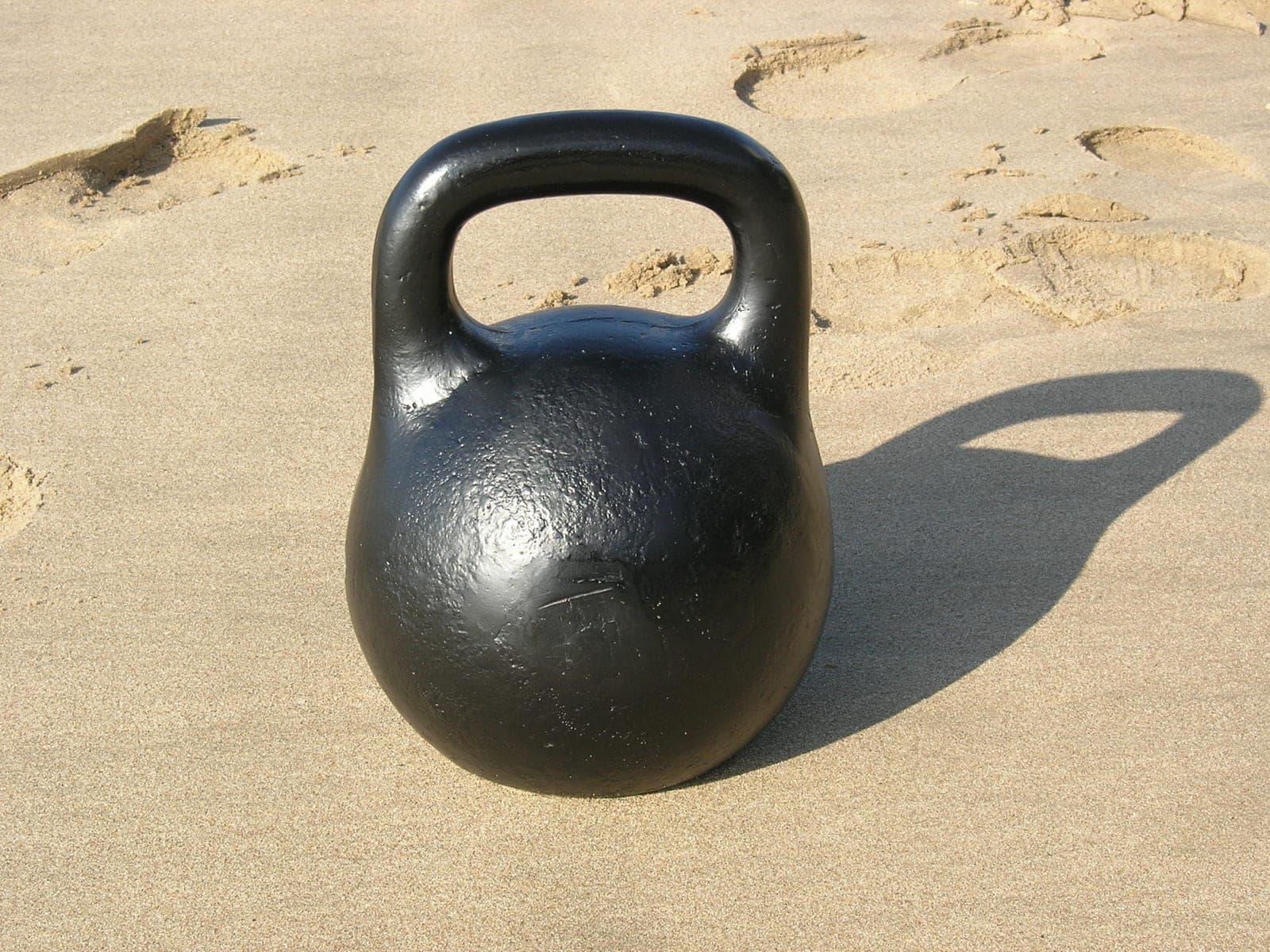
- Free weights or kettlebellsOptionalUsually provided in gyms and classes
- A little floor space for bodyweight workOptional
- A water bottleOptional
Where to play
Functional Fitness is typically played at:
Explore clubs and venues to understand the different places you can play, or see how to find people to play with.
Playing Functional Fitness
The equipment, rules, skills and more that make up the game — each cross-linked into the encyclopedia.
Training for Functional Fitness
Exercises, methods and example plans that help build what Functional Fitness needs — educational, not personalised prescriptions.
Related sports to explore
If you enjoy Functional Fitness, you might also like these.
Fitness
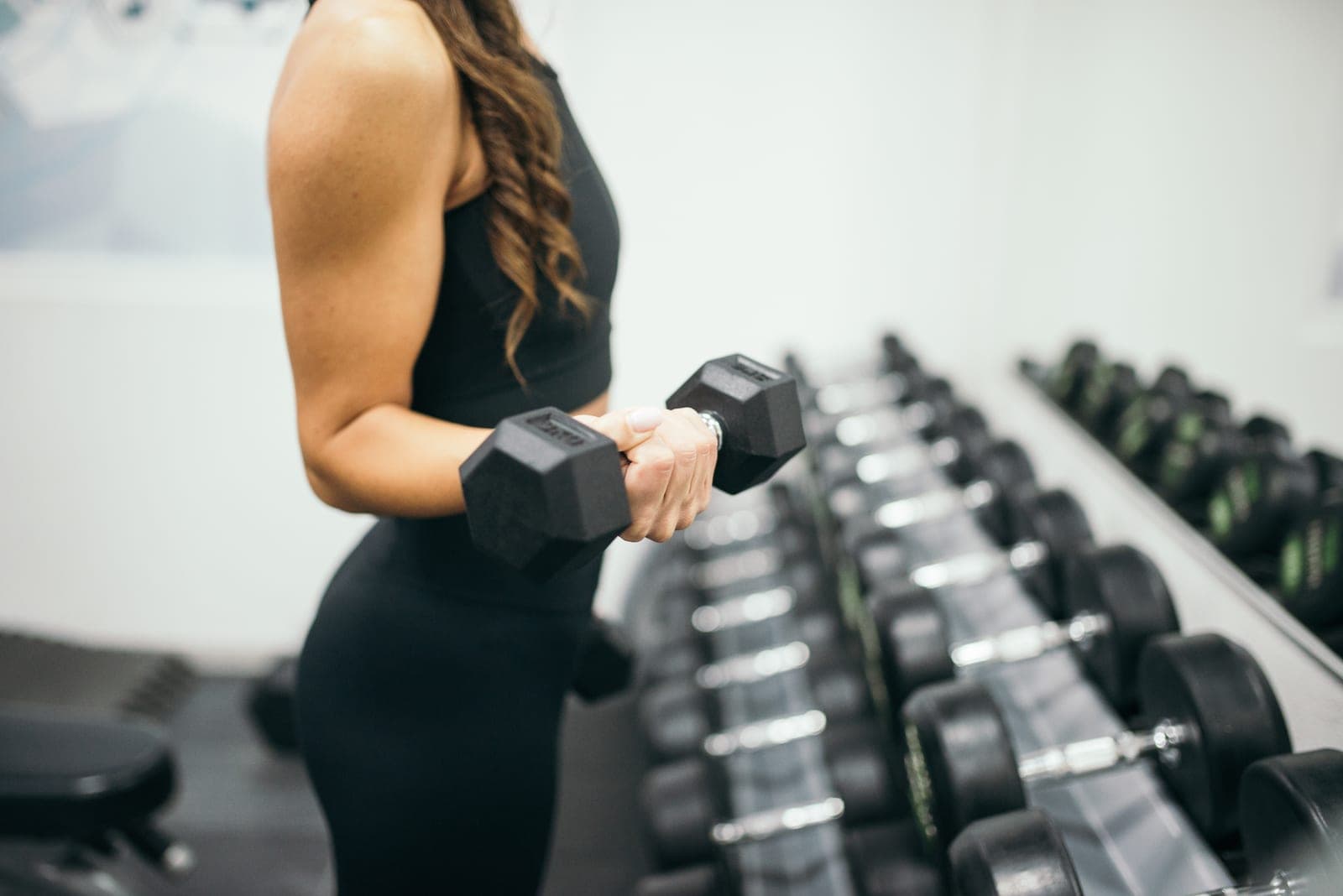
Strength and general fitness training — the foundation that supports every other sport.
Calisthenics
Bodyweight strength training — push-ups, pull-ups, dips and progressions you can do almost anywhere.
Weightlifting
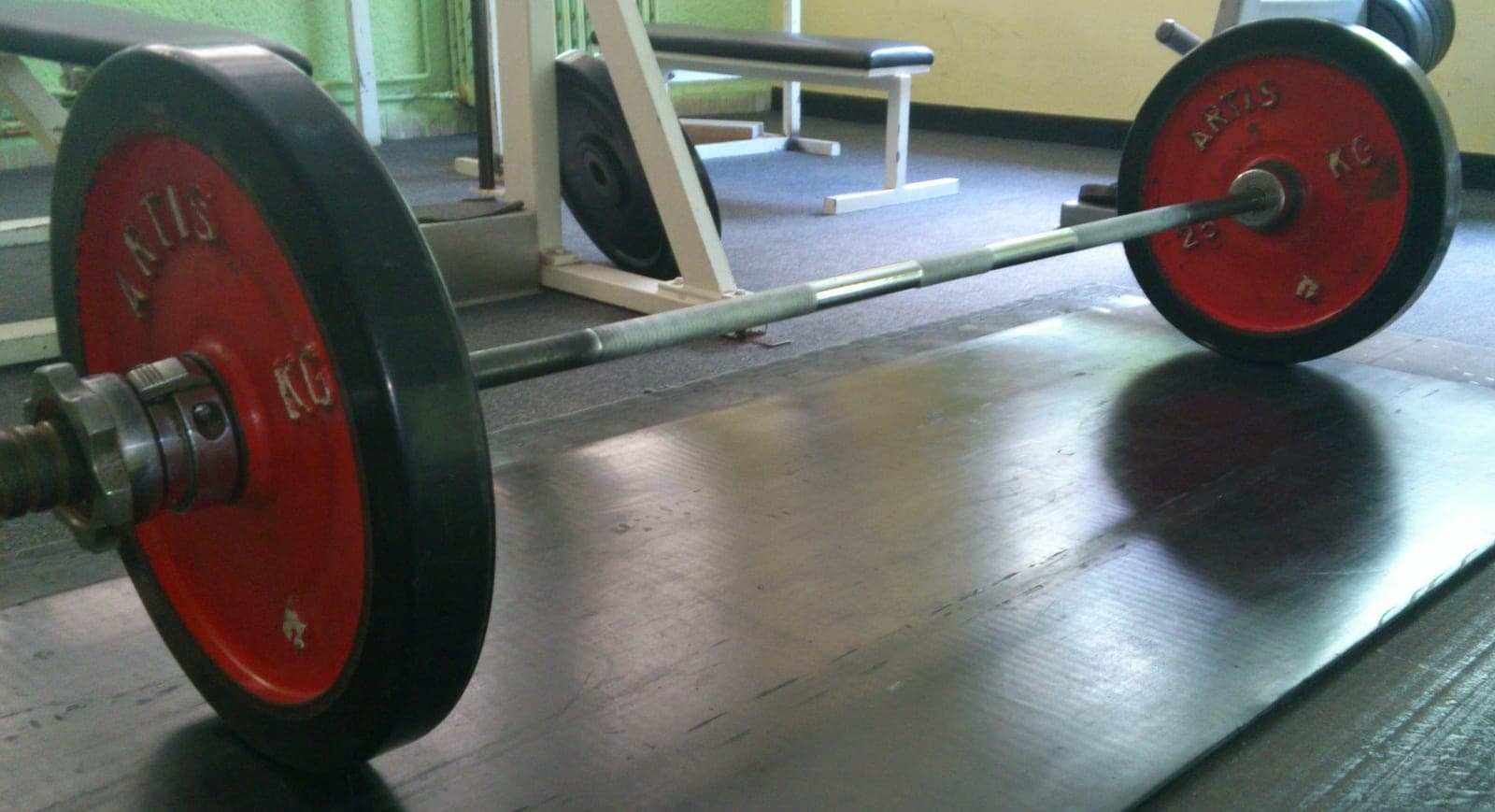
A technical strength sport built around lifting a loaded barbell overhead with speed and control.
HIIT
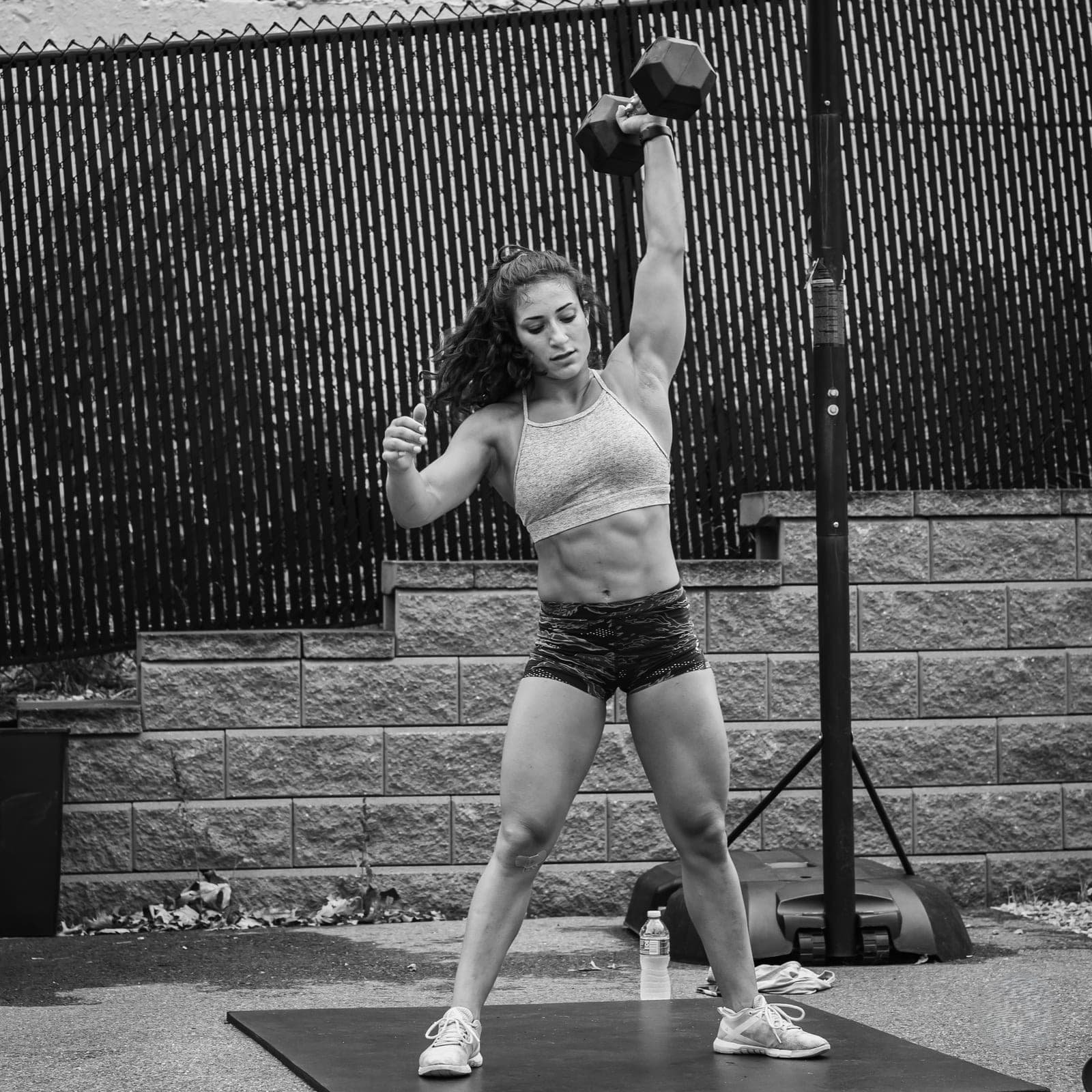
High-intensity interval training that alternates short bursts of hard effort with brief recovery.
Compare Functional Fitness with…
Deciding between Functional Fitness and something similar? See how they line up side by side.
Bodybuilding vs Functional Fitness
How they compare on difficulty, intensity, kit and what suits you.
Calisthenics vs Functional Fitness
How they compare on difficulty, intensity, kit and what suits you.
Fitness vs Functional Fitness
How they compare on difficulty, intensity, kit and what suits you.
Functional Fitness vs HIIT
How they compare on difficulty, intensity, kit and what suits you.
Functional Fitness vs Powerlifting
How they compare on difficulty, intensity, kit and what suits you.
Functional Fitness vs Weightlifting
How they compare on difficulty, intensity, kit and what suits you.
Reach your goals with Functional Fitness
People take up Functional Fitness for all kinds of reasons. Here is what it can help you work towards.
Who & where Functional Fitness fits
Sport should fit your life. Here is who Functional Fitness suits and when it works.
Busy professionals
How time-efficient sport can fit a packed schedule to protect fitness, energy and stress relief.
At the gym
How to make the most of a gym — strength machines, free weights, classes and cardio kit under one roof.
No equipment
Activities and workouts you can do with little or no gear, using mostly your own body.
How it connects
The meaning-bearing relationships that place Functional Fitness in the wider knowledge graph — each one with the reason it exists.
Alternative to
Comparable enough that people choose between them.
- BodybuildingFunctional Fitness and Bodybuilding are close enough that the platform maintains a side-by-side comparison of them.
- CalisthenicsFunctional Fitness and Calisthenics are close enough that the platform maintains a side-by-side comparison of them.
- FitnessFunctional Fitness and Fitness are close enough that the platform maintains a side-by-side comparison of them.
- HIITFunctional Fitness and HIIT are close enough that the platform maintains a side-by-side comparison of them.
- PowerliftingFunctional Fitness and Powerlifting are close enough that the platform maintains a side-by-side comparison of them.
Helps achieve
A recognised route towards these goals.
Supported by
These help the training or recovery side of this.
- Rest daysRest days is listed as a recovery method used around Functional Fitness.
- Active recoveryActive recovery is listed as a recovery method used around Functional Fitness.
- Gentle mobilityGentle mobility is listed as a recovery method used around Functional Fitness.
- Gentle stretchingGentle stretching is listed as a recovery method used around Functional Fitness.
- Easy daysEasy days is listed as a recovery method used around Functional Fitness.
Explore across the knowledge base
Follow the threads that connect Functional Fitness to the rest of SocialSportHub.
Glossary
- DOMSDOMS (delayed onset muscle soreness) is the muscle soreness that appears a day or two after unfamiliar or intense exercise.
- FootworkThe coordinated foot movements and patterns that position the body correctly to execute a skill under time pressure.
- End zoneThe scoring area at each end of the field, beyond the goal line. Carrying or catching the ball in it is what scores in gridiron codes.
- PeriodisationPeriodisation is the planned division of training into phases so that workload and focus are varied to peak performance at the right time.
Recommendations
- Recommended for “Build muscle”Sports, qualities, a learning path and first steps for “Build muscle” — every suggestion a real graph link, shown with its reason.
- Recommended for “Family activities”Sports, qualities, a learning path and first steps for “Family activities” — every suggestion a real graph link, shown with its reason.
- Recommended for “Build an active lifestyle”Sports, qualities, a learning path and first steps for “Build an active lifestyle” — every suggestion a real graph link, shown with its reason.
Movement patterns
- PullDrawing a load or your own body toward the torso — horizontal rows and vertical pull-ups — building the lats, mid-back and biceps and balancing the push.
- SquatA knee-dominant pattern: bending the hips, knees and ankles to lower and rise while keeping the torso upright — the foundation of lower-body strength.
- PushPressing a load or the body away from the torso — horizontally or overhead — by extending the shoulders and elbows, developing the chest, shoulders and triceps.
- LungeA split-stance, single-leg-emphasis pattern: stepping or dropping into a staggered stance and pushing back up to build single-leg strength, balance and stability.
- CarryHolding and transporting a load while keeping the trunk braced and stable — an anti-movement pattern that builds grip, core stability and full-body strength.
Coaching concepts
- ProgressionBuilding skill and training load in gradual, manageable steps so each stage prepares the next, moving from simple to complex and easy to hard.
- Transfer of TrainingWhether practice carries over to real performance — and why game-like, varied practice tends to transfer better than isolated, repetitive drills.
- Small-Sided GamesPractising in scaled-down versions of a sport — fewer players, smaller area — so skills and decisions happen more often in a game-like setting.
Knowledge Atlas
Practice & sessions
- Tactical sessionA session built around tactics — how you use space, position and patterns of play, rather than the mechanics of a shot.
- Conditioning sessionA session built around physical conditioning — developing the fitness qualities a sport draws on, rather than its skills or tactics.
- Technical sessionA session built around technique — grooving and refining the mechanics of how a movement or shot is executed.
- Mobility sessionA session built around moving well through a range of motion — gentle, controlled work to help the body move freely.
- Skill-development sessionA session built around learning and improving a skill over time — acquiring it, refining it and making it more reliable.
Go deeper with Functional Fitness
Everywhere else on the platform that covers Functional Fitness — assembled from what actually references it, so nothing here is a dead end.
Compare it
Head-to-head studies against the entities people actually weigh it against.
- Functional Fitness vs BodybuildingSide by side on the qualities that differ.
- Functional Fitness vs CalisthenicsSide by side on the qualities that differ.
- Functional Fitness vs FitnessSide by side on the qualities that differ.
- Functional Fitness vs HIITSide by side on the qualities that differ.
- Functional Fitness vs PowerliftingSide by side on the qualities that differ.
- Functional Fitness vs WeightliftingSide by side on the qualities that differ.
Kit it out
Equipment guidance drawn from the graph, with no brands and no affiliate links.
Take it away
Open data and the whole-platform view of this subject.
How this page is maintained
- Content type
- Sport
- Provenance
- Tier A — evergreen educational
- Verified external sources
- 0
- Content updated
- 2026-07-06
Evergreen, first-party explanation — it makes no claim that needs an external source. How we handle sources and reviews.
Keep going
A sport is most rewarding alongside good habits, sensible nutrition and people to share it with. Here is where to go next.
How movement supports body and mind.
Eat well to feel and perform better.
Build routines that stick.
Ways to meet others and play together.
Where to play and what to expect.
Browse the full list by category.