
Dumbbell
A short handheld weight used for strength and fitness training, worked one in each hand so each side has to hold its own load.
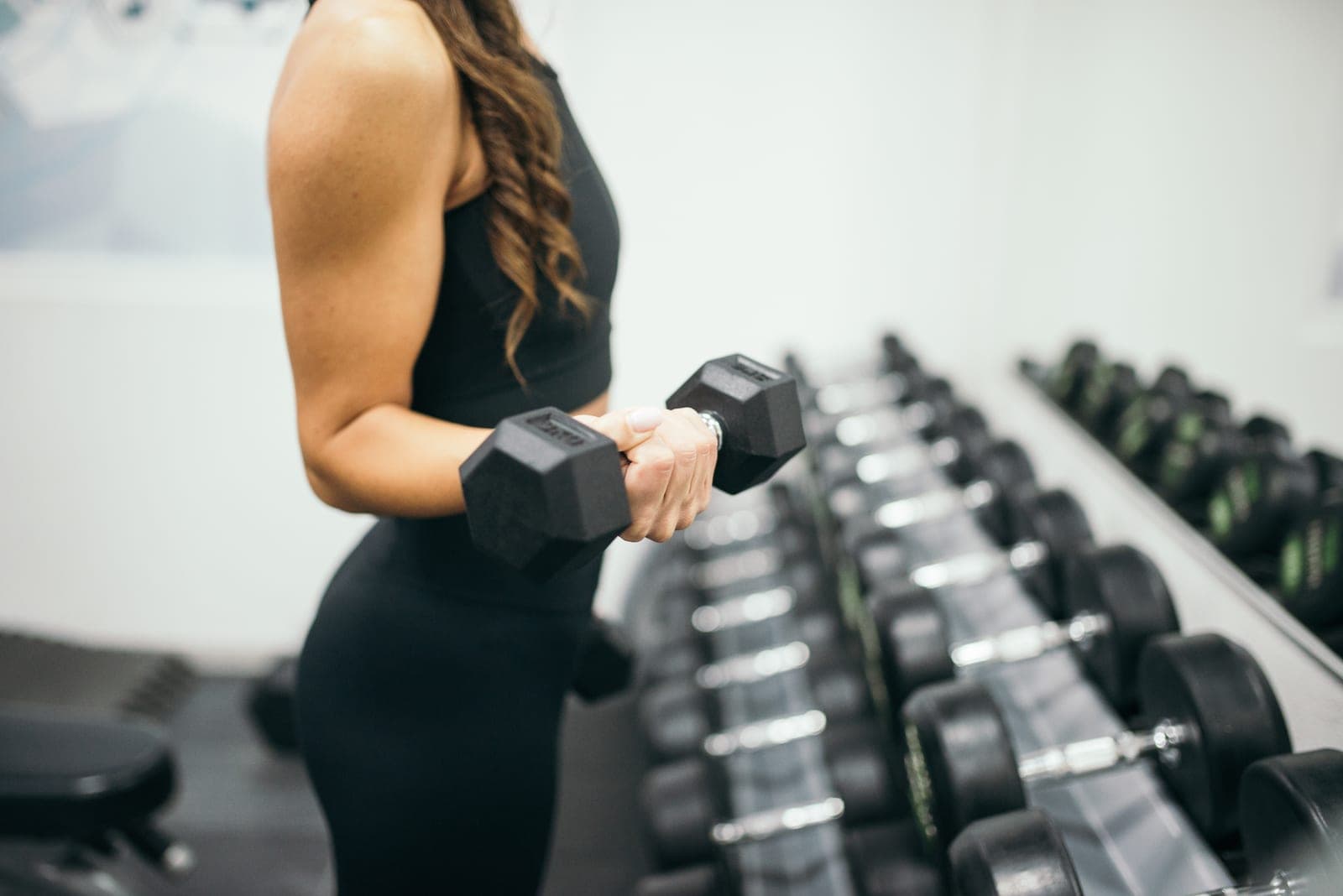

Overview
A dumbbell is a short bar with a weight at each end, designed to be held in one hand. It can be used singly or in pairs and allows each arm to work independently through a wide range of exercises.
Dumbbells come in fixed weights or adjustable versions, making them one of the most versatile pieces of gym and home-fitness equipment.
Good to know
- Used singly or as a matched pair.
- Lets each arm work independently.
- Available in fixed and adjustable versions.
Where it’s used
Sports that use dumbbell:
Fitness
Strength and general fitness training — the foundation that supports every other sport.
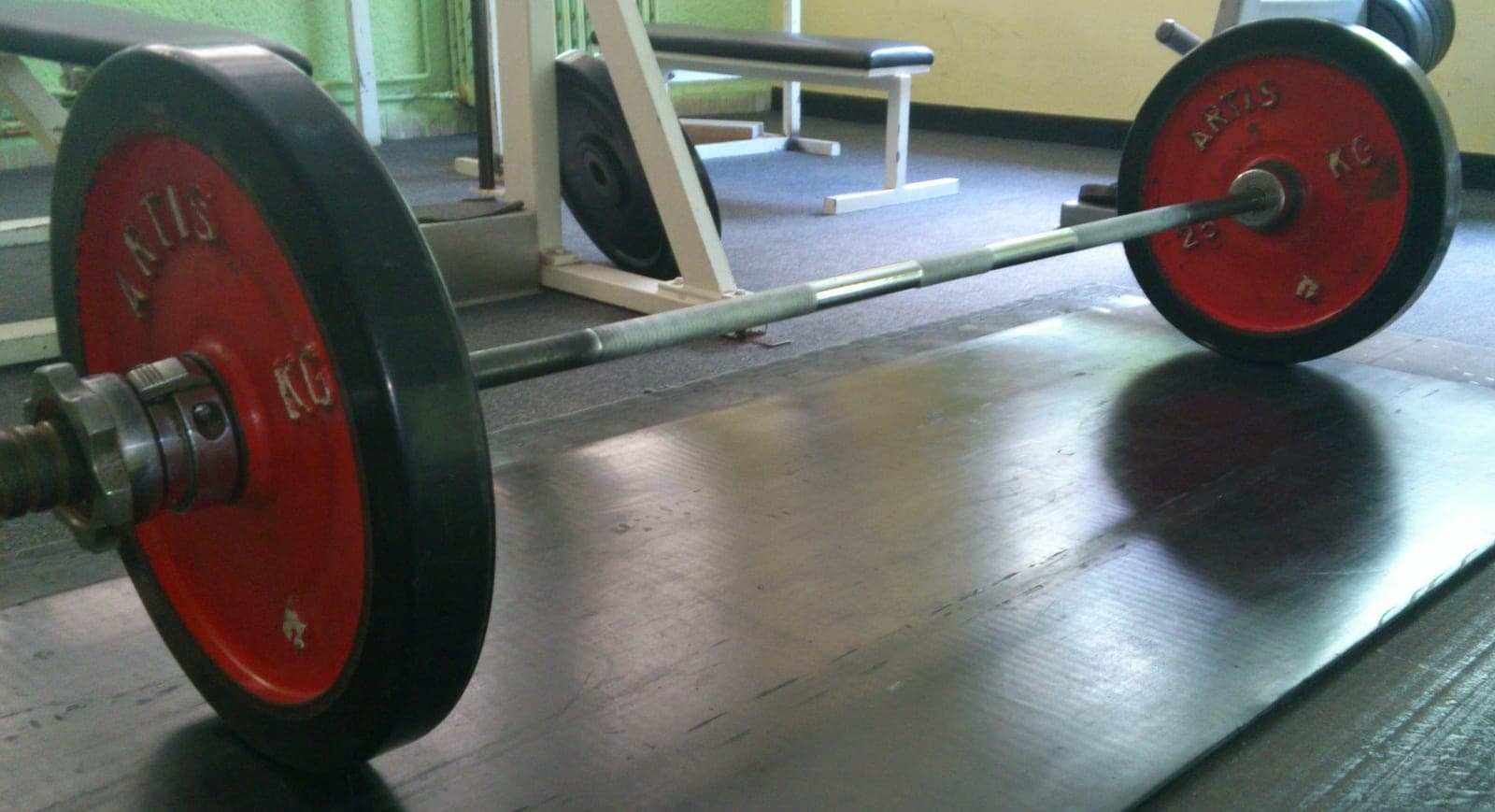
Weightlifting
A technical strength sport built around lifting a loaded barbell overhead with speed and control.
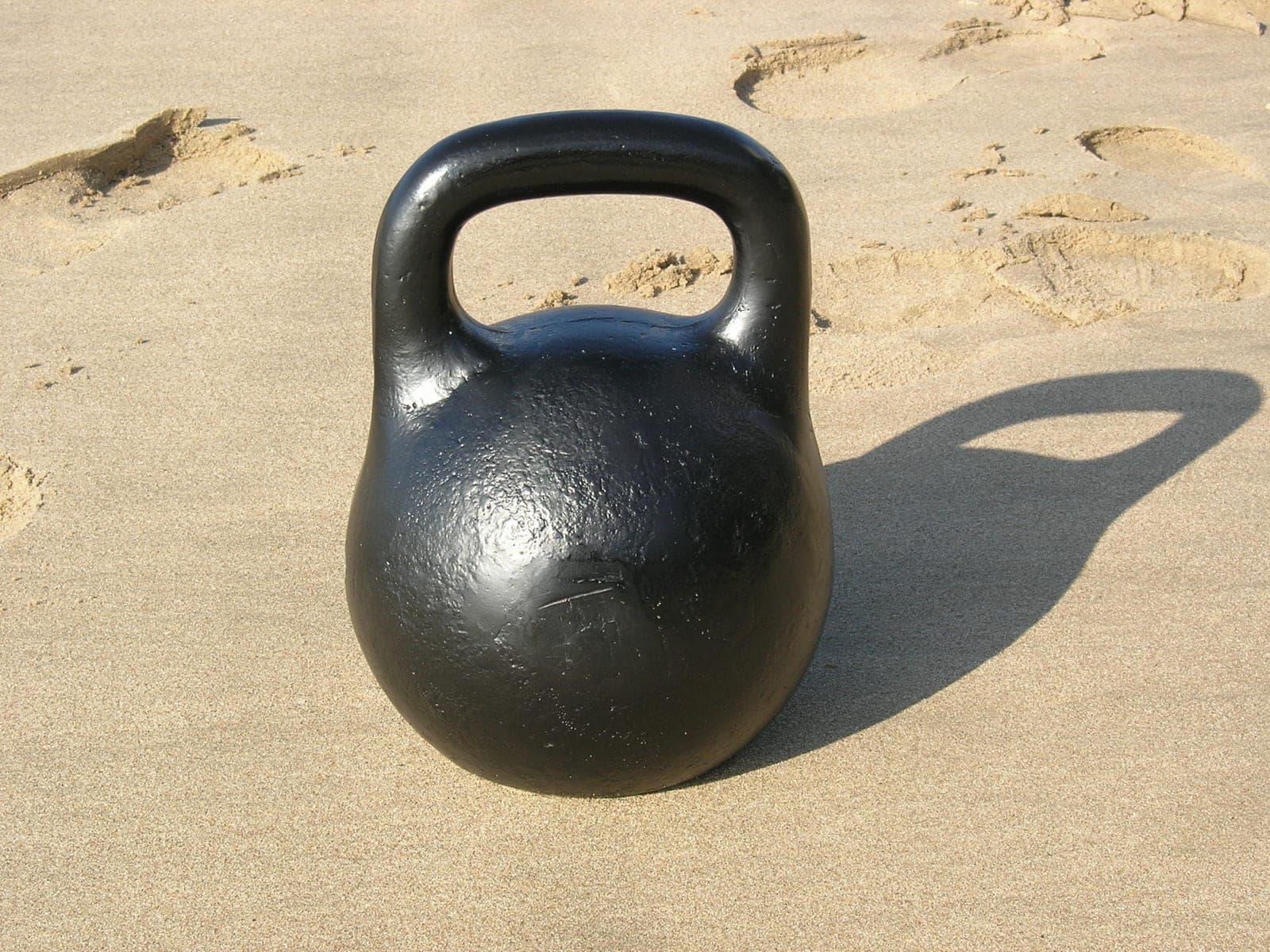
Functional Fitness
Varied, whole-body training built around everyday movement patterns like squatting, lifting and carrying.
Bodybuilding
Resistance training focused on building muscle size, symmetry and definition through consistent effort.
How it connects
The meaning-bearing relationships that place Dumbbell in the wider knowledge graph — each one with the reason it exists.
Used with
Turns up alongside this across the same sports.
Explore across the knowledge base
Follow the threads that connect Dumbbell to the rest of SocialSportHub.
Exercises
- Goblet squatA squat variation where you hold a single weight close to your chest for balance and control.
- LungeA single-leg movement where you step forward and bend both knees to lower your body.
- Bulgarian split squatA single-leg squat where the back foot is raised on a bench behind you.
- Step-upA movement where you step up onto a raised platform one leg at a time and step back down.
- Romanian deadliftA hinge variation focused on the back of the legs, lowering the weight without returning it to the floor.
Training methods
- Circuit TrainingCircuit training moves you through a series of stations back to back with little rest, blending strength and cardio into one time-efficient session.
- Strength TrainingStrength training uses resistance — bodyweight, bands or weights — to challenge your muscles so they gradually adapt and get stronger over time.
- Hypertrophy TrainingHypertrophy training is resistance work structured to encourage muscle growth, typically using moderate repetitions and a steady, controlled tempo.
Muscle groups
Training plans
- Beginner Full-Body WeekA general example of a simple full-body week that spreads a push, a pull, a lower-body movement and some core evenly across three unhurried sessions.
- Beginner Strength WeekA general example week for someone learning the basic strength movements, built around a few short, technique-focused sessions with plenty of rest.
- General Fitness WeekA balanced example week that mixes some cardio, a little strength and gentle mobility for well-rounded, all-round fitness.
- Three-Day Split ExampleA general example of a simple three-day training split that divides the week into a few focused sessions with rest built in between.
Training guides
- How to start strength trainingStarting strength training means gradually introducing resistance movements and learning good form before doing anything more demanding.
- Bodyweight training basicsBodyweight training uses your own body as resistance, making it a simple and accessible way to build strength almost anywhere.
- Understanding rest and recoveryRest and recovery are the everyday habits — sleep, rest days and gentle movement — that let the benefits of training take hold between sessions.
Go deeper with Dumbbell
Everywhere else on the platform that covers Dumbbell — assembled from what actually references it, so nothing here is a dead end.
Take it away
Open data and the whole-platform view of this subject.
How this page is maintained
- Content type
- Equipment
- Provenance
- Tier A — evergreen educational
- Verified external sources
- 0
- Content updated
- 2026-09-12
Evergreen, first-party explanation — it makes no claim that needs an external source. How we handle sources and reviews.