
Bulgarian split squat
A single-leg squat where the back foot is raised on a bench behind you.
Overview
The Bulgarian split squat is a single-leg exercise where the rear foot rests on a bench or step behind you. With most of your weight on the front leg, you lower straight down and press back up, which places a strong emphasis on one leg at a time.
Raising the back foot increases the demand on balance and the range of the front leg compared with a standard lunge. It is usually introduced once basic lunges feel comfortable, and it can be done with bodyweight or while holding dumbbells.
The movement
- 1Stand a stride in front of a bench and rest the top of one foot on it behind you.
- 2Lower your hips straight down by bending the front knee.
- 3Keep your torso tall and most of your weight on the front foot.
- 4Press through the front foot to return to the top.
Beginner notes
- A low, stable step or bench works well for the back foot.
- Holding a wall lightly can help with balance while you learn it.
- Often introduced after standard lunges feel comfortable.
A note on training information
Where it’s used
Sports this relates to:
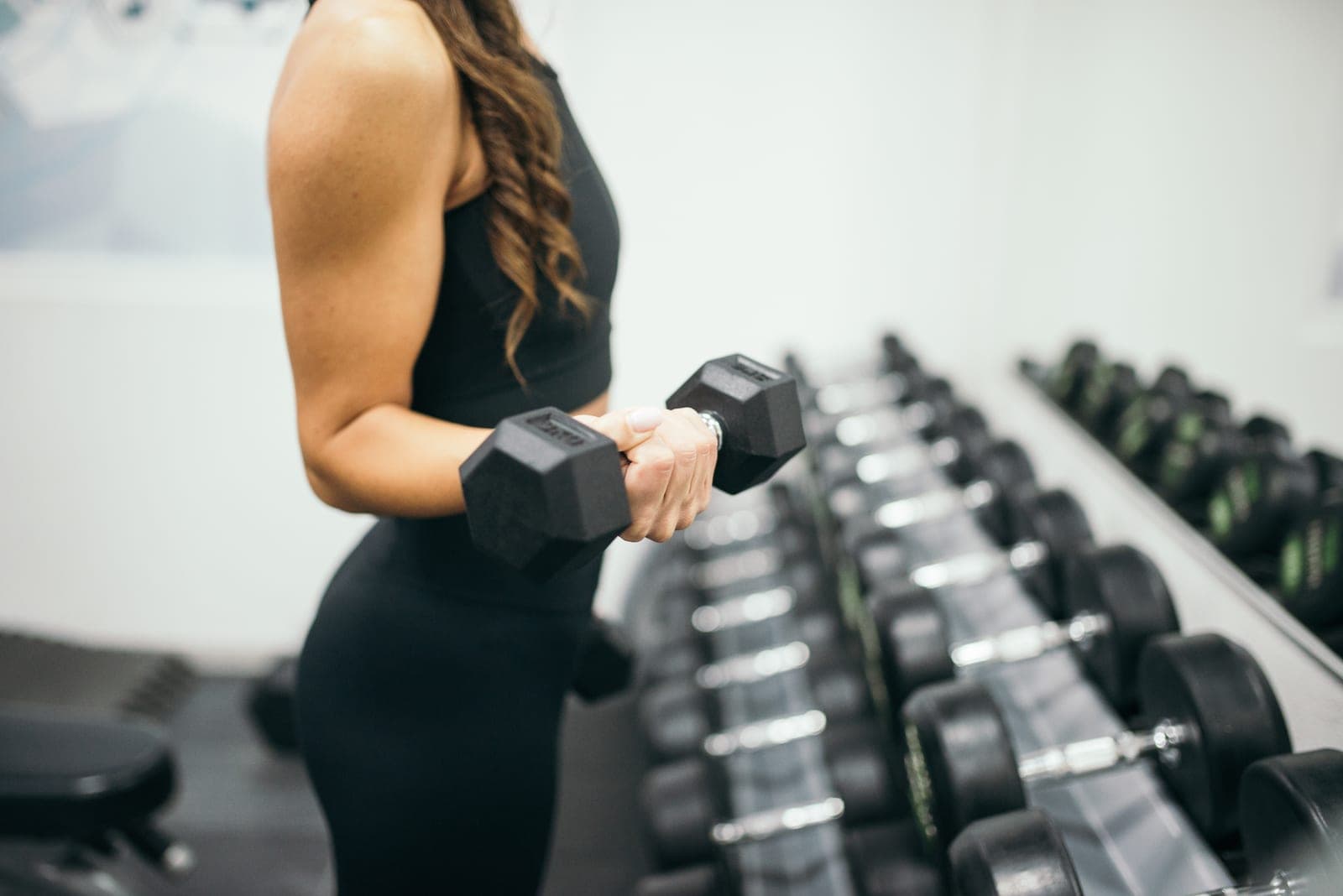
Fitness
Strength and general fitness training — the foundation that supports every other sport.
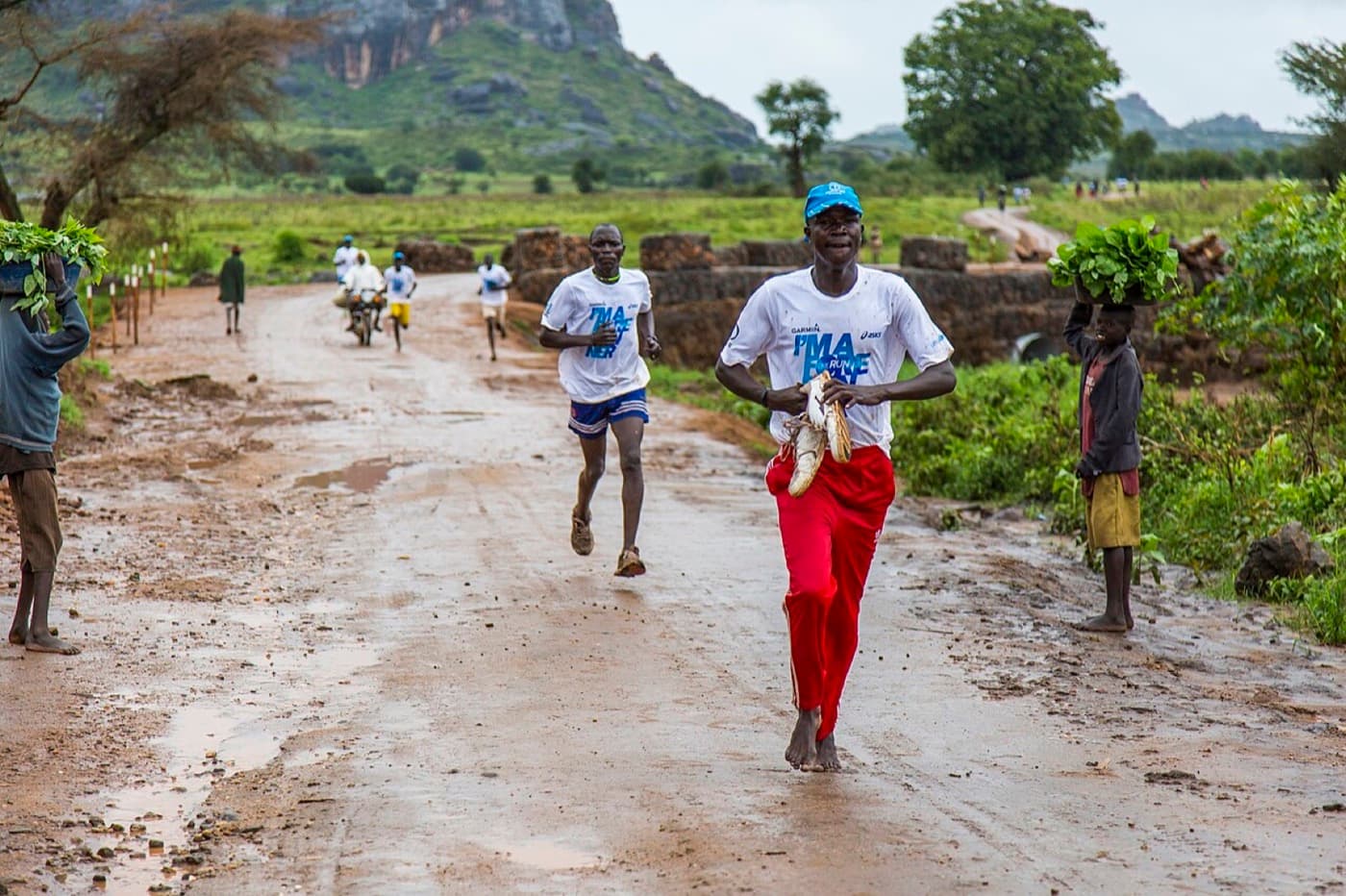
Running
The most accessible endurance sport — no venue, just shoes and the open road or trail.
Football
The world’s most popular team sport — endless running, teamwork and community in one game.
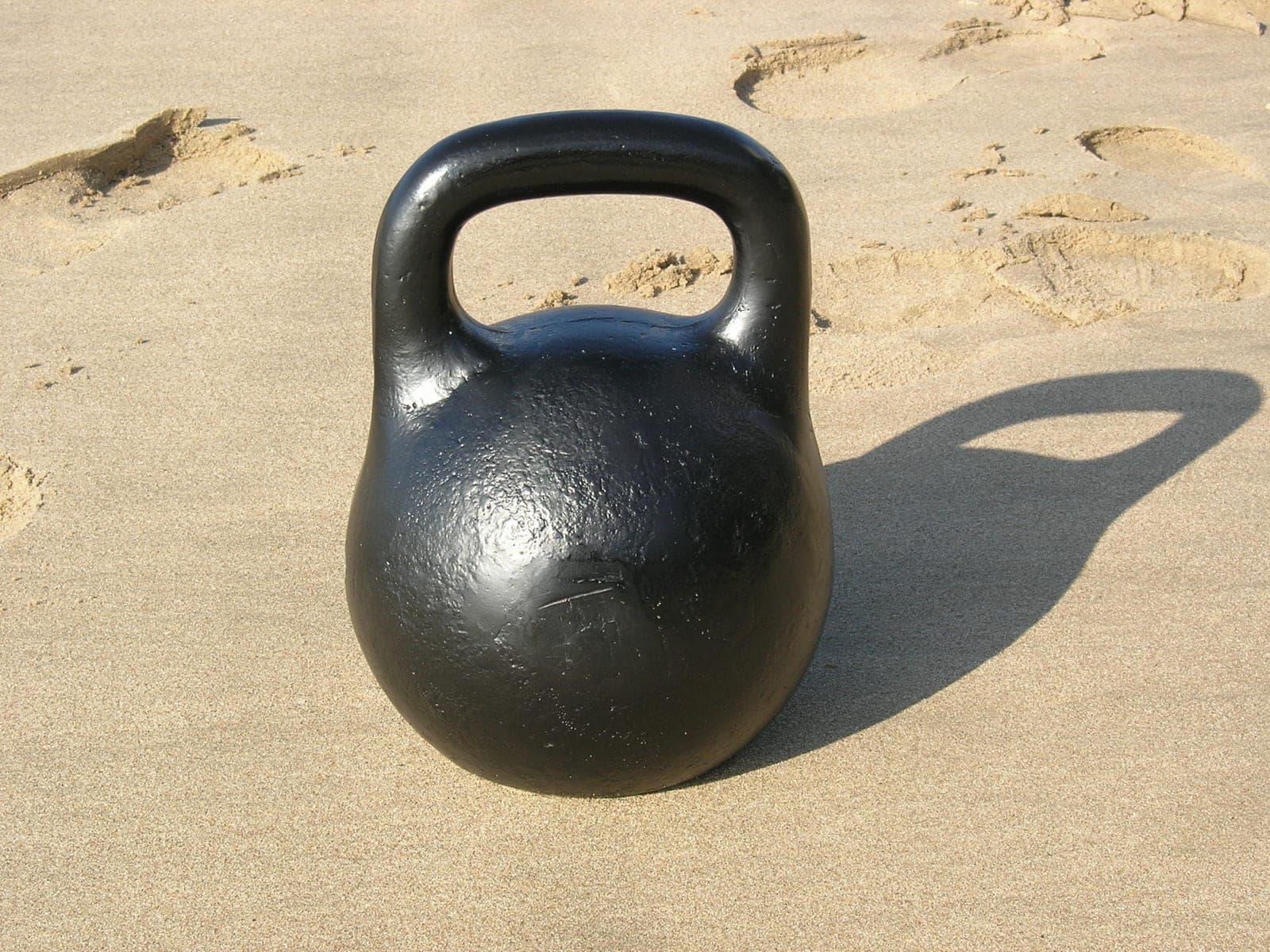
Functional Fitness
Varied, whole-body training built around everyday movement patterns like squatting, lifting and carrying.
Related exercises
Squat
A foundational lower-body movement where you bend at the hips and knees to lower down and stand back up.
Goblet squat
A squat variation where you hold a single weight close to your chest for balance and control.
Jump squat
An explosive squat variation where you spring off the floor at the top of the movement.
Explore across the knowledge base
Follow the threads that connect Bulgarian split squat to the rest of SocialSportHub.
Movement patterns
- SquatA knee-dominant pattern: bending the hips, knees and ankles to lower and rise while keeping the torso upright — the foundation of lower-body strength.
- LungeA split-stance, single-leg-emphasis pattern: stepping or dropping into a staggered stance and pushing back up to build single-leg strength, balance and stability.
- AccelerationThe athletic pattern of building speed from a standing or slow start by driving large horizontal forces into the ground to project the body forward.
- BoundAn exaggerated, horizontal springing stride that transfers from one leg to the opposite leg with a long flight phase, amplifying the mechanics of running.
- Change of DirectionA planned redirection of the body from one movement vector to another, requiring an athlete to decelerate existing momentum and reaccelerate along a new line between two known points.
Movement comparisons
- Hop vs LandingHop vs Landing: how these two movements differ, what they share, and how to tell them apart — from mechanics to the sports that use them.
- Hop vs JumpHop vs Jump: how these two movements differ, what they share, and how to tell them apart — from mechanics to the sports that use them.
- Bound vs HopBound vs Hop: how these two movements differ, what they share, and how to tell them apart — from mechanics to the sports that use them.
- Lunge vs SquatLunge vs Squat: how these two movements differ, what they share, and how to tell them apart — from mechanics to the sports that use them.
- Hinge vs SquatHinge vs Squat: how these two movements differ, what they share, and how to tell them apart — from mechanics to the sports that use them.
Techniques
- Movement and recovery in tennisWhy tennis footwork is mostly about getting back rather than getting there — the split step, the recovery position that is not the centre of the court, and sliding on clay.
- Bodyweight SquatA foundational lower-body exercise that lowers the hips by bending the knees and hips, then stands back up, using only body weight.
- Bunker ShotThe greenside sand shot where the club enters the sand behind the ball and lifts it out on a cushion of sand.
- The return of serveTennis's most under-coached shot — where to stand against a first and second serve, why blocking beats swinging, and what the Rules allow a returner to do.
- Playing the walls in padelThe skill that separates padel from every other racket sport — reading a rebound off glass, positioning behind the bounce rather than at it, and using your own back wall to attack.
Go deeper with Bulgarian split squat
Everywhere else on the platform that covers Bulgarian split squat — assembled from what actually references it, so nothing here is a dead end.
Take it away
Open data and the whole-platform view of this subject.
How this page is maintained
- Content type
- Exercise
- Provenance
- Tier A — evergreen educational
- Verified external sources
- 0
- Content updated
- 2026-07-06
Evergreen, first-party explanation — it makes no claim that needs an external source. How we handle sources and reviews.