
Bodyweight Squat
A foundational lower-body exercise that lowers the hips by bending the knees and hips, then stands back up, using only body weight.
Overview
The bodyweight squat is a fundamental movement pattern that trains the legs and hips. Standing with the feet about shoulder-width apart, the exerciser sits the hips back and down as if lowering into a chair, then drives back up to standing.
Keeping the chest up, the heels down and the knees tracking over the toes keeps the movement balanced and controlled.
How to do it
- 1Stand with your feet about shoulder-width apart, toes slightly out.
- 2Brace your midsection and keep your chest up.
- 3Bend your knees and push your hips back to lower down.
- 4Descend to a comfortable depth with your heels flat.
- 5Drive up through your feet to return to standing.
Key points
- Keep your heels flat on the floor throughout.
- Let your knees track in line with your toes.
- Keep your chest up and your back in a neutral line.
Where it’s used
Sports that use bodyweight squat:
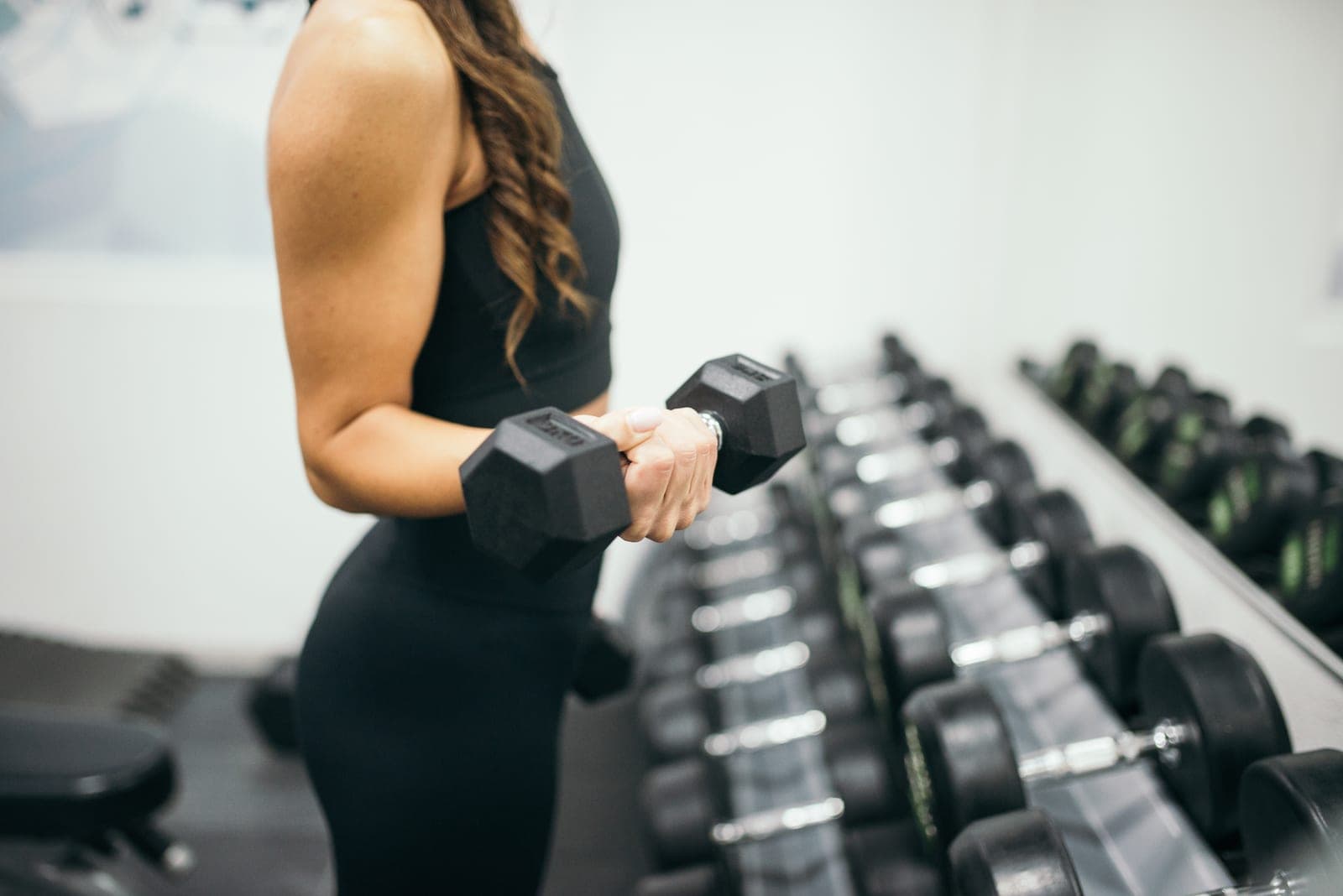
Fitness
Strength and general fitness training — the foundation that supports every other sport.
Calisthenics
Bodyweight strength training — push-ups, pull-ups, dips and progressions you can do almost anywhere.
Functional Fitness
Varied, whole-body training built around everyday movement patterns like squatting, lifting and carrying.
Related techniques
Push-Up
A bodyweight exercise that lowers and raises the body by bending and straightening the arms while holding a rigid plank line.
Plank
A static core exercise that holds the body in a straight line supported on the forearms and toes.
Deadlift
A strength exercise that lifts a loaded barbell from the floor to a standing position by extending the hips and knees together.
Explore across the knowledge base
Follow the threads that connect Bodyweight Squat to the rest of SocialSportHub.
Disciplines
Exercises
- SquatA foundational lower-body movement where you bend at the hips and knees to lower down and stand back up.
- Hip hingeThe foundational bending-at-the-hips pattern that underpins deadlifts, swings and picking things up.
- Hip thrustA loaded hip-extension exercise with your upper back on a bench and a weight across the hips.
Go deeper with Bodyweight Squat
Everywhere else on the platform that covers Bodyweight Squat — assembled from what actually references it, so nothing here is a dead end.
Take it away
Open data and the whole-platform view of this subject.
How this page is maintained
- Content type
- Technique
- Provenance
- Tier A — evergreen educational
- Verified external sources
- 0
- Content updated
- 2026-09-12
Evergreen, first-party explanation — it makes no claim that needs an external source. How we handle sources and reviews.