
Hinge
A hip-dominant pattern: bend forward at the hips with a flat back, minimal knee bend, then drive the hips tall — powers pulling from the floor and jumping.
Overview
The hinge is the body's hip-dominant pattern. The hips travel backward as the torso folds forward around the hip joints, the knees bending only slightly, and then the hips drive forward to bring the body back to standing tall. Throughout, the spine stays braced in a roughly neutral, flat position, so the movement happens almost entirely at the hip rather than in the lower back or the knees. This is what separates the hinge from the knee-dominant squat: in a squat the knees travel forward and the torso stays more upright, whereas in a hinge the shins stay relatively vertical and the hips move through a long arc behind the heels.
Because the prime movers are the hip extensors — the glutes and hamstrings — supported by the spinal erectors that hold the back flat and the grip and upper back that carry any external load, the hinge is the foundation of the posterior chain. It shows up whenever the body picks a load up off the floor (the deadlift, and the first pull of a clean), when it produces ballistic hip drive (the kettlebell swing), and in the loading and takeoff of jumps and sprints, where flexing and then explosively extending the hips generates power. It also drives the rowing stroke and the low, powerful positions of contact sport.
What defines it
- Hip-dominant motion: the hips flex and extend to drive the movement, travelling back to load and forward to finish, while the knees bend only a little — the opposite emphasis to the knee-dominant squat.
- Braced, neutral spine: the torso folds forward as one rigid unit hinged at the hip, without rounding or arching, so the load passes through the hips rather than the lower back.
- Posterior chain engine: the glutes and hamstrings extend the hip, the spinal erectors keep the back flat, and in loaded versions the grip, forearms and upper back hold the external load.
- Grind and ballistic expressions: slow, heavy hinges such as the deadlift and Romanian deadlift build maximal pulling strength, while fast, explosive hinges such as the kettlebell swing and a jump takeoff build power.
- Athletic power position: the hinge is how the body pulls weight from the floor and how it generates the vertical and horizontal drive behind jumping, sprinting and contact.
Athletic movements built on it
Cross-sport movements that use this pattern as a base.
A note on this information
Exercises that train the hinge
Movements built on this pattern — educational examples, not a prescription.
Hip hinge
The foundational bending-at-the-hips pattern that underpins deadlifts, swings and picking things up.
Deadlift
A hinge movement where you lift a weight from the floor by driving your hips forward to stand tall.
Romanian deadlift
A hinge variation focused on the back of the legs, lowering the weight without returning it to the floor.
Kettlebell swing
A dynamic hinge where you swing a kettlebell to shoulder height using a snap of the hips.
Sports techniques that use it
How the movement shows up in the specific techniques of a sport.
Sports that rely on it
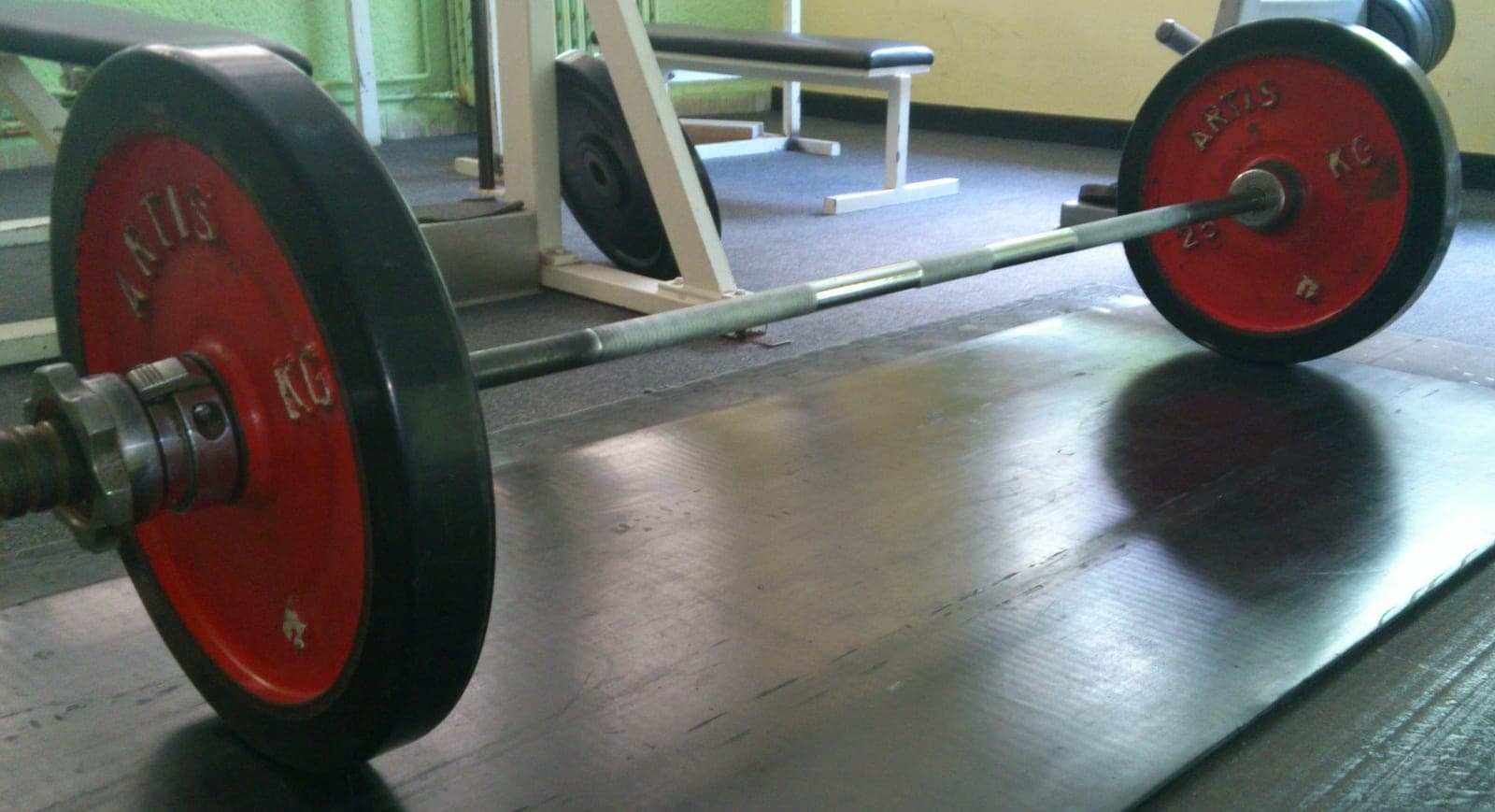
Weightlifting
A technical strength sport built around lifting a loaded barbell overhead with speed and control.
Powerlifting
A strength sport focused on lifting the heaviest weight you can across the squat, bench press and deadlift.
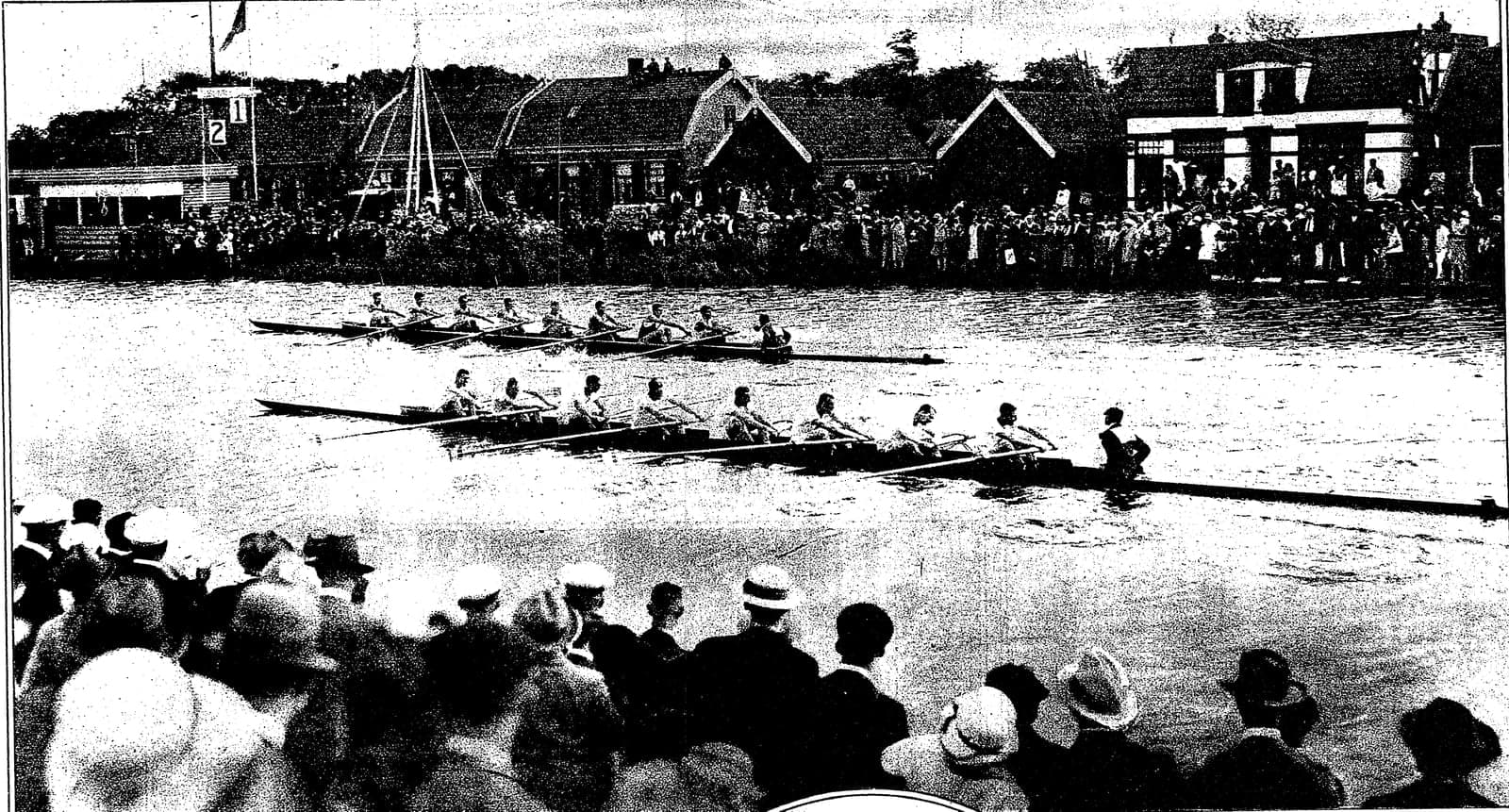
Rowing
A rhythmic, full-body endurance sport on the water or on an indoor machine.
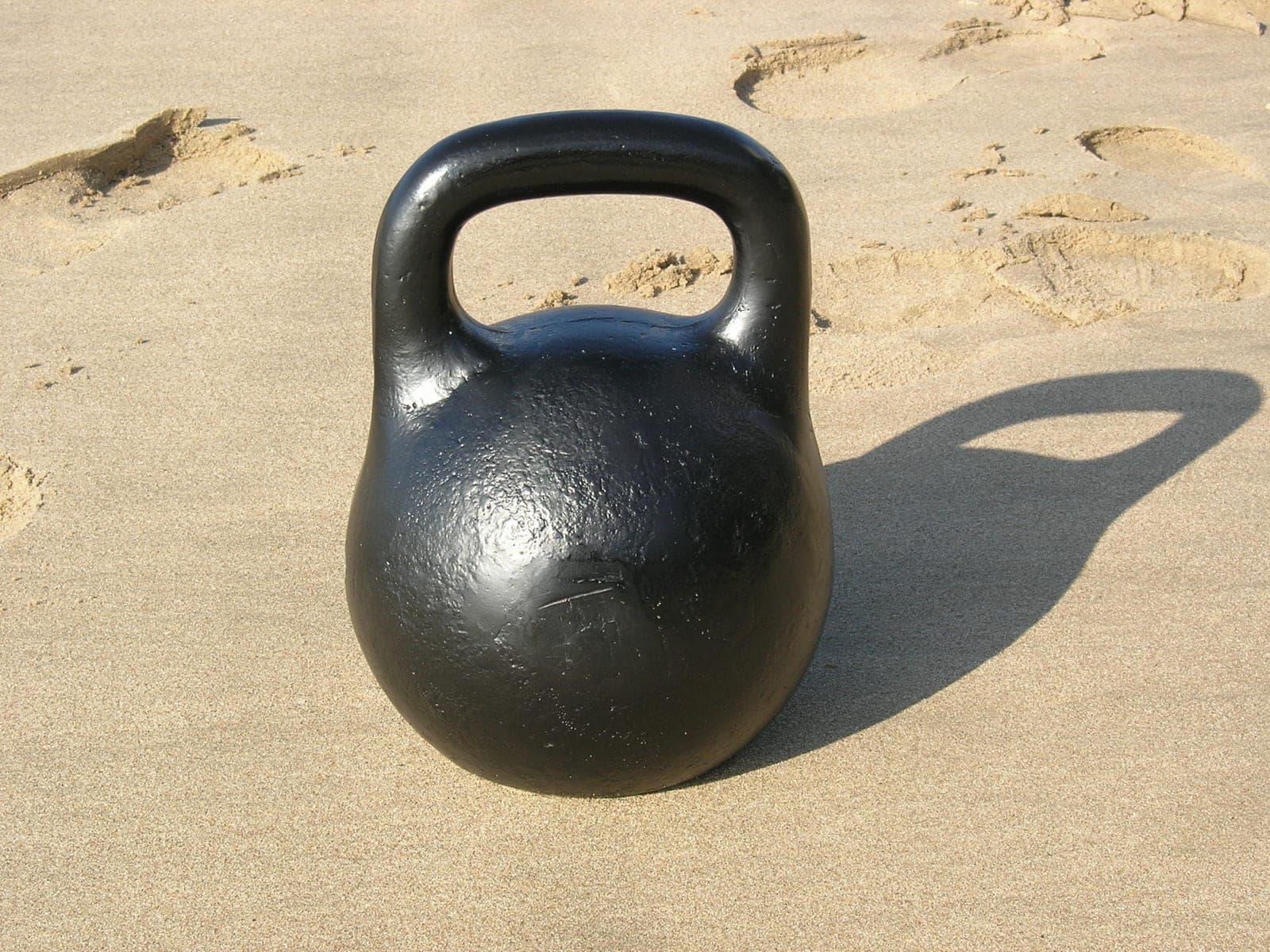
Functional Fitness
Varied, whole-body training built around everyday movement patterns like squatting, lifting and carrying.
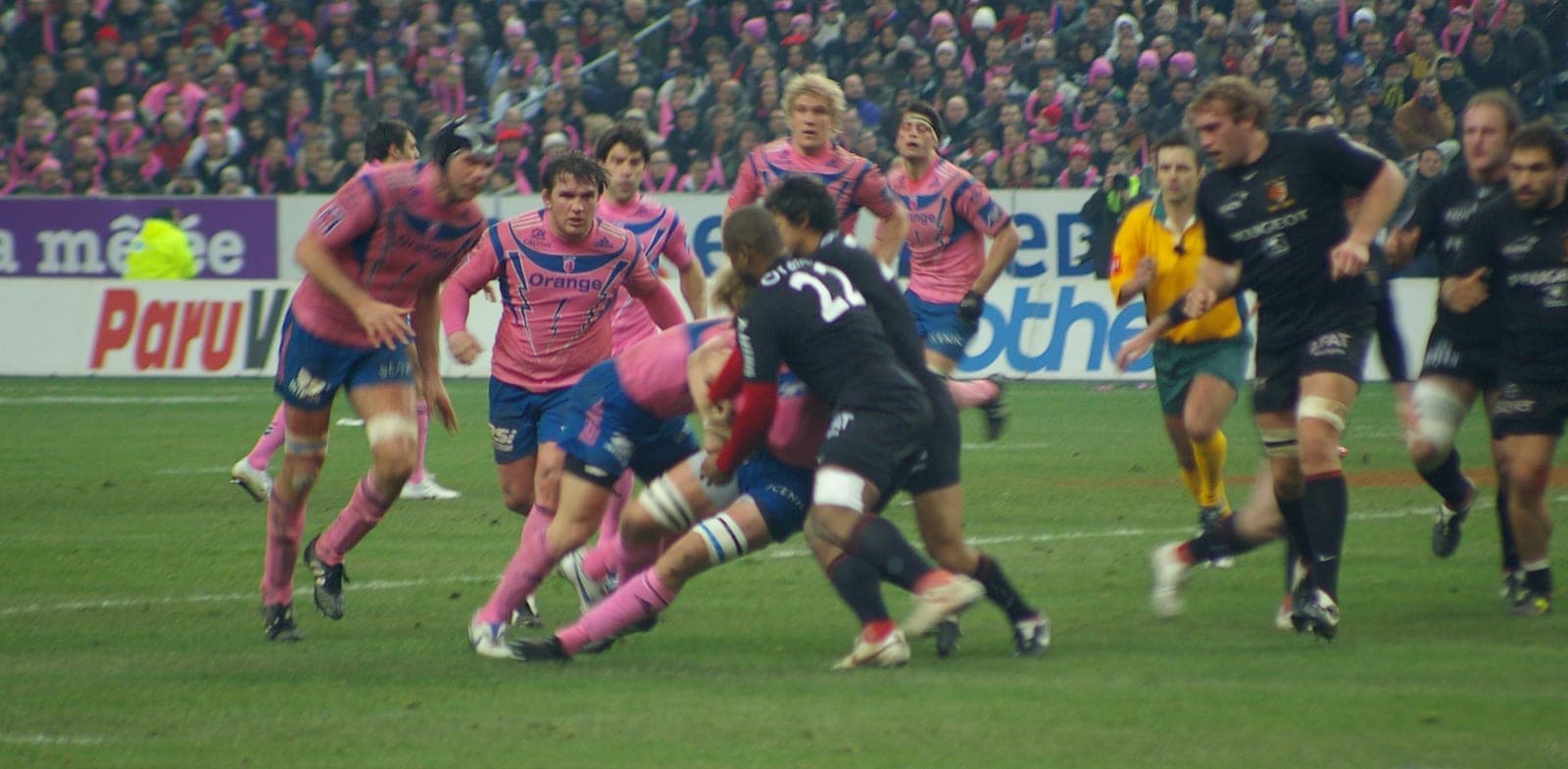
Rugby
A physical team sport of carrying, passing and kicking an oval ball toward the opposing line.
American Football
A strategic, position-based team sport of set plays, sprinting and coordinated teamwork on a marked field.
Bodybuilding
Resistance training focused on building muscle size, symmetry and definition through consistent effort.
Compare hinge with…
Movements it is often confused with — see exactly how they differ.
How it connects
The meaning-bearing relationships that place Hinge in the wider knowledge graph — each one with the reason it exists.
Foundation of
These build directly on this one.
Explore across the knowledge base
Follow the threads that connect Hinge to the rest of SocialSportHub.
Movement comparisons
- Hinge vs LungeHinge vs Lunge: how these two movements differ, what they share, and how to tell them apart — from mechanics to the sports that use them.
- Hinge vs SquatHinge vs Squat: how these two movements differ, what they share, and how to tell them apart — from mechanics to the sports that use them.
- Pull vs PushPull vs Push: how these two movements differ, what they share, and how to tell them apart — from mechanics to the sports that use them.
- Push vs StrikePush vs Strike: how these two movements differ, what they share, and how to tell them apart — from mechanics to the sports that use them.
- Push vs ThrowPush vs Throw: how these two movements differ, what they share, and how to tell them apart — from mechanics to the sports that use them.
Sports science
Knowledge Atlas
Training methods
- Strength TrainingStrength training uses resistance — bodyweight, bands or weights — to challenge your muscles so they gradually adapt and get stronger over time.
- PlyometricsPlyometrics are jumping and bounding drills that train muscles to produce force quickly, developing power and springiness through explosive movement.
- Progressive OverloadProgressive overload is the principle of gradually increasing the demand you place on your body so it keeps adapting and improving over time.
- Mobility TrainingMobility training works on moving your joints actively through their full range, combining control and flexibility so movement feels free and easy.
Goals
- Build muscleChallenge your muscles with regular resistance training and steady recovery to build strength over time.
- Improve fitnessBuild well-rounded fitness — stamina, strength and more — through regular, varied activity you can keep up.
- Healthy agingStay active, steady and independent as you get older with a sustainable mix of gentle cardio, strength and balance work.
- Build an active lifestyleMake movement a natural, lasting part of daily life through activities and habits you genuinely enjoy.
Go deeper with Hinge
Everywhere else on the platform that covers Hinge — assembled from what actually references it, so nothing here is a dead end.
Take it away
Open data and the whole-platform view of this subject.
How this page is maintained
- Content type
- Movement pattern
- Provenance
- Tier A — evergreen educational
- Verified external sources
- 0
- Content updated
- 2026-07-13
Evergreen, first-party explanation — it makes no claim that needs an external source. How we handle sources and reviews.