
Improve balance
Train steadiness and control at any age with simple, progressive balance practice done safely.
How sport helps
Balance is your ability to keep steady and controlled, whether you're standing still or moving. It relies on your muscles, senses and coordination working together, and it plays a part in almost every sport and everyday task.
Balance can be trained at any age with regular practice. Simple, progressive challenges — like standing on one leg or moving on an unstable surface — help your body get better at staying stable.
- Activities like yoga, tai chi and paddleboarding challenge your stability, which can help train balance over time.
- Practising controlled movements and holding positions strengthens the muscles and reflexes that keep you steady.
- Balance-focused sports also tend to build core strength and coordination, which support stability.
- Regular practice can help you feel more confident and steady in both sport and daily life.
Getting started
- 1Try simple balance drills, like standing on one leg, near a wall or sturdy support for safety.
- 2Progress gradually — for example, holding longer or reducing how much you hold on.
- 3Include activities that challenge stability, such as yoga or tai chi, in your routine.
- 4If you have dizziness, a balance disorder or a medical condition, consider checking with a doctor first.
Good sports for this goal
Great places to start — each with a clear, beginner-friendly guide.
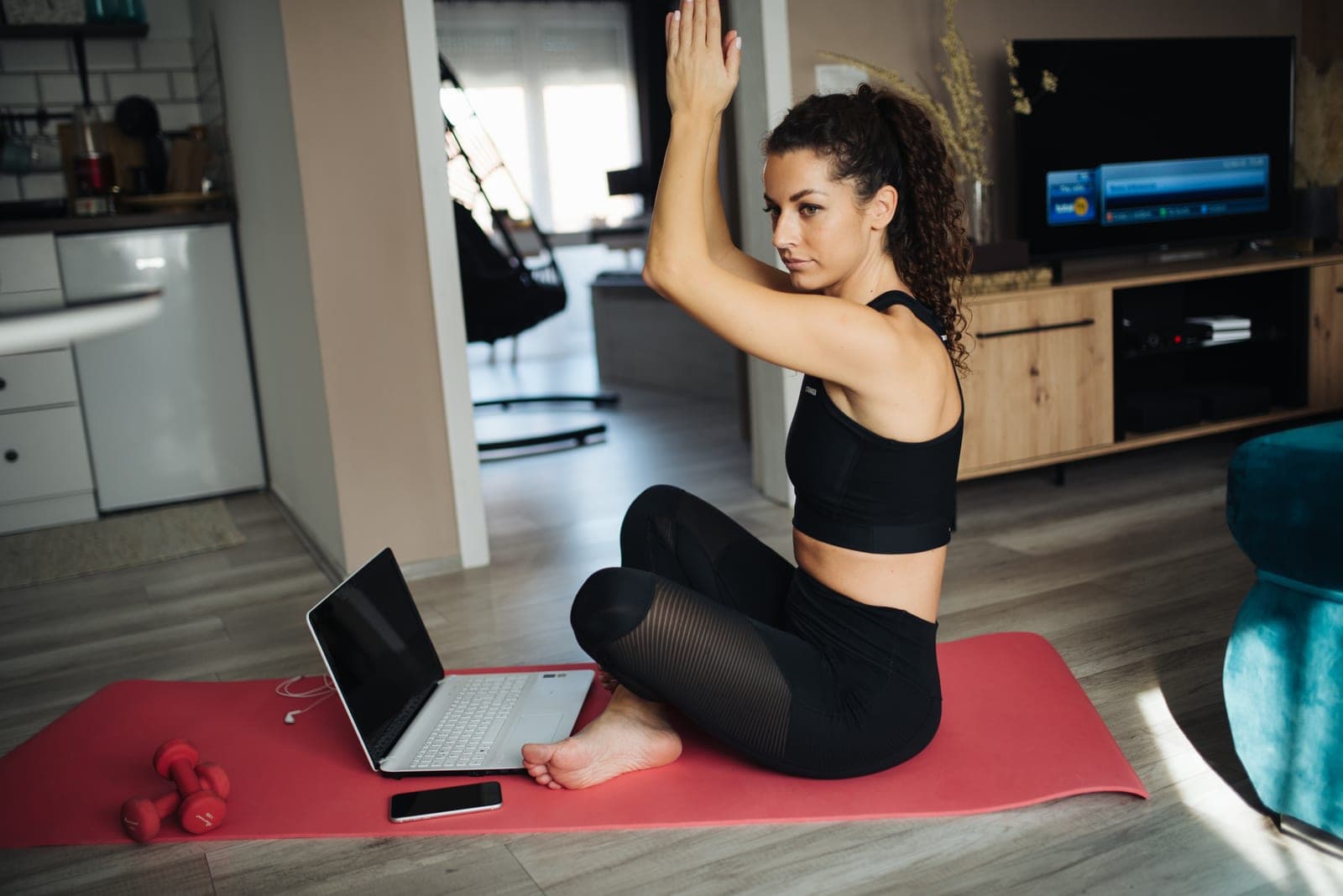
Yoga
A mind-body practice that links postures, breathing and focus to build flexibility, strength and calm.
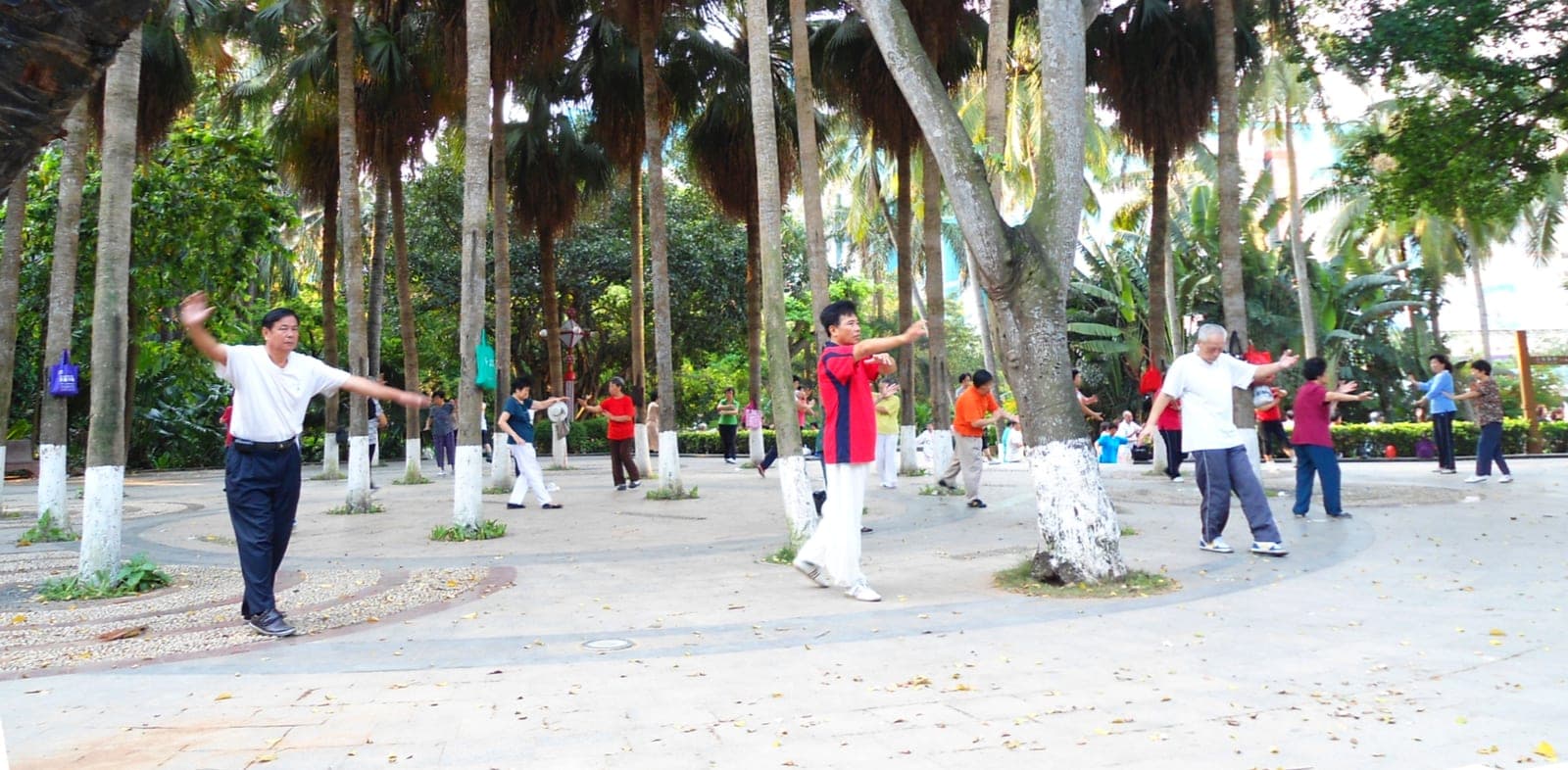
Tai Chi
A gentle mind-body practice of slow, flowing movements that builds balance, mobility and calm.
Pilates
A low-impact mind-body method that builds core strength, control and posture through precise, controlled movement.
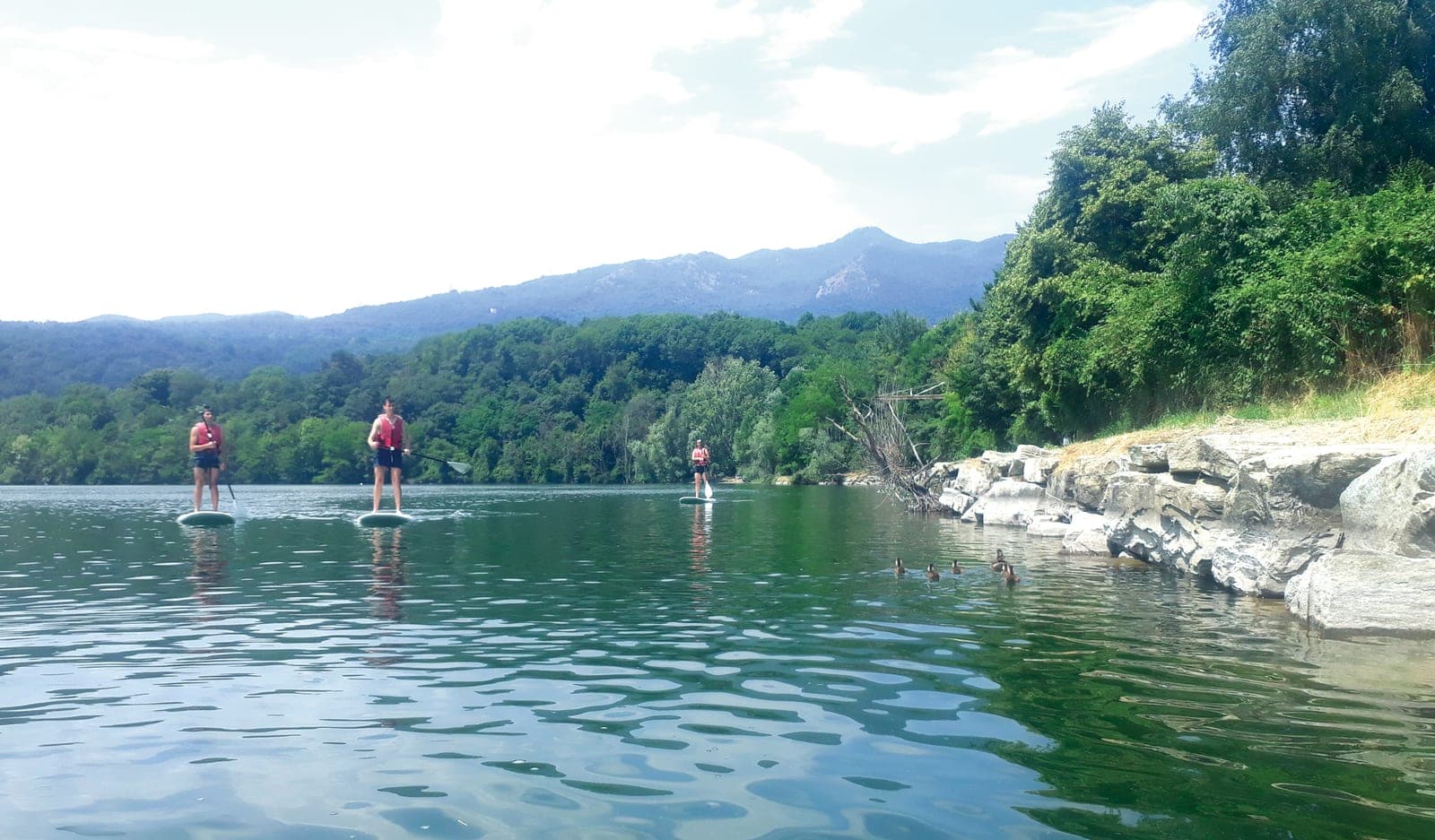
Stand-Up Paddleboarding
A calm, accessible paddle sport where you stand on a wide board and propel yourself with a single long paddle.
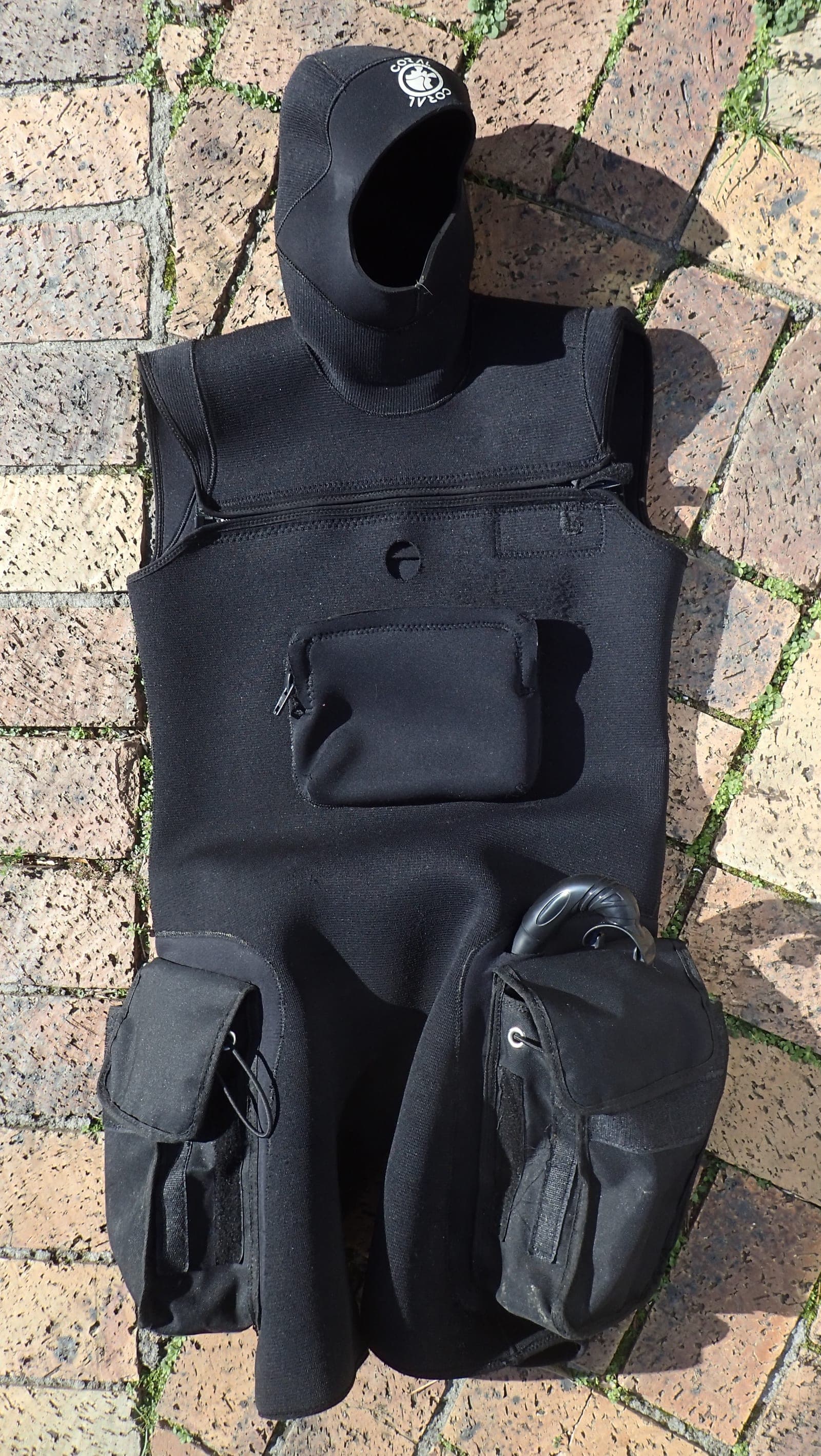
Surfing
An ocean board sport of paddling into waves and riding them toward shore, balancing skill and reading the sea.
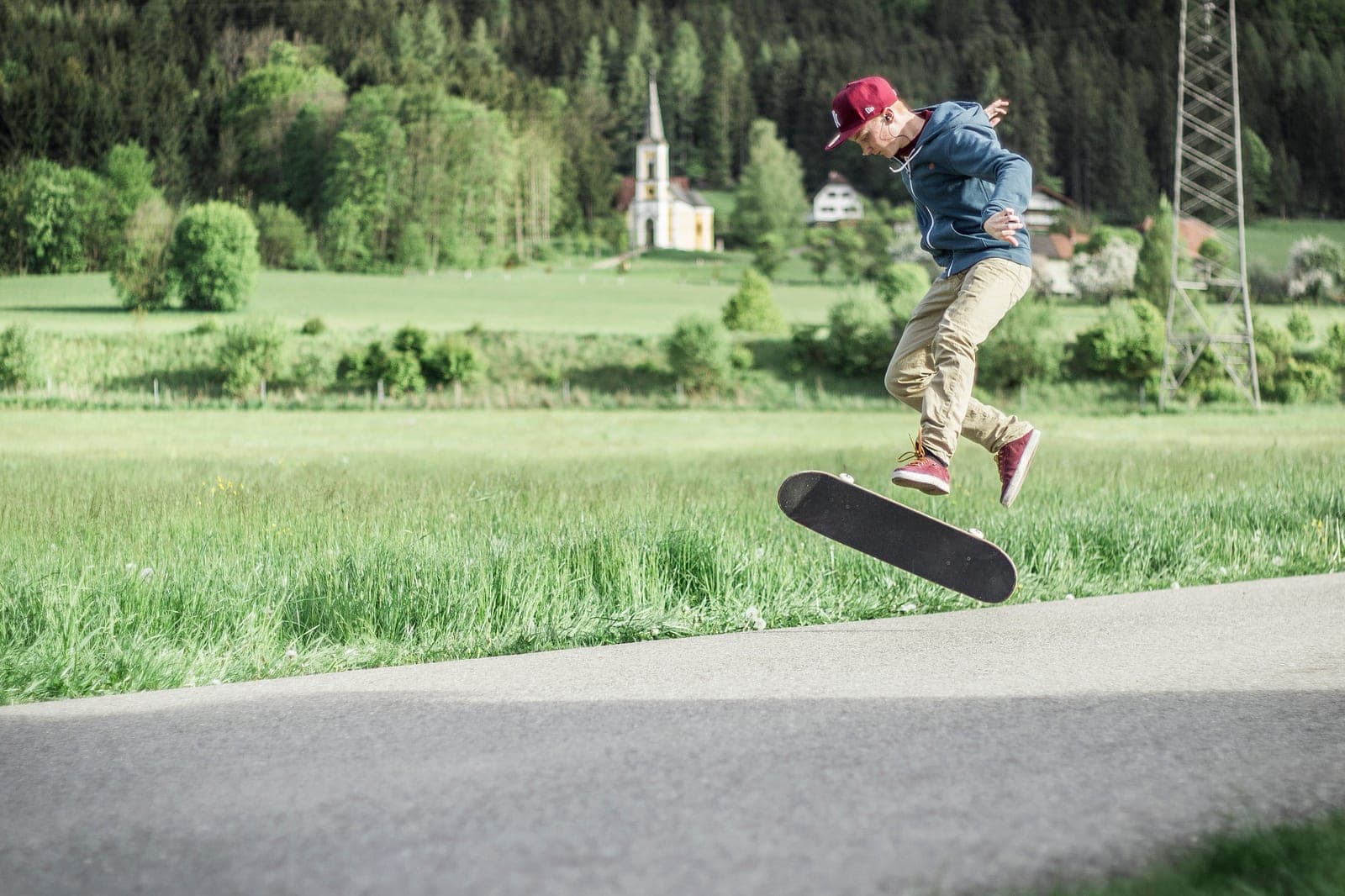
Skateboarding
A creative board sport of rolling, balancing and learning tricks on streets, paths and skateparks.
Also fits this goal
Sports beyond the shortlist above that genuinely serve this goal, each with the reason it does and what it costs you. These are editorial judgements about how a sport is typically played, not source-verified facts.
- Strong fitAikido
Turning, pivoting, falling safely and getting up again are the basic vocabulary, repeated every session.
What it costs you: Learning to break-fall comes first and takes time, and it asks a fair amount of the wrists, knees and shoulders.
- Strong fitAlpine Skiing
Skiing is continuous balance against a moving surface, and edge control is the entire technique.
What it costs you: Season, travel, lift passes and hire are all real costs, and lessons are what make the first days work.
- Strong fitBarre
A great deal of the class is single-leg and supported-standing work, held rather than moved through.
What it costs you: The barre itself is the support; at home without one the same sequences are considerably harder.
- Strong fitFigure Skating
Everything happens on a blade a few millimetres wide, so edge control and balance are the sport rather than a by-product of it.
What it costs you: Falling is a routine part of learning, and the jumps and landings later on are high-impact.
- Strong fitHorse Riding
Staying in balance with a moving animal is the fundamental skill, and it cannot be muscled — it has to be learned.
What it costs you: It is taught in paid lessons at a yard, it is among the more expensive sports here, and working around a large animal carries risks the school will brief you on.
- Strong fitIce Skating
A blade a few millimetres wide is the whole contact with the ice, so balance is not a by-product but the skill itself.
What it costs you: Falling is part of learning, and rink time is booked and paid for.
- Strong fitSnowboarding
Both feet are fixed to one board, so every turn is a whole-body weight shift with nothing to step onto.
What it costs you: The first days involve a lot of falling, and season, travel and hire costs all apply before any of it starts.
- Strong fitWakeboarding
Standing on a board being pulled across moving water is continuous balance work against a constant pull.
What it costs you: The first sessions are mostly falling, which is tiring and takes some patience.
- Strong fitWindsurfing
The whole sport is balancing on a moving board while a sail pulls against you, so nothing about it is static.
What it costs you: That also makes it tiring and slow to learn — expect several sessions before it feels controllable.
Train for it
Exercises and methods that build what this goal needs — educational, not a prescription.
Squat
A foundational lower-body movement where you bend at the hips and knees to lower down and stand back up.
Goblet squat
A squat variation where you hold a single weight close to your chest for balance and control.
Lunge
A single-leg movement where you step forward and bend both knees to lower your body.
Bulgarian split squat
A single-leg squat where the back foot is raised on a bench behind you.
Step-up
A movement where you step up onto a raised platform one leg at a time and step back down.
Hip hinge
The foundational bending-at-the-hips pattern that underpins deadlifts, swings and picking things up.
Frequently asked questions
Can balance be improved at any age?
Yes — balance responds to practice throughout life, and many people work on it into older age. Regular, progressive practice is generally the key, and it can be done safely with support nearby.
What activities help improve balance?
Practices like yoga, tai chi, pilates and board sports challenge your stability and are often used to train balance. Simple drills at home, done safely, can help too.
Why is balance important?
Good balance supports steady, controlled movement in sport and everyday life, and it works alongside coordination and core strength to help you move confidently.
Related goals
Improve coordination
Sharpen how smoothly your body works together — like tracking and hitting a ball — through skill practice.
Improve mobility
Move your joints more freely and comfortably through their natural range with regular, gentle practice.
Healthy aging
Stay active, steady and independent as you get older with a sustainable mix of gentle cardio, strength and balance work.
Who & where this fits
This goal fits all kinds of people and lifestyles.
How it connects
The meaning-bearing relationships that place Improve balance in the wider knowledge graph — each one with the reason it exists.
Achieved through
Routes people take towards this goal.
- YogaYoga is one of the sports listed under the “Improve balance” goal.
- Tai ChiTai Chi is one of the sports listed under the “Improve balance” goal.
- PilatesPilates is one of the sports listed under the “Improve balance” goal.
- Stand-Up PaddleboardingStand-Up Paddleboarding is one of the sports listed under the “Improve balance” goal.
- SurfingSurfing is one of the sports listed under the “Improve balance” goal.
Explore across the knowledge base
Follow the threads that connect Improve balance to the rest of SocialSportHub.
Recommendations
- Recommended for “Improve balance”Sports, qualities, a learning path and first steps for “Improve balance” — every suggestion a real graph link, shown with its reason.
- Recommended for “Improve mobility”Sports, qualities, a learning path and first steps for “Improve mobility” — every suggestion a real graph link, shown with its reason.
- Recommended for “Improve coordination”Sports, qualities, a learning path and first steps for “Improve coordination” — every suggestion a real graph link, shown with its reason.
Movement patterns
- JumpThe plyometric pattern of projecting the body off the ground through explosive triple extension and controlling the landing — the core expression of lower-body power.
- LungeA split-stance, single-leg-emphasis pattern: stepping or dropping into a staggered stance and pushing back up to build single-leg strength, balance and stability.
Coaching concepts
- Feedback and CueingFeedback from your senses, a coach, or video plus short instructional cues guide skill learning — including internal vs external focus of attention.
- ProgressionBuilding skill and training load in gradual, manageable steps so each stage prepares the next, moving from simple to complex and easy to hard.
How this page is maintained
- Content type
- Life goal
- Provenance
- Tier A — evergreen educational
- Verified external sources
- 0
- Content updated
- 2026-09-22
Evergreen, first-party explanation — it makes no claim that needs an external source. How we handle sources and reviews.