
Cool-down
A cool-down is a period of light activity done after exercise to gradually bring the body back towards rest.
Definition
A cool-down is the gentle wind-down at the end of a session, where you slow the activity right down instead of stopping suddenly. It usually means a few minutes of easy movement, such as a slow jog or walk, sometimes followed by gentle stretching, letting your heart rate and breathing settle.
Cooling down is used in many sports and gym routines as the natural closing phase of a workout, mirroring the warm-up at the start. Treating it as part of the session helps the transition from full effort back to normal feel smooth and unhurried.
Where you’ll hear “cool-down”
Sports that use this term:

Running
The most accessible endurance sport — no venue, just shoes and the open road or trail.

Cycling
A low-impact endurance sport that doubles as transport, exercise and adventure.
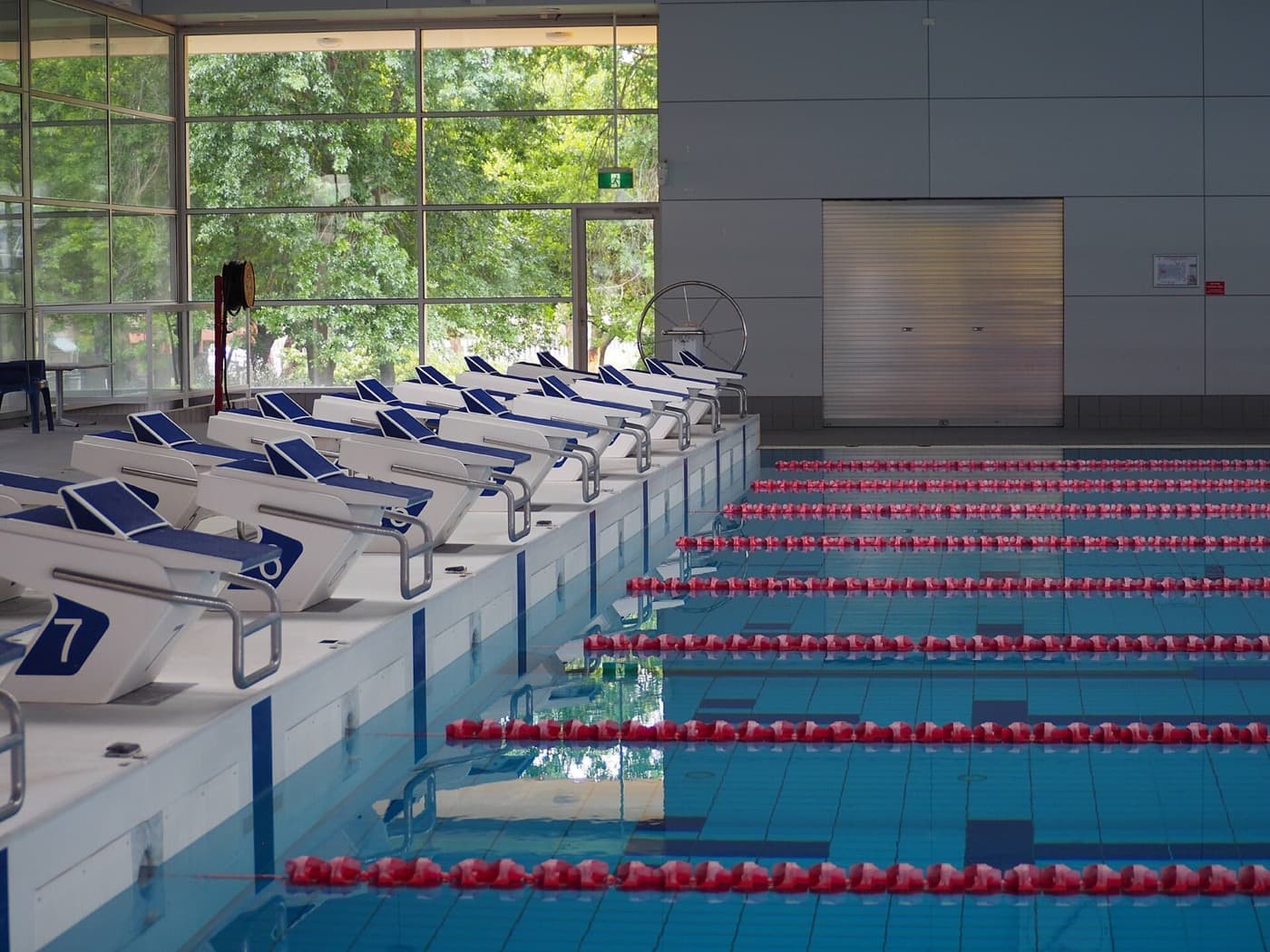
Swimming
A full-body, low-impact endurance sport suitable for almost every age and ability.
Explore across the knowledge base
Follow the threads that connect Cool-down to the rest of SocialSportHub.
Beginner guides
- How to Prepare for Your First SessionA calm, practical walkthrough of getting ready for your very first session of any sport — arriving prepared, easing the nerves, and setting one small, realistic aim.
- Common Beginner Mistakes (And How to Relax About Them)The early wobbles almost everyone makes when starting a new sport — and why each one is normal, harmless, and easy to ease past.
- Building a Sustainable Routine as a BeginnerHow to turn a new sport into a lasting habit by starting small, valuing consistency over intensity, and building in rest and flexibility so your routine survives real life.
- Beginner Sports Terminology: Making Sense of the WordsEvery sport comes with its own vocabulary, and this guide shows you how to stay relaxed about the words you don't know yet, lean on the glossary, and pick up the language naturally as you go.
Facilities
Playing surfaces
- Synthetic trackAn all-weather rubberised athletics running surface — firm, springy and high-grip — giving sprinters and distance runners fast, consistent, predictable footing.
- SandLoose beach sand: a soft, shifting, energy-sapping surface with no true bounce that rewards balance and footwork, used for beach sports and conditioning.
- GravelLoose crushed stone over a firm base — an unpaved middle ground between smooth road and rough trail, ridden and run for variable grip and steady pace.
- WaterThe medium for aquatic sport — pool or open water that supports the body with buoyancy and resists movement with drag rather than giving footing.
- MatA cushioned, padded mat surface for grappling, striking and floor work — it absorbs falls and throws and grips underfoot, cushioning grappling, throws and floor work.
Training methods
- Interval TrainingInterval training alternates short bursts of harder effort with easier recovery periods, letting you accumulate more quality work than a single continuous push.
- Steady-State CardioSteady-state cardio means holding one comfortable, continuous pace for the whole session, building an aerobic base without the peaks of interval work.
- High-Intensity Interval Training (HIIT)High-intensity interval training, or HIIT, packs short, hard efforts against brief recoveries into a compact session, making it a time-efficient way to train.
- Tempo TrainingTempo training holds a firm, controlled 'comfortably hard' pace for a sustained stretch, teaching the body to sustain effort without tipping into a sprint.
- FartlekFartlek — Swedish for 'speed play' — mixes faster and easier efforts freely and by feel within one continuous session, blending steady and interval work.
Go deeper with Cool-down
Everywhere else on the platform that covers Cool-down — assembled from what actually references it, so nothing here is a dead end.
Take it away
Open data and the whole-platform view of this subject.
How this page is maintained
- Content type
- Term
- Provenance
- Tier A — evergreen educational
- Verified external sources
- 0
- Content updated
- 2026-09-01
Evergreen, first-party explanation — it makes no claim that needs an external source. How we handle sources and reviews.