
Fitness studio
An open indoor room used for instructor-led group fitness classes such as yoga, aerobics and indoor cycling.
Overview
A fitness studio is an open indoor space designed for group exercise classes led by an instructor. Depending on the class it may hold yoga mats, stationary bikes for indoor cycling, or simply open floor space for aerobics and bodyweight workouts.
Mirrors, a sound system and sprung or matted flooring are common features, and the room is reset for each different class.
Good to know
- Studios are flexible spaces that are set up differently for each class.
- Indoor cycling studios are filled with stationary bikes arranged to face the instructor.
- Yoga and Pilates classes typically use mats and minimal equipment.
- Mirrors help participants check their form during a class.
Where it’s used
Sports that use fitness studio:
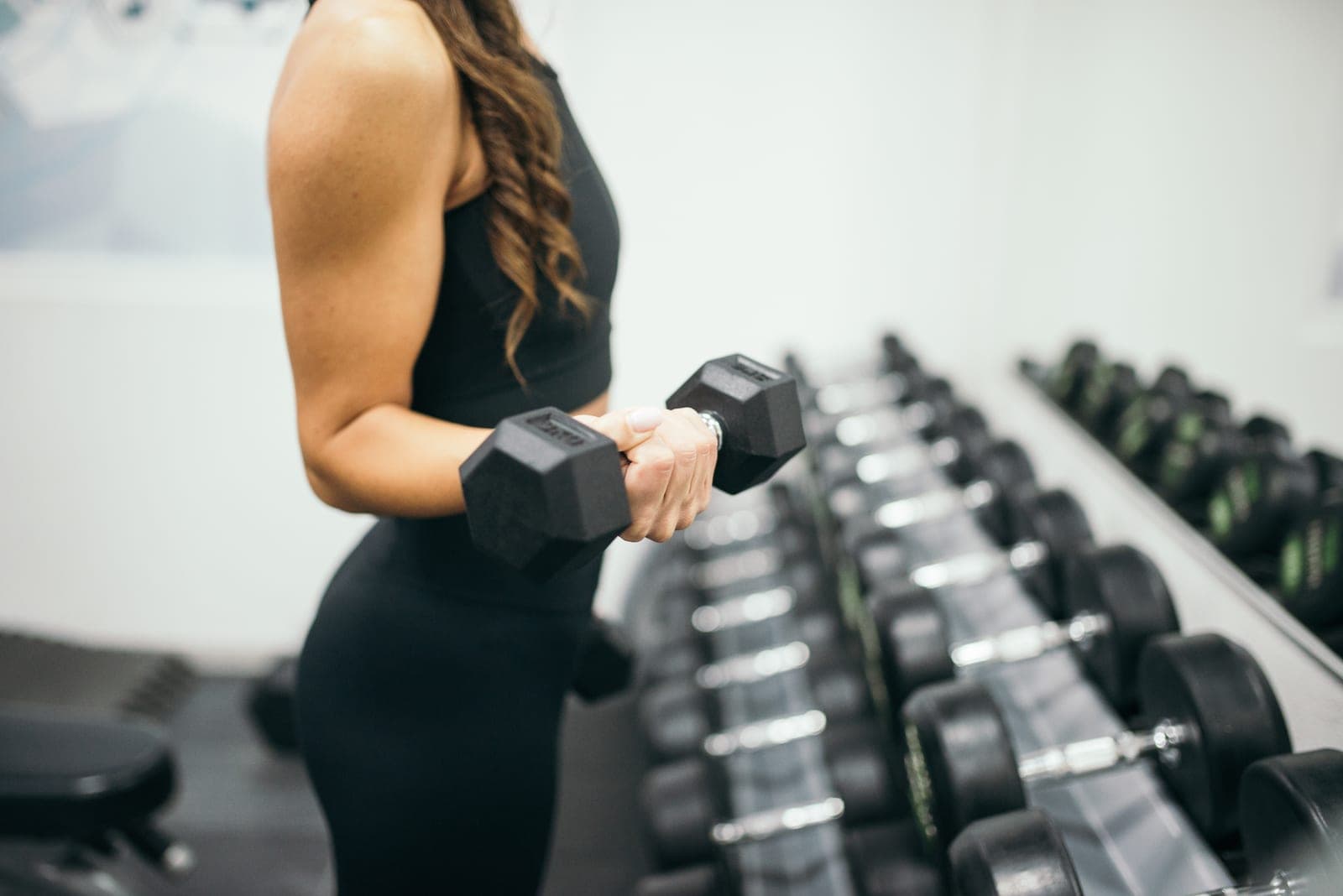
Fitness
Strength and general fitness training — the foundation that supports every other sport.
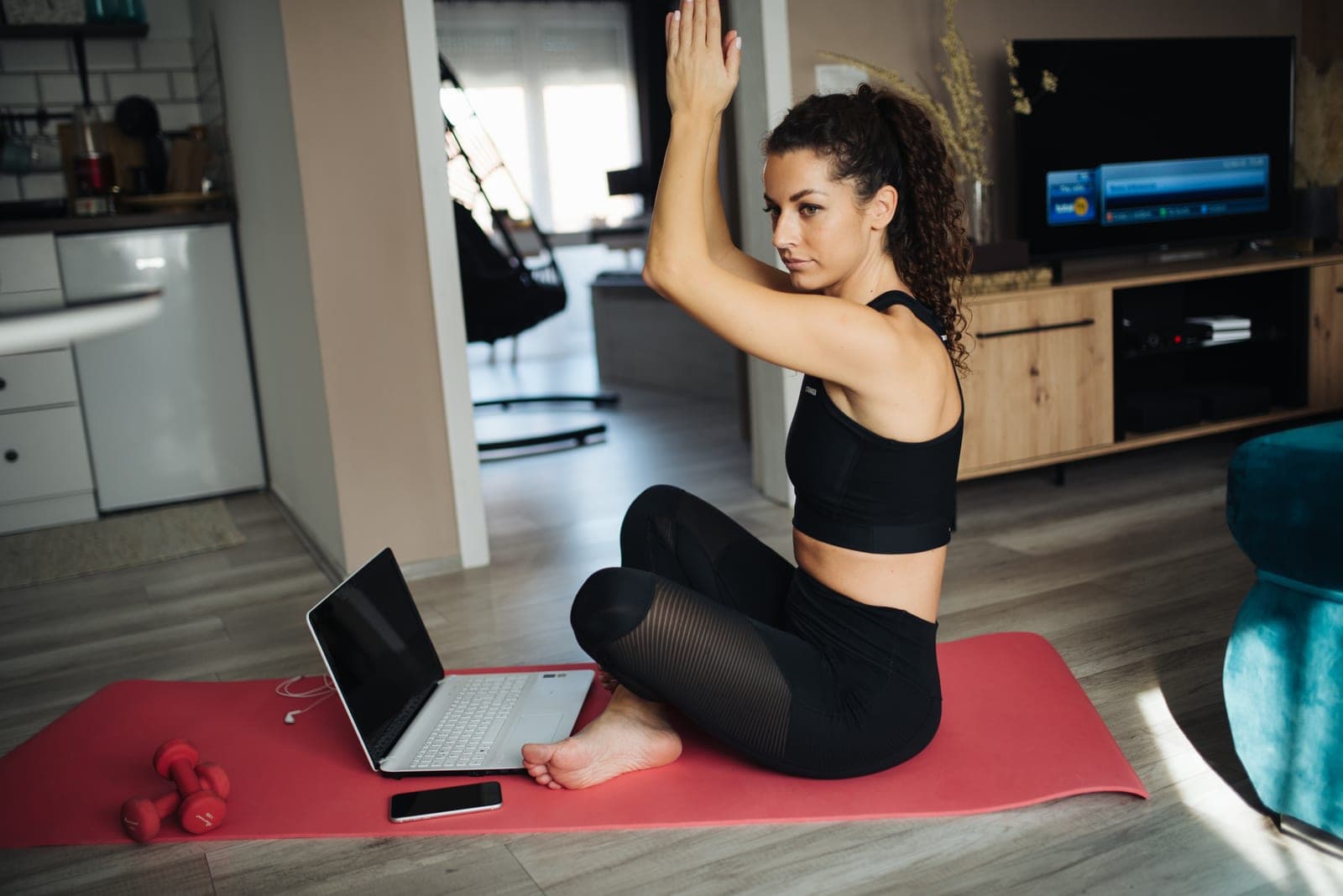
Yoga
A mind-body practice that links postures, breathing and focus to build flexibility, strength and calm.
Pilates
A low-impact mind-body method that builds core strength, control and posture through precise, controlled movement.
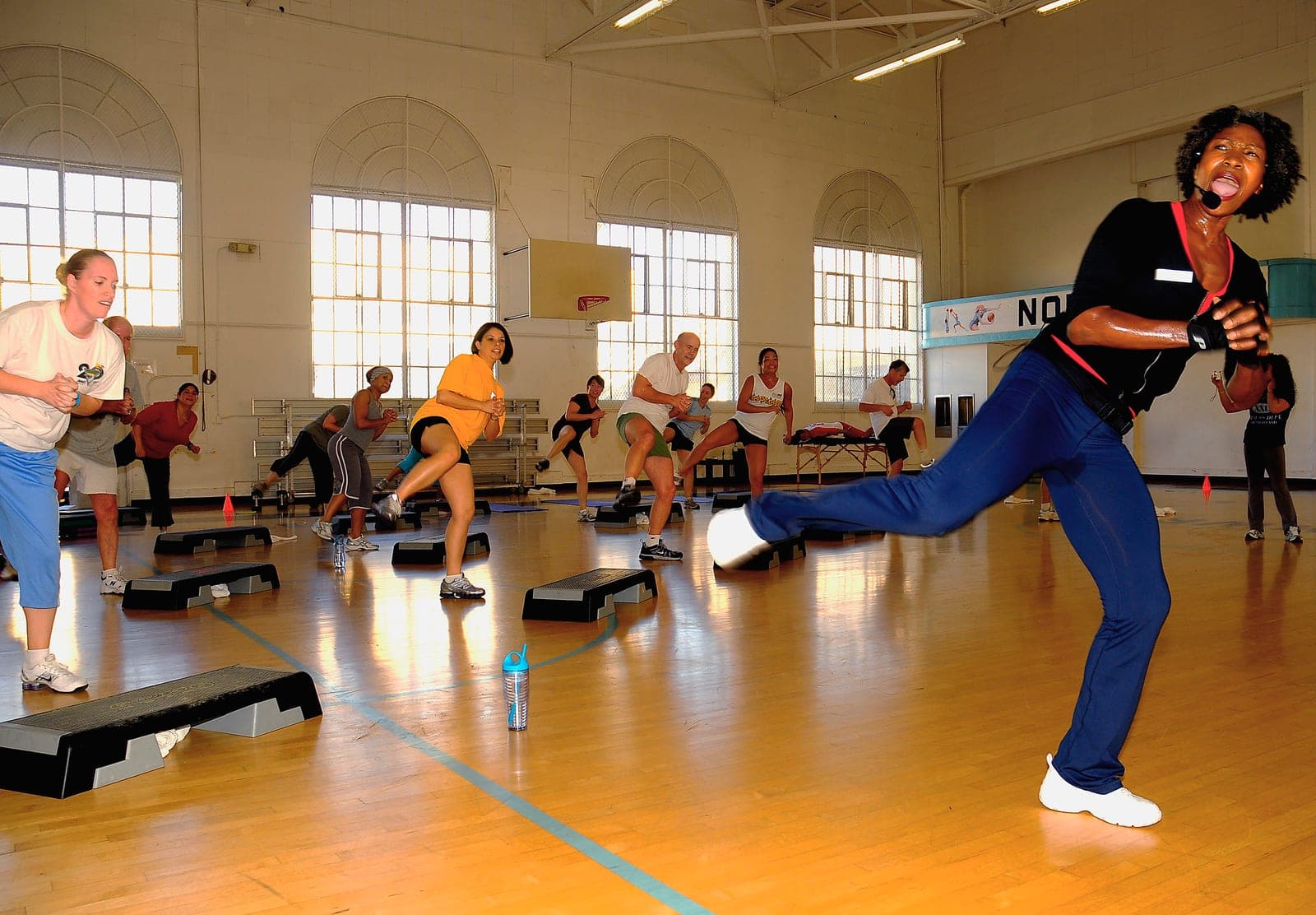
Aerobics
A rhythmic, music-led group workout that builds cardiovascular fitness through continuous movement.

Indoor Cycling
An energetic, low-impact studio workout on a stationary bike, guided by an instructor and music.
How it connects
The meaning-bearing relationships that place Fitness studio in the wider knowledge graph — each one with the reason it exists.
Frequently learned together
Taught side by side in the same stage of a learning path.
Explore across the knowledge base
Follow the threads that connect Fitness studio to the rest of SocialSportHub.
Playing surfaces
- MatA cushioned, padded mat surface for grappling, striking and floor work — it absorbs falls and throws and grips underfoot, cushioning grappling, throws and floor work.
- WoodAn indoor sprung timber or parquet floor — grippy, consistent and lightly cushioned; the classic surface for indoor court sports.
Learning paths
Beginner guides
- Your First Fitness Session: What to Expect and How to Enjoy ItA friendly, no-pressure guide to walking into your first fitness session at a gym or studio, so you know what happens and can focus on moving well rather than lifting heavy.
- How to Join a Beginner Group or ClassA warm, practical walk-through of joining a beginner sports group or class — what they are like, how to find one, and what a first session tends to feel like.
Lifestyle
Go deeper with Fitness studio
Everywhere else on the platform that covers Fitness studio — assembled from what actually references it, so nothing here is a dead end.
Learn it
Structured courses and paths on the platform that cover this directly.
How this page is maintained
- Content type
- Facility
- Provenance
- Tier A — evergreen educational
- Verified external sources
- 0
- Content updated
- 2026-09-12
Evergreen, first-party explanation — it makes no claim that needs an external source. How we handle sources and reviews.