
On a rainy day
Indoor options for wet weather — pool sessions, indoor courts, home routines and gym work when going out is off.
Overview
Rain does not have to stop play. Indoor courts, pools, gyms and your own living room offer plenty when the weather turns, from a badminton game to a home mobility routine.
A rainy day is also a good prompt to try something new indoors — a class, a swim or a bouldering wall — or to catch up on the gentler training that is easy to skip in fine weather.
What works
- Indoor courts and pools keep racquet, team and swim sports going.
- Home routines need no travel and no special weather.
- Wet days are a chance to try an indoor class or activity.
- Gentle mobility and strength work fits any indoor space.
Getting started
- 1Have a go-to indoor session ready for wet days.
- 2Check local pools, courts or gyms for drop-in sessions.
- 3Keep a short home routine you can do with no equipment.
- 4Warm up first, then use the time for skills or mobility you often skip.
Sports that fit
Great places to start — each with a clear, beginner-friendly guide.
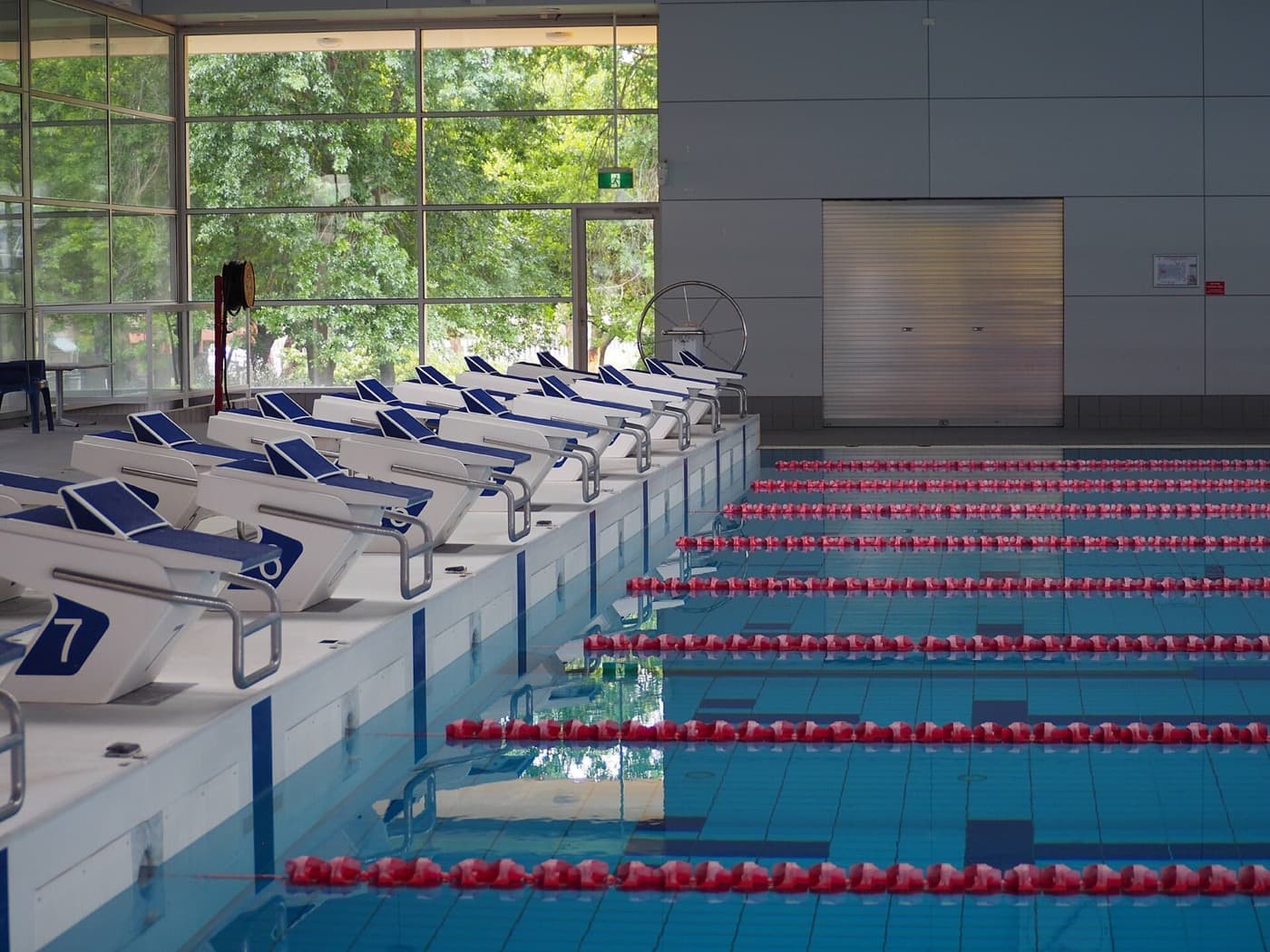
Swimming
A full-body, low-impact endurance sport suitable for almost every age and ability.
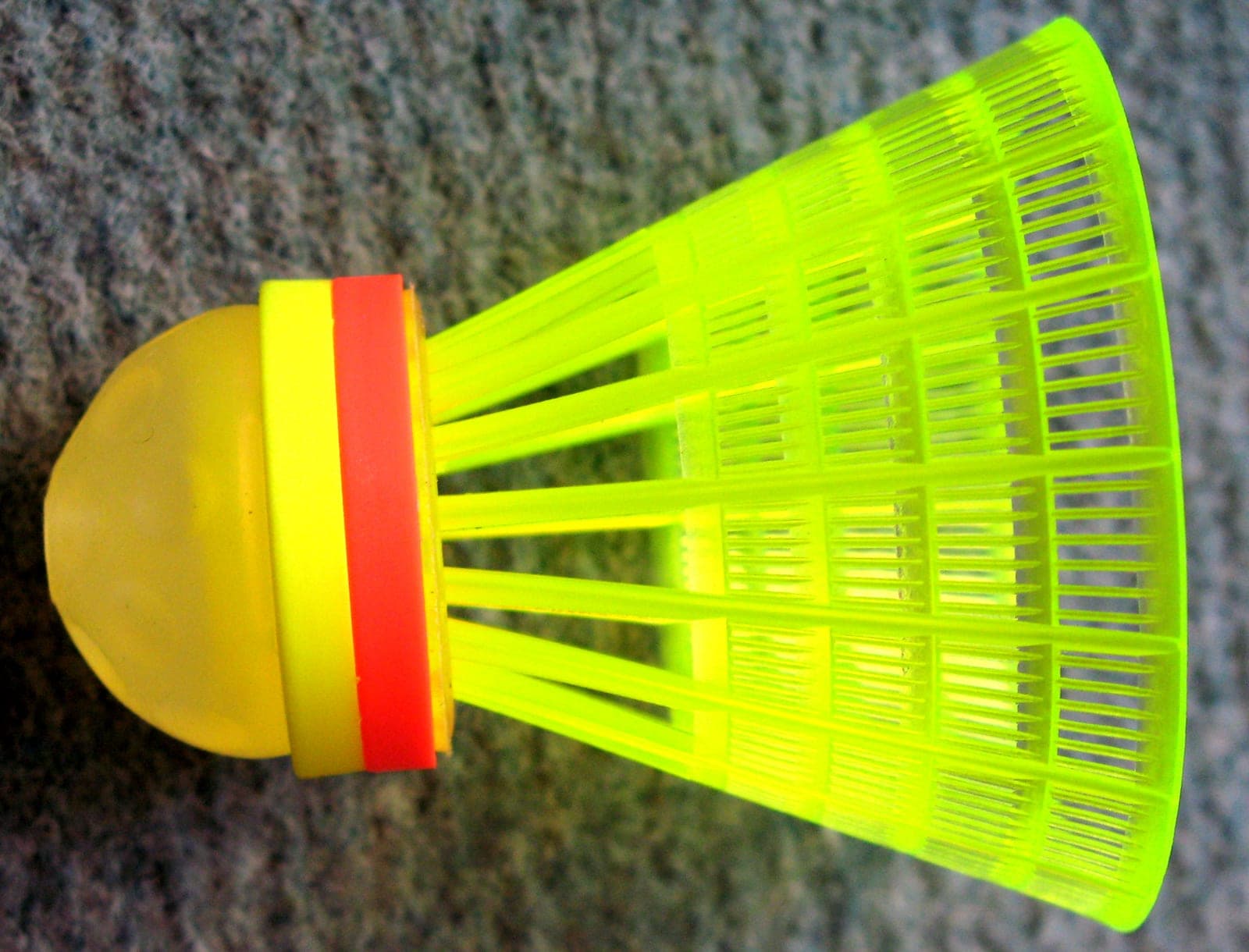
Badminton
A fast indoor racquet sport played with a shuttlecock that rewards agility and touch.
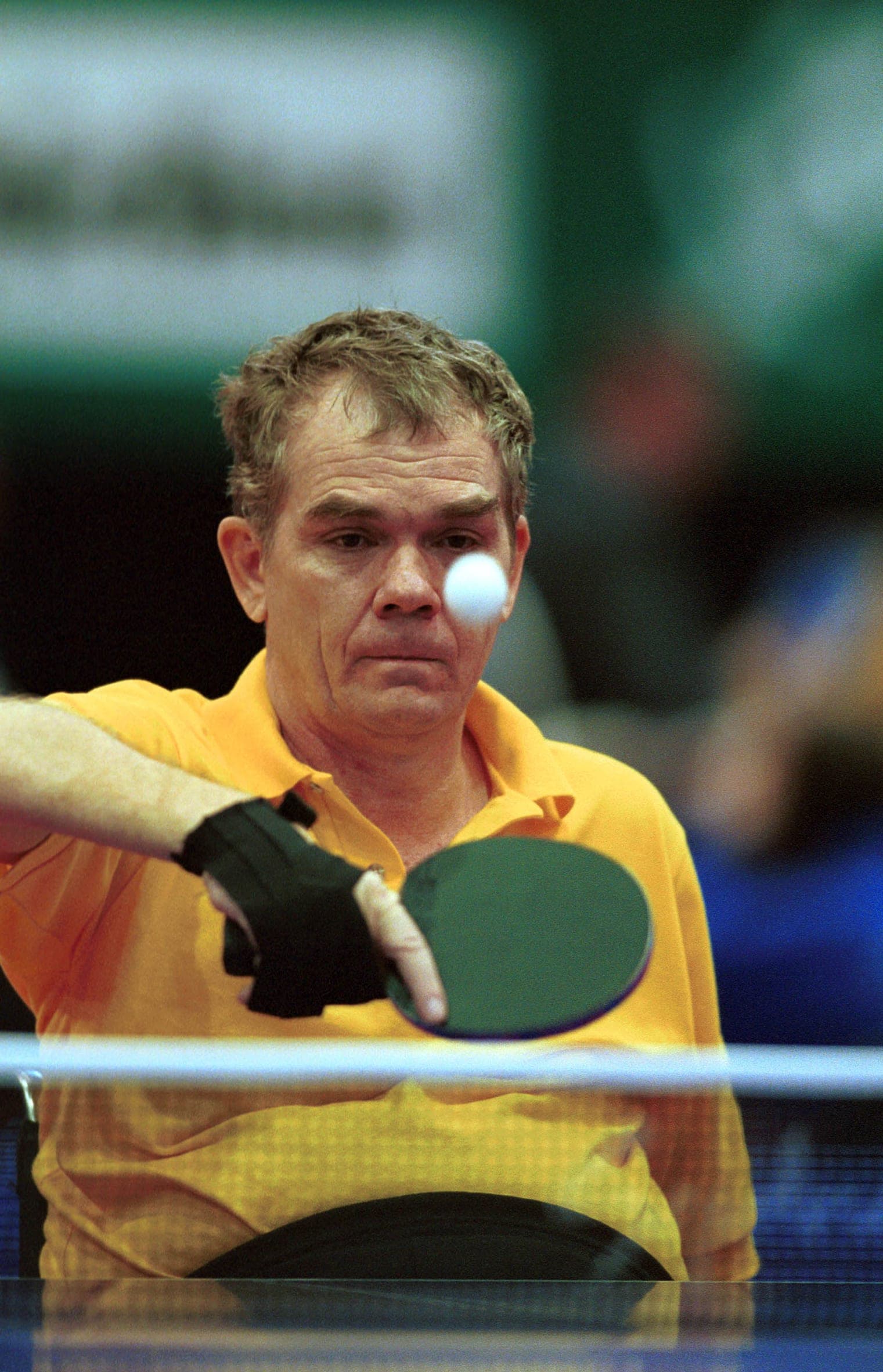
Table Tennis
A fast, low-impact indoor racquet sport that sharpens reflexes and is easy to start.
Squash
A fast, high-intensity indoor racquet sport played inside an enclosed court where the walls stay in play.
Indoor Cycling
An energetic, low-impact studio workout on a stationary bike, guided by an instructor and music.
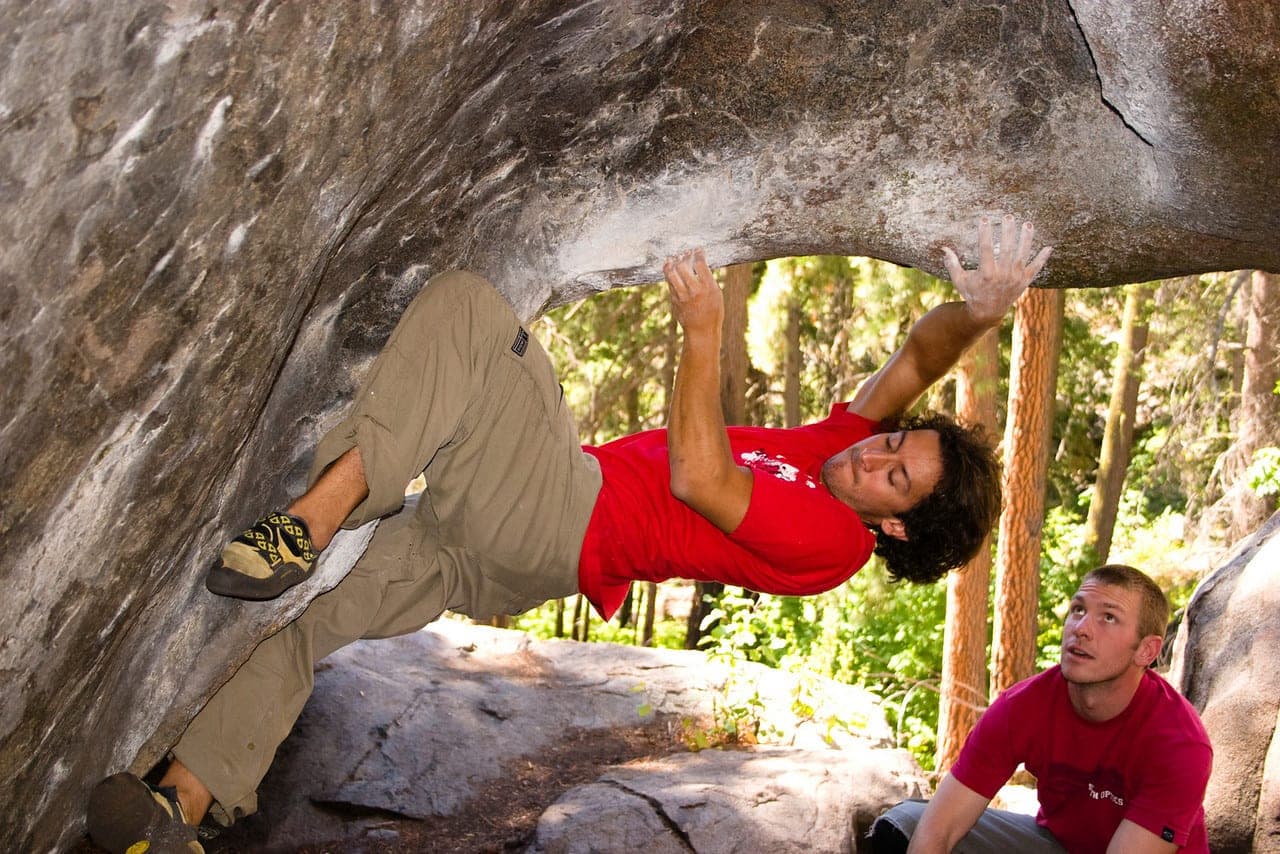
Bouldering
A rope-free form of climbing on short walls and boulders, focused on strength, technique and puzzle-solving.
Goals that fit
Become more active
Add regular, gentle movement to your everyday life and build up from a sedentary start at your own pace.
Build healthy habits
Using sport and routine to make regular activity a lasting part of everyday life.
Improve fitness
Build well-rounded fitness — stamina, strength and more — through regular, varied activity you can keep up.
Build an active lifestyle
Make movement a natural, lasting part of daily life through activities and habits you genuinely enjoy.
Ways to train
Exercises and methods that fit — educational, not a prescription.
Plyometrics
Plyometrics are jumping and bounding drills that train muscles to produce force quickly, developing power and springiness through explosive movement.
Jump squat
An explosive squat variation where you spring off the floor at the top of the movement.
Lunge
A single-leg movement where you step forward and bend both knees to lower your body.
Bulgarian split squat
A single-leg squat where the back foot is raised on a bench behind you.
Hip hinge
The foundational bending-at-the-hips pattern that underpins deadlifts, swings and picking things up.
Kettlebell swing
A dynamic hinge where you swing a kettlebell to shoulder height using a snap of the hips.
Frequently asked questions
What can I do for exercise on a rainy day?
Move indoors: swim, play indoor court sports like badminton, table tennis or squash, take a class, or do a home routine such as yoga, pilates or bodyweight strength. Indoor cycling and bouldering walls are good options too.
What sports can I play indoors?
Lots — badminton, table tennis, squash, basketball and futsal are court-based indoor sports, while swimming and indoor climbing use dedicated facilities. At home, mat-based and bodyweight routines need no venue at all.
How do I stay motivated when it rains?
Having a ready-made indoor plan removes the excuse to skip. Treat wet days as a chance to try something new or work on the gentler training you usually put off, and keep the session short if motivation is low.
Explore across the knowledge base
Follow the threads that connect On a rainy day to the rest of SocialSportHub.
Barriers
- Always travellingWhen you are often away from home, sport has to travel with you — bodyweight options, hotel-room routines and activity that needs no local club.
- Worried about costWhen money is tight, free and low-cost activity — walking, running, bodyweight training — proves that sport does not have to be expensive.
- Nothing nearbyWhen there is no local club or facility, self-directed and home-based activity — plus a wider search — keeps sport within reach.
- Sitting all dayWhen work keeps you at a desk, the priority is breaking up long sitting and adding movement around the working day.
- An unpredictable scheduleWhen no two weeks look the same, sport needs to be flexible and portable rather than tied to a fixed class time.
Training plans
- Home Bodyweight WeekA general example week of short, equipment-free bodyweight sessions you can do at home, built from simple movements like squats, push-ups and planks.
- Three-Day Split ExampleA general example of a simple three-day training split that divides the week into a few focused sessions with rest built in between.
- Beginner Full-Body WeekA general example of a simple full-body week that spreads a push, a pull, a lower-body movement and some core evenly across three unhurried sessions.
Healthy living
- Active BreaksShort bursts of movement woven through the working or study day to break up long stretches of sitting.
- Active recoveryGentle, easy movement on your off days — a relaxed way to keep the body moving while it recovers, instead of doing nothing.
- Recovery walkingEasy, relaxed walking used as a way to recover — a low-effort way to keep moving on off days and after harder sessions.
- Active CommutingBuilding movement into the journey to work or school — walking or cycling all or part of the way, so travel time doubles as active time.
- Recovery MealsThe general idea of eating after activity to help your body refuel and recover — simple, not scientific.
How this page is maintained
- Content type
- For your day
- Provenance
- Tier A — evergreen educational
- Verified external sources
- 0
- Content updated
- 2026-07-09
Evergreen, first-party explanation — it makes no claim that needs an external source. How we handle sources and reviews.