
Steady-State Cardio
Steady-state cardio means holding one comfortable, continuous pace for the whole session, building an aerobic base without the peaks of interval work.
Overview
Steady-state cardio is the most straightforward way to structure endurance work: you pick a comfortable pace and hold it steadily for the length of the session. There are no sprints or surges — the effort stays even from start to finish, usually at a level where you could still hold a conversation.
Because it is low-drama and repeatable, steady-state work is a common foundation for building aerobic fitness. Walking, easy jogging, relaxed cycling and gentle swimming all fit the pattern, and it is often the bulk of a beginner's early routine.
The even effort makes it easy to relax into and easy to recover from, which is why many people use steady sessions on the days between harder efforts. It pairs naturally with occasional interval or tempo work for variety.
Key points
- The pace stays even throughout — no surges or sprints.
- A conversational effort, where you could still talk, is the usual guide.
- It is an accessible foundation for building aerobic fitness gradually.
- Easy to recover from, so it suits the days between harder sessions.
- Pairs well with occasional interval or tempo work for variety.
A note on training information
Where it’s used
Sports this relates to:

Running
The most accessible endurance sport — no venue, just shoes and the open road or trail.
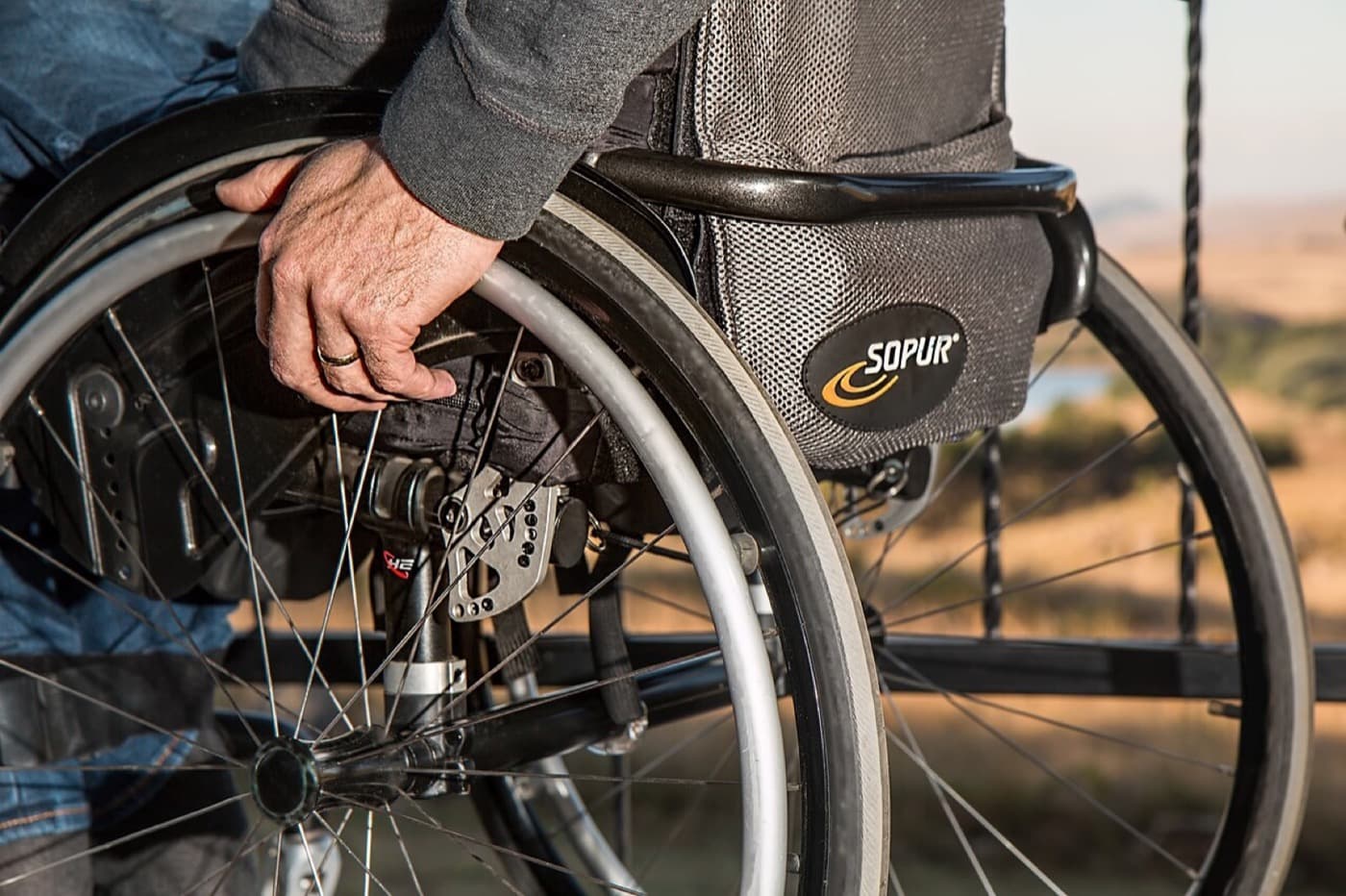
Cycling
A low-impact endurance sport that doubles as transport, exercise and adventure.
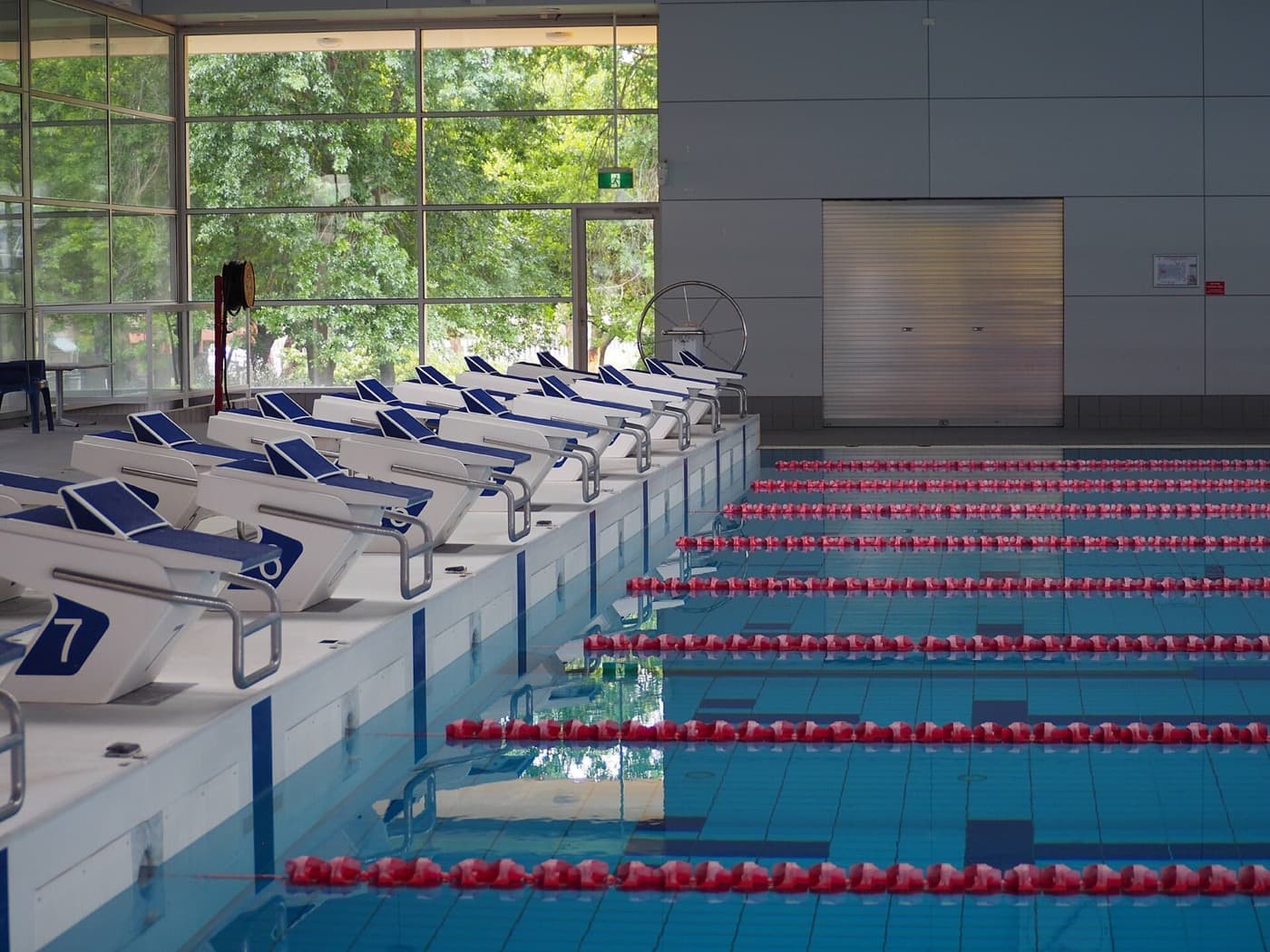
Swimming
A full-body, low-impact endurance sport suitable for almost every age and ability.
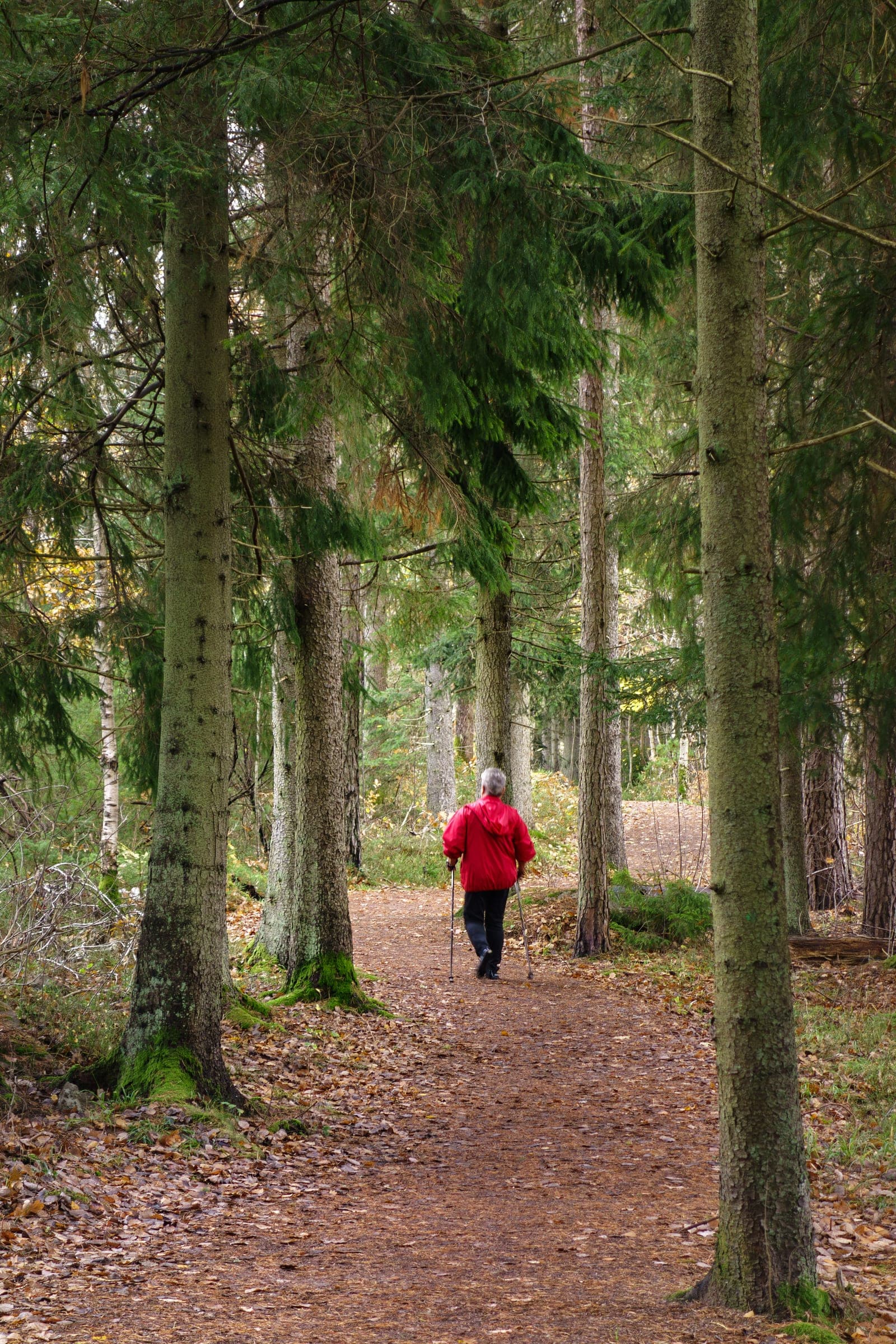
Nordic Walking
A gentle, accessible endurance activity that adds poles to bring the upper body into every walk.
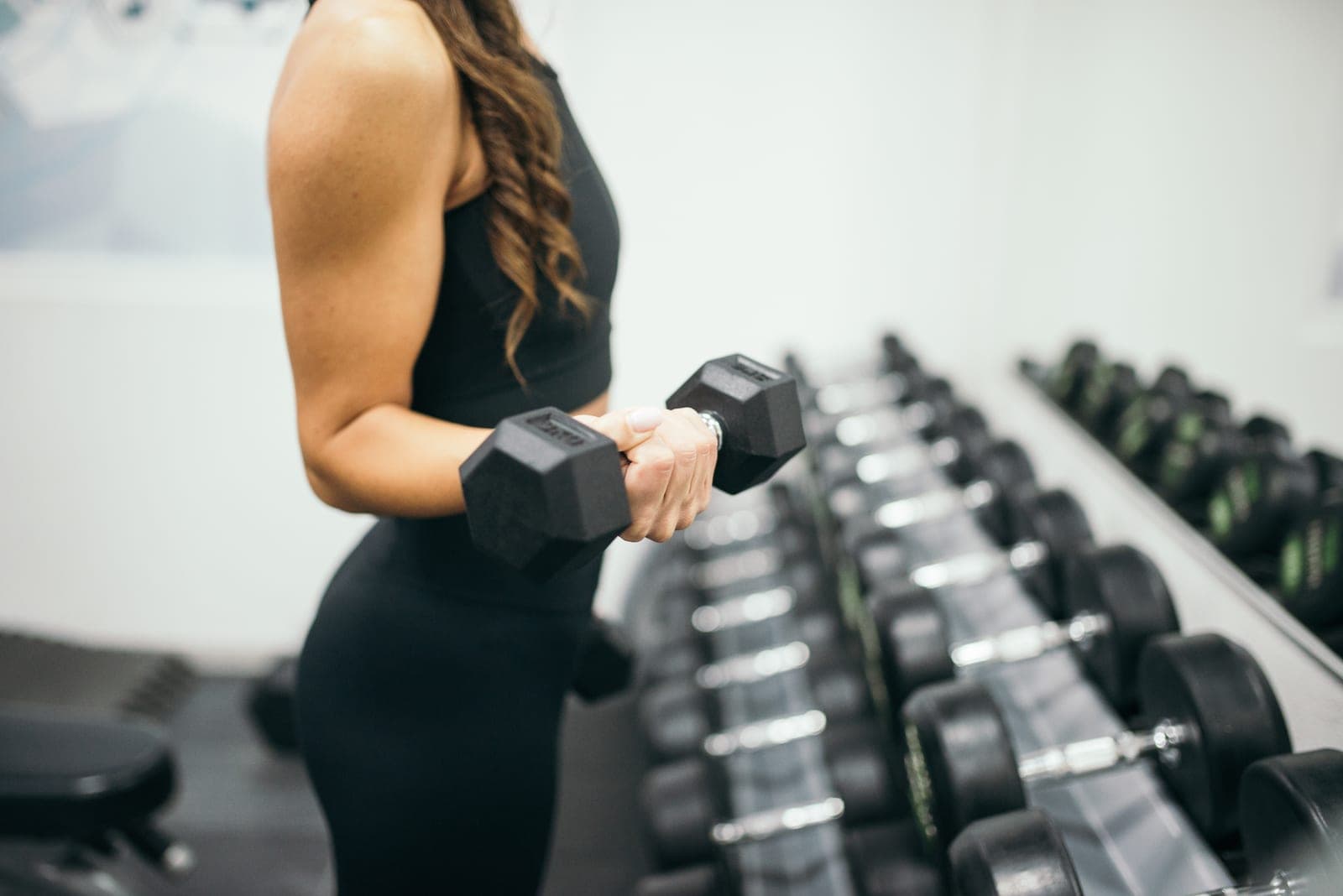
Fitness
Strength and general fitness training — the foundation that supports every other sport.
Related training methods
Interval Training
Interval training alternates short bursts of harder effort with easier recovery periods, letting you accumulate more quality work than a single continuous push.
Circuit Training
Circuit training moves you through a series of stations back to back with little rest, blending strength and cardio into one time-efficient session.
Strength Training
Strength training uses resistance — bodyweight, bands or weights — to challenge your muscles so they gradually adapt and get stronger over time.
How it connects
The meaning-bearing relationships that place Steady-State Cardio in the wider knowledge graph — each one with the reason it exists.
Frequently learned together
Taught side by side in the same stage of a learning path.
- Interval TrainingBoth are taught in the “Train your body for it” stage of the Running learning path.
- High-Intensity Interval Training (HIIT)Both are taught in the “Train your body for it” stage of the Running learning path.
- Tempo TrainingBoth are taught in the “Train your body for it” stage of the Running learning path.
- FartlekBoth are taught in the “Train your body for it” stage of the Running learning path.
- PlyometricsBoth are taught in the “Train your body for it” stage of the Running learning path.
Explore across the knowledge base
Follow the threads that connect Steady-State Cardio to the rest of SocialSportHub.
Skills
Sports science
- Energy systemsHow the body supplies energy for movement — the different pathways that power everything from an explosive jump to a long, steady run.
- Aerobic and anaerobic energyThe difference between energy the body produces with oxygen and energy it produces without it — a core idea behind why different efforts feel and last so differently.
Learning paths
- Learn RunningA structured, educational learning path for running — from the rules to skills, techniques, tactics and training.
- Learn CyclingA structured, educational learning path for cycling — from the rules to skills, techniques, tactics and training.
- Learn SwimmingA structured, educational learning path for swimming — from the rules to skills, techniques, tactics and training.
Practice & sessions
- Conditioning sessionA session built around physical conditioning — developing the fitness qualities a sport draws on, rather than its skills or tactics.
- Mobility sessionA session built around moving well through a range of motion — gentle, controlled work to help the body move freely.
- Self-guided sessionA session you plan and run yourself, without a coach directing it — you decide the focus, set it up and rely on your own judgement.
Movement patterns
- GaitThe cyclic, alternating single-leg pattern of walking and running that carries the body across the ground — the base of most field and endurance sport.
- GlideGlide is continuous, low-resistance locomotion in which the body holds a streamlined shape so that momentum generated by a preceding propulsive action carries it smoothly across a surface or through a medium.
Training plans
- Beginner Cycling BaseA general example of building an easy aerobic base on the bike through mostly relaxed, conversational-pace rides over several weeks.
- Learn-to-Swim ProgressionA gentle example progression from getting comfortable in the water toward swimming short, continuous distances, built around relaxed, regular pool visits.
Go deeper with Steady-State Cardio
Everywhere else on the platform that covers Steady-State Cardio — assembled from what actually references it, so nothing here is a dead end.
Learn it
Structured courses and paths on the platform that cover this directly.
How this page is maintained
- Content type
- Training method
- Provenance
- Tier A — evergreen educational
- Verified external sources
- 0
- Content updated
- 2026-07-06
Evergreen, first-party explanation — it makes no claim that needs an external source. How we handle sources and reviews.