
Aerobic and anaerobic energy
The difference between energy the body produces with oxygen and energy it produces without it — a core idea behind why different efforts feel and last so differently.
Overview
Aerobic and anaerobic are the two broad categories often used to describe how the body produces energy. Aerobic means 'with oxygen': it powers steadier, longer-lasting efforts and can keep going as long as fuel and oxygen are available. Anaerobic means 'without oxygen': it can release energy very quickly for short, intense bursts, but it cannot be sustained for long.
This split is one of the most widely taught models in fitness, but it is a simplification — both are working most of the time, and the balance simply shifts with how hard you are pushing. Thinking in terms of aerobic and anaerobic helps explain why a long ride feels sustainable while an all-out sprint quickly forces you to slow down. The precise physiology, and anything about your own limits, is best guided by a qualified coach or professional.
The science
- Aerobic energy is produced with oxygen and suits steadier, longer efforts.
- Anaerobic energy is produced without oxygen and suits short, intense bursts that cannot last long.
- Both contribute most of the time; the balance shifts with intensity rather than flicking between the two.
- Harder efforts lean more anaerobic, while easier, sustained efforts lean more aerobic.
- It is a widely taught model for understanding effort, not a precise on-off switch.
The three energy systems
From brief bursts to sustained effort
- 1
Phosphagen (ATP-PC)
Powers brief, maximal efforts — the most immediate and powerful, but very short-lived.
- 2
Glycolytic
Fuels short, hard efforts and takes over as maximal efforts extend.
- 3
Aerobic
Uses oxygen to sustain prolonged, lower-intensity activity and drives recovery.
Why it matters
- It explains why a sprint cannot be held for long but an easy jog can.
- It sits behind the difference between endurance training and high-intensity work.
- It helps make sense of why stop-start sports are trained differently from steady endurance ones.
Educational only
Where it shows up
Sports where this concept is especially visible — each with a clear guide.

Running
The most accessible endurance sport — no venue, just shoes and the open road or trail.
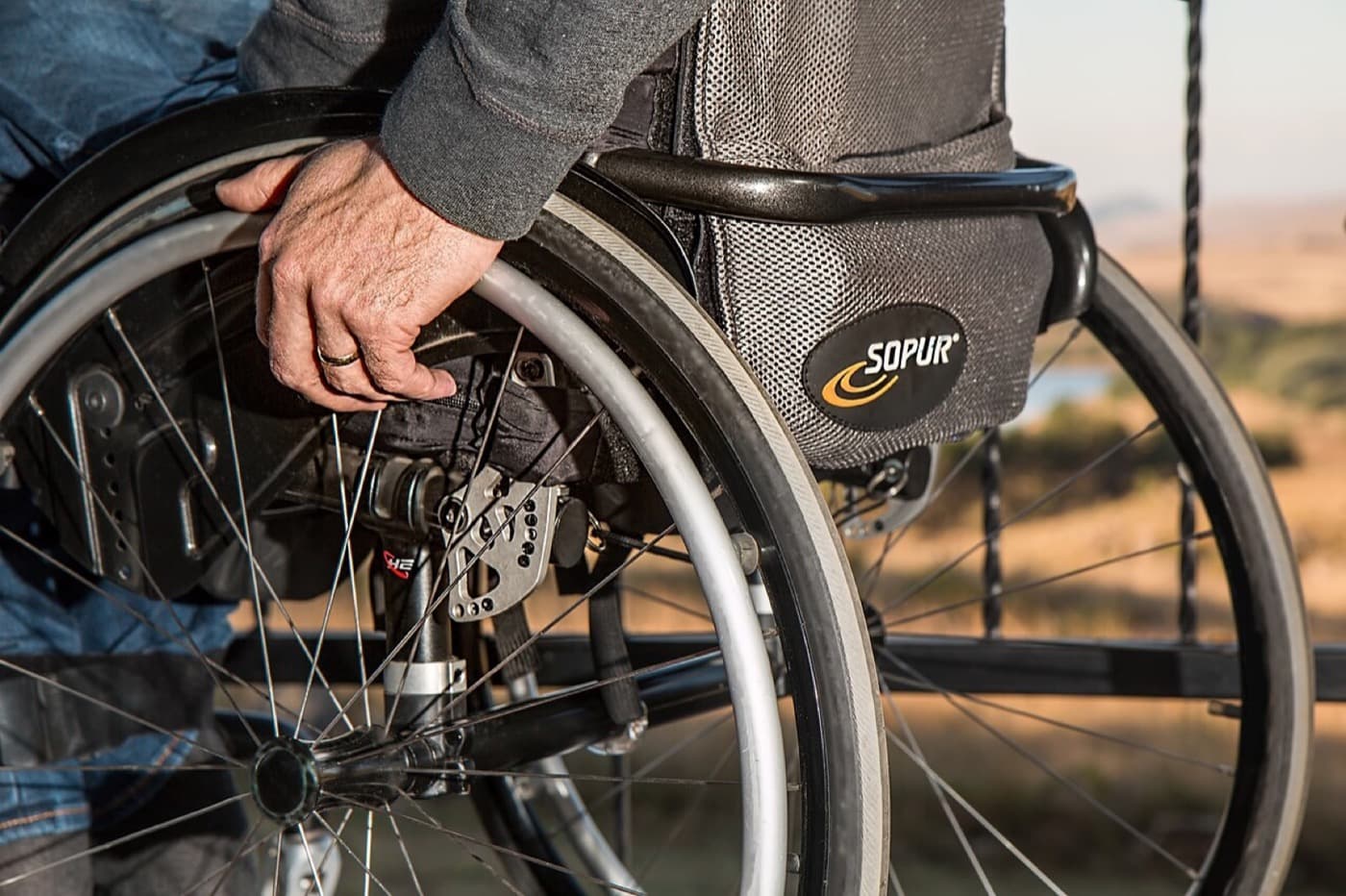
Cycling
A low-impact endurance sport that doubles as transport, exercise and adventure.

Football
The world’s most popular team sport — endless running, teamwork and community in one game.
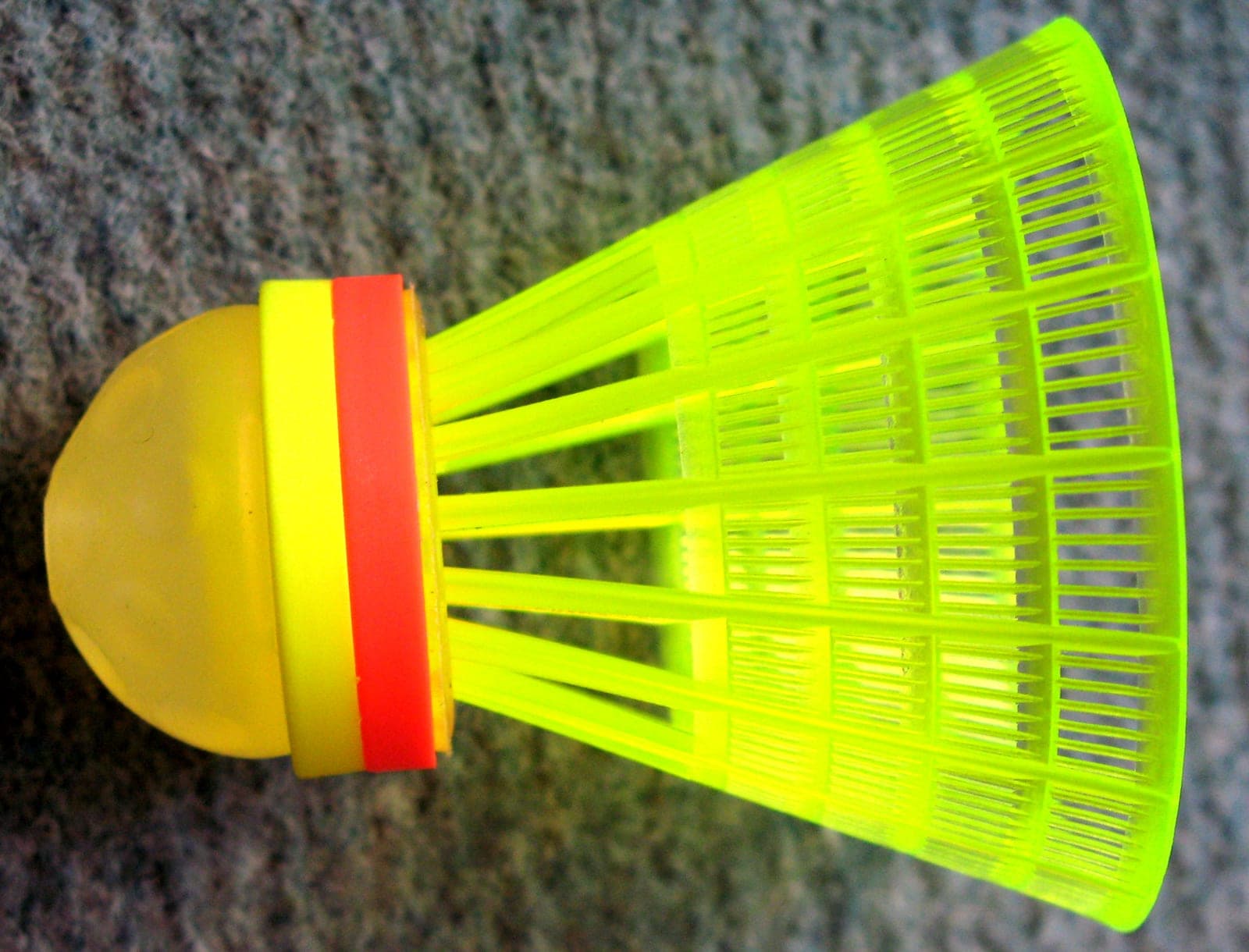
Badminton
A fast indoor racquet sport played with a shuttlecock that rewards agility and touch.
Frequently asked questions
What is the difference between aerobic and anaerobic energy?
Aerobic energy is produced with oxygen and powers longer, steadier efforts, while anaerobic energy is produced without oxygen and fuels short, intense bursts that tire quickly. In reality both work together and the balance shifts with intensity. It is a teaching model — the details of your own effort levels are best guided by a qualified professional.
Is anaerobic exercise better than aerobic?
Neither is simply 'better' — they suit different demands, and most sports draw on both. Which matters more depends on the activity and on personal goals, which a qualified coach can help you weigh up.
How it connects
The meaning-bearing relationships that place Aerobic and anaerobic energy in the wider knowledge graph — each one with the reason it exists.
Explains
Covers the underlying "why" for these.
- RunningAerobic and anaerobic energy is one of the sports-science concepts that covers Running.
- CyclingAerobic and anaerobic energy is one of the sports-science concepts that covers Cycling.
- FootballAerobic and anaerobic energy is one of the sports-science concepts that covers Football.
- BadmintonAerobic and anaerobic energy is one of the sports-science concepts that covers Badminton.
Explore across the knowledge base
Follow the threads that connect Aerobic and anaerobic energy to the rest of SocialSportHub.
Movement patterns
- AccelerationThe athletic pattern of building speed from a standing or slow start by driving large horizontal forces into the ground to project the body forward.
- JumpThe plyometric pattern of projecting the body off the ground through explosive triple extension and controlling the landing — the core expression of lower-body power.
Training methods
- High-Intensity Interval Training (HIIT)High-intensity interval training, or HIIT, packs short, hard efforts against brief recoveries into a compact session, making it a time-efficient way to train.
- Steady-State CardioSteady-state cardio means holding one comfortable, continuous pace for the whole session, building an aerobic base without the peaks of interval work.
- Interval TrainingInterval training alternates short bursts of harder effort with easier recovery periods, letting you accumulate more quality work than a single continuous push.
- Endurance Base TrainingEndurance base training is an extended phase of mostly easy, steady aerobic work that lays the aerobic foundation the rest of a training plan builds on.
- FartlekFartlek — Swedish for 'speed play' — mixes faster and easier efforts freely and by feel within one continuous session, blending steady and interval work.
Knowledge Atlas
Healthy living
- Sports Nutrition BasicsA gentle introduction to fuelling an active body — the general ideas behind eating for energy, performance and recovery.
- Recovery SleepThe role rest plays in helping your body recover, adapt and feel ready after training and active days.
- Hydration and exerciseSensible fluid habits before, during and after activity — so you feel good and recover well without overthinking it.
- Recovery MealsThe general idea of eating after activity to help your body refuel and recover — simple, not scientific.
Go deeper with Aerobic and anaerobic energy
Everywhere else on the platform that covers Aerobic and anaerobic energy — assembled from what actually references it, so nothing here is a dead end.
Work it out
Deterministic calculators — real published formulas, no estimates dressed as data.
Question it
Research topics that name this entity among their connections.
Take it away
Open data and the whole-platform view of this subject.
How this page is maintained
- Content type
- Sports science concept
- Provenance
- Tier A — evergreen educational
- Verified external sources
- 0
- Content updated
- 2026-07-09
Evergreen, first-party explanation — it makes no claim that needs an external source. How we handle sources and reviews.