
Recovery Meals
The general idea of eating after activity to help your body refuel and recover — simple, not scientific.
Overview
A "recovery meal" is just the food you eat after activity to help your body refuel and repair. The general idea many people follow is to include some carbohydrate to top up energy and some protein to support the muscles, along with fluids to rehydrate. It does not need to be a special shake or supplement — an ordinary balanced meal or snack usually does the job.
How much this matters depends on how hard and long the activity was; after gentle movement, normal meals are typically plenty. Rather than precise formulas, the practical aim is simply not to leave yourself under-fuelled after harder sessions. This page is general education, not a nutrition or supplement plan; for advice tailored to your training or any health condition, speak with a qualified professional.
What helps
- A recovery meal is just food after activity — no special products needed.
- A common approach pairs some carbohydrate with some protein, plus fluids.
- An ordinary balanced meal or snack usually does the job well.
- How much it matters scales with how hard and long the activity was.
A note on this guidance
How to start
- 1Have a simple balanced meal or snack ready for after harder sessions.
- 2Include something to drink to help rehydrate alongside food.
- 3Keep it easy — pairing a carbohydrate with a protein you enjoy is enough.
- 4For advice on fuelling your training or any health condition, ask a qualified professional.
Sports that fit
Ways to put this into practice — each with a clear, beginner-friendly guide.

Fitness
Strength and general fitness training — the foundation that supports every other sport.
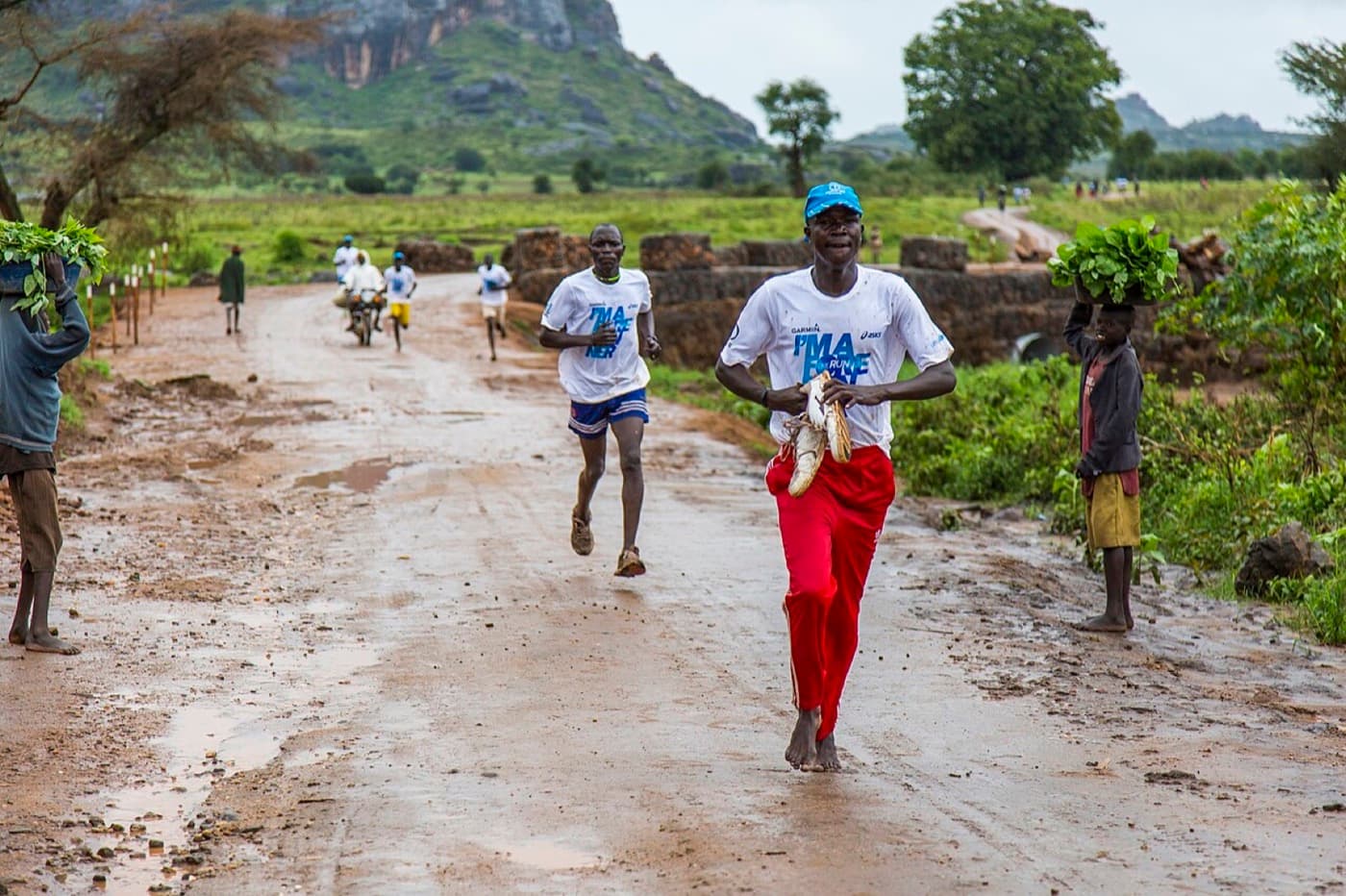
Running
The most accessible endurance sport — no venue, just shoes and the open road or trail.
Cycling
A low-impact endurance sport that doubles as transport, exercise and adventure.
Swimming
A full-body, low-impact endurance sport suitable for almost every age and ability.
Goals it supports
Improve fitness
Build well-rounded fitness — stamina, strength and more — through regular, varied activity you can keep up.
Build muscle
Challenge your muscles with regular resistance training and steady recovery to build strength over time.
Build an active lifestyle
Make movement a natural, lasting part of daily life through activities and habits you genuinely enjoy.
Build healthy habits
Using sport and routine to make regular activity a lasting part of everyday life.
Frequently asked questions
Do I need a special recovery shake?
For most people an ordinary balanced meal or snack with some carbohydrate and protein, plus fluids, works just as well as a special product. Supplements and shakes are not necessary for general activity, and this page does not recommend them. For advice on supplements or fuelling for serious training, speak with a qualified professional.
Explore across the knowledge base
Follow the threads that connect Recovery Meals to the rest of SocialSportHub.
People
- Weekend athletesHow to enjoy recreational sport on weekends while staying comfortable and consistent through the week.
- Returning to sportHow to ease back into sport after a break, rebuilding gradually and listening to your body.
- CouplesHow sport can fit two people doing it together — shared activity that doubles as time together, mutual motivation and a common goal.
Recovery
- Active recoveryActive recovery means very easy, gentle movement on lighter days to keep the body moving without adding hard training stress.
- Regular, balanced mealsEating regular, balanced meals is a general everyday habit that supports energy and recovery around an active lifestyle.
- WalkingWalking is simple, low-intensity movement that supports everyday activity and gentle recovery for almost anyone.
- Rest daysRest days are planned days off from training that give the body and mind time to recover between harder sessions.
- Cool-downA cool-down is a few minutes of easy movement at the end of a session to let the body settle back towards rest.
Training guides
- Understanding rest and recoveryRest and recovery are the everyday habits — sleep, rest days and gentle movement — that let the benefits of training take hold between sessions.
- Bodyweight training basicsBodyweight training uses your own body as resistance, making it a simple and accessible way to build strength almost anywhere.
- How to cool downA cool-down is a few easy minutes at the end of a session that let your effort taper off gradually before you stop.
Knowledge Atlas
Sports science
- Managing fatigue and loadThe educational idea of balancing how much training you do against how well you recover, so effort turns into progress rather than into excess fatigue.
- Recovery and adaptationThe idea that the body adapts during recovery, not during the effort itself — which is why rest is treated as part of training rather than a break from it.
- Aerobic and anaerobic energyThe difference between energy the body produces with oxygen and energy it produces without it — a core idea behind why different efforts feel and last so differently.
- SupercompensationA widely taught model of how the body, after a bout of training and enough recovery, can rebuild to a slightly higher level than before.
- Individual differencesThe idea that people respond to the same training differently — so what works well for one person may not suit another.
Go deeper with Recovery Meals
Everywhere else on the platform that covers Recovery Meals — assembled from what actually references it, so nothing here is a dead end.
Work it out
Deterministic calculators — real published formulas, no estimates dressed as data.
How this page is maintained
- Content type
- Healthy living topic
- Provenance
- Tier A — evergreen educational
- Verified external sources
- 0
- Content updated
- 2026-07-09
Evergreen, first-party explanation — it makes no claim that needs an external source. How we handle sources and reviews.