
To get better at my sport
When you already play and want to improve, structured practice, coaching concepts and targeted training turn effort into measurable progress.
Overview
If you already play a sport, the motivation is often simply to get better at it — sharper skills, better decisions, more fitness for the game. Improvement is rarely just about doing more; it comes from practising the right things well, with structure and honest feedback. That is where coaching concepts and targeted training earn their place.
The most reliable progress mixes focused skill practice, physical preparation for your sport, and enough game-like situations to make it transfer. Knowing what to work on next — and practising it deliberately — is what separates steady improvement from just clocking hours.
What to look for
- Improvement comes from practising the right things well, not just more.
- Structured, deliberate practice beats unfocused repetition.
- Physical preparation should match the demands of your sport.
- Game-like practice helps skills transfer to real play.
Getting started
- 1Identify the one or two things that would most improve your game.
- 2Practise them deliberately, with focus and feedback.
- 3Add physical training that matches your sport’s demands.
- 4Include game-like situations so skills transfer to play.
Sports that deliver it
Great places to start — each with a clear, beginner-friendly guide.
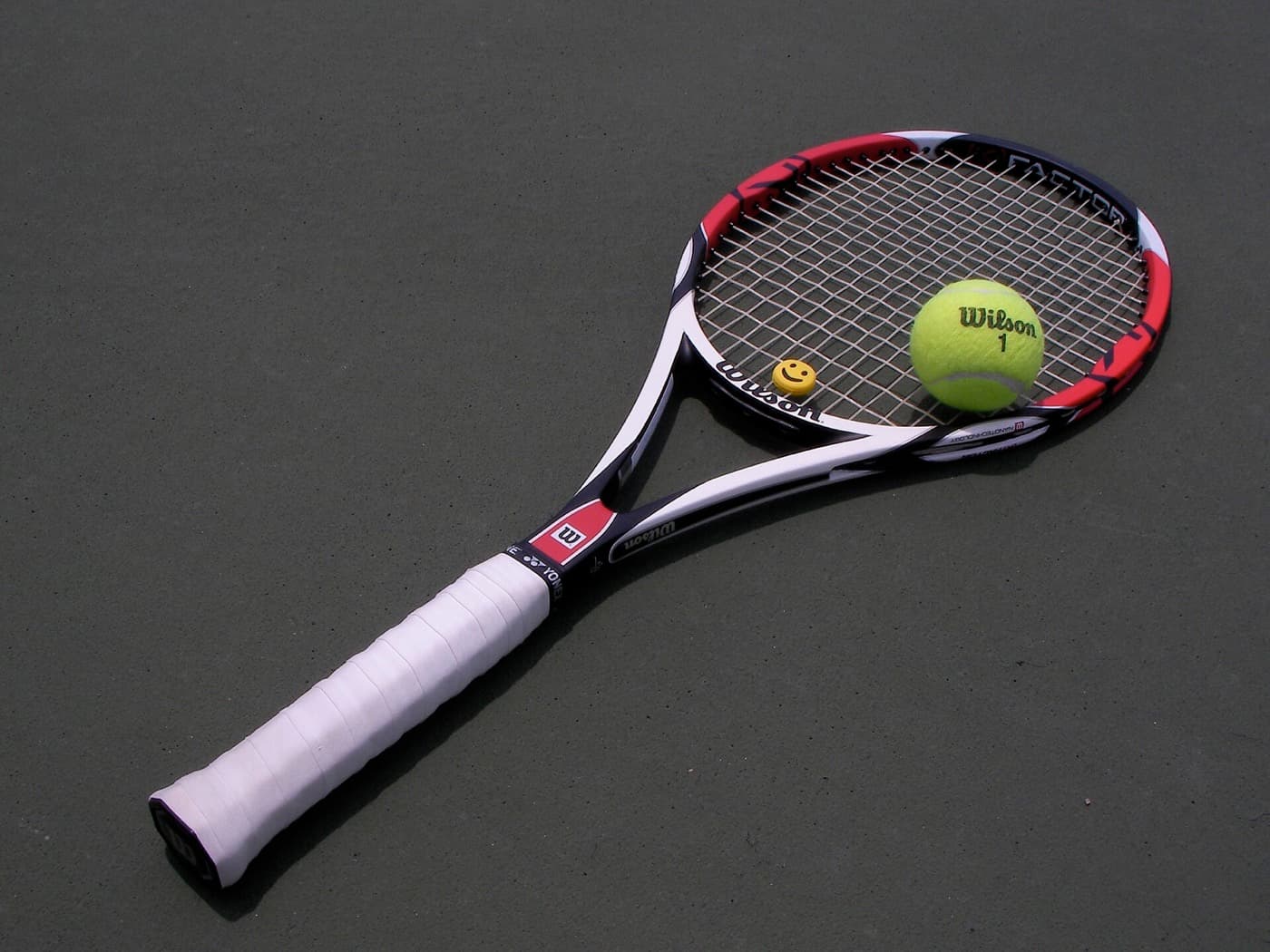
Tennis
A singles or doubles racquet sport that blends agility, strategy and stamina on court.
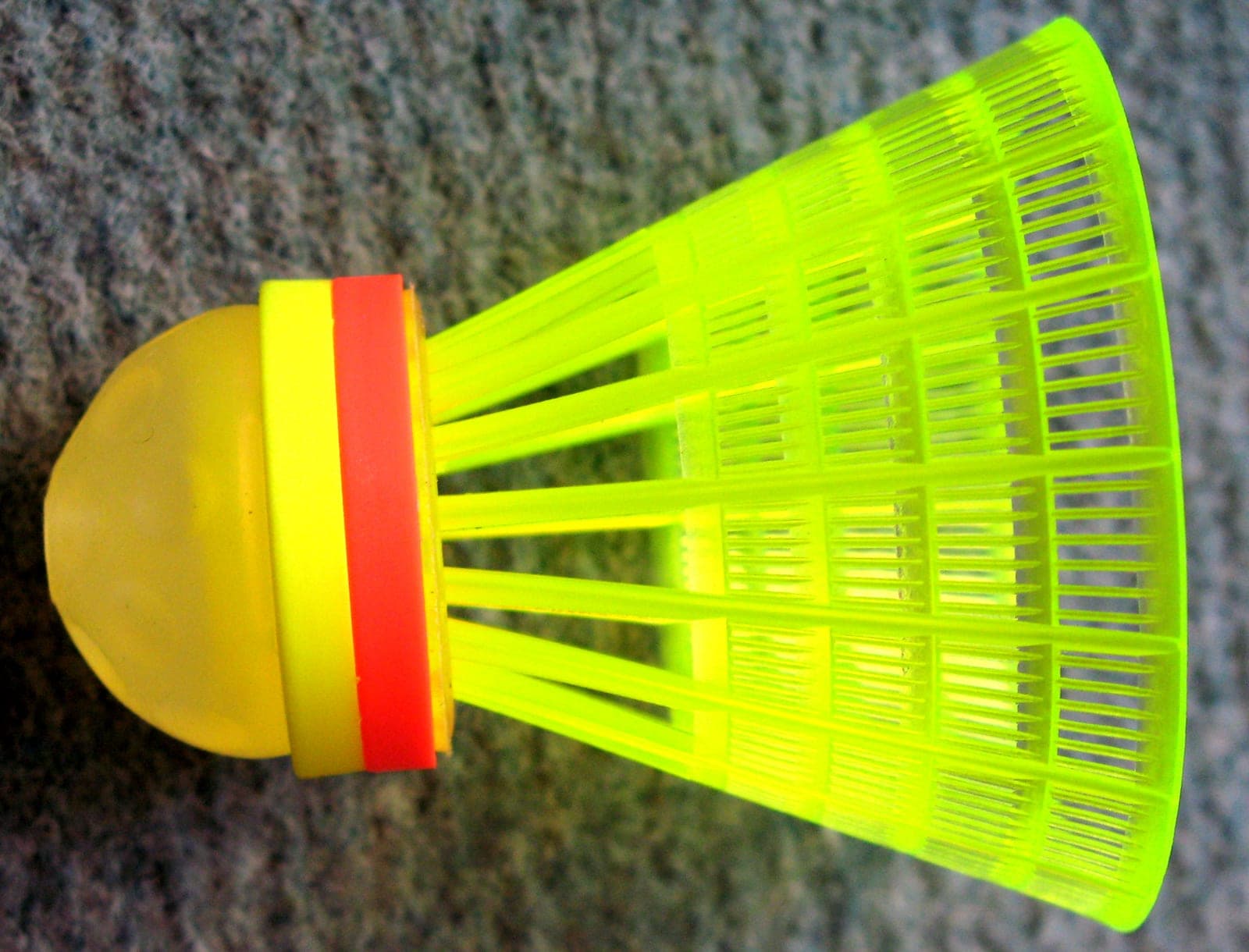
Badminton
A fast indoor racquet sport played with a shuttlecock that rewards agility and touch.
Football
The world’s most popular team sport — endless running, teamwork and community in one game.
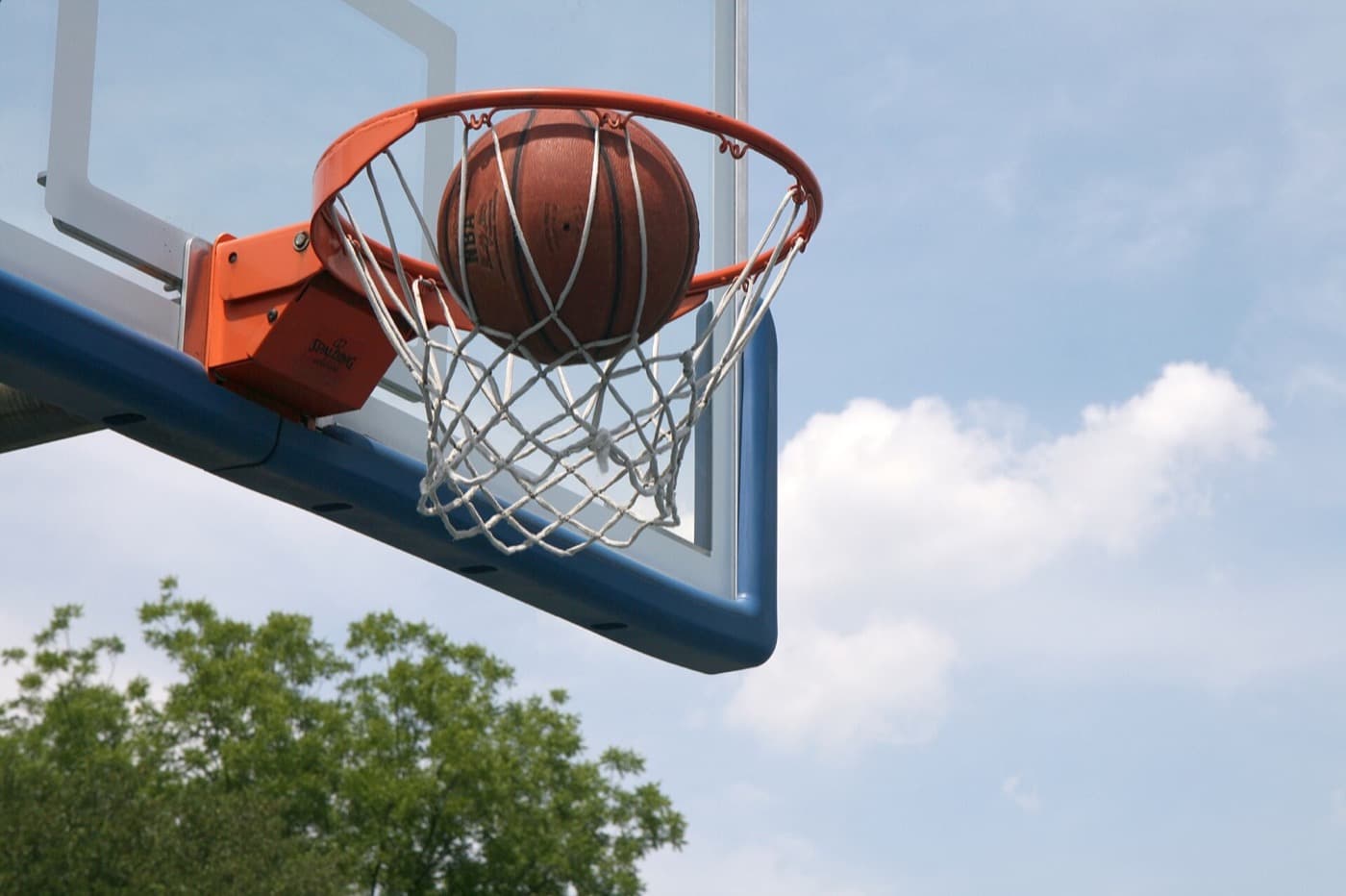
Basketball
A fast, dynamic team sport of running, jumping and quick decisions on court.
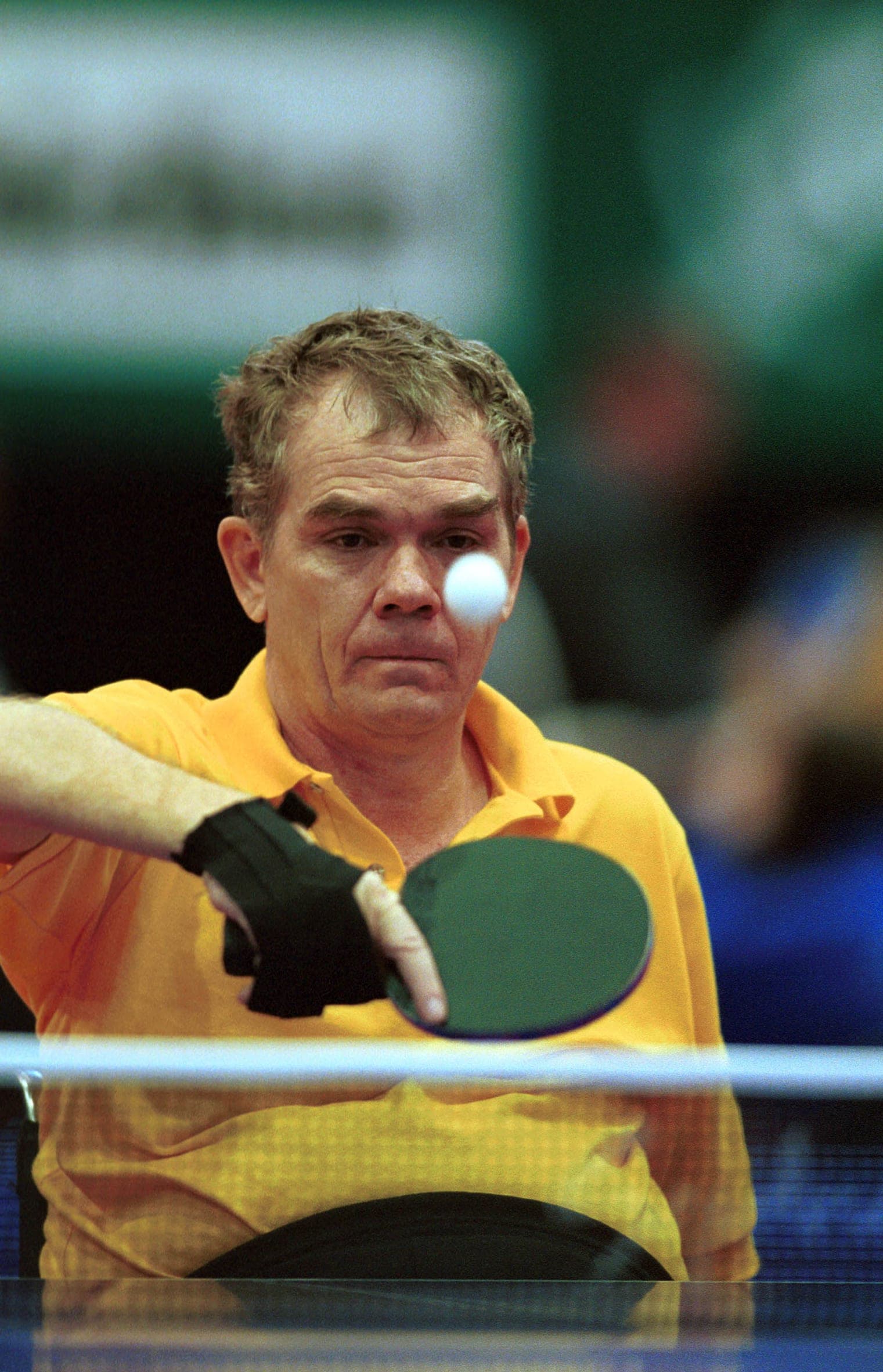
Table Tennis
A fast, low-impact indoor racquet sport that sharpens reflexes and is easy to start.
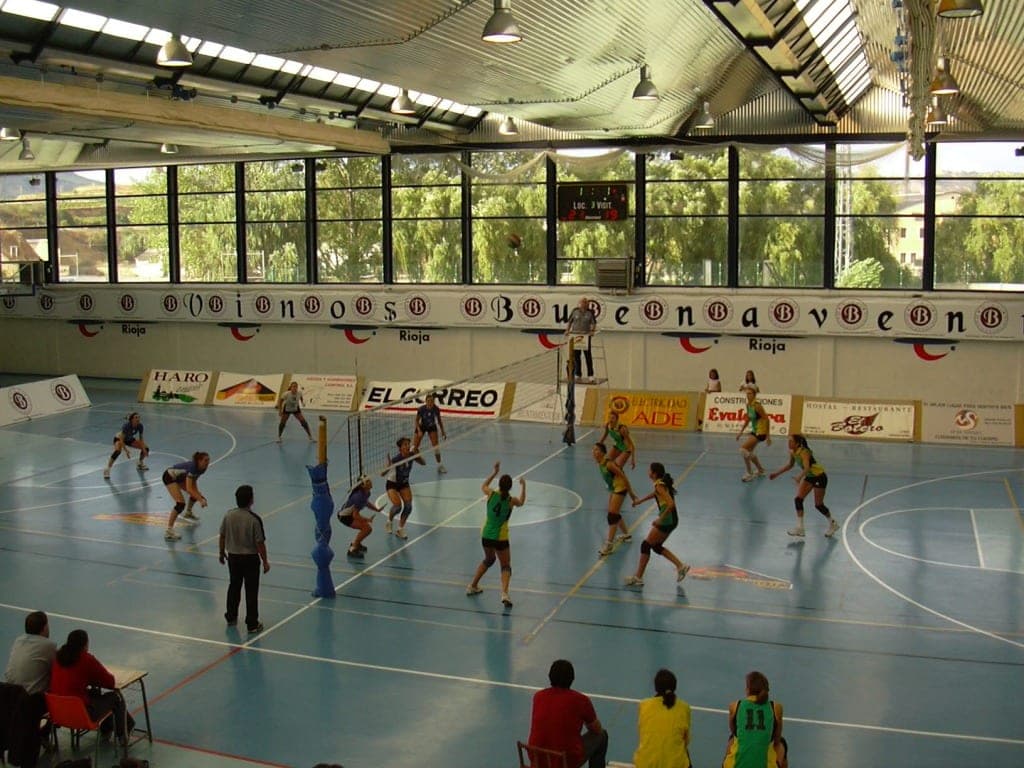
Volleyball
A non-contact team sport of rallies, jumps and teamwork — indoors or on the beach.
Goals that fit
Improve reaction speed
Respond faster to what you see, hear and feel by training with fast, unpredictable activities and drills.
Improve fitness
Build well-rounded fitness — stamina, strength and more — through regular, varied activity you can keep up.
Improve coordination
Sharpen how smoothly your body works together — like tracking and hitting a ball — through skill practice.
Discipline
Build consistency, focus and self-discipline through the routines that sport and training encourage.
Ways to train
Exercises and methods that fit — educational, not a prescription.
Plyometrics
Plyometrics are jumping and bounding drills that train muscles to produce force quickly, developing power and springiness through explosive movement.
Jump squat
An explosive squat variation where you spring off the floor at the top of the movement.
High knees
A running-in-place cardio drill where you lift the knees high with a quick rhythm.
Interval Training
Interval training alternates short bursts of harder effort with easier recovery periods, letting you accumulate more quality work than a single continuous push.
High-Intensity Interval Training (HIIT)
High-intensity interval training, or HIIT, packs short, hard efforts against brief recoveries into a compact session, making it a time-efficient way to train.
Fartlek
Fartlek — Swedish for 'speed play' — mixes faster and easier efforts freely and by feel within one continuous session, blending steady and interval work.
Frequently asked questions
How do I get better at my sport?
Progress comes from practising the right things deliberately, with focus and feedback, rather than simply training more. Combining focused skill work, sport-specific physical preparation and game-like practice is what makes improvement transfer to real play.
Explore across the knowledge base
Follow the threads that connect To get better at my sport to the rest of SocialSportHub.
Experience levels
- AdvancedA high level of skill and fitness — progress becomes finer, more individual, and increasingly benefits from expert coaching.
- EliteThe highest level of performance — a full, individualised, professionally supported pursuit far beyond what a general guide can direct.
- IntermediateThe basics are in place — now progress comes from more deliberate practice, filling gaps and adding structure to your training.
- CompetitiveTraining and playing to compete — structured, goal-directed preparation built around events, with coaching and recovery central.
Coaching concepts
- Deliberate PracticeFocused, effortful practice that targets a specific weakness with full attention and immediate feedback — not just repeating what you already do well.
- Feedback and CueingFeedback from your senses, a coach, or video plus short instructional cues guide skill learning — including internal vs external focus of attention.
- Transfer of TrainingWhether practice carries over to real performance — and why game-like, varied practice tends to transfer better than isolated, repetitive drills.
- Practice VariabilityVarying practice conditions — spacing, interleaving skills and changing situations — to build adaptable, durable skill, even when it feels harder day to day.
- Goal-Setting for PracticeSetting clear practice goals directs effort and makes progress visible — separating results-based outcome goals from controllable process goals.
Healthy living
- Recovery SleepThe role rest plays in helping your body recover, adapt and feel ready after training and active days.
- Hydration and exerciseSensible fluid habits before, during and after activity — so you feel good and recover well without overthinking it.
- Recovery MealsThe general idea of eating after activity to help your body refuel and recover — simple, not scientific.
- Sports Nutrition BasicsA gentle introduction to fuelling an active body — the general ideas behind eating for energy, performance and recovery.
- Sleep HygieneThe everyday habits and surroundings that make good sleep more likely — a calmer room, steadier timing and gentler evenings.
Adaptive sports
- Wheelchair SportsSports played from a wheelchair — often a specialised sports chair — so that wheelchair users can take part, train and compete.
- Adaptive coachingCoaching that adjusts how it teaches — communication, planning and pace — so that people with a disability can learn, improve and enjoy a sport.
Learning paths
- Learn TennisA structured, educational learning path for tennis — from the rules to skills, techniques, tactics and training.
- Learn FootballA structured, educational learning path for football — from the rules to skills, techniques, tactics and training.
- Learn RunningA structured, educational learning path for running — from the rules to skills, techniques, tactics and training.
- Learn BasketballA structured, educational learning path for basketball — from the rules to skills, techniques, tactics and training.
- Learn SwimmingA structured, educational learning path for swimming — from the rules to skills, techniques, tactics and training.
How this page is maintained
- Content type
- Your why
- Provenance
- Tier A — evergreen educational
- Verified external sources
- 0
- Content updated
- 2026-07-09
Evergreen, first-party explanation — it makes no claim that needs an external source. How we handle sources and reviews.