
Improve fitness
Build well-rounded fitness — stamina, strength and more — through regular, varied activity you can keep up.
How sport helps
Getting fitter simply means your body becomes better at the activities you ask of it — walking up stairs, keeping up in a game, or going for longer without tiring. Fitness has several parts, including stamina, strength and mobility, and you can build all of them over time.
The most reliable way to improve is regular, varied activity at a level that feels challenging but manageable. Progress is usually gradual, and mixing different types of movement helps you develop rounded fitness rather than just one aspect.
- Regular activity gradually improves your stamina, strength and overall fitness as your body adapts to being challenged.
- Different sports build different qualities, so varying what you do helps develop more rounded fitness.
- Playing sport can make getting fit feel less like a chore, which helps with staying consistent.
- Interval-style efforts and steady sessions both have a place, and mixing them can help you keep improving.
Getting started
- 1Choose activities you enjoy and start at a comfortable level, warming up before you begin.
- 2Aim for regular sessions across the week rather than occasional intense ones.
- 3Increase effort or duration gradually as things start to feel easier.
- 4If you're returning after a long break or have any health concerns, consider checking with a doctor first.
Good sports for this goal
Great places to start — each with a clear, beginner-friendly guide.
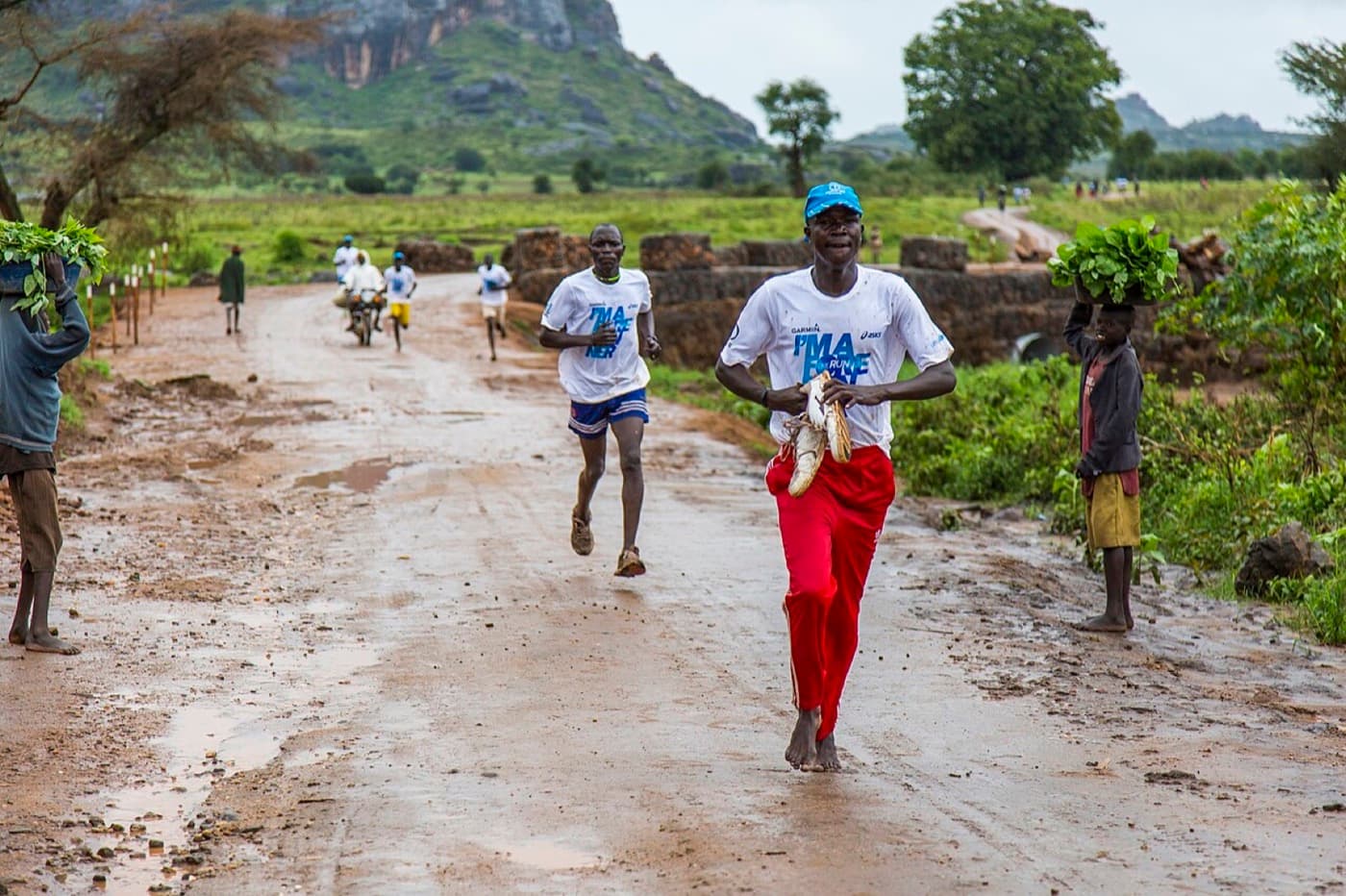
Running
The most accessible endurance sport — no venue, just shoes and the open road or trail.
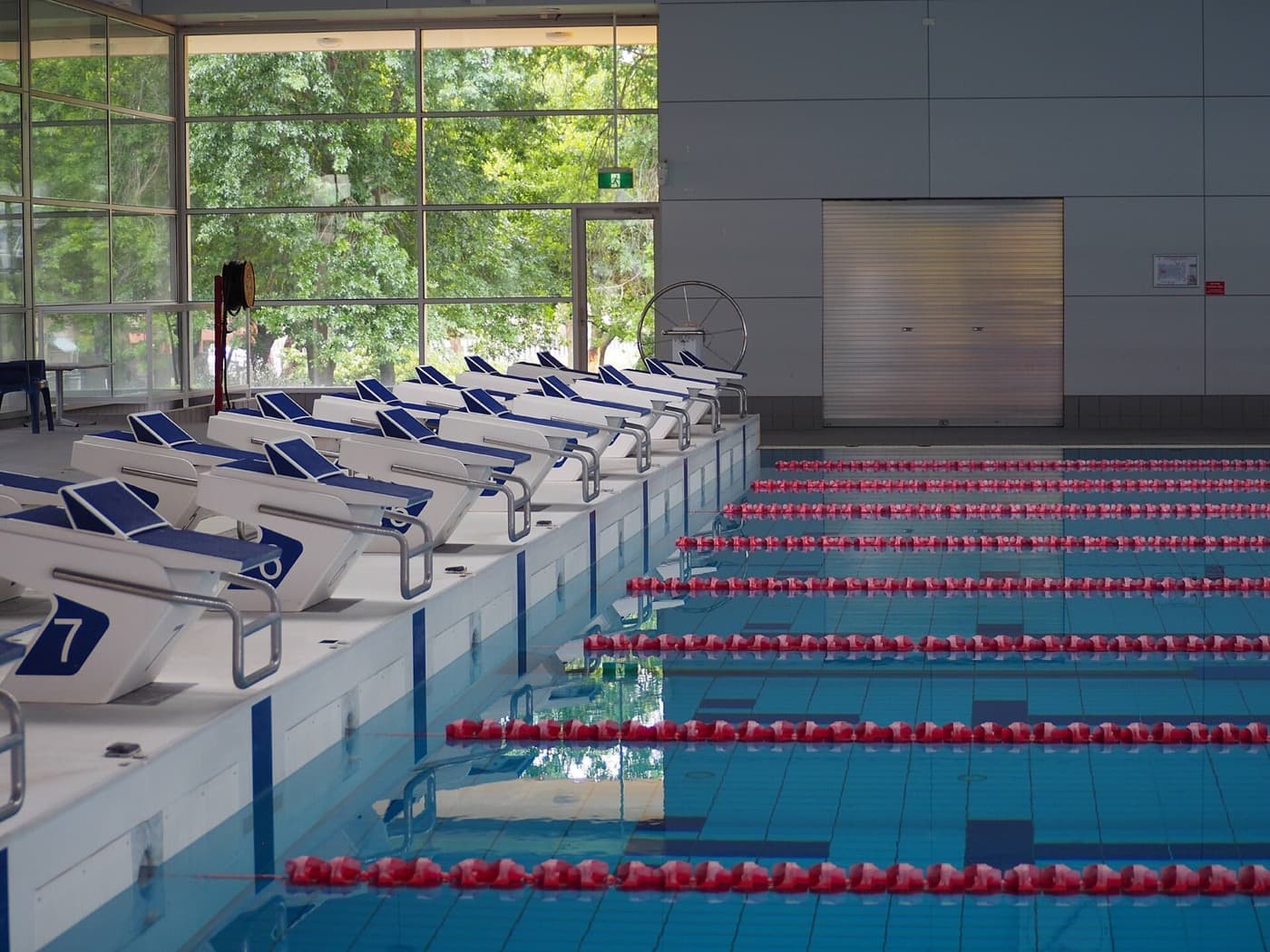
Swimming
A full-body, low-impact endurance sport suitable for almost every age and ability.
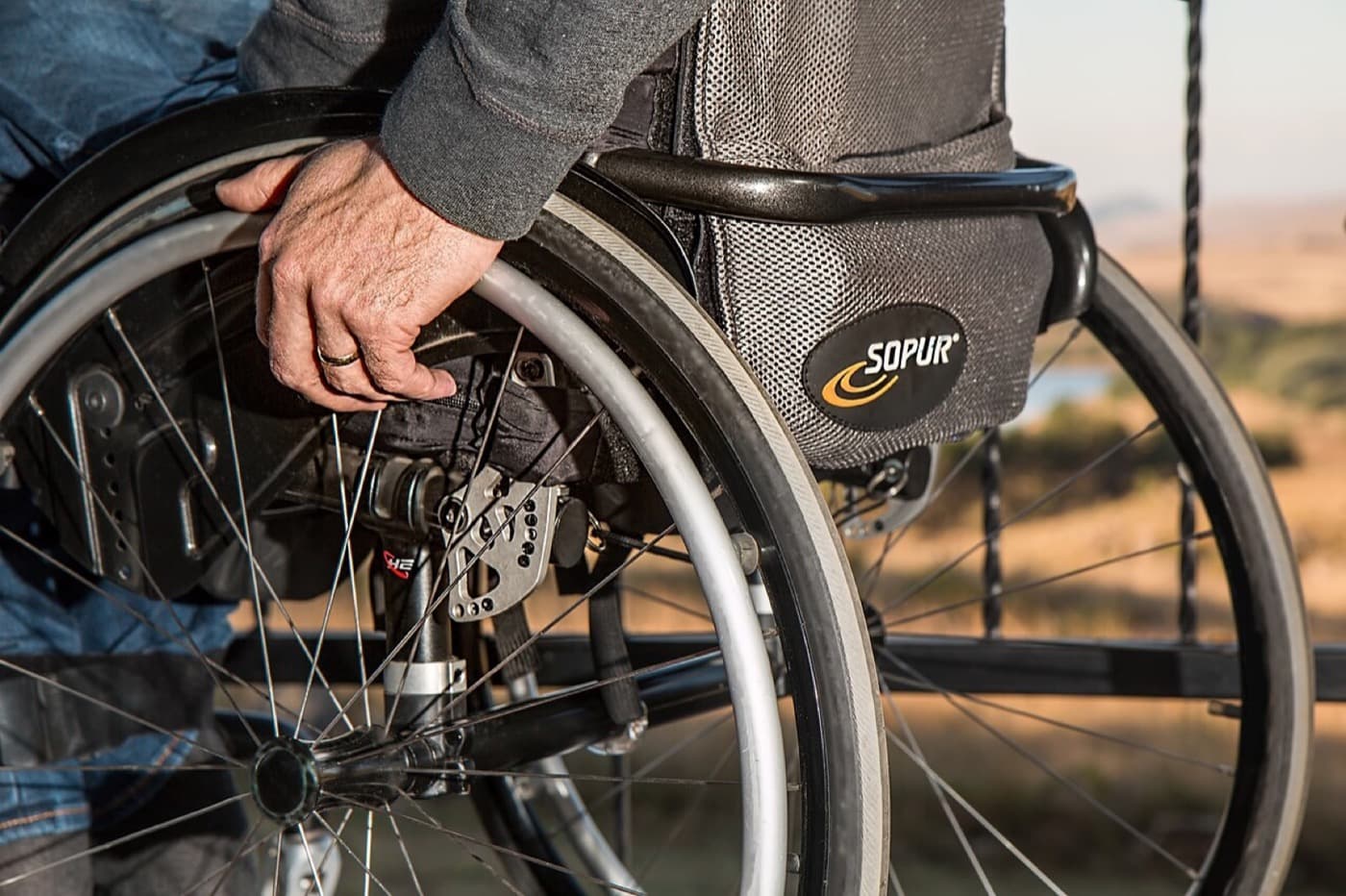
Cycling
A low-impact endurance sport that doubles as transport, exercise and adventure.
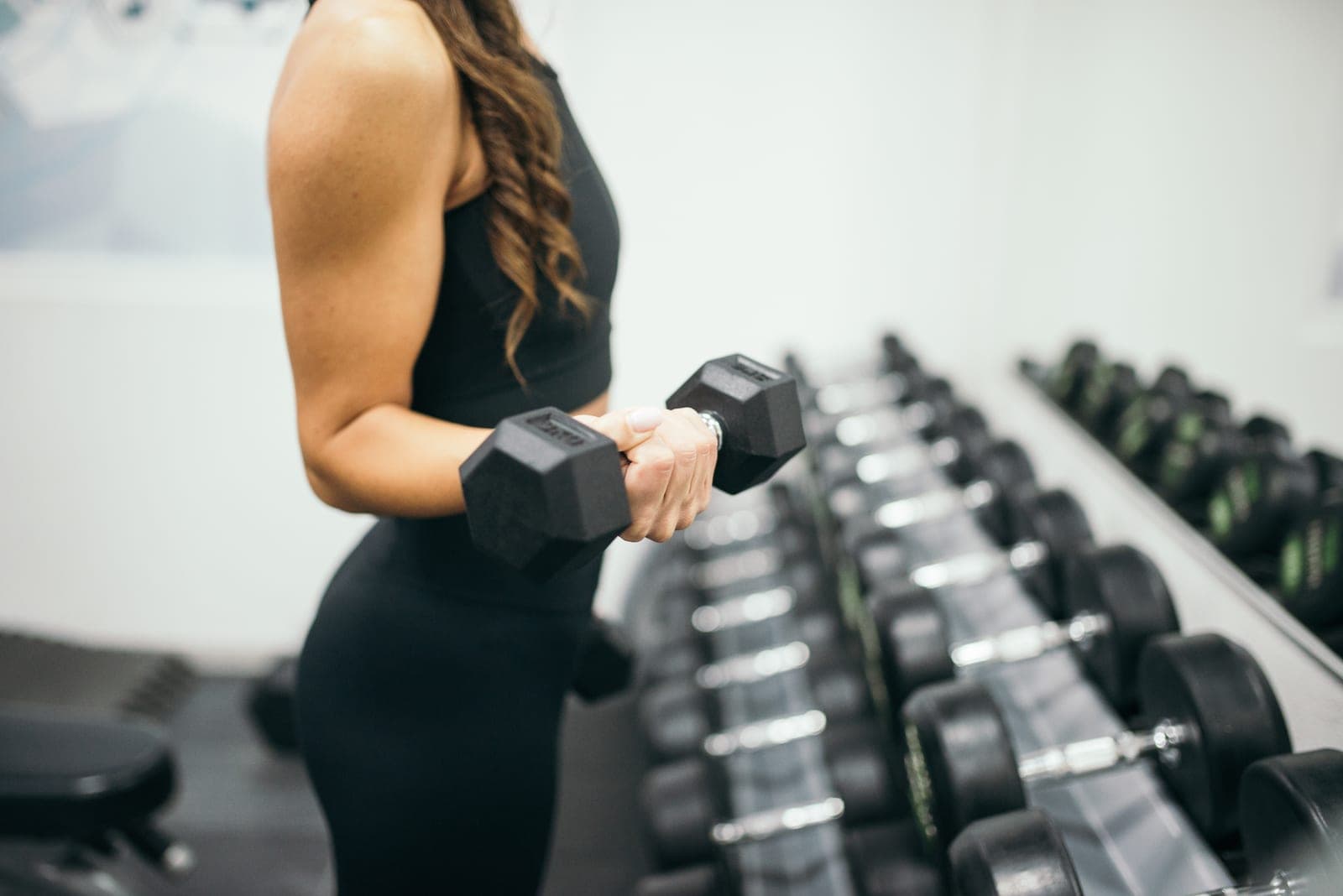
Fitness
Strength and general fitness training — the foundation that supports every other sport.
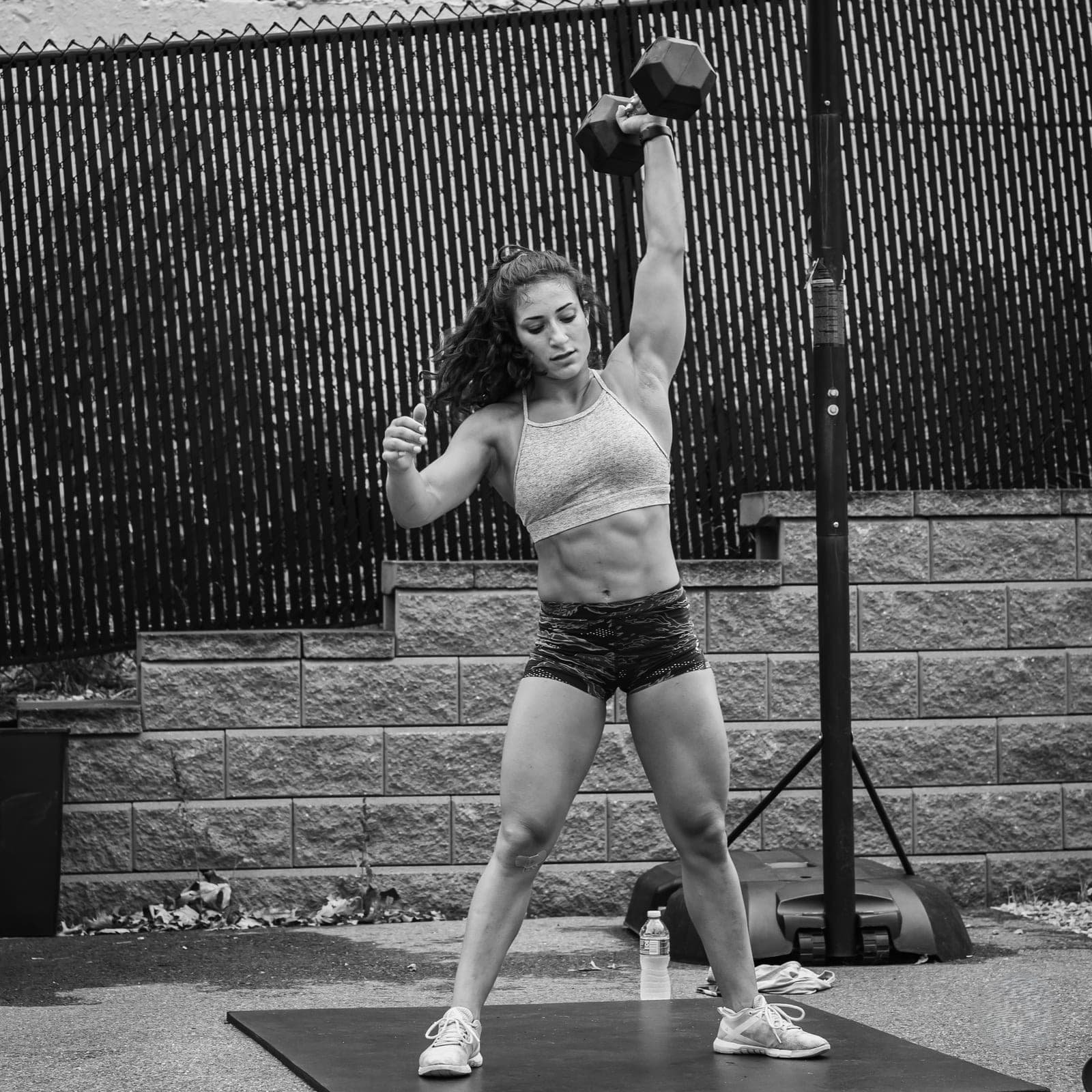
HIIT
High-intensity interval training that alternates short bursts of hard effort with brief recovery.
Football
The world’s most popular team sport — endless running, teamwork and community in one game.
Also fits this goal
Sports beyond the shortlist above that genuinely serve this goal, each with the reason it does and what it costs you. These are editorial judgements about how a sport is typically played, not source-verified facts.
- Strong fitAerobics
A led class of continuous, rhythmic movement at a pace someone else sets, which is how a lot of people get their first consistent aerobic habit.
What it costs you: The class time is fixed, so it only works if the timetable fits your week.
- Strong fitField Hockey
National activity guidance lists hockey as vigorous-intensity activity, and a match is close to continuous running with a stick in both hands.
What it costs you: It needs a club with pitch time, and much of it is played in a low crouch that takes getting used to.
- Strong fitFunctional Fitness
Sessions deliberately mix strength, aerobic work and movement skill rather than training one of them.
What it costs you: The class format sets the intensity, which is motivating in a group and easy to overdo in a first month.
- Strong fitFutsal
The small court and rolling substitutions keep the game continuous, so a session is sustained work rather than bursts and waiting.
What it costs you: The hard court is less forgiving than grass, and the pace is high from the first minute.
- Strong fitHandball
The clock rarely stops, so a match is close to continuous running and throwing.
What it costs you: Set training times and fixtures mean it has to fit your week rather than the other way round.
- Strong fitJudo
National activity guidance names martial arts among its vigorous-intensity examples, and judo randori is continuous full-resistance work.
What it costs you: It is close-contact grappling taught in a club under supervision — the conditioning arrives as a by-product of learning to fall and to grip.
- Strong fitKarate
National activity guidance names martial arts among its vigorous-intensity examples; a karate class is a sustained hour of drilling and kata.
What it costs you: Classes run at set times and progress is graded, so the commitment is to a club’s timetable rather than your own.
- Strong fitKickboxing
Pad and bag rounds are high-intensity intervals by any other name, and most classes are built from them.
What it costs you: It is hard on the shins, wrists and shoulders early on, and proper wraps and gloves are needed from the first session.
- Strong fitMuay Thai
Pad rounds and clinch work are high-intensity intervals, and most of a class is spent doing them.
What it costs you: It is a striking sport: sparring involves being hit, which is why supervision, rules and protective equipment matter from the first session.
- Strong fitNetball
National activity guidance lists netball as vigorous-intensity activity; the divided court keeps play close to continuous for a whole match.
What it costs you: You need a full side and a league night, so it depends on a club rather than on your own diary.
- Strong fitPadel
Long rallies in a small court mean near-continuous movement for the length of a match.
What it costs you: It is doubles by design, so a session needs three other people as well as a booked court.
- Strong fitRugby
National activity guidance lists rugby as vigorous-intensity activity, where a session counts double against the weekly target compared with moderate work.
What it costs you: It is a full-contact club sport on a fixed fixture schedule — the fitness comes with a season, a side and supervision.
- Strong fitTaekwondo
National activity guidance names martial arts among its vigorous-intensity examples, and taekwondo’s kicking work is demanding from the first session.
What it costs you: It asks a lot of hip mobility early on, and it is contact practice — supervised, but contact.
Train for it
Exercises and methods that build what this goal needs — educational, not a prescription.
Wall sit
A holding exercise where you sit against a wall with no chair, holding a squat position still.
Step-up
A movement where you step up onto a raised platform one leg at a time and step back down.
Kettlebell swing
A dynamic hinge where you swing a kettlebell to shoulder height using a snap of the hips.
Push-up
A classic upper-body pushing exercise where you lower and press your body up from the floor.
Tricep dip
A pushing exercise where you lower and raise your body using your arms on parallel bars or a bench.
Pull-up
A vertical pulling exercise where you hang from a bar and pull your chin above it.
Frequently asked questions
How long does it take to get fitter?
Many people notice small improvements within a few weeks of regular activity, but this varies widely and there are no guarantees. Steady, consistent effort over time is generally the most reliable path.
What kind of exercise improves fitness fastest?
There's no single answer — a mix of activities that challenge your stamina and strength tends to build well-rounded fitness. The best routine is one you can keep up consistently.
Do I need special equipment to get fit?
No. Many effective activities, like brisk walking, running, bodyweight exercises and many team sports, need little or no equipment to get started.
Related goals
Become more active
Add regular, gentle movement to your everyday life and build up from a sedentary start at your own pace.
Build an active lifestyle
Make movement a natural, lasting part of daily life through activities and habits you genuinely enjoy.
Improve cardiovascular health
Regular activity is widely linked with supporting heart and circulatory health as part of a balanced routine.
Build healthy habits
Using sport and routine to make regular activity a lasting part of everyday life.
Who & where this fits
This goal fits all kinds of people and lifestyles.
Teenagers
How sport can fit into a teenager’s life for fitness, friendship, confidence and healthy routines, with supervision.
Busy professionals
How time-efficient sport can fit a packed schedule to protect fitness, energy and stress relief.
Weekend athletes
How to enjoy recreational sport on weekends while staying comfortable and consistent through the week.
Travelers
How to stay active on the move with minimal-equipment sport that works almost anywhere.
Complete beginners
How to start sport from scratch with accessible, low-pressure activities and a gentle, gradual approach.
Returning to sport
How to ease back into sport after a break, rebuilding gradually and listening to your body.
How it connects
The meaning-bearing relationships that place Improve fitness in the wider knowledge graph — each one with the reason it exists.
Achieved through
Routes people take towards this goal.
- RunningRunning is one of the sports listed under the “Improve fitness” goal.
- SwimmingSwimming is one of the sports listed under the “Improve fitness” goal.
- CyclingCycling is one of the sports listed under the “Improve fitness” goal.
- FitnessFitness is one of the sports listed under the “Improve fitness” goal.
- HIITHIIT is one of the sports listed under the “Improve fitness” goal.
Explore across the knowledge base
Follow the threads that connect Improve fitness to the rest of SocialSportHub.
Barriers
- No timeWhen your days are full, sport has to fit into small windows rather than replace them — short, flexible activity that adds up.
- An unpredictable scheduleWhen no two weeks look the same, sport needs to be flexible and portable rather than tied to a fixed class time.
- Sitting all dayWhen work keeps you at a desk, the priority is breaking up long sitting and adding movement around the working day.
- Always travellingWhen you are often away from home, sport has to travel with you — bodyweight options, hotel-room routines and activity that needs no local club.
- Low confidenceWhen self-consciousness gets in the way, private or beginner-friendly settings and steady, visible progress help confidence grow through doing.
Motivations
- To stay healthyWhen health is the driver, regular, sustainable activity across fitness, strength and mobility supports an active life for the long term.
- To competeWhen the thrill of competition drives you, sports with clear contests, ladders and match play give you something to test yourself against.
- For a personal challengeWhen you play to set and reach goals, sports with visible progress and clear milestones give you something concrete to work towards.
- To get better at my sportWhen you already play and want to improve, structured practice, coaching concepts and targeted training turn effort into measurable progress.
- To have funWhen enjoyment is the point, playful, varied and social sports keep you coming back — because the best activity is the one you look forward to.
Experience levels
- BeginnerYou have started and the habit is forming — now it is about learning the fundamentals and building a base of fitness and skill.
- IntermediateThe basics are in place — now progress comes from more deliberate practice, filling gaps and adding structure to your training.
- AdvancedA high level of skill and fitness — progress becomes finer, more individual, and increasingly benefits from expert coaching.
- CompetitiveTraining and playing to compete — structured, goal-directed preparation built around events, with coaching and recovery central.
- EliteThe highest level of performance — a full, individualised, professionally supported pursuit far beyond what a general guide can direct.
Healthy living
- Taking the StairsChoosing stairs over the lift as a simple, no-cost way to add a little more effort to an ordinary day.
- Recovery SleepThe role rest plays in helping your body recover, adapt and feel ready after training and active days.
- Exercise and SleepThe two-way link between staying active and sleeping well — how movement can help rest, and how rest fuels movement.
- Hydration basicsWhy staying hydrated matters for an active life, and simple, sensible habits to drink enough through the day.
- Daily water intakeHow much to drink across a day — why there is no single right number, and simple ways to spread fluid sensibly.
Adaptive sports
- Para sportsThe competitive branch of adaptive sport, where athletes with disabilities train and compete, often within organised classification systems.
- Wheelchair SportsSports played from a wheelchair — often a specialised sports chair — so that wheelchair users can take part, train and compete.
- Sports for Blind and Visually Impaired AthletesSports adapted with sound, touch and guiding support so that athletes who are blind or have low vision can take part and compete.
- Sports for Deaf and Hard of Hearing AthletesMainstream sports made accessible by replacing sound-based signals with visual cues so that deaf and hard of hearing athletes can take part and compete.
- Seated SportsSports played from a seated position — on the floor, on a bench or in a chair — so that people who benefit from a stable seated base can take part.
How this page is maintained
- Content type
- Life goal
- Provenance
- Tier A — evergreen educational
- Verified external sources
- 0
- Content updated
- 2026-09-22
Evergreen, first-party explanation — it makes no claim that needs an external source. How we handle sources and reviews.