
Become more active
Add regular, gentle movement to your everyday life and build up from a sedentary start at your own pace.
How sport helps
Becoming more active is about adding regular movement into your everyday life, especially if you've been mostly sedentary. Small, consistent changes — more walking, taking the stairs, a gentle sport — often add up to more than occasional bursts of intense exercise.
You don't need to start with anything demanding. Beginning gently and building up as you feel ready is a sustainable way to make activity a normal part of your routine.
- Low-pressure sports and activities give you an enjoyable reason to move regularly, which helps activity become a habit.
- Many activities can start very gently and scale up as your confidence and stamina grow.
- Social and outdoor activities can make moving more feel like fun rather than exercise.
- Building small amounts of movement into your week is often easier to sustain than a big, sudden change.
Getting started
- 1Start small — a short daily walk or a gentle session is a perfectly good beginning.
- 2Choose activities that fit easily into your day so they're simple to keep up.
- 3Add a little more movement gradually as it starts to feel comfortable.
- 4If you've been inactive for a long time or have any health conditions, consider checking with a doctor before increasing activity.
Good sports for this goal
Great places to start — each with a clear, beginner-friendly guide.
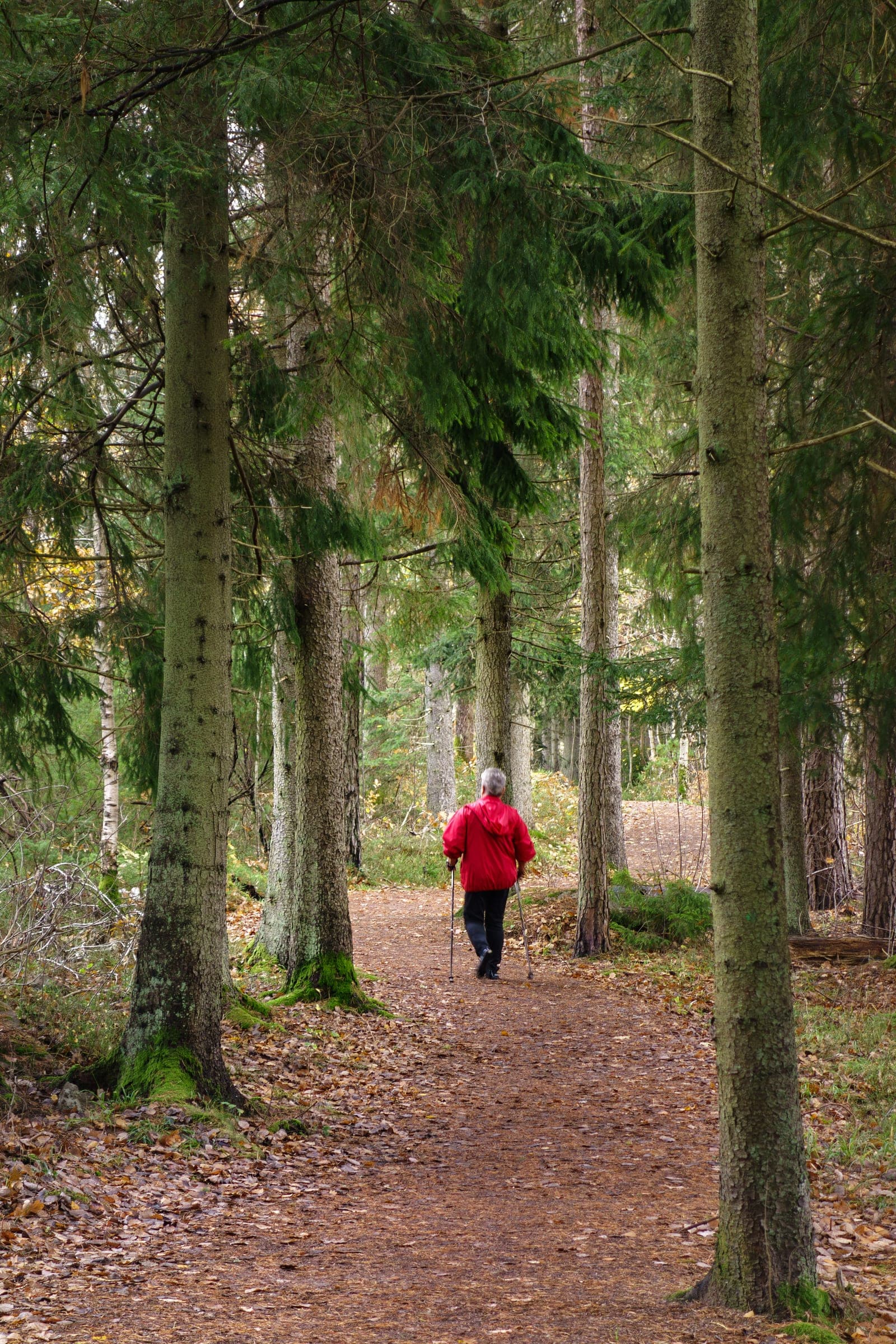
Nordic Walking
A gentle, accessible endurance activity that adds poles to bring the upper body into every walk.

Hiking
An accessible outdoor sport of walking natural trails and hills at your own pace, solo or in a group.
Cycling
A low-impact endurance sport that doubles as transport, exercise and adventure.
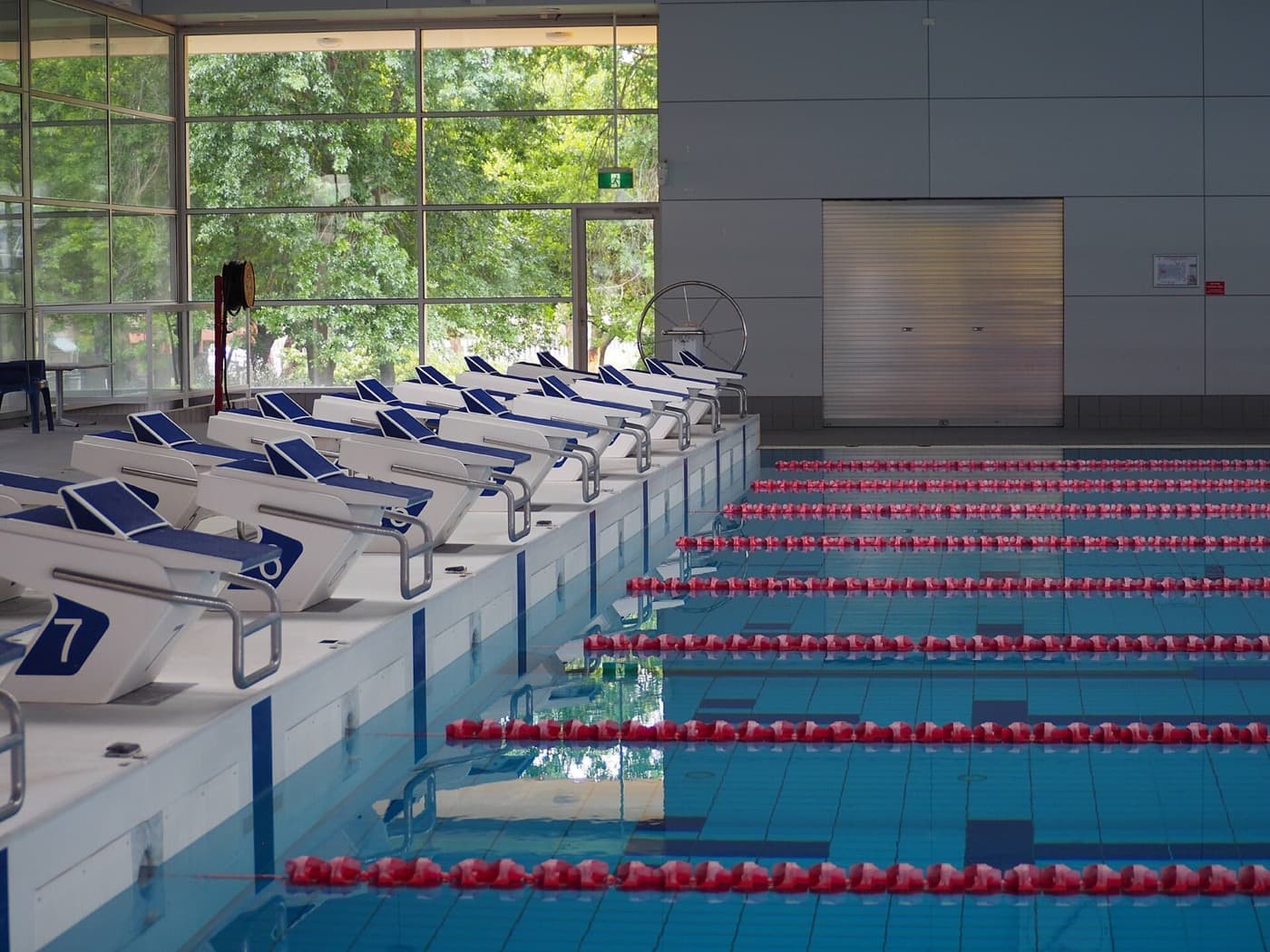
Swimming
A full-body, low-impact endurance sport suitable for almost every age and ability.
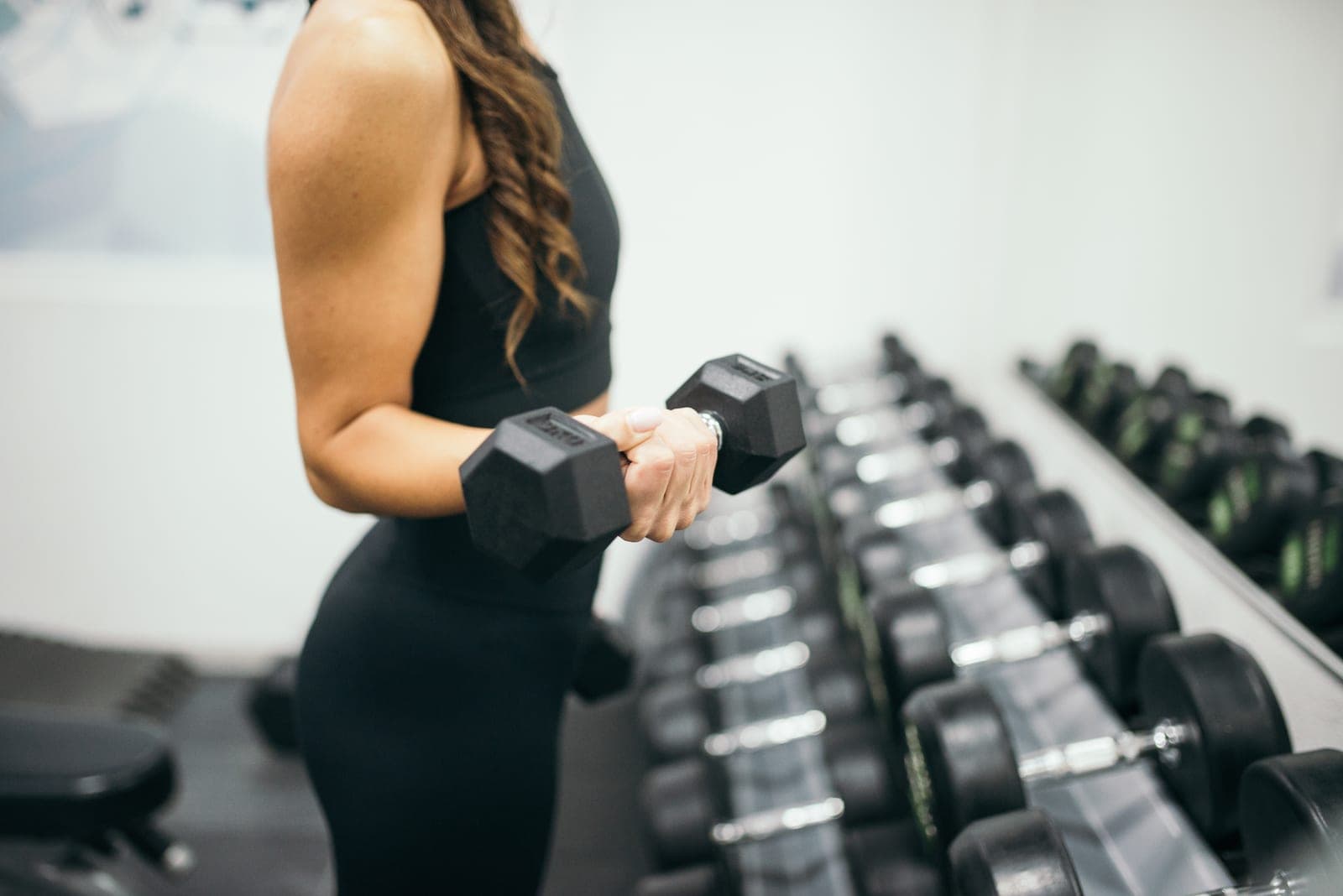
Fitness
Strength and general fitness training — the foundation that supports every other sport.
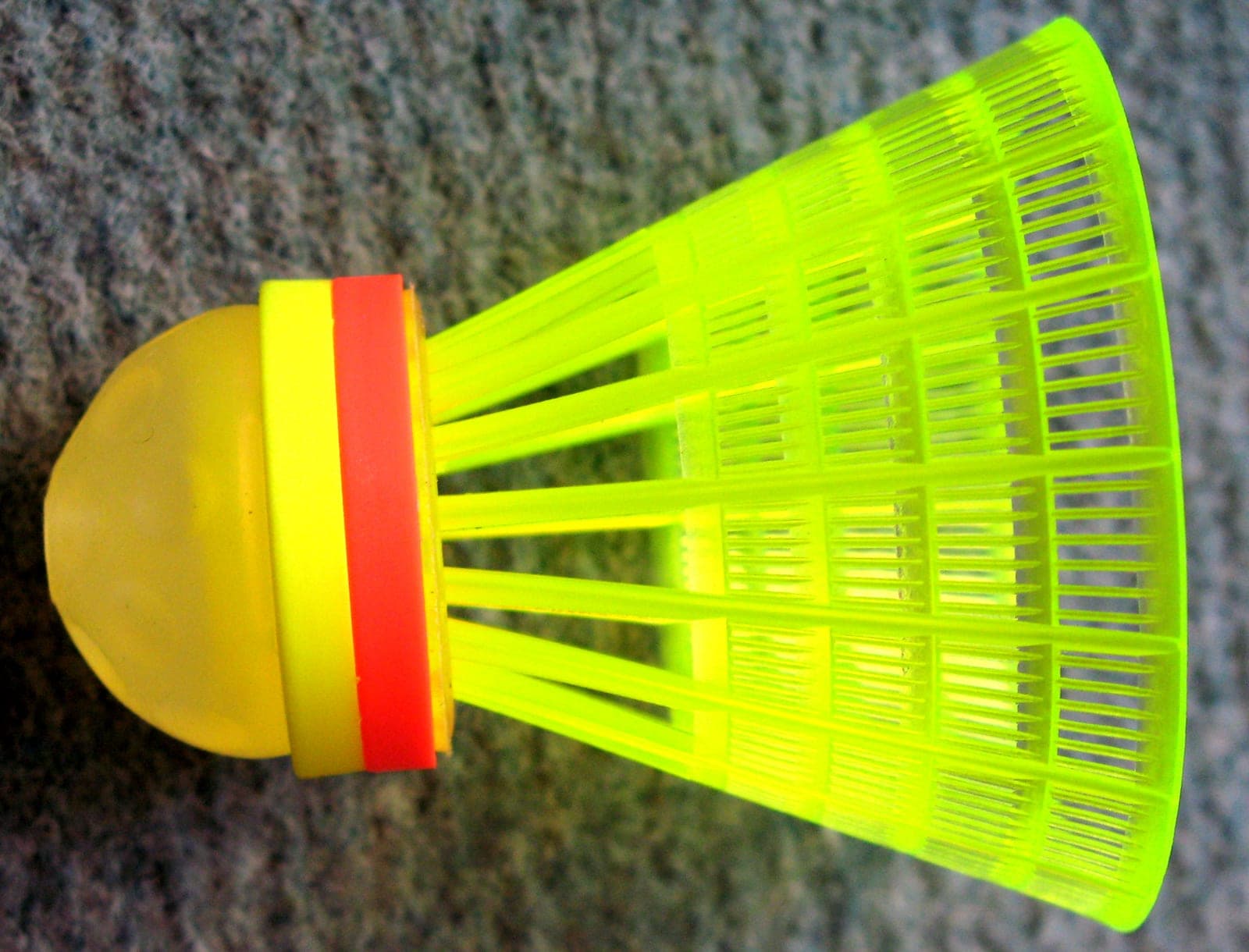
Badminton
A fast indoor racquet sport played with a shuttlecock that rewards agility and touch.
Also fits this goal
Sports beyond the shortlist above that genuinely serve this goal, each with the reason it does and what it costs you. These are editorial judgements about how a sport is typically played, not source-verified facts.
- Strong fitQigong
It asks almost nothing to begin — no kit, no venue, no fitness — which makes it one of the lowest thresholds to regular movement there is.
What it costs you: It is gentle by design, so it is a way of starting rather than a way of training.
- Situational fitRace Walking
It keeps one foot in contact with the ground throughout, so it is sustained aerobic work without the repeated landings running involves.
What it costs you: The technique feels awkward at first and draws attention, which puts some people off before it becomes natural.
- Strong fitSnowshoeing
The threshold is a pair of hired snowshoes and the ability to walk, which is about as low as an outdoor winter sport gets.
What it costs you: Deep snow is harder work than it looks, and the season is short in most places.
- Strong fitTennis
National activity guidance names doubles tennis among its moderate-intensity examples — an hour on court counts toward the weekly target in its own right.
What it costs you: It needs a court, a booking and at least one other player, so it takes more arranging than activity you can start at the door.
Train for it
Exercises and methods that build what this goal needs — educational, not a prescription.
Wall sit
A holding exercise where you sit against a wall with no chair, holding a squat position still.
Step-up
A movement where you step up onto a raised platform one leg at a time and step back down.
Kettlebell swing
A dynamic hinge where you swing a kettlebell to shoulder height using a snap of the hips.
Push-up
A classic upper-body pushing exercise where you lower and press your body up from the floor.
Tricep dip
A pushing exercise where you lower and raise your body using your arms on parallel bars or a bench.
Pull-up
A vertical pulling exercise where you hang from a bar and pull your chin above it.
Frequently asked questions
How much activity should I aim for?
General guidance encourages regular movement across the week, but any increase from being sedentary is a good start. Building up gradually toward a routine you can sustain is more important than hitting a specific number right away.
I'm very unfit — where do I begin?
Begin gently with something low-impact, like walking, and keep sessions short at first. As it becomes easier, you can slowly do a little more. If you have health concerns, a doctor can offer personalised guidance.
Does everyday movement count?
Yes. Walking, taking the stairs, gardening and active chores all add to your daily movement and are a great foundation for becoming more active.
Related goals
Build an active lifestyle
Make movement a natural, lasting part of daily life through activities and habits you genuinely enjoy.
Improve fitness
Build well-rounded fitness — stamina, strength and more — through regular, varied activity you can keep up.
Build healthy habits
Using sport and routine to make regular activity a lasting part of everyday life.
Sports for beginners
How to start playing sport from scratch — choosing a first activity and building up gently.
Who & where this fits
This goal fits all kinds of people and lifestyles.
Office workers
How sport can offset long hours of sitting and screen time to support mobility, energy and stress relief.
Busy professionals
How time-efficient sport can fit a packed schedule to protect fitness, energy and stress relief.
Travelers
How to stay active on the move with minimal-equipment sport that works almost anywhere.
Complete beginners
How to start sport from scratch with accessible, low-pressure activities and a gentle, gradual approach.
Returning to sport
How to ease back into sport after a break, rebuilding gradually and listening to your body.
Parents
How busy parents can fit sport around family life with flexible, home-friendly and time-efficient options.
How it connects
The meaning-bearing relationships that place Become more active in the wider knowledge graph — each one with the reason it exists.
Achieved through
Routes people take towards this goal.
- Nordic WalkingNordic Walking is one of the sports listed under the “Become more active” goal.
- HikingHiking is one of the sports listed under the “Become more active” goal.
- CyclingCycling is one of the sports listed under the “Become more active” goal.
- SwimmingSwimming is one of the sports listed under the “Become more active” goal.
- FitnessFitness is one of the sports listed under the “Become more active” goal.
Explore across the knowledge base
Follow the threads that connect Become more active to the rest of SocialSportHub.
Barriers
- No timeWhen your days are full, sport has to fit into small windows rather than replace them — short, flexible activity that adds up.
- An unpredictable scheduleWhen no two weeks look the same, sport needs to be flexible and portable rather than tied to a fixed class time.
- Low motivationWhen motivation is hard to find, the fix is rarely more willpower — it is making the activity smaller, easier and more enjoyable so starting is simple.
- Nervous about startingWhen starting feels intimidating, beginner-friendly, low-pressure settings and a gentle first step make the first move far easier.
- Low confidenceWhen self-consciousness gets in the way, private or beginner-friendly settings and steady, visible progress help confidence grow through doing.
Experience levels
Healthy living
- WalkingThe most accessible activity there is — free, low-impact, and one of the easiest ways to add movement to any day.
- Walking MeetingsTaking a call or a one-to-one on the move instead of at a desk — an easy way to add movement to the working day without losing time.
- Active BreaksShort bursts of movement woven through the working or study day to break up long stretches of sitting.
- Taking the StairsChoosing stairs over the lift as a simple, no-cost way to add a little more effort to an ordinary day.
- Reducing SittingBreaking up long, unbroken stretches of sitting with small, regular movement through the day.
Adaptive sports
- Adaptive sportsSport adjusted in its equipment, rules or format so that people with disabilities can take part, compete and enjoy it.
- Inclusive sportsSport designed or delivered so that disabled and non-disabled people can play together, side by side, in the same activity.
- Accessibility in sportHow sport removes barriers — physical, sensory, social and informational — so that disabled people can take part on equal terms.
- Ambulant Para SportsPara sports for athletes who compete standing or on foot — walking or running — rather than from a wheelchair or seated position.
- Adaptive equipmentPurpose-built or adjusted gear — from sport wheelchairs to sound-adapted balls — that helps make a sport accessible to play.
How this page is maintained
- Content type
- Life goal
- Provenance
- Tier A — evergreen educational
- Verified external sources
- 0
- Content updated
- 2026-09-22
Evergreen, first-party explanation — it makes no claim that needs an external source. How we handle sources and reviews.