
Inclusive sports
Sport designed or delivered so that disabled and non-disabled people can play together, side by side, in the same activity.
Overview
Inclusive sport is about designing activities so disabled and non-disabled people can take part together, rather than in separate sessions. It ranges from fully mixed games to formats where everyone plays a shared version of the same activity, side by side.
Where adaptive sport focuses on adjusting a sport for a disability, inclusion focuses on belonging — making sure everyone is welcome, involved and valued in the same space. Done well, it benefits every participant, not only disabled players.
What to know
- Sport organised so disabled and non-disabled people can play together.
- Includes mixed-ability sessions, unified teams and open, welcoming clubs.
- Overlaps with adaptive sport but emphasises togetherness and belonging.
- Good inclusion considers equipment, rules, coaching and the social side of a club.
- Widens participation and builds understanding and friendship across a community.
In practice
- Inclusion is a culture as much as a set of rules — a friendly, flexible club matters as much as the equipment.
- Small changes, such as clear communication, flexible teams and varied roles, often make a big difference.
- For tailoring a session to specific needs, ask the sport's governing body and a qualified professional.
Educational & inclusive
Related sports
Sports that connect to this topic — each with a clear, beginner-friendly guide.
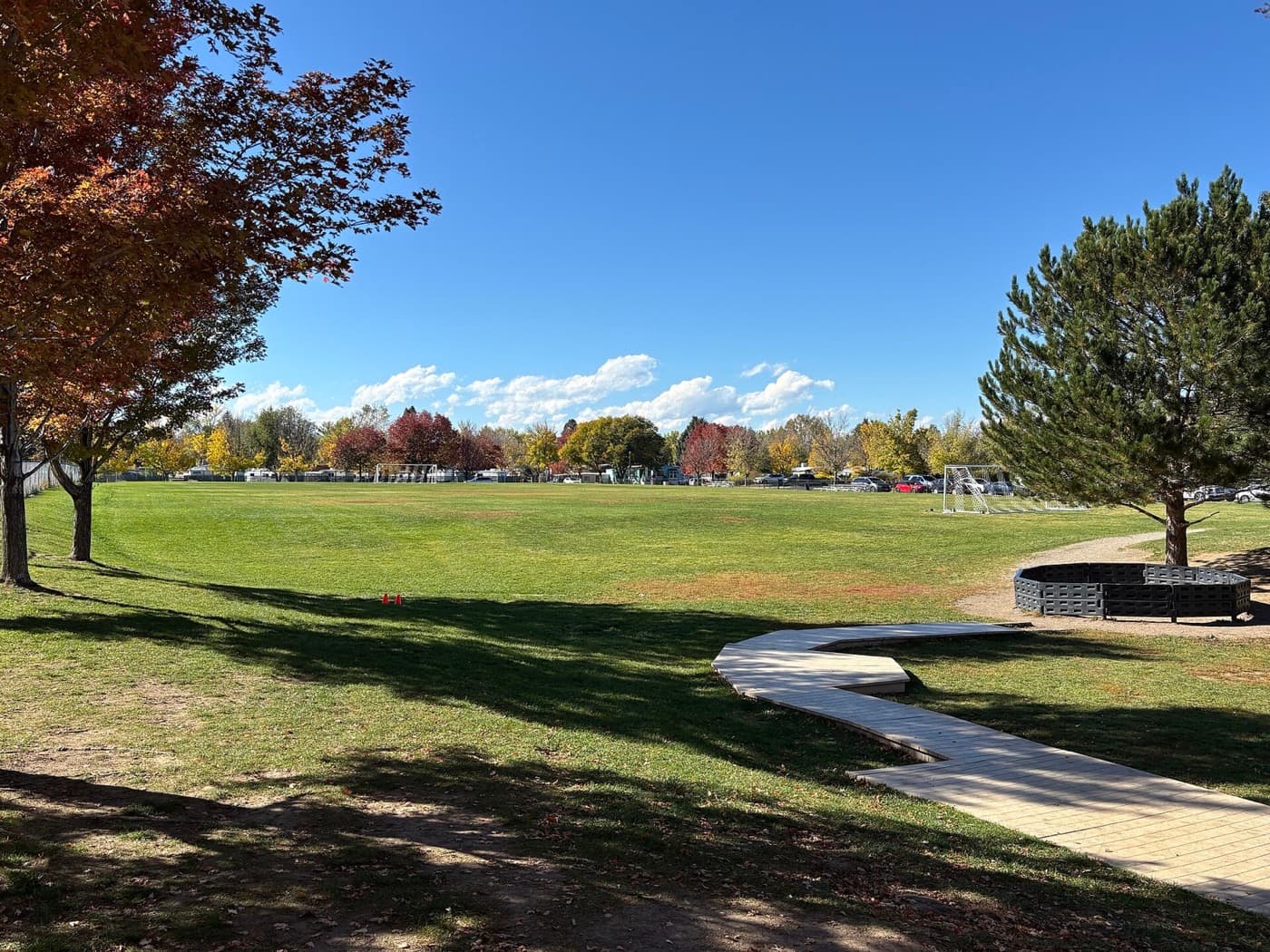
Football
The world’s most popular team sport — endless running, teamwork and community in one game.
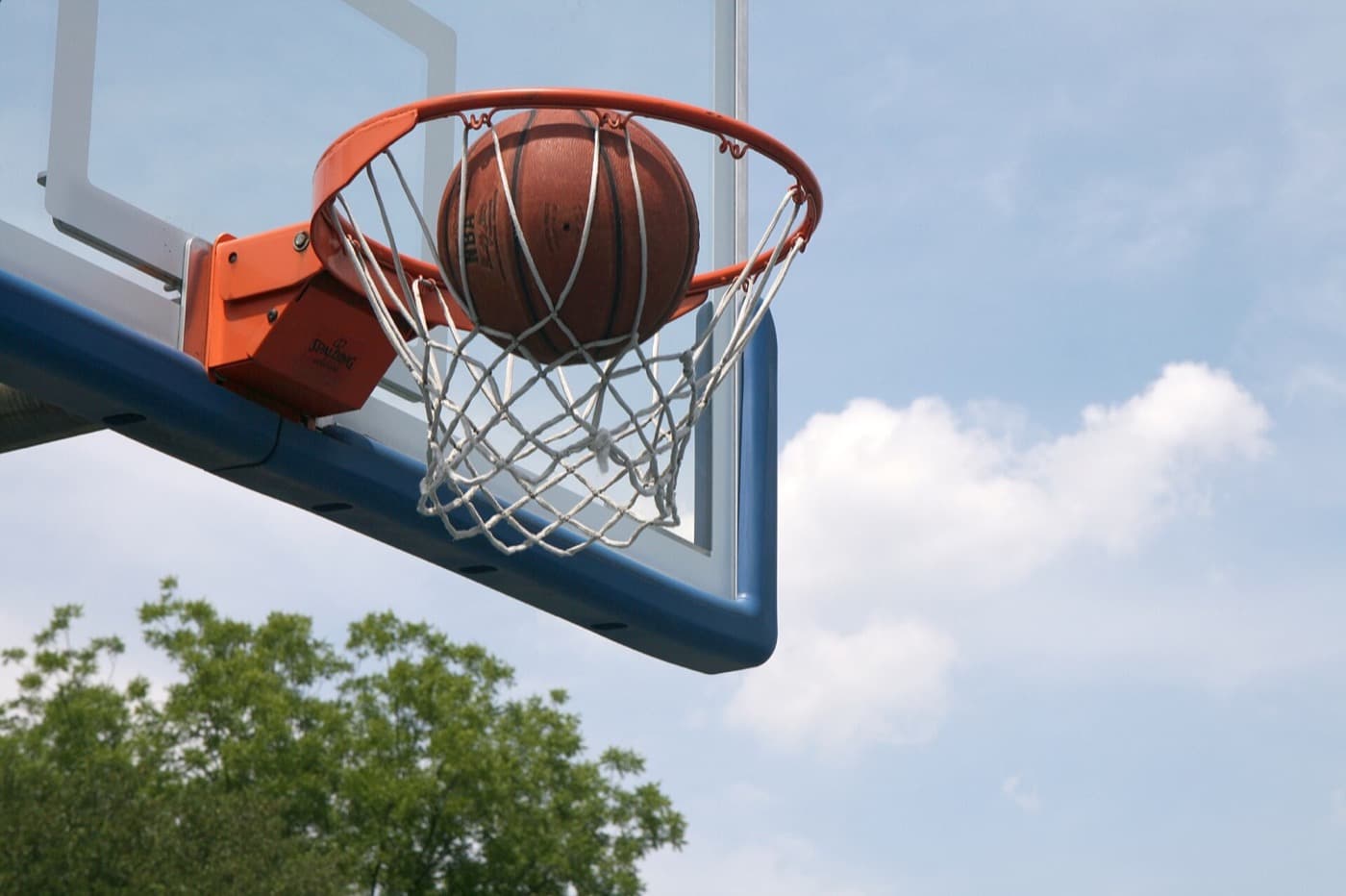
Basketball
A fast, dynamic team sport of running, jumping and quick decisions on court.
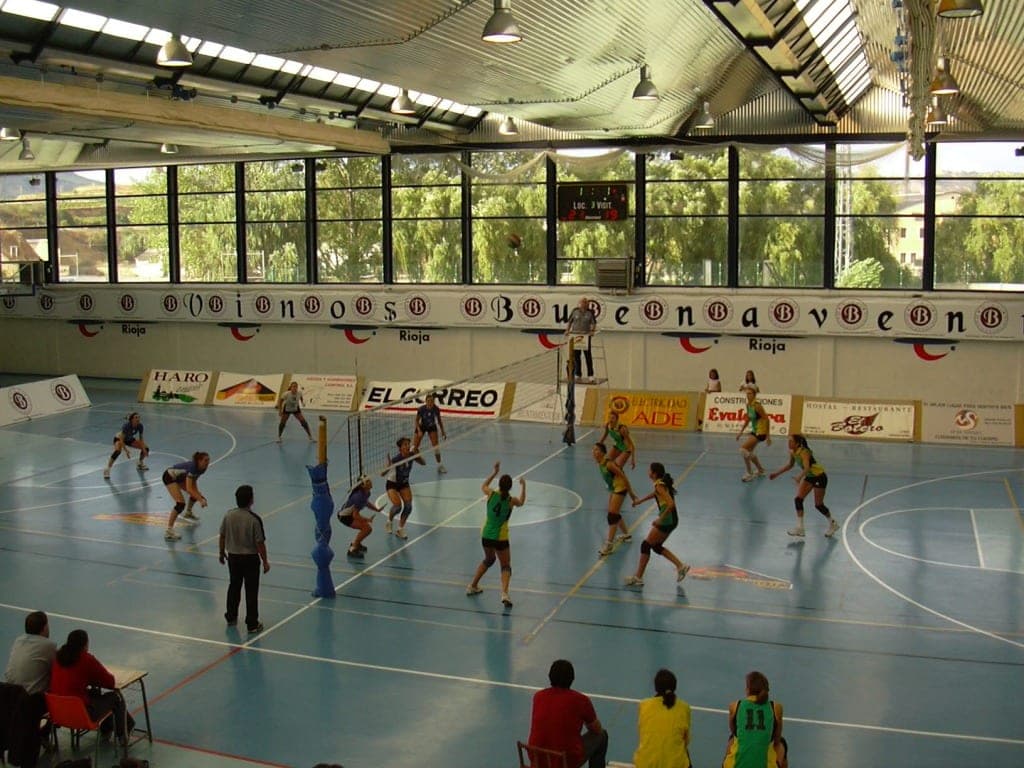
Volleyball
A non-contact team sport of rallies, jumps and teamwork — indoors or on the beach.
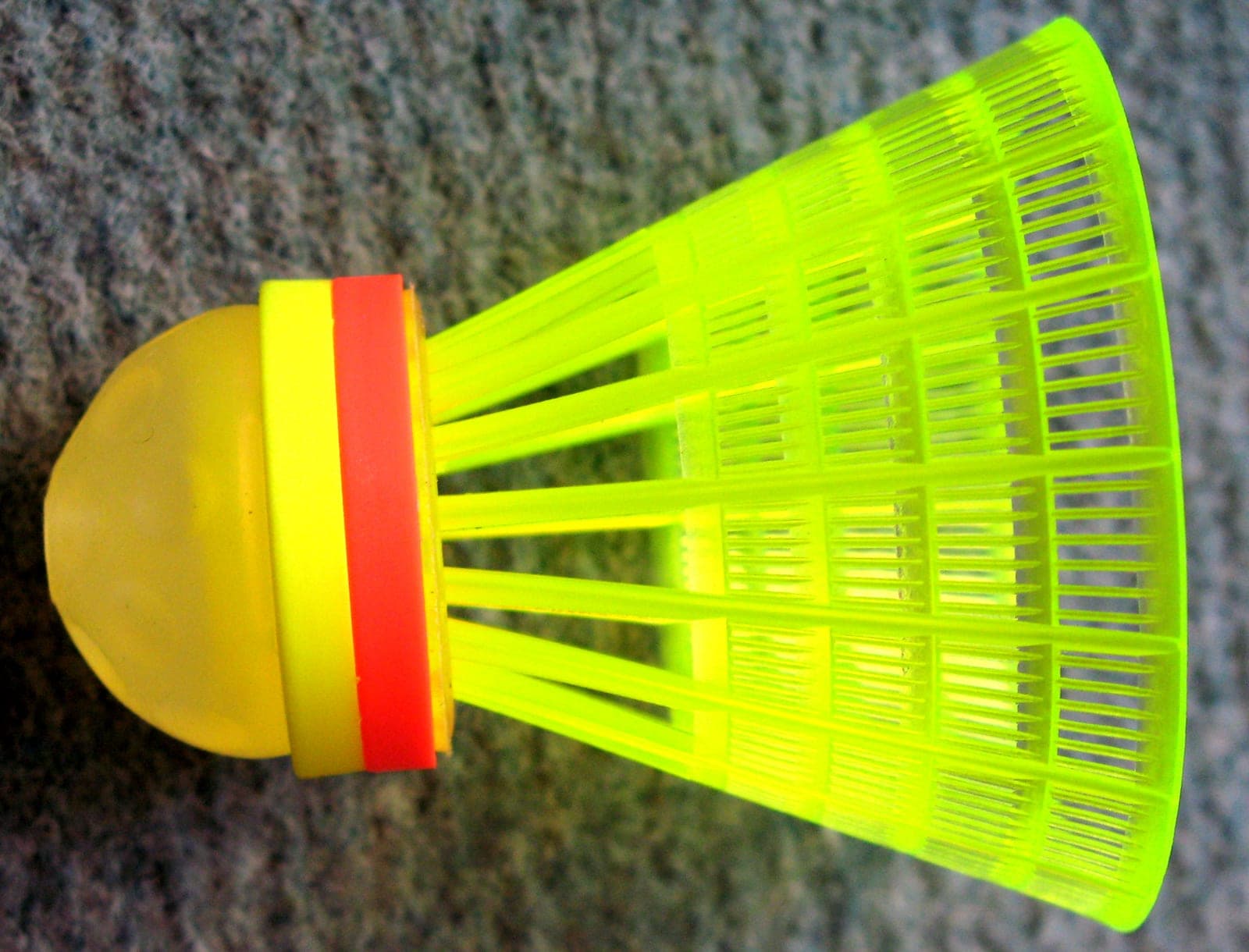
Badminton
A fast indoor racquet sport played with a shuttlecock that rewards agility and touch.
Goals it supports
Social activities
Use sport as a way to meet people, make friends and stay connected while staying active.
Build confidence
Use sport and steady progress to feel more capable, comfortable and self-assured over time.
Become more active
Add regular, gentle movement to your everyday life and build up from a sedentary start at your own pace.
Improve mental wellbeing
Use regular, enjoyable activity to support your mood, connection and sense of wellbeing as one healthy habit among many.
Frequently asked questions
What are inclusive sports?
Inclusive sports are activities set up so disabled and non-disabled people can take part together in the same session, rather than separately. They combine practical adaptations with a welcoming culture in which everyone belongs. The exact format varies from one club and sport to another.
How is inclusive sport different from adaptive sport?
Adaptive sport is about adjusting a sport so people with disabilities can take part, while inclusive sport is about bringing disabled and non-disabled people together in the same activity. The two overlap often, and many clubs use both ideas side by side.
Explore across the knowledge base
Follow the threads that connect Inclusive sports to the rest of SocialSportHub.
People
- FamiliesHow families can be active together with inclusive, all-ages sports that make movement social and fun.
- Complete beginnersHow to start sport from scratch with accessible, low-pressure activities and a gentle, gradual approach.
- CouplesHow sport can fit two people doing it together — shared activity that doubles as time together, mutual motivation and a common goal.
Knowledge Atlas
Rules
How this page is maintained
- Content type
- Adaptive sports topic
- Provenance
- Tier A — evergreen educational
- Verified external sources
- 0
- Content updated
- 2026-07-09
Evergreen, first-party explanation — it makes no claim that needs an external source. How we handle sources and reviews.