
Complete beginners
How to start sport from scratch with accessible, low-pressure activities and a gentle, gradual approach.
Overview
Starting from scratch can feel daunting, but every athlete began as a beginner. The most important things at the start are choosing an accessible, welcoming activity and keeping early sessions gentle and low-pressure, so the habit has room to grow.
Beginner-friendly sports have a gentle learning curve and do not demand much equipment or skill to enjoy on day one. Building up slowly, celebrating small wins and focusing on consistency rather than intensity sets a strong, sustainable foundation.
What works
- Accessible, welcoming activities lower the barrier to starting.
- A gentle learning curve makes the first sessions enjoyable.
- Building up slowly protects comfort and motivation.
- Consistency matters more than intensity at the start.
Getting started
- 1Pick one beginner-friendly activity that appeals to you.
- 2Start gently and keep the first sessions short and comfortable.
- 3Learn the basics, warm up, and don’t rush progression.
- 4Check with a professional first if you have any health concerns.
Sports that fit
Great places to start — each with a clear, beginner-friendly guide.
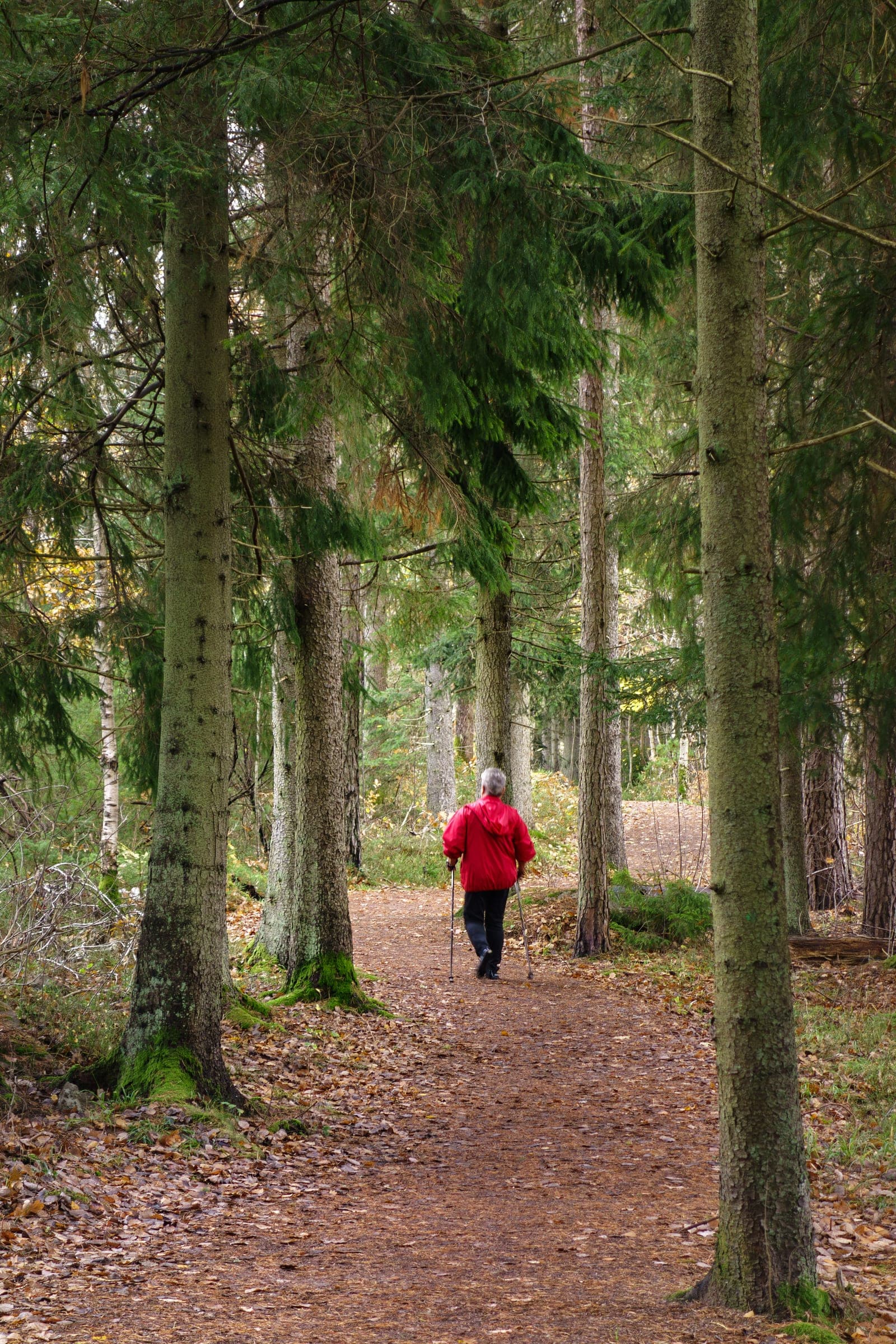
Nordic Walking
A gentle, accessible endurance activity that adds poles to bring the upper body into every walk.
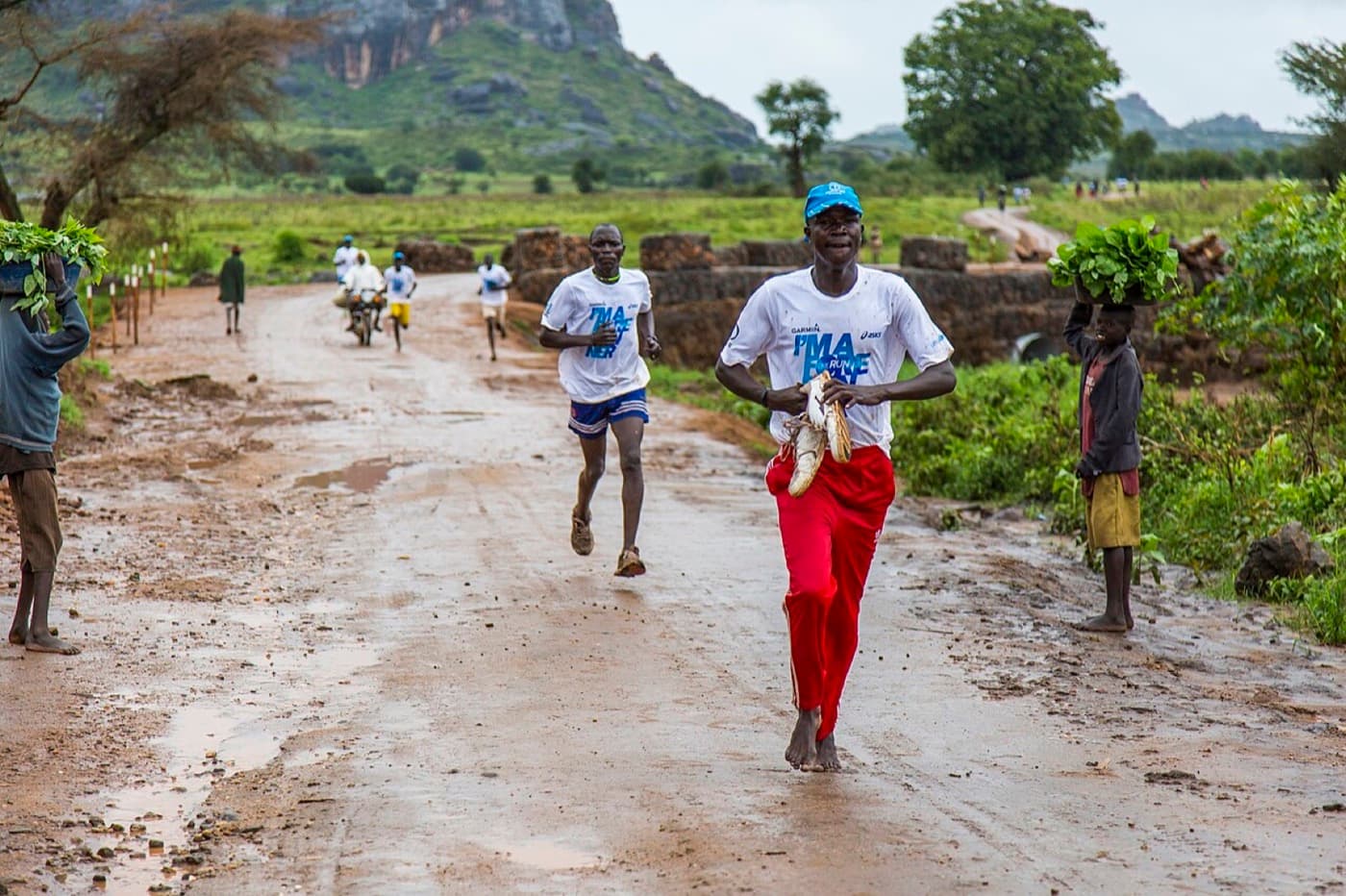
Running
The most accessible endurance sport — no venue, just shoes and the open road or trail.
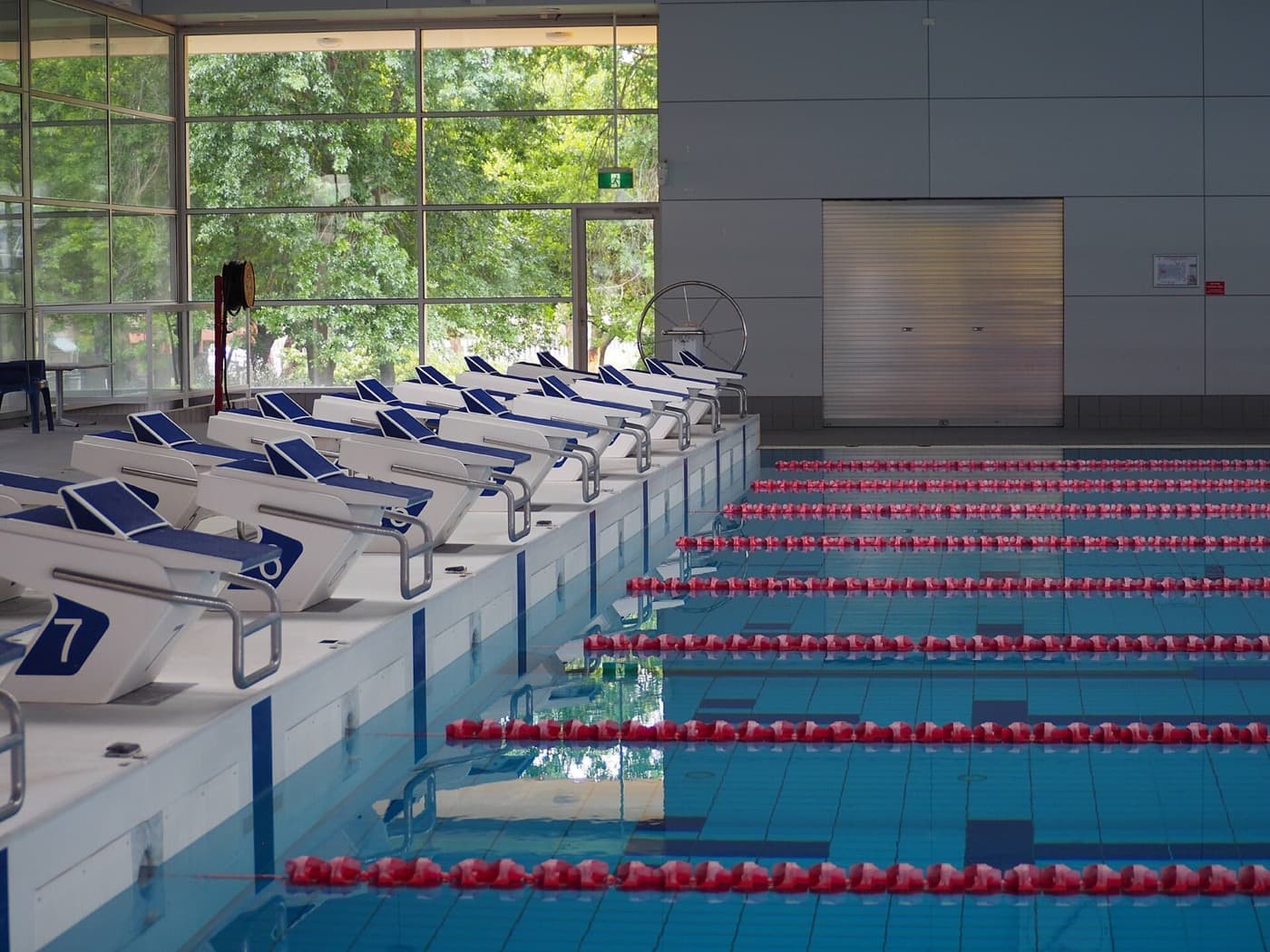
Swimming
A full-body, low-impact endurance sport suitable for almost every age and ability.
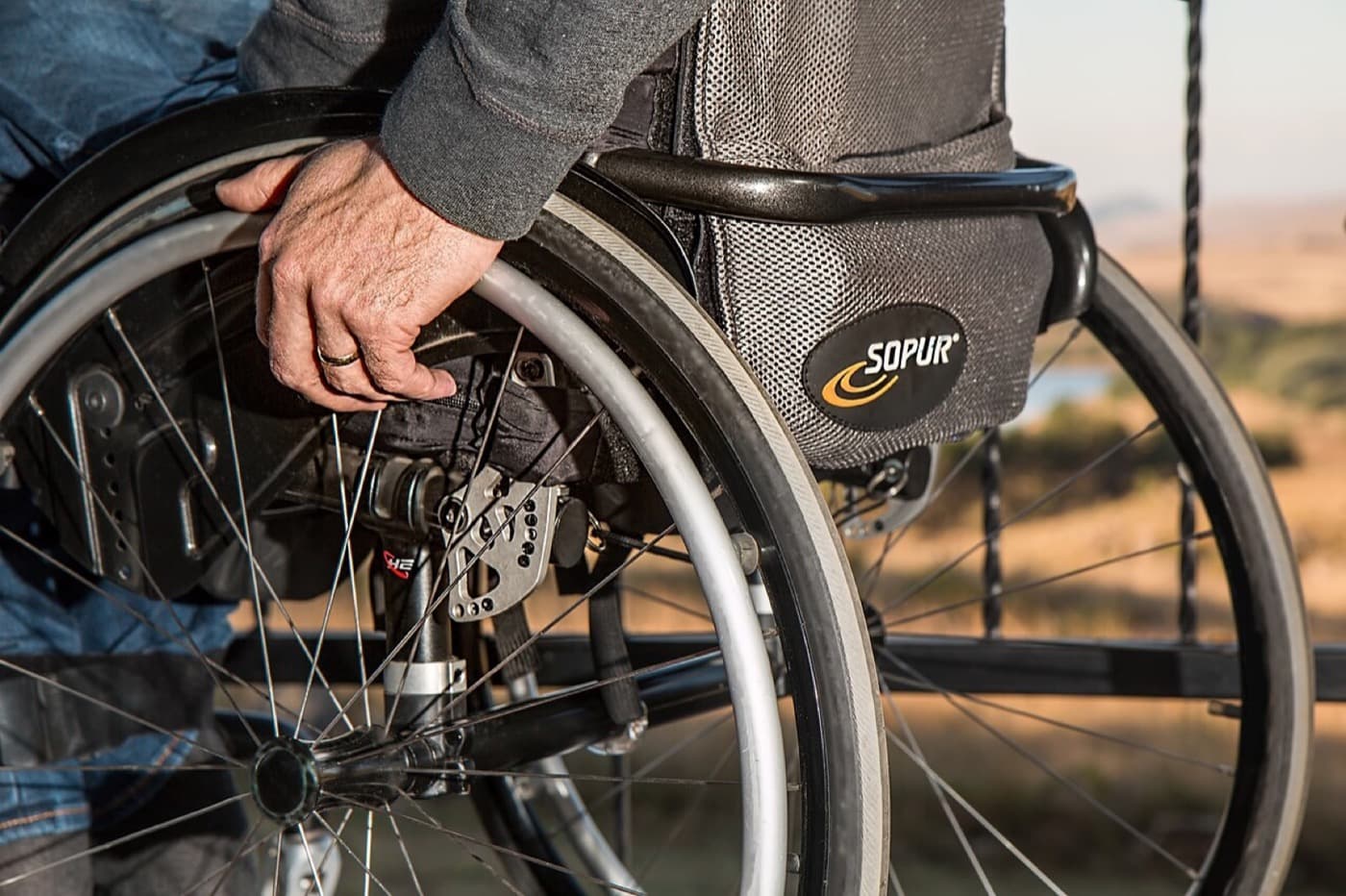
Cycling
A low-impact endurance sport that doubles as transport, exercise and adventure.
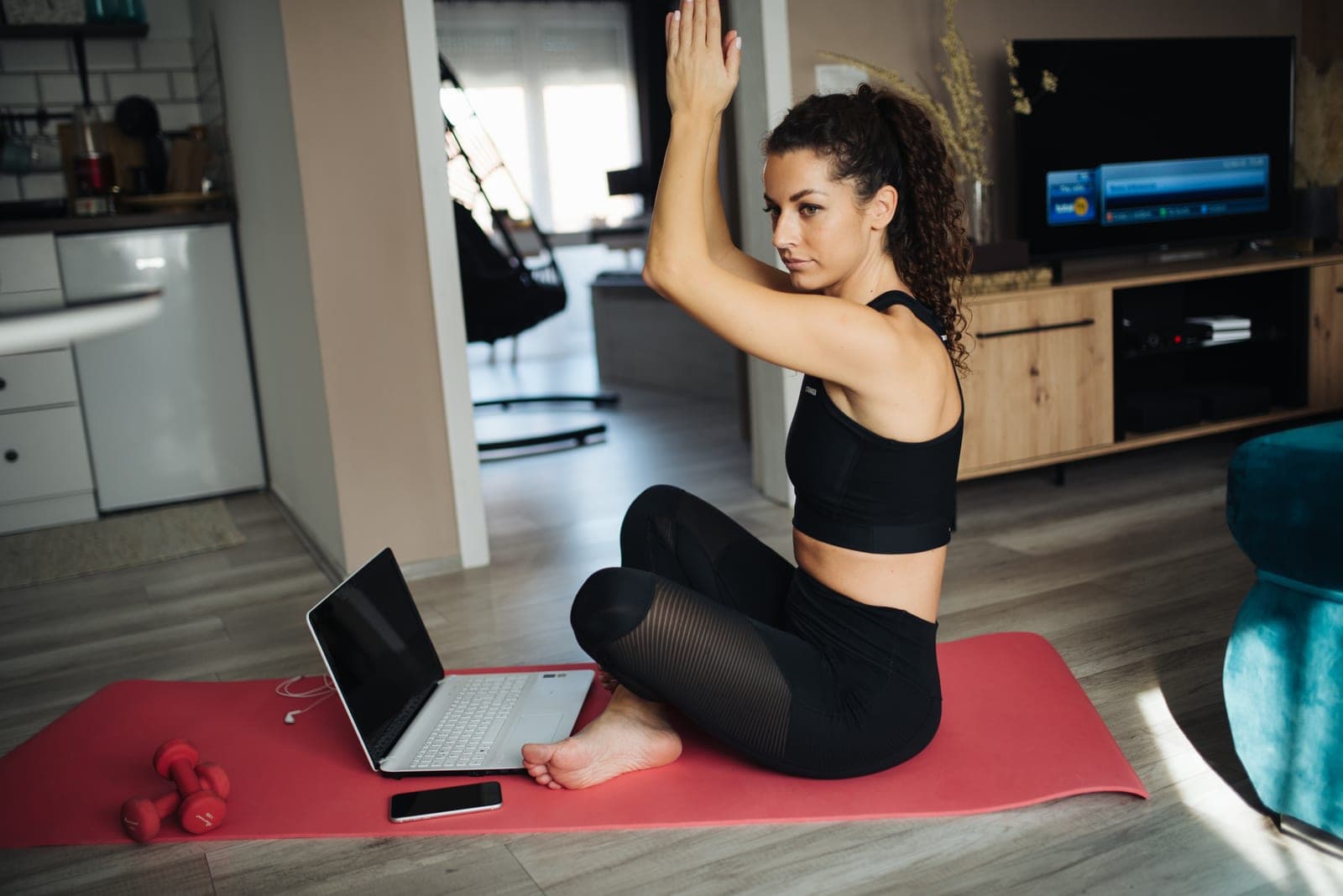
Yoga
A mind-body practice that links postures, breathing and focus to build flexibility, strength and calm.
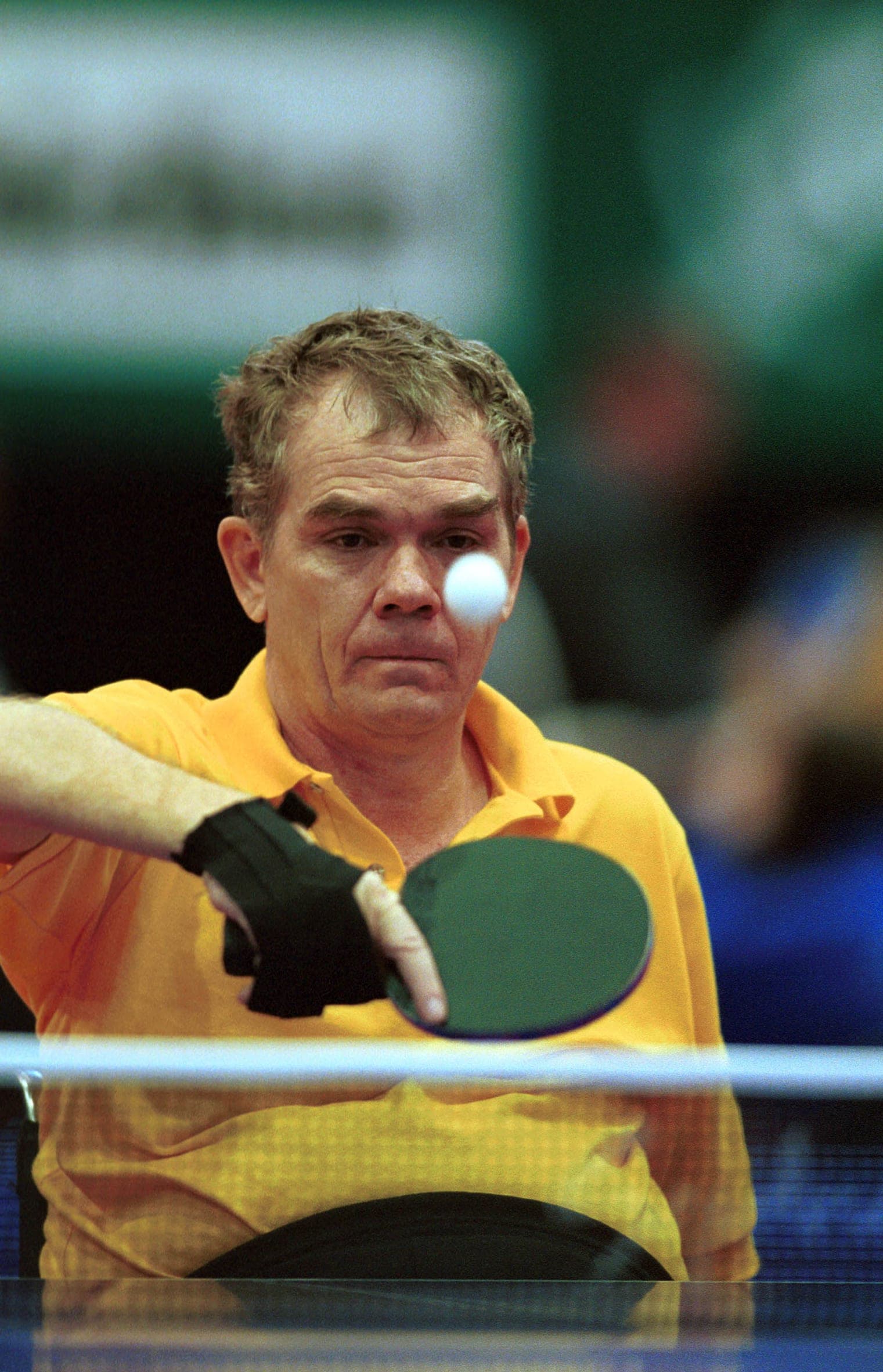
Table Tennis
A fast, low-impact indoor racquet sport that sharpens reflexes and is easy to start.
Goals that fit
Sports for beginners
How to start playing sport from scratch — choosing a first activity and building up gently.
Become more active
Add regular, gentle movement to your everyday life and build up from a sedentary start at your own pace.
Build healthy habits
Using sport and routine to make regular activity a lasting part of everyday life.
Build confidence
Use sport and steady progress to feel more capable, comfortable and self-assured over time.
Improve fitness
Build well-rounded fitness — stamina, strength and more — through regular, varied activity you can keep up.
Ways to train
Exercises and methods that fit — educational, not a prescription.
Wall sit
A holding exercise where you sit against a wall with no chair, holding a squat position still.
Step-up
A movement where you step up onto a raised platform one leg at a time and step back down.
Kettlebell swing
A dynamic hinge where you swing a kettlebell to shoulder height using a snap of the hips.
Push-up
A classic upper-body pushing exercise where you lower and press your body up from the floor.
Tricep dip
A pushing exercise where you lower and raise your body using your arms on parallel bars or a bench.
Pull-up
A vertical pulling exercise where you hang from a bar and pull your chin above it.
Frequently asked questions
What sport should a complete beginner start with?
Accessible activities with a gentle learning curve — such as walking-based sports, swimming, cycling or yoga — are common starting points. The best pick is one that appeals to you and feels manageable on day one.
How do I start exercising if I’ve never done it?
Begin gently, keep early sessions short and focus on consistency rather than intensity. Building up slowly and celebrating small wins helps the habit stick. Check with a professional first if you have any health concerns.
How long until I see progress as a beginner?
Progress varies a lot from person to person, so it is best not to expect a fixed timeline. Focusing on turning up regularly and enjoying the activity is a more reliable path than chasing quick results.
Explore across the knowledge base
Follow the threads that connect Complete beginners to the rest of SocialSportHub.
Barriers
- Low motivationWhen motivation is hard to find, the fix is rarely more willpower — it is making the activity smaller, easier and more enjoyable so starting is simple.
- Nervous about startingWhen starting feels intimidating, beginner-friendly, low-pressure settings and a gentle first step make the first move far easier.
- Low confidenceWhen self-consciousness gets in the way, private or beginner-friendly settings and steady, visible progress help confidence grow through doing.
- Never played sportWhen you are starting from zero, beginner pathways, basic skills and patience with the learning curve turn "no experience" into a fresh start.
- No one to play withWhen you have no training partner, individual sports, beginner groups and finding-people options open the door to solo and social activity alike.
Experience levels
Adaptive sports
- Adaptive sportsSport adjusted in its equipment, rules or format so that people with disabilities can take part, compete and enjoy it.
- Inclusive sportsSport designed or delivered so that disabled and non-disabled people can play together, side by side, in the same activity.
- Accessibility in sportHow sport removes barriers — physical, sensory, social and informational — so that disabled people can take part on equal terms.
- Disability and sportAn overview of how disabled people take part in sport — for health, enjoyment, community and competition — and the ideas that support inclusion.
- Wheelchair SportsSports played from a wheelchair — often a specialised sports chair — so that wheelchair users can take part, train and compete.
Coaching concepts
- Deliberate PracticeFocused, effortful practice that targets a specific weakness with full attention and immediate feedback — not just repeating what you already do well.
- ProgressionBuilding skill and training load in gradual, manageable steps so each stage prepares the next, moving from simple to complex and easy to hard.
- Constraints-Led PracticeA coaching approach that adjusts the task, environment or rules so a desired movement or decision emerges in practice, rather than being explicitly instructed.
- Small-Sided GamesPractising in scaled-down versions of a sport — fewer players, smaller area — so skills and decisions happen more often in a game-like setting.
- Repetition QualityThe attention and intent behind each repetition matter more than raw volume — focused, well-executed reps build skill faster than mindless numbers.
How this page is maintained
- Content type
- For people like you
- Provenance
- Tier A — evergreen educational
- Verified external sources
- 0
- Content updated
- 2026-07-09
Evergreen, first-party explanation — it makes no claim that needs an external source. How we handle sources and reviews.