
No one to play with
When you have no training partner, individual sports, beginner groups and finding-people options open the door to solo and social activity alike.
Overview
Wanting to be active but having no one to do it with pulls in two directions, and both have answers. If you are happy to go solo, individual sports — running, cycling, swimming, home training — need no partner at all and let you set your own pace. If part of the appeal is company, joining a beginner group or club is one of the best ways to meet people through sport.
Many people find that a sport becomes the social life rather than needing an existing group to join it. Turning up to a beginner session or a casual game is a low-pressure way to find training partners and make the activity social over time.
What helps
- Individual sports need no partner and let you set your own pace.
- Beginner groups and clubs are a natural way to meet people through sport.
- A sport can become the social circle rather than needing one first.
- Casual and drop-in sessions are a low-pressure way to find partners.
Getting started
- 1If solo suits you, start with running, cycling, swimming or home training.
- 2If you want company, look for a beginner group or a casual session.
- 3Treat the first group session as a way to meet people, not to perform.
- 4Keep going a few times — familiarity makes the social side easier.
Sports that work around it
Great places to start — each with a clear, beginner-friendly guide.
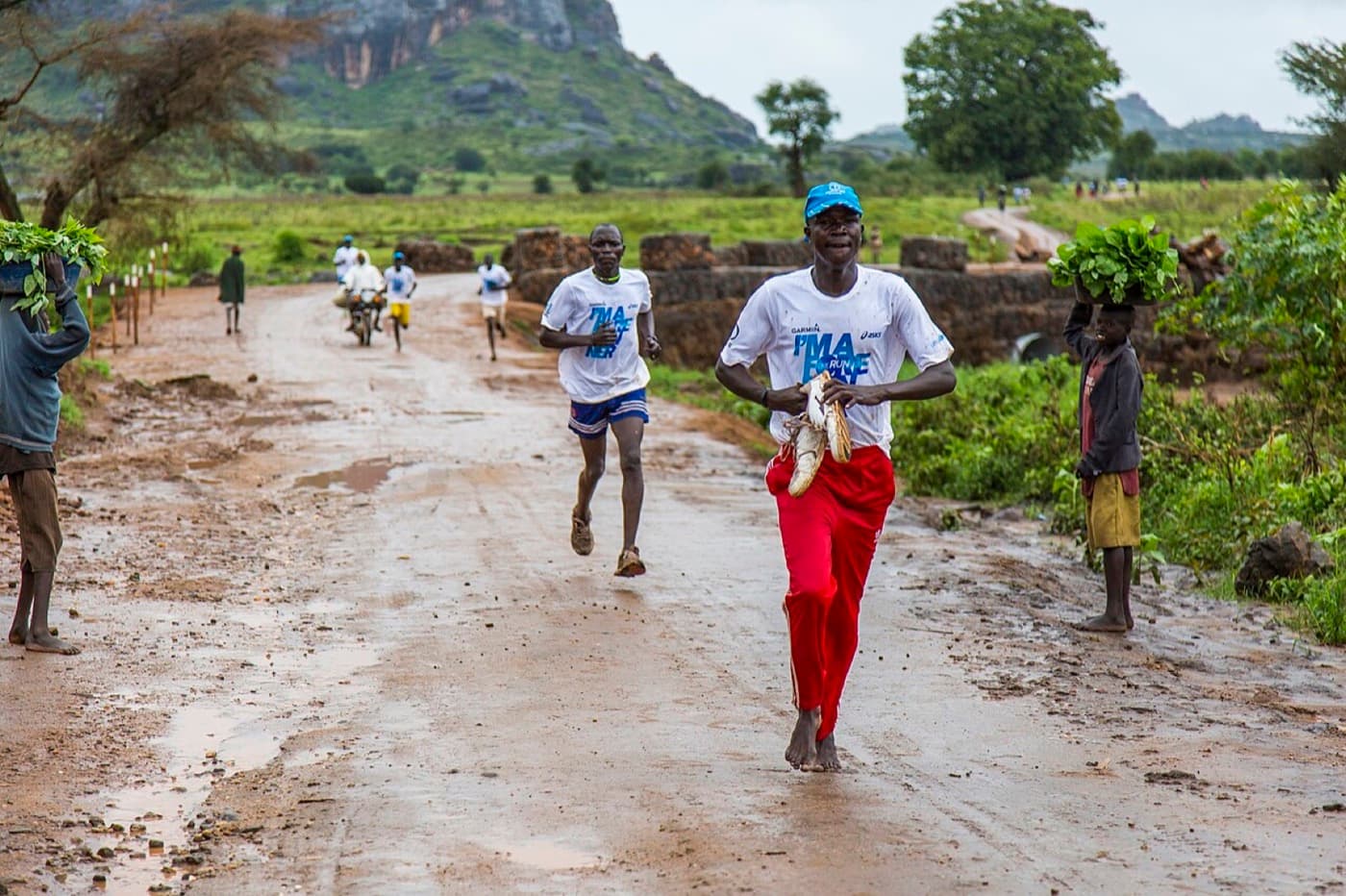
Running
The most accessible endurance sport — no venue, just shoes and the open road or trail.
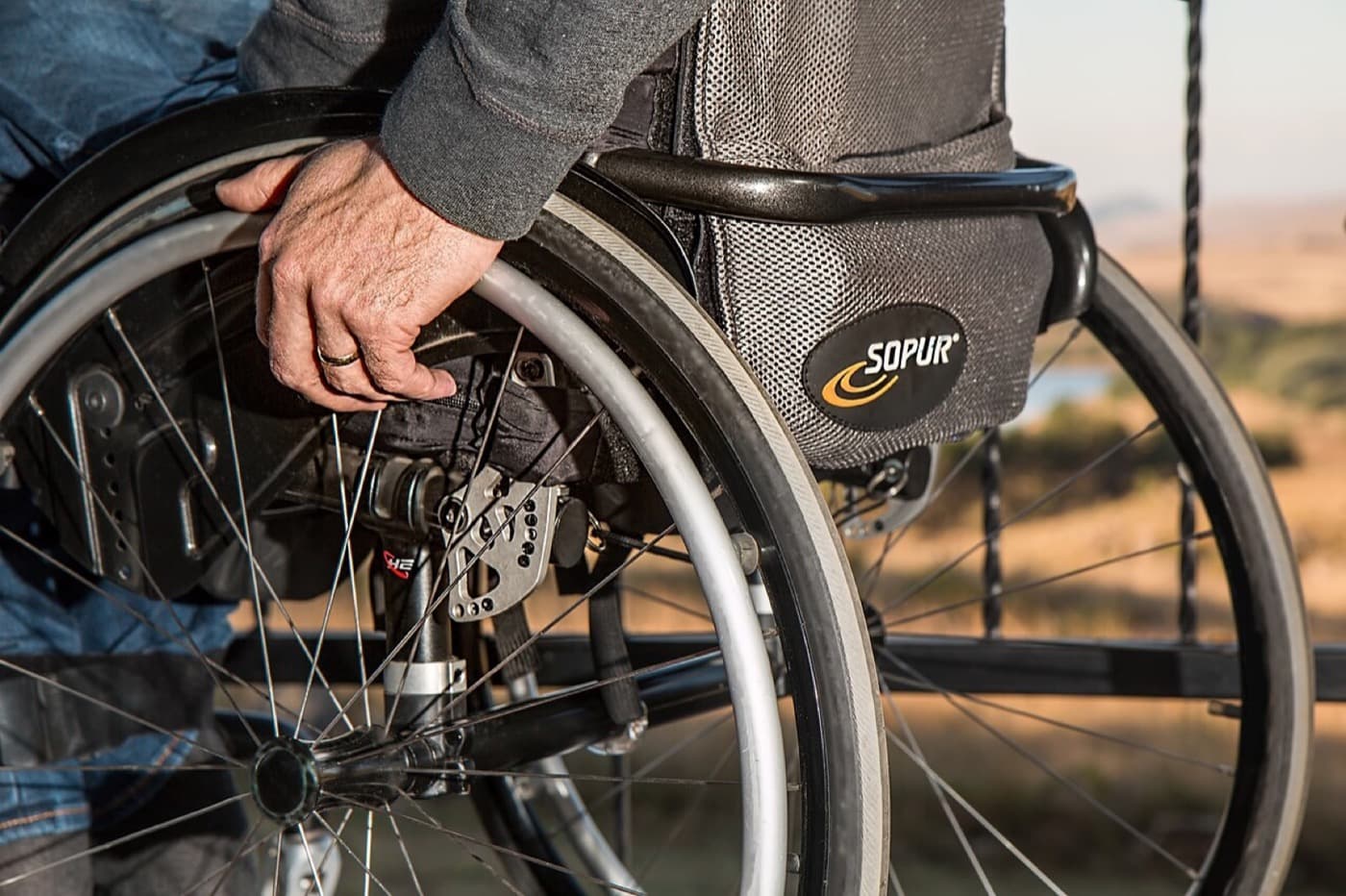
Cycling
A low-impact endurance sport that doubles as transport, exercise and adventure.
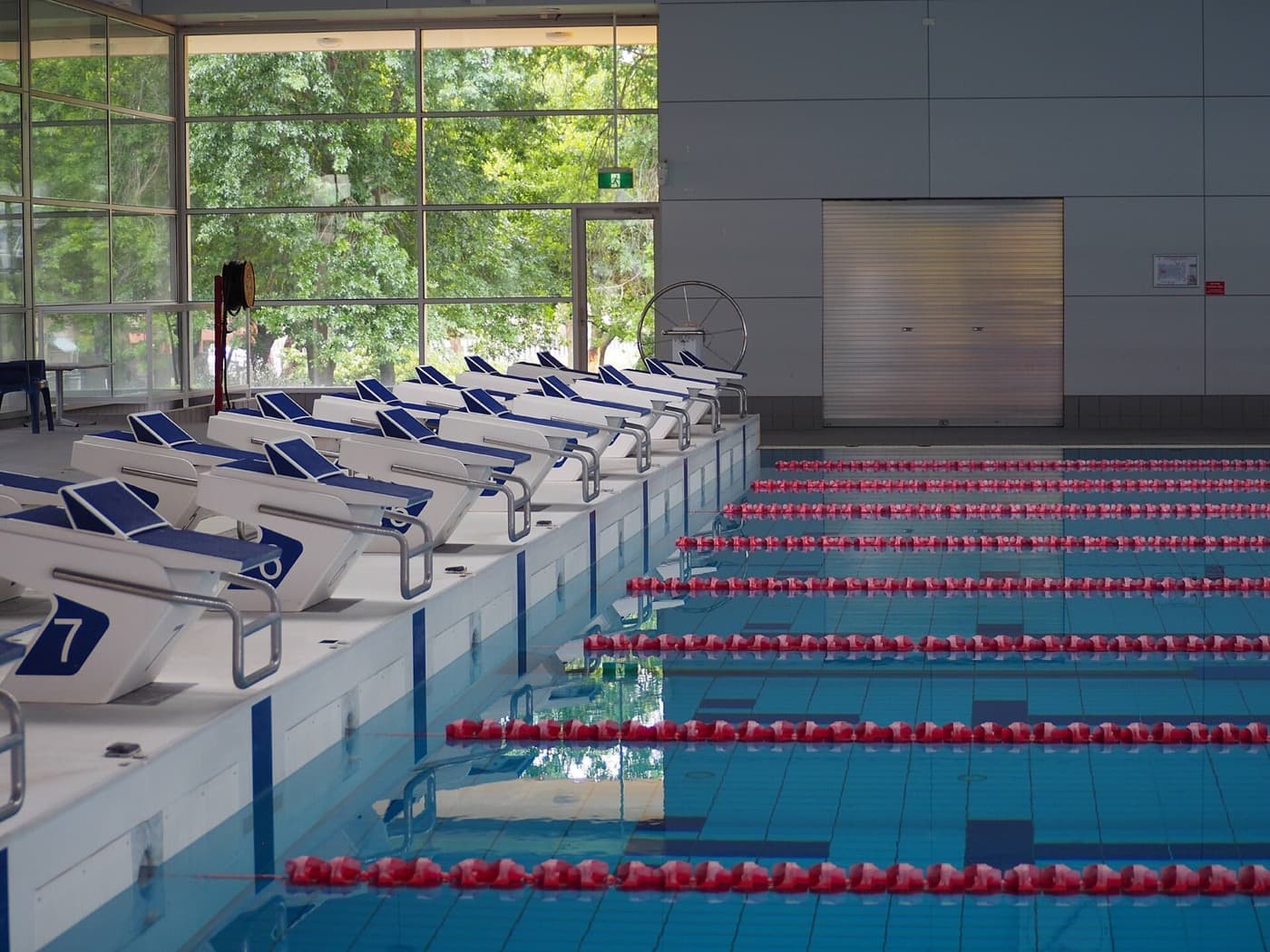
Swimming
A full-body, low-impact endurance sport suitable for almost every age and ability.
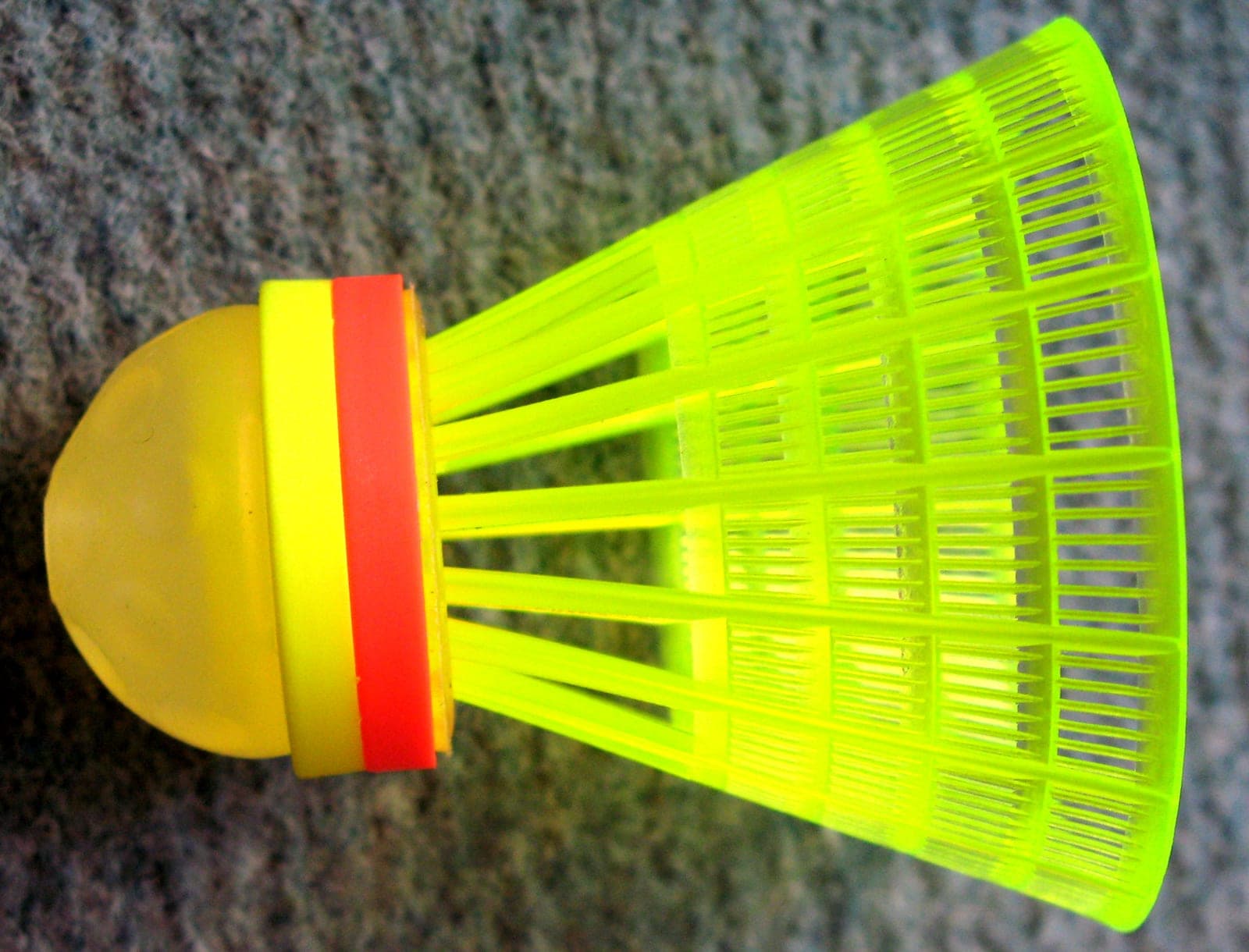
Badminton
A fast indoor racquet sport played with a shuttlecock that rewards agility and touch.
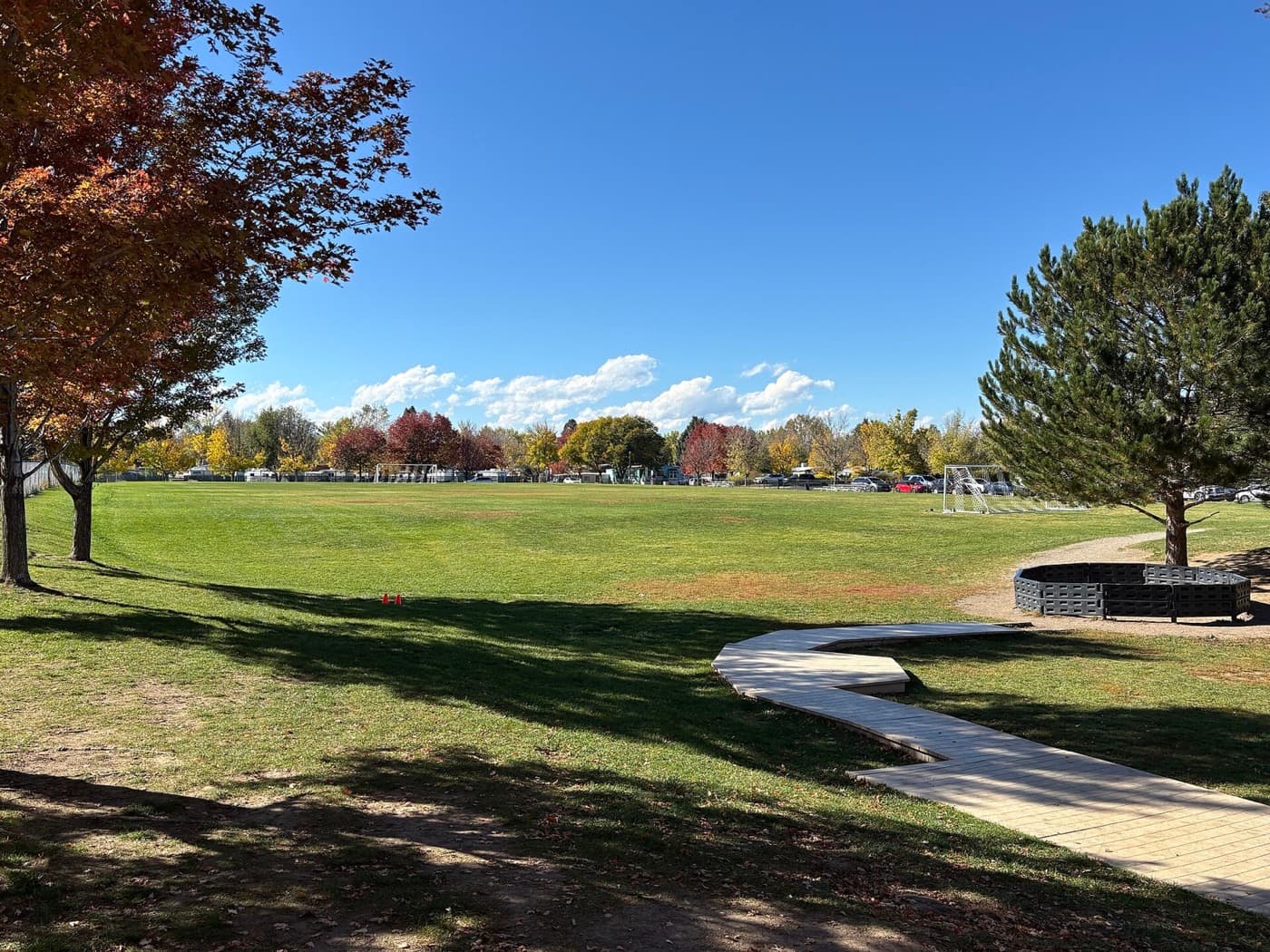
Football
The world’s most popular team sport — endless running, teamwork and community in one game.
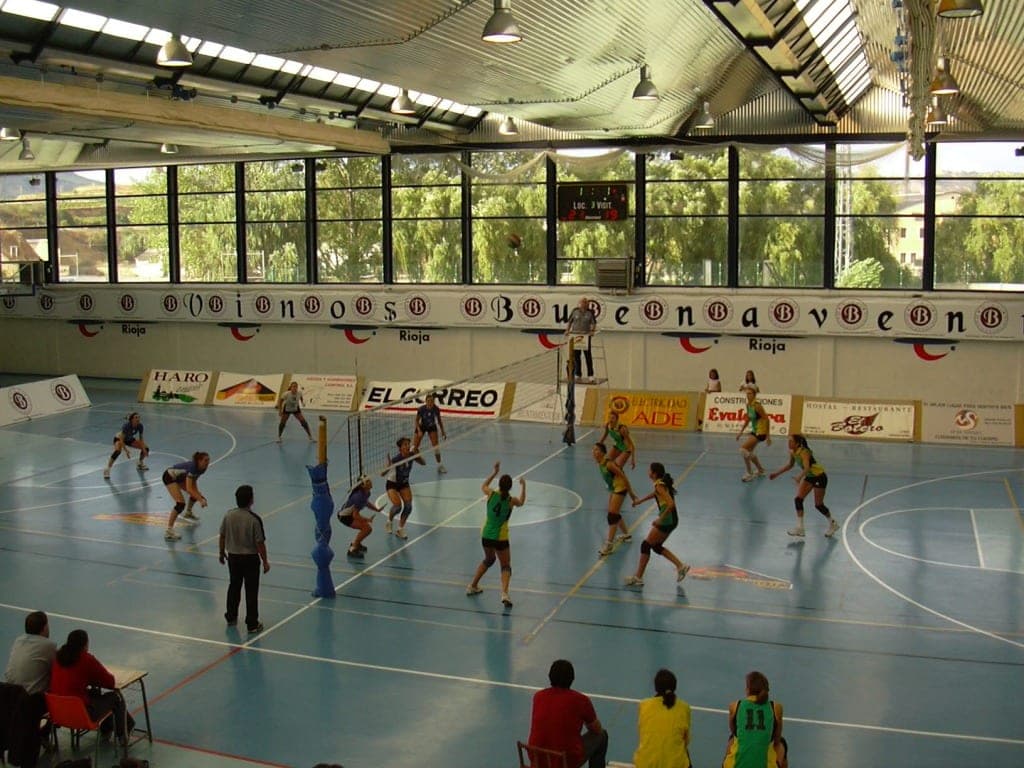
Volleyball
A non-contact team sport of rallies, jumps and teamwork — indoors or on the beach.
Goals that fit
Social activities
Use sport as a way to meet people, make friends and stay connected while staying active.
Sports for beginners
How to start playing sport from scratch — choosing a first activity and building up gently.
Build an active lifestyle
Make movement a natural, lasting part of daily life through activities and habits you genuinely enjoy.
Build confidence
Use sport and steady progress to feel more capable, comfortable and self-assured over time.
Teamwork
Develop cooperation, communication and trust by playing sports that rely on working together.
Ways to train
Exercises and methods that fit — educational, not a prescription.
Wall sit
A holding exercise where you sit against a wall with no chair, holding a squat position still.
Step-up
A movement where you step up onto a raised platform one leg at a time and step back down.
Kettlebell swing
A dynamic hinge where you swing a kettlebell to shoulder height using a snap of the hips.
Push-up
A classic upper-body pushing exercise where you lower and press your body up from the floor.
Tricep dip
A pushing exercise where you lower and raise your body using your arms on parallel bars or a bench.
Pull-up
A vertical pulling exercise where you hang from a bar and pull your chin above it.
Frequently asked questions
How do I get into sport if I have no one to play with?
You have two good routes: individual sports such as running, cycling or swimming need no partner at all, while beginner groups and clubs are one of the easiest ways to meet people through sport. Many people find the activity itself becomes their social circle.
Explore across the knowledge base
Follow the threads that connect No one to play with to the rest of SocialSportHub.
People
Motivations
How this page is maintained
- Content type
- Getting past it
- Provenance
- Tier A — evergreen educational
- Verified external sources
- 0
- Content updated
- 2026-07-09
Evergreen, first-party explanation — it makes no claim that needs an external source. How we handle sources and reviews.