
1 hour
A full hour opens up almost any sport, from a proper game to a longer ride, run or gym session.
Overview
With a full hour, you have time for almost anything. It is long enough for a game of a team or racquet sport, a longer run, ride or swim, a complete gym session, or a relaxed activity with plenty of time to warm up and wind down.
An hour also leaves room to take your time — to focus on technique, play a full match, or cover more distance without rushing. For many organised sports and classes, an hour is roughly the standard session length anyway.
What works
- An hour suits full games, longer endurance efforts and complete gym sessions.
- There is time to warm up properly, focus on skills and cool down without rushing.
- It matches the typical length of many classes, matches and club sessions.
- You can cover more distance or play a full match rather than a quick burst.
Getting started
- 1Decide what you want from the hour — a game, a distance session, skills practice or a full-body workout.
- 2Build in a proper warm-up at the start and an easy cool-down at the end.
- 3Pace yourself so you can last the full session rather than starting too hard.
- 4If you're easing back after a break or have a health concern, build up gradually and consider checking with a doctor.
Sports that fit
Great places to start — each with a clear, beginner-friendly guide.
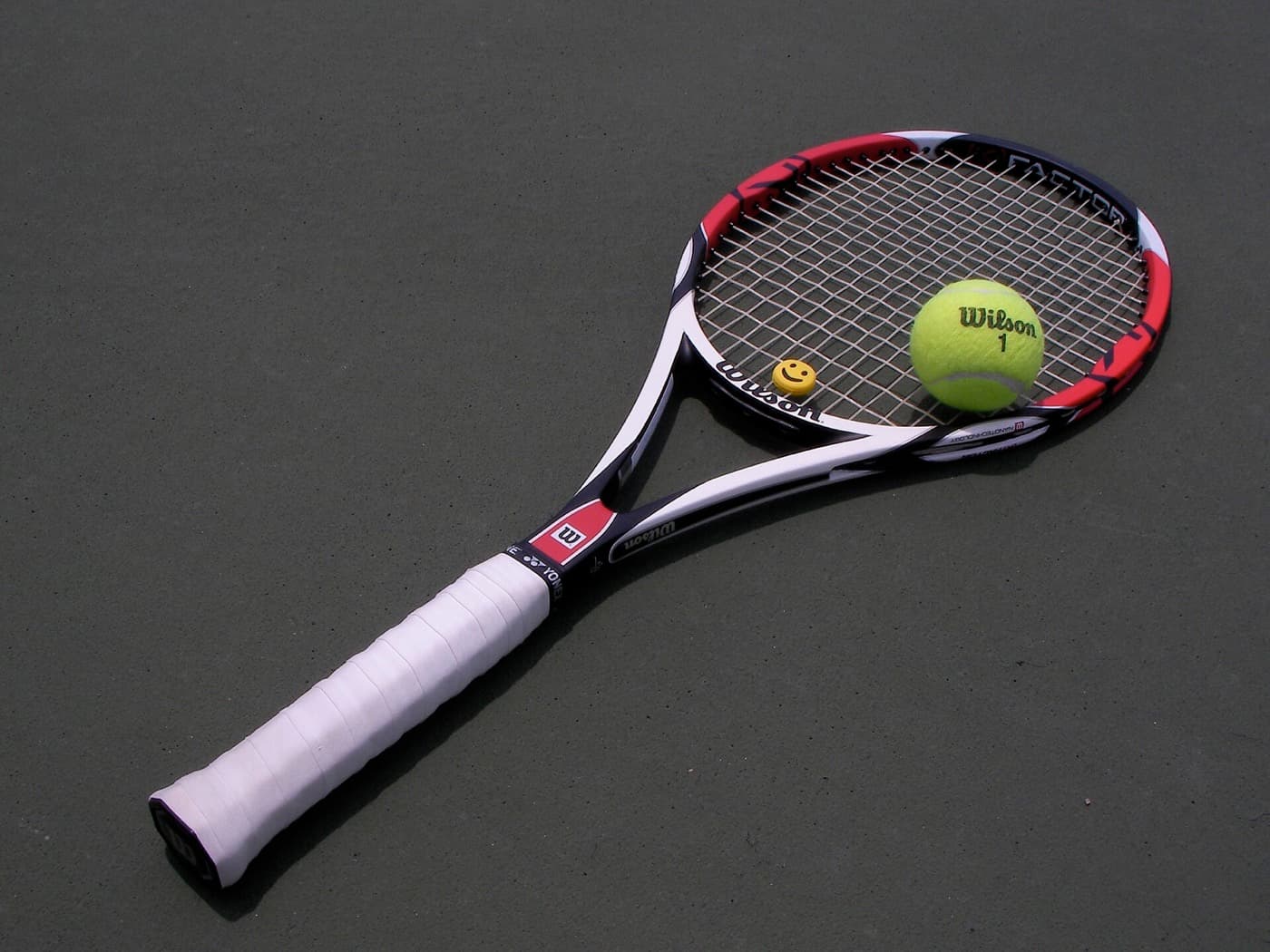
Tennis
A singles or doubles racquet sport that blends agility, strategy and stamina on court.

Football
The world’s most popular team sport — endless running, teamwork and community in one game.

Basketball
A fast, dynamic team sport of running, jumping and quick decisions on court.
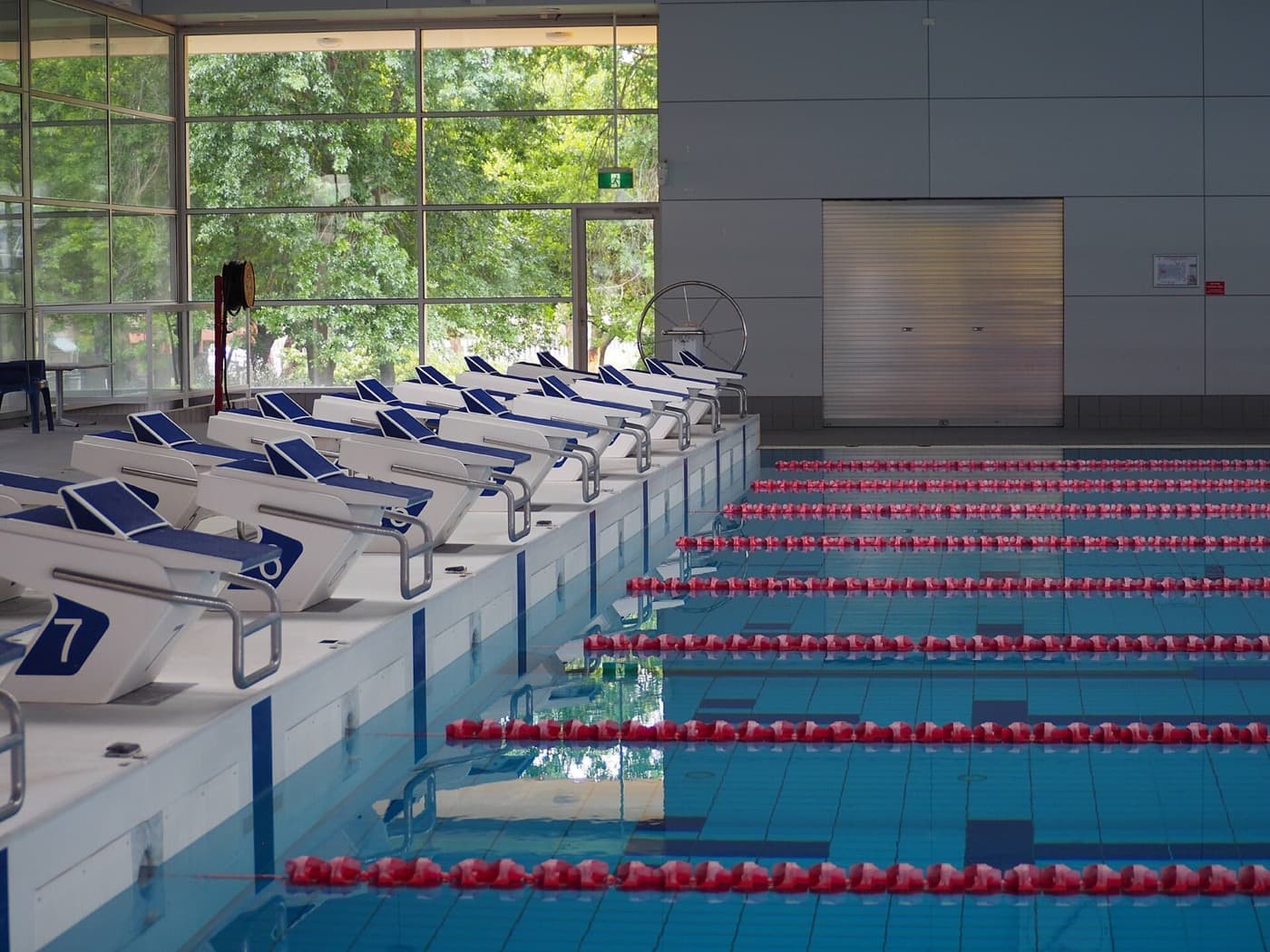
Swimming
A full-body, low-impact endurance sport suitable for almost every age and ability.
Cycling
A low-impact endurance sport that doubles as transport, exercise and adventure.

Hiking
An accessible outdoor sport of walking natural trails and hills at your own pace, solo or in a group.
Goals that fit
Improve fitness
Build well-rounded fitness — stamina, strength and more — through regular, varied activity you can keep up.
Improve cardiovascular health
Regular activity is widely linked with supporting heart and circulatory health as part of a balanced routine.
Social activities
Use sport as a way to meet people, make friends and stay connected while staying active.
Build an active lifestyle
Make movement a natural, lasting part of daily life through activities and habits you genuinely enjoy.
Ways to train
Exercises and methods that fit — educational, not a prescription.
Wall sit
A holding exercise where you sit against a wall with no chair, holding a squat position still.
Step-up
A movement where you step up onto a raised platform one leg at a time and step back down.
Kettlebell swing
A dynamic hinge where you swing a kettlebell to shoulder height using a snap of the hips.
Push-up
A classic upper-body pushing exercise where you lower and press your body up from the floor.
Tricep dip
A pushing exercise where you lower and raise your body using your arms on parallel bars or a bench.
Pull-up
A vertical pulling exercise where you hang from a bar and pull your chin above it.
Frequently asked questions
What sports can I play in an hour?
An hour is enough for most sports, including a full game of football, basketball or tennis, a longer run, ride or swim, or a complete gym or class session with time to warm up and cool down.
Is an hour of exercise too much?
It depends on the activity, your fitness and your goals. Many people happily train or play for an hour, while others prefer shorter, more frequent sessions. Building up gradually and listening to your body helps; for personalised advice, a coach or doctor is best.
Do I need to train for a full hour to get fit?
No. Shorter sessions done regularly can be very effective too. An hour simply gives more room for longer efforts and full games — what matters most is finding a routine you can keep up over time.
Explore across the knowledge base
Follow the threads that connect 1 hour to the rest of SocialSportHub.
Beginner guides
- Your first running sessionA warm, honest picture of what a first running session actually feels like — so you can turn up relaxed, run at a comfortable effort, and enjoy it without any pressure to be fast.
- Your First Fitness Session: What to Expect and How to Enjoy ItA friendly, no-pressure guide to walking into your first fitness session at a gym or studio, so you know what happens and can focus on moving well rather than lifting heavy.
- Your First Swimming Session: What to ExpectWhat a first swimming session at the pool actually feels like, how to prepare, and how to settle in without any pressure to swim lengths on day one.
- Your first football sessionA warm, practical picture of what actually happens when you turn up to your very first football session — how it runs, what surprises beginners, and how to enjoy it without any pressure.
- How to Prepare for Your First SessionA calm, practical walkthrough of getting ready for your very first session of any sport — arriving prepared, easing the nerves, and setting one small, realistic aim.
Training guides
- Bodyweight training basicsBodyweight training uses your own body as resistance, making it a simple and accessible way to build strength almost anywhere.
- Choosing the right intensityChoosing the right intensity is about matching how hard a session feels to its purpose, so most training stays comfortable and sustainable.
- How to cool downA cool-down is a few easy minutes at the end of a session that let your effort taper off gradually before you stop.
Training methods
- Circuit TrainingCircuit training moves you through a series of stations back to back with little rest, blending strength and cardio into one time-efficient session.
- High-Intensity Interval Training (HIIT)High-intensity interval training, or HIIT, packs short, hard efforts against brief recoveries into a compact session, making it a time-efficient way to train.
- Steady-State CardioSteady-state cardio means holding one comfortable, continuous pace for the whole session, building an aerobic base without the peaks of interval work.
- FartlekFartlek — Swedish for 'speed play' — mixes faster and easier efforts freely and by feel within one continuous session, blending steady and interval work.
Training plans
- Beginner Run WeekA simple example running week for newer runners, built around a couple of easy runs, one slightly longer effort and plenty of rest.
- Three-Day Split ExampleA general example of a simple three-day training split that divides the week into a few focused sessions with rest built in between.
- Beginner Full-Body WeekA general example of a simple full-body week that spreads a push, a pull, a lower-body movement and some core evenly across three unhurried sessions.
Disciplines
- Long Distance (Ironman)Long distance triathlon, popularly known as Ironman, covers a 3.8 km swim, 180 km bike, and a 42.2 km marathon run.
- SUP SurfingSUP surfing is riding waves on a stand-up paddleboard, staying upright and using a long paddle to catch waves and steer through the ride.
- DistanceDistance racing covers longer courses over laps or point-to-point routes, testing sustained endurance in classic or skate technique.
- DownhillDownhill is alpine skiing's fastest discipline, run on long courses with widely spaced gates where skiers glide at high speed in an aerodynamic tuck.
How this page is maintained
- Content type
- For your day
- Provenance
- Tier A — evergreen educational
- Verified external sources
- 0
- Content updated
- 2026-07-09
Evergreen, first-party explanation — it makes no claim that needs an external source. How we handle sources and reviews.