
Choosing the right intensity
Choosing the right intensity is about matching how hard a session feels to its purpose, so most training stays comfortable and sustainable.
Overview
Intensity is simply how hard a session feels. A common beginner trap is doing every session at roughly the same moderately hard effort, which can feel tiring without being especially effective. Varying intensity on purpose tends to work better.
A widely used idea is that most training should feel easy to comfortable — an effort at which you could hold a conversation — with only a smaller portion feeling genuinely hard. Easy sessions build a base and are easy to recover from, while the occasional harder session adds a different stimulus.
You do not need any gadgets to judge intensity. Simple self-checks work well: how hard your breathing is, whether you could still talk, and a rough mental rating from easy to maximal. These let you steer each session to the effort you intended.
How to do it
- 1Decide the purpose of the session before you start — easy, steady or hard
- 2For easy efforts, keep a pace at which you could comfortably hold a conversation
- 3Save harder efforts for a small number of sessions each week
- 4Use the talk test or a simple effort rating to check you are on target
- 5Adjust up or down during the session so the effort matches your intent
Key points
- Intensity just means how hard a session feels
- Aim for most sessions to feel easy to comfortable
- Keep genuinely hard efforts to a smaller share of your week
- Easy sessions build a base and are easy to recover from
- Simple self-checks like the talk test work fine — no gadgets needed
A note on training information
Where it’s used
Sports this relates to:

Running
The most accessible endurance sport — no venue, just shoes and the open road or trail.
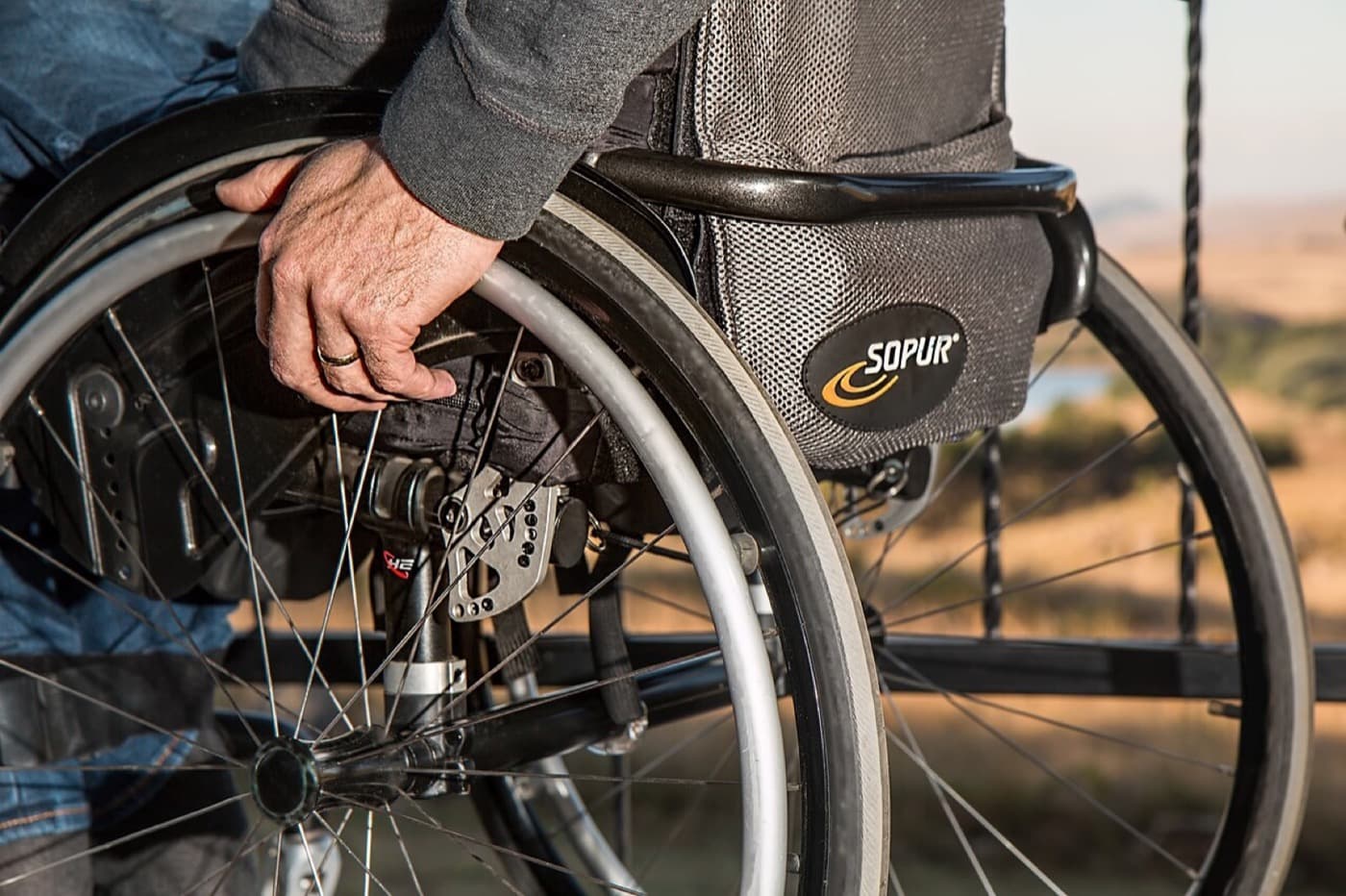
Cycling
A low-impact endurance sport that doubles as transport, exercise and adventure.
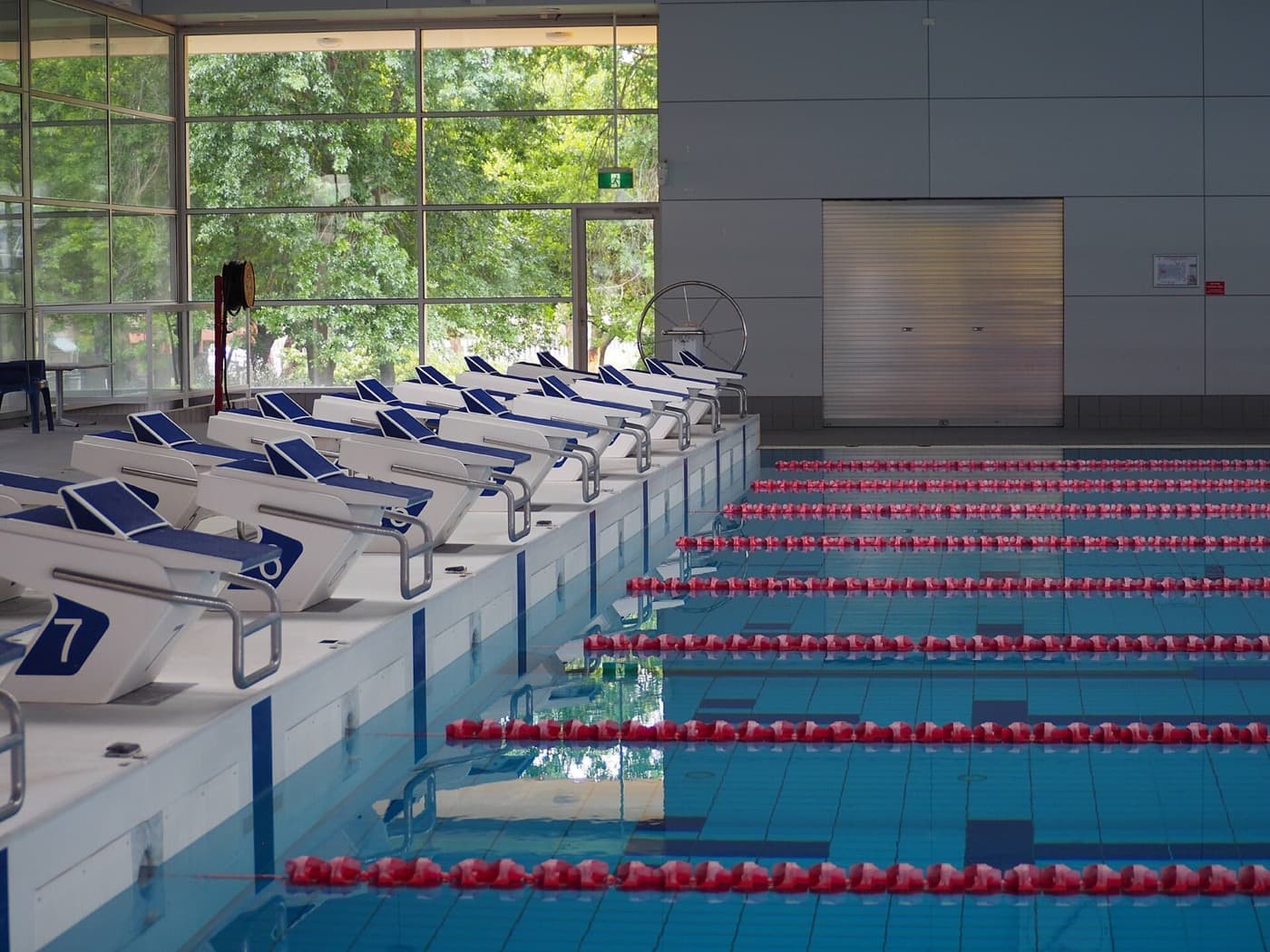
Swimming
A full-body, low-impact endurance sport suitable for almost every age and ability.
Related training guides
How to warm up
A short, gentle warm-up gradually raises your body temperature and prepares your muscles and joints for the activity ahead.
How to cool down
A cool-down is a few easy minutes at the end of a session that let your effort taper off gradually before you stop.
How to build a weekly routine
Building a weekly routine means loosely planning your training across the week so effort and rest are spread out in a way you can sustain.
Explore across the knowledge base
Follow the threads that connect Choosing the right intensity to the rest of SocialSportHub.
Sports science
- Energy systemsHow the body supplies energy for movement — the different pathways that power everything from an explosive jump to a long, steady run.
- Aerobic and anaerobic energyThe difference between energy the body produces with oxygen and energy it produces without it — a core idea behind why different efforts feel and last so differently.
- Individual differencesThe idea that people respond to the same training differently — so what works well for one person may not suit another.
- Training variationThe idea that changing elements of training over time helps keep the body responding and keeps training sustainable.
Coaching concepts
- Deliberate PracticeFocused, effortful practice that targets a specific weakness with full attention and immediate feedback — not just repeating what you already do well.
- ProgressionBuilding skill and training load in gradual, manageable steps so each stage prepares the next, moving from simple to complex and easy to hard.
- Session StructureHow a practice session is organised into phases — warm-up, main focus, game application and cool-down — so time is used well and learning sticks.
Beginner guides
- Your first running sessionA warm, honest picture of what a first running session actually feels like — so you can turn up relaxed, run at a comfortable effort, and enjoy it without any pressure to be fast.
- Your First Cycling Session: What to ExpectA first cycling session is usually a relaxed introduction to getting comfortable on the bike — finding your balance, pedalling smoothly, steering, and stopping safely — at a pace that suits you rather than a test of fitness or speed.
- Your First Badminton SessionA warm, honest look at what your first time on a badminton court actually feels like — how a beginner session runs, what surprises newcomers about the shuttlecock, and how to enjoy it without worrying about keeping score.
- Your First Volleyball Session: What to ExpectA warm, honest guide to what actually happens at your first volleyball session, so you can turn up relaxed, join in, and enjoy the rallies rather than worry about getting everything right.
- Your First Swimming Session: What to ExpectWhat a first swimming session at the pool actually feels like, how to prepare, and how to settle in without any pressure to swim lengths on day one.
Training methods
- High-Intensity Interval Training (HIIT)High-intensity interval training, or HIIT, packs short, hard efforts against brief recoveries into a compact session, making it a time-efficient way to train.
- Steady-State CardioSteady-state cardio means holding one comfortable, continuous pace for the whole session, building an aerobic base without the peaks of interval work.
- Mobility TrainingMobility training works on moving your joints actively through their full range, combining control and flexibility so movement feels free and easy.
- Circuit TrainingCircuit training moves you through a series of stations back to back with little rest, blending strength and cardio into one time-efficient session.
Practice & sessions
- Decision-making sessionA session built around choosing well under pressure — reading the situation and picking the right option, not just executing a skill.
- Recovery sessionA deliberately easy session — gentle movement to help the body feel better and adapt, rather than to push hard.
- Small-group practicePractising in a small group of a few players — sharing drills, rotating roles and using small-sided games so everyone stays involved.
Lifestyle
- EveningUsing the evening to be active after work, whether to unwind or fit in a proper session.
- 1 hourA full hour opens up almost any sport, from a proper game to a longer ride, run or gym session.
- 30 minutesA half-hour is enough for a proper, well-rounded session across many sports and workouts.
- At the gymHow to make the most of a gym — strength machines, free weights, classes and cardio kit under one roof.
- 15 minutesShort, focused bursts of movement you can fit into a spare 15 minutes, with no long session required.
How this page is maintained
- Content type
- Training guide
- Provenance
- Tier A — evergreen educational
- Verified external sources
- 0
- Content updated
- 2026-07-06
Evergreen, first-party explanation — it makes no claim that needs an external source. How we handle sources and reviews.