
Sports for beginners
How to start playing sport from scratch — choosing a first activity and building up gently.
How sport helps
Starting a sport as a complete beginner is mostly about lowering the barrier to entry: picking something you can try without special skills or expensive kit, and giving yourself permission to be new at it. The best first sport is usually the one you can access easily, enjoy enough to repeat, and start slowly.
Everyone begins somewhere, and progress early on tends to come quickly simply because the movements are unfamiliar. Focusing on turning up regularly, rather than on performance, is what helps a new habit take root.
- Beginner-friendly sports let you build basic fitness, coordination and confidence at your own pace.
- Learning a new skill gives sessions a purpose beyond exercise, which many people find easier to stick with.
- Team and club settings can add social support that makes showing up feel less like a chore.
- Starting gently and increasing gradually is widely regarded as a sensible way to reduce the risk of overdoing it.
Getting started
- 1Pick one activity that is easy to access near you and that genuinely appeals to you.
- 2Begin with short, comfortable sessions and add a little more only when it feels manageable.
- 3Warm up before and cool down after, and treat rest days as part of the plan.
- 4Look for a beginners class, taster session or friend to start alongside for extra support.
Good sports for this goal
Great places to start — each with a clear, beginner-friendly guide.
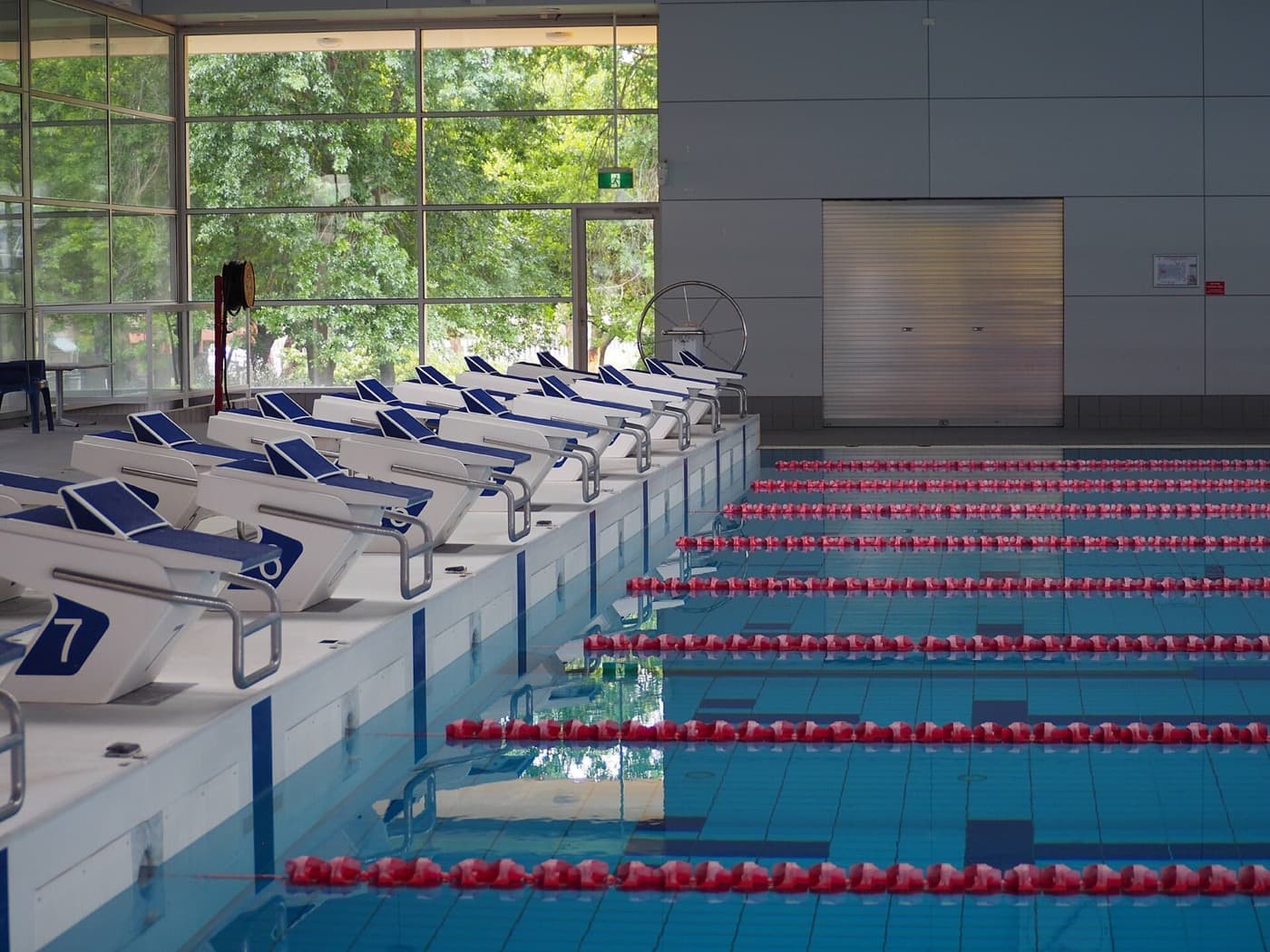
Swimming
A full-body, low-impact endurance sport suitable for almost every age and ability.
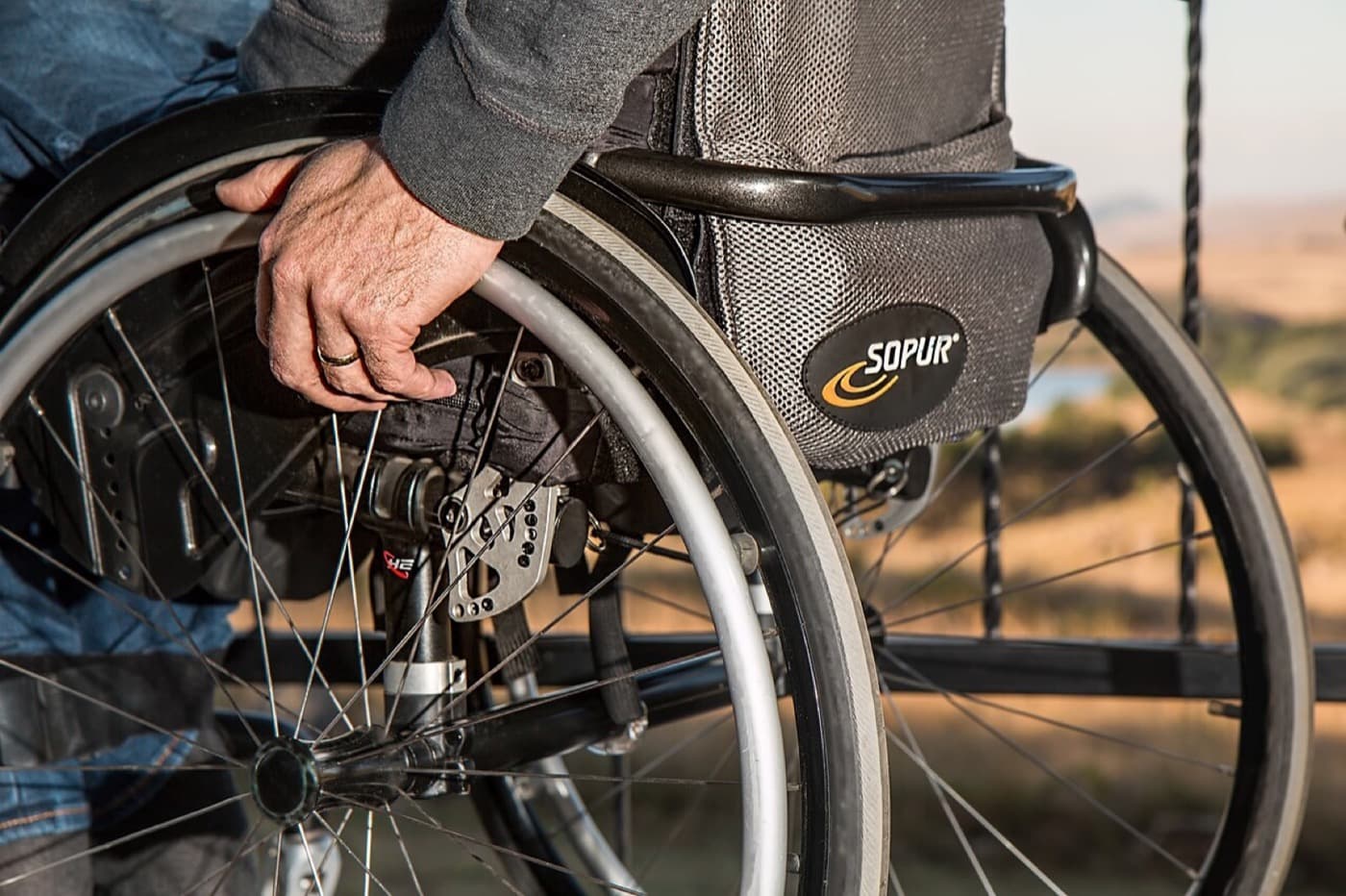
Cycling
A low-impact endurance sport that doubles as transport, exercise and adventure.
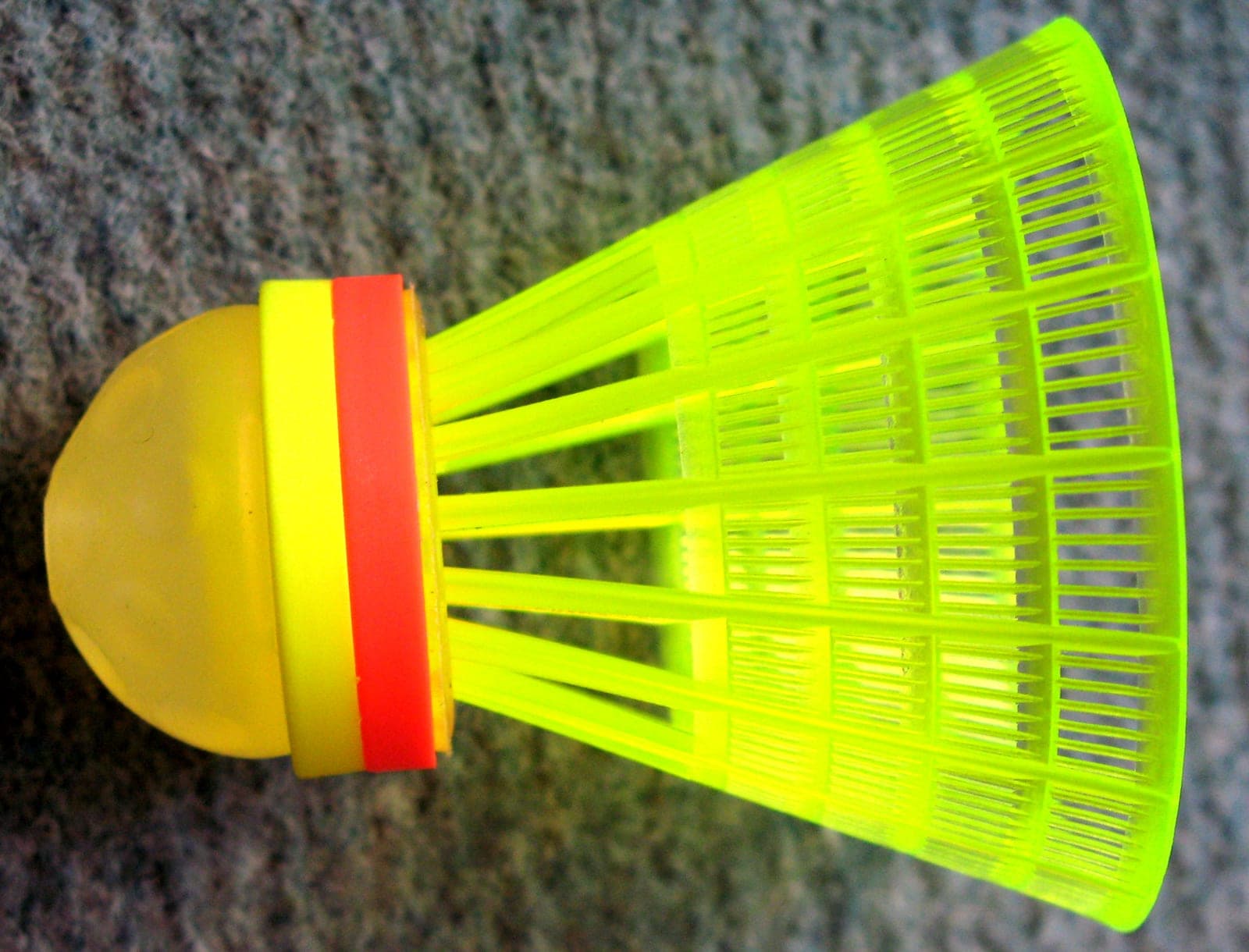
Badminton
A fast indoor racquet sport played with a shuttlecock that rewards agility and touch.
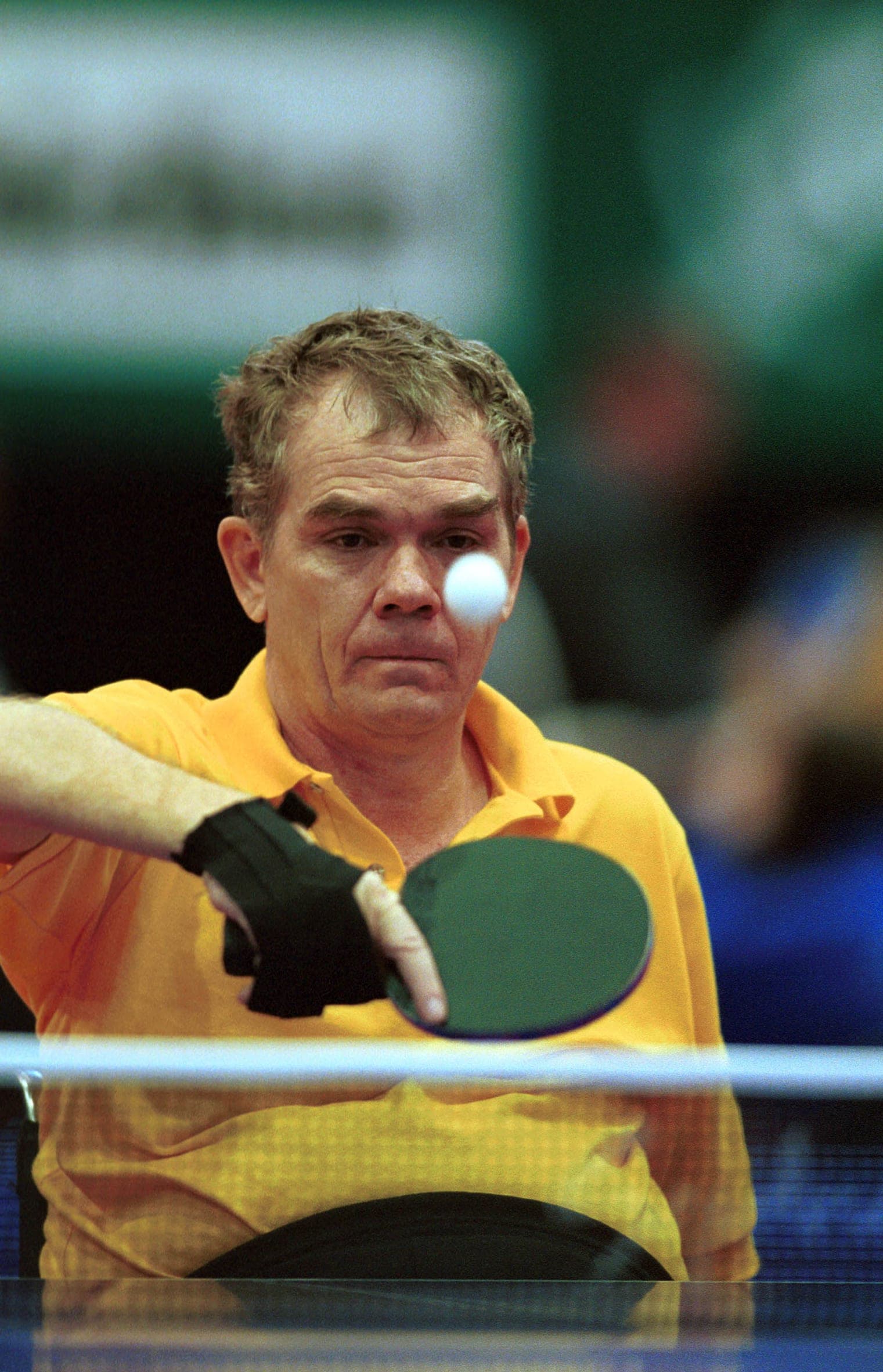
Table Tennis
A fast, low-impact indoor racquet sport that sharpens reflexes and is easy to start.
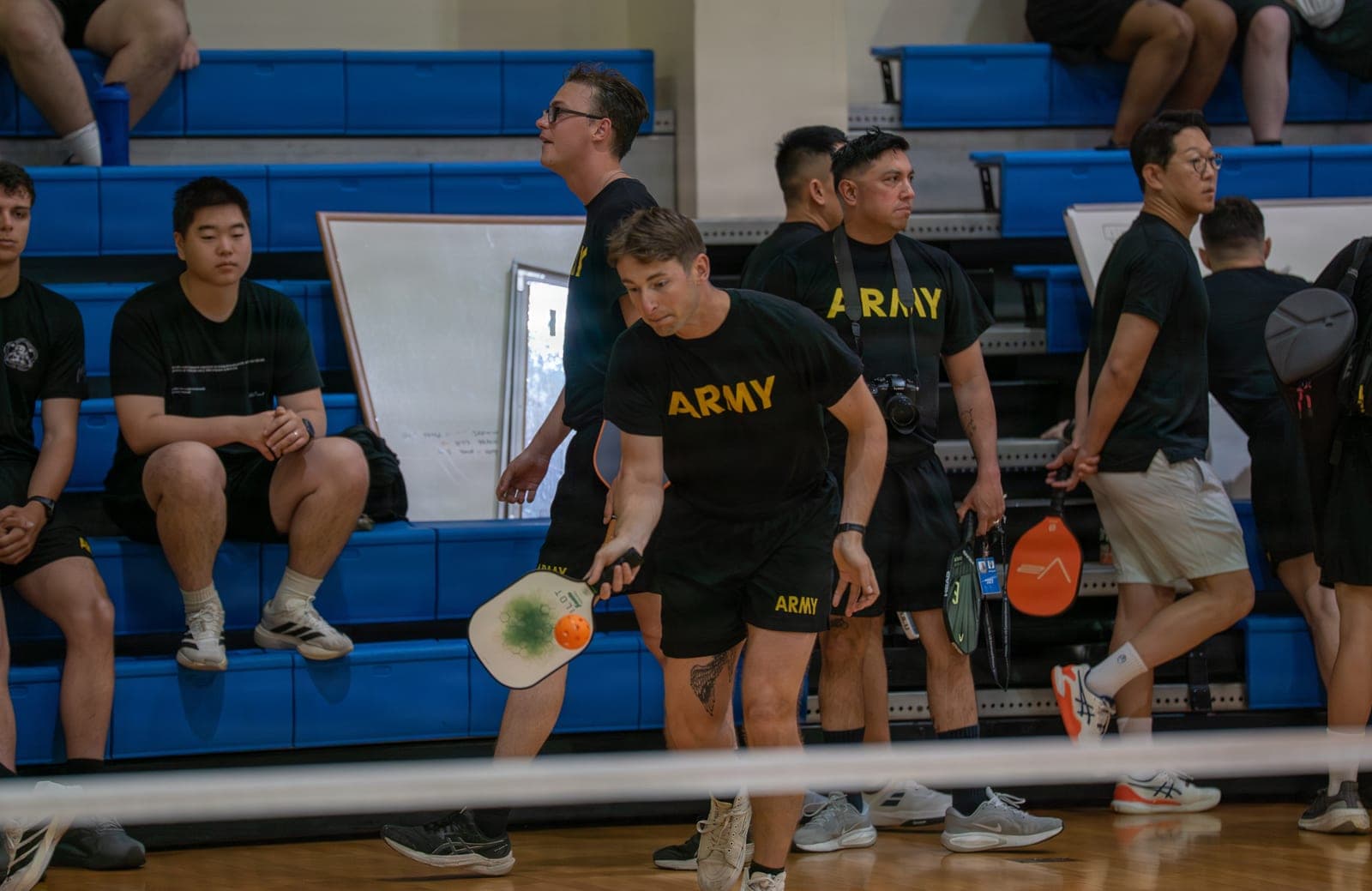
Pickleball
A friendly, easy-to-learn paddle sport played on a small court with a solid paddle and a light, perforated ball.
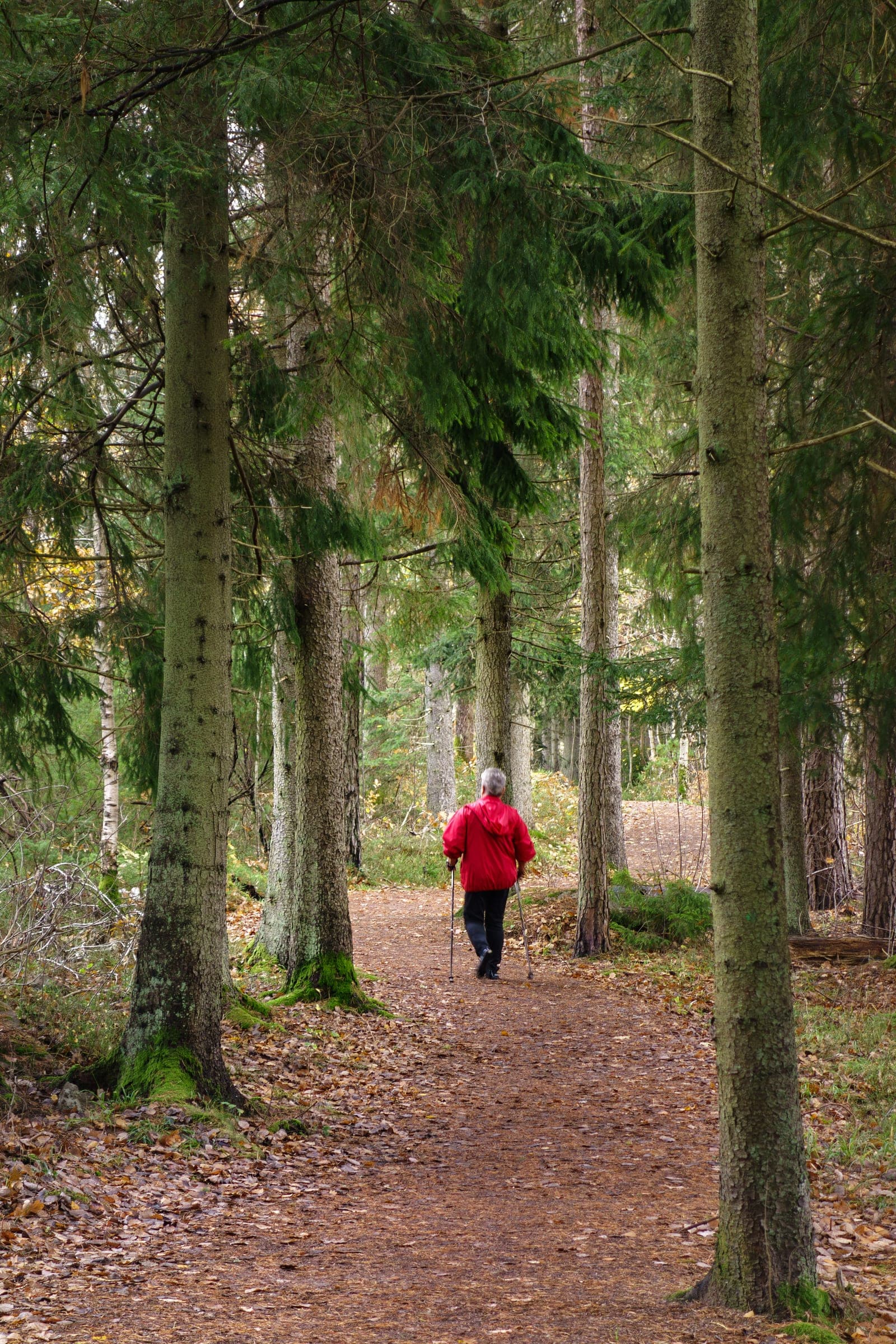
Nordic Walking
A gentle, accessible endurance activity that adds poles to bring the upper body into every walk.
Train for it
Exercises and methods that build what this goal needs — educational, not a prescription.
Wall sit
A holding exercise where you sit against a wall with no chair, holding a squat position still.
Step-up
A movement where you step up onto a raised platform one leg at a time and step back down.
Kettlebell swing
A dynamic hinge where you swing a kettlebell to shoulder height using a snap of the hips.
Push-up
A classic upper-body pushing exercise where you lower and press your body up from the floor.
Tricep dip
A pushing exercise where you lower and raise your body using your arms on parallel bars or a bench.
Pull-up
A vertical pulling exercise where you hang from a bar and pull your chin above it.
Frequently asked questions
What is the best sport to start with as a beginner?
There is no single best sport — the most useful one is whatever you can access easily, find enjoyable and are likely to repeat. Low-barrier activities such as swimming, cycling, walking-based sports and racquet sports are common starting points because you can begin gently and scale up over time.
How often should a beginner train?
Many beginners find that a couple of short sessions a week is a sustainable starting point, with rest days in between. Consistency over weeks and months tends to matter more than doing a lot at once. Build up gradually and listen to how your body responds.
Do I need to be fit before starting a sport?
No — starting the activity is one of the ways people build fitness in the first place. Beginner and taster sessions are designed for people with no background in the sport. If you have any health concerns, it is sensible to check with a doctor before starting something new.
Related goals
Become more active
Add regular, gentle movement to your everyday life and build up from a sedentary start at your own pace.
Improve fitness
Build well-rounded fitness — stamina, strength and more — through regular, varied activity you can keep up.
Build confidence
Use sport and steady progress to feel more capable, comfortable and self-assured over time.
Build healthy habits
Using sport and routine to make regular activity a lasting part of everyday life.
Sports for office workers
Ways for desk-based workers to add movement around a sedentary working day.
Who & where this fits
This goal fits all kinds of people and lifestyles.
Students
How sport can fit around study, a tight budget and a changing timetable to support focus, energy and social life.
Complete beginners
How to start sport from scratch with accessible, low-pressure activities and a gentle, gradual approach.
Low budget
Ways to be active without spending much, from free activities to low-cost options.
How it connects
The meaning-bearing relationships that place Sports for beginners in the wider knowledge graph — each one with the reason it exists.
Achieved through
Routes people take towards this goal.
- SwimmingSwimming is one of the sports listed under the “Sports for beginners” goal.
- CyclingCycling is one of the sports listed under the “Sports for beginners” goal.
- BadmintonBadminton is one of the sports listed under the “Sports for beginners” goal.
- Table TennisTable Tennis is one of the sports listed under the “Sports for beginners” goal.
- PickleballPickleball is one of the sports listed under the “Sports for beginners” goal.
Explore across the knowledge base
Follow the threads that connect Sports for beginners to the rest of SocialSportHub.
Barriers
- Nervous about startingWhen starting feels intimidating, beginner-friendly, low-pressure settings and a gentle first step make the first move far easier.
- Low confidenceWhen self-consciousness gets in the way, private or beginner-friendly settings and steady, visible progress help confidence grow through doing.
- Never played sportWhen you are starting from zero, beginner pathways, basic skills and patience with the learning curve turn "no experience" into a fresh start.
- No one to play withWhen you have no training partner, individual sports, beginner groups and finding-people options open the door to solo and social activity alike.
Experience levels
Coaching concepts
- ProgressionBuilding skill and training load in gradual, manageable steps so each stage prepares the next, moving from simple to complex and easy to hard.
- Constraints-Led PracticeA coaching approach that adjusts the task, environment or rules so a desired movement or decision emerges in practice, rather than being explicitly instructed.
- Small-Sided GamesPractising in scaled-down versions of a sport — fewer players, smaller area — so skills and decisions happen more often in a game-like setting.
- Feedback and CueingFeedback from your senses, a coach, or video plus short instructional cues guide skill learning — including internal vs external focus of attention.
- Skill acquisitionHow a movement or sports skill is learned — progressing from conscious, effortful control to smooth, largely automatic execution through practice and feedback.
Knowledge
- How to start playing sport as a beginnerA friendly, step-by-step guide to choosing a sport, getting the basics right and building the confidence to keep going.
- The best sports for beginnersThe most beginner-friendly sports to try first — why they are easy to start, what you need and how to take the first step.
How this page is maintained
- Content type
- Life goal
- Provenance
- Tier A — evergreen educational
- Verified external sources
- 0
- Content updated
- 2026-09-22
Evergreen, first-party explanation — it makes no claim that needs an external source. How we handle sources and reviews.