
Low budget
Ways to be active without spending much, from free activities to low-cost options.
Overview
Cost doesn't have to stand between you and being active. Plenty of activities are free or very cheap — running, walking, hiking, bodyweight training and using free outdoor spaces and public facilities all keep the barrier low.
Where some kit is involved, you can often start with the basics, buy second-hand, or use free community sessions and parks before committing to more. Focusing on what you enjoy and will keep doing usually matters far more than spending money on gear.
What works
- Running, walking, hiking and bodyweight training cost little to nothing to start.
- Parks, public paths and community facilities offer free or low-cost places to be active.
- Basic or second-hand kit is often enough to begin most activities.
- Free group runs, clubs and community sessions add structure without a big outlay.
Getting started
- 1Start with a free or very low-cost activity such as walking, running or a bodyweight routine.
- 2Make use of local parks, trails and public facilities near you.
- 3Look for free or low-cost community groups, club taster sessions or beginner classes.
- 4Buy only the essentials to begin with, consider second-hand options, and add more only if you stick with it.
Sports that fit
Great places to start — each with a clear, beginner-friendly guide.

Running
The most accessible endurance sport — no venue, just shoes and the open road or trail.
Calisthenics
Bodyweight strength training — push-ups, pull-ups, dips and progressions you can do almost anywhere.
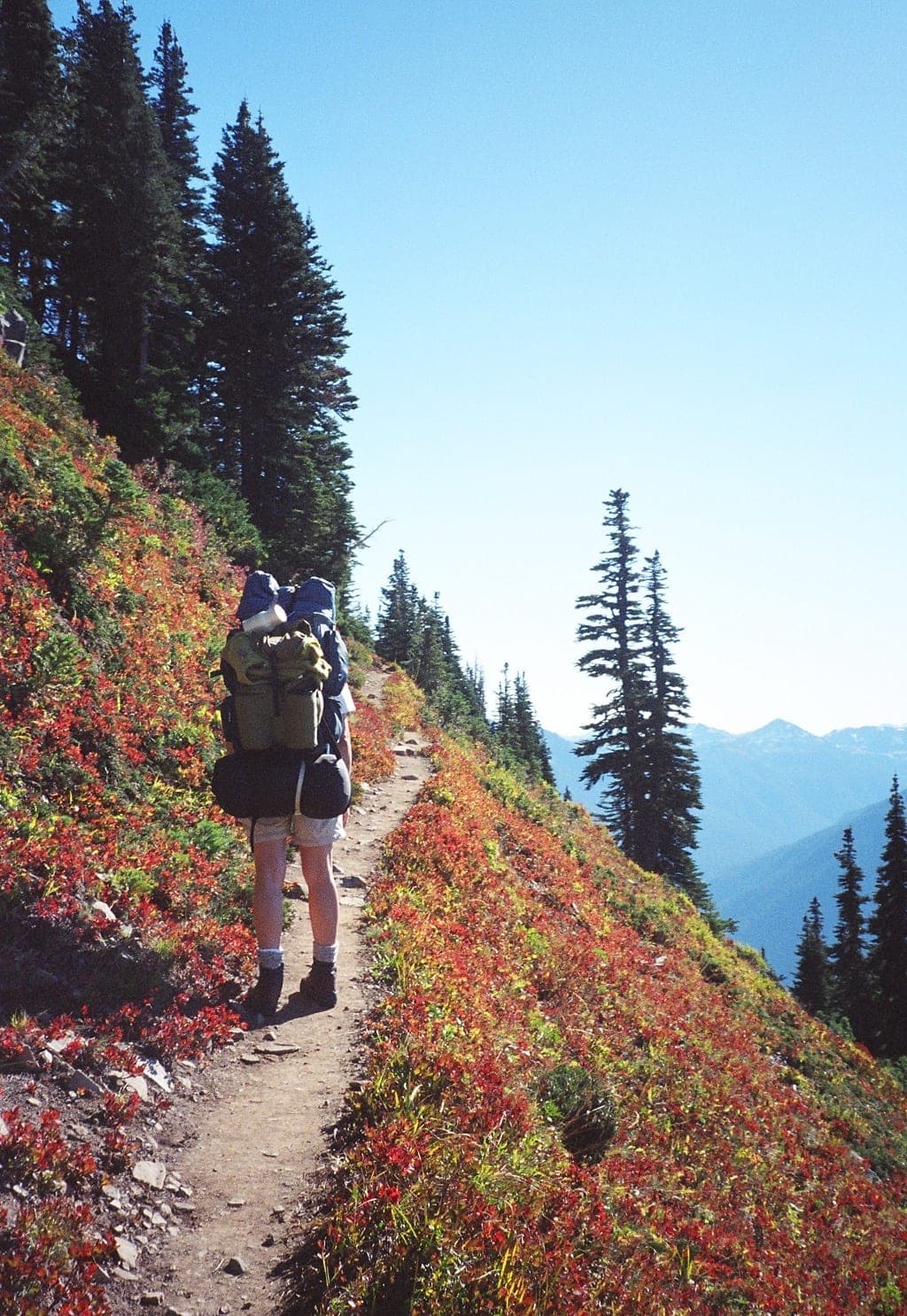
Hiking
An accessible outdoor sport of walking natural trails and hills at your own pace, solo or in a group.
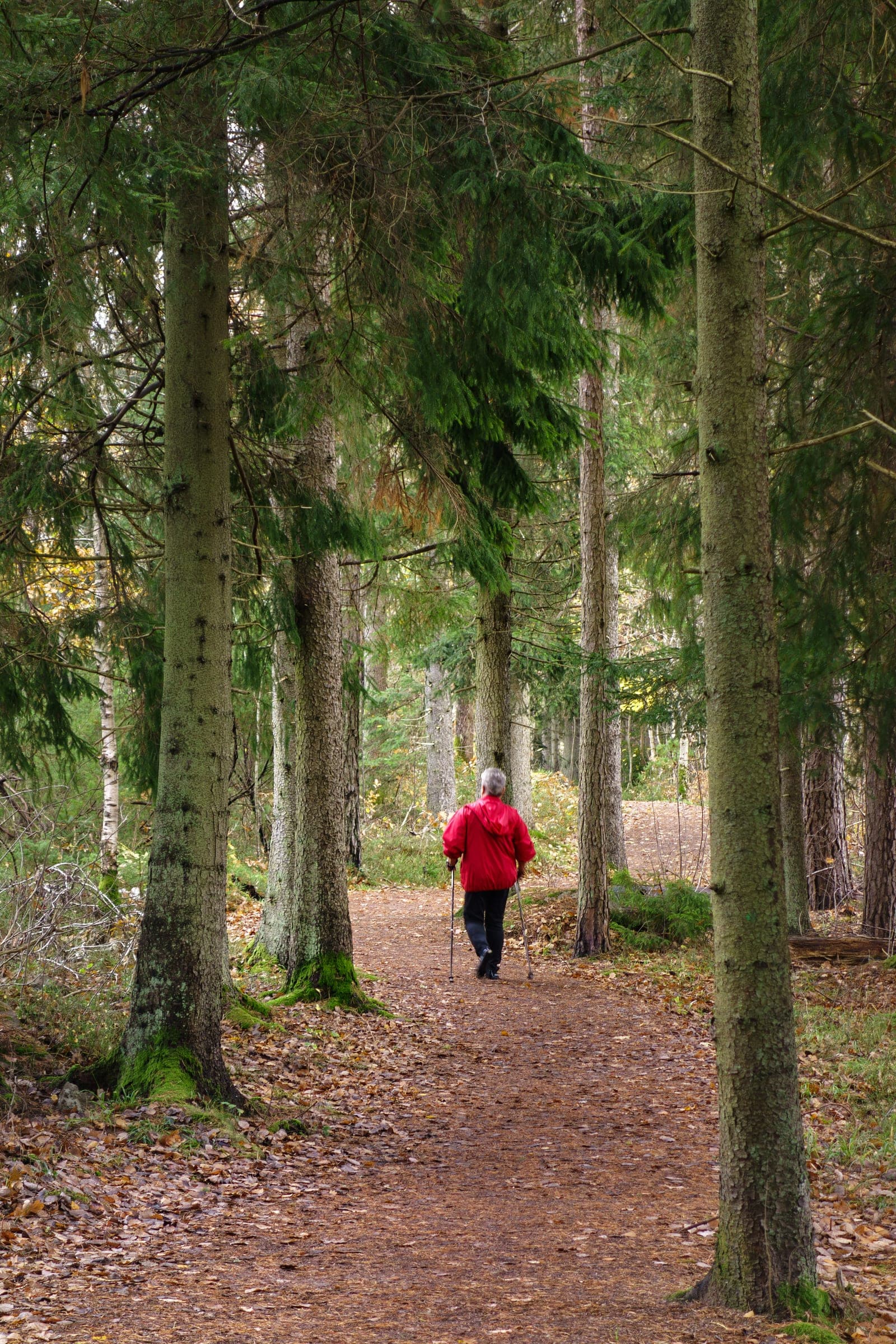
Nordic Walking
A gentle, accessible endurance activity that adds poles to bring the upper body into every walk.
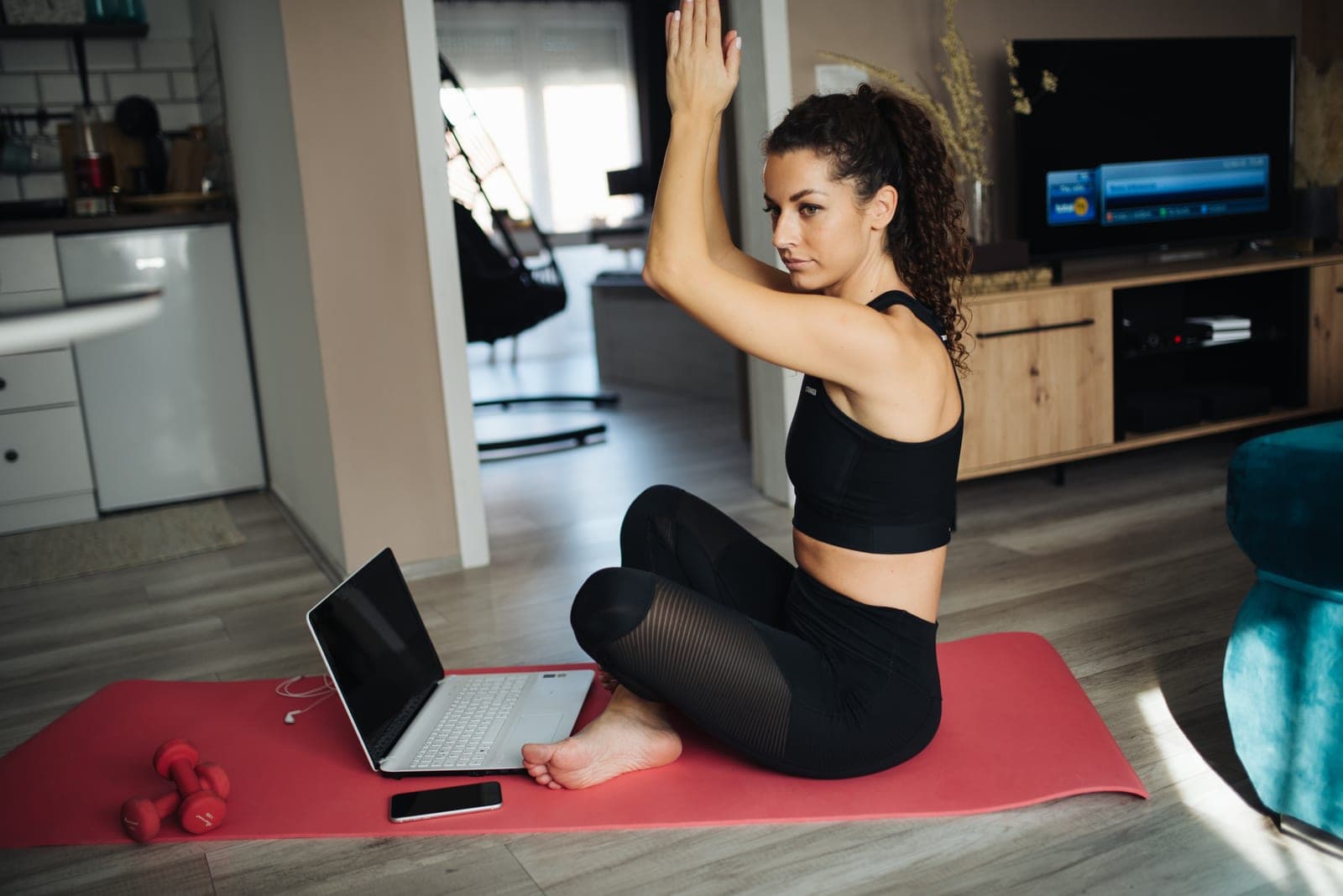
Yoga
A mind-body practice that links postures, breathing and focus to build flexibility, strength and calm.
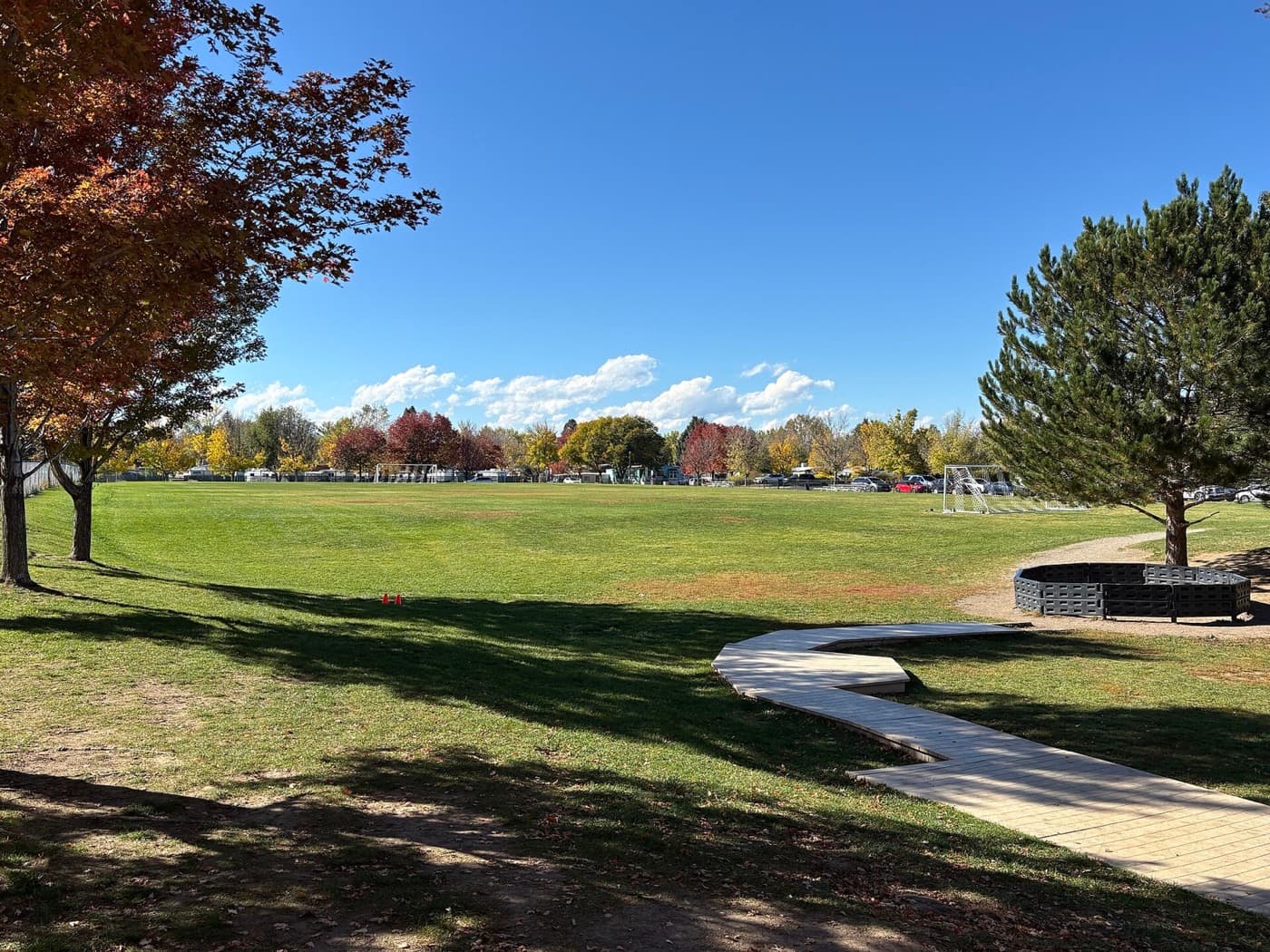
Football
The world’s most popular team sport — endless running, teamwork and community in one game.
Goals that fit
Become more active
Add regular, gentle movement to your everyday life and build up from a sedentary start at your own pace.
Sports for beginners
How to start playing sport from scratch — choosing a first activity and building up gently.
Build an active lifestyle
Make movement a natural, lasting part of daily life through activities and habits you genuinely enjoy.
Social activities
Use sport as a way to meet people, make friends and stay connected while staying active.
Ways to train
Exercises and methods that fit — educational, not a prescription.
Wall sit
A holding exercise where you sit against a wall with no chair, holding a squat position still.
Step-up
A movement where you step up onto a raised platform one leg at a time and step back down.
Kettlebell swing
A dynamic hinge where you swing a kettlebell to shoulder height using a snap of the hips.
Push-up
A classic upper-body pushing exercise where you lower and press your body up from the floor.
Tricep dip
A pushing exercise where you lower and raise your body using your arms on parallel bars or a bench.
Pull-up
A vertical pulling exercise where you hang from a bar and pull your chin above it.
Frequently asked questions
What sports can I do on a tight budget?
Running, walking, hiking and bodyweight training cost little or nothing to start, and activities like football often just need a ball and some space. Public parks, paths and community facilities keep costs low too.
Do I need to join a gym to get fit?
No. Many people stay active without a gym by running, walking, training with their bodyweight, or using parks and free community sessions. A gym can be convenient, but it is not essential for becoming fitter.
How can I start a sport cheaply?
Begin with the basics, borrow or buy second-hand kit, and try free taster sessions or beginner-friendly community groups before spending more. Investing in gear tends to make more sense once you know you enjoy an activity and will keep it up.
Explore across the knowledge base
Follow the threads that connect Low budget to the rest of SocialSportHub.
Barriers
- Worried about costWhen money is tight, free and low-cost activity — walking, running, bodyweight training — proves that sport does not have to be expensive.
- Always travellingWhen you are often away from home, sport has to travel with you — bodyweight options, hotel-room routines and activity that needs no local club.
Healthy living
- Balanced MealsA simple, flexible way to build meals with variety and enough of what your body needs — no strict diet required.
- Whole FoodsChoosing more foods in close to their natural state — a simple, flexible idea that fits almost any way of eating.
- Healthy CookingCooking more at home gives you simple control over what goes into your food — and it is easier than it looks.
- WalkingThe most accessible activity there is — free, low-impact, and one of the easiest ways to add movement to any day.
- Weekend ActivityUsing the extra time at weekends to be active in ways that feel more like fun than exercise.
Recommendations
- Recommended for “Digital detox”Sports, qualities, a learning path and first steps for “Digital detox” — every suggestion a real graph link, shown with its reason.
- Recommended for “Outdoor activities”Sports, qualities, a learning path and first steps for “Outdoor activities” — every suggestion a real graph link, shown with its reason.
People
- ParentsHow busy parents can fit sport around family life with flexible, home-friendly and time-efficient options.
- StudentsHow sport can fit around study, a tight budget and a changing timetable to support focus, energy and social life.
- RetireesHow sport can fit newly free time in retirement — an opportunity to be active, social and purposeful, at a comfortable and well-guided pace.
- Complete beginnersHow to start sport from scratch with accessible, low-pressure activities and a gentle, gradual approach.
How this page is maintained
- Content type
- For your day
- Provenance
- Tier A — evergreen educational
- Verified external sources
- 0
- Content updated
- 2026-07-09
Evergreen, first-party explanation — it makes no claim that needs an external source. How we handle sources and reviews.