
To have fun
When enjoyment is the point, playful, varied and social sports keep you coming back — because the best activity is the one you look forward to.
Overview
For many people the whole point of sport is that it is enjoyable — a break, a game, something to look forward to. When fun is the motivation, it makes sense to choose activities that are playful and varied rather than whatever looks most "efficient". Enjoyment is not a lesser reason to play; it is the thing that keeps a habit alive.
Games with a bit of unpredictability, social settings and activities that feel like play tend to deliver the most fun. If a session leaves you smiling and wanting to go back, that is exactly the signal to follow — the best sport for fun is simply the one you enjoy most.
What to look for
- Enjoyment is what keeps a sport habit going long term.
- Playful, varied and unpredictable activities tend to be the most fun.
- Social settings add to the enjoyment for many people.
- The best choice is the one you genuinely look forward to.
Getting started
- 1List activities that sound fun rather than "good for you".
- 2Try a couple with no pressure to be good at them.
- 3Notice which one you look forward to and do more of it.
- 4Mix things up if a routine starts to feel like a chore.
Sports that deliver it
Great places to start — each with a clear, beginner-friendly guide.
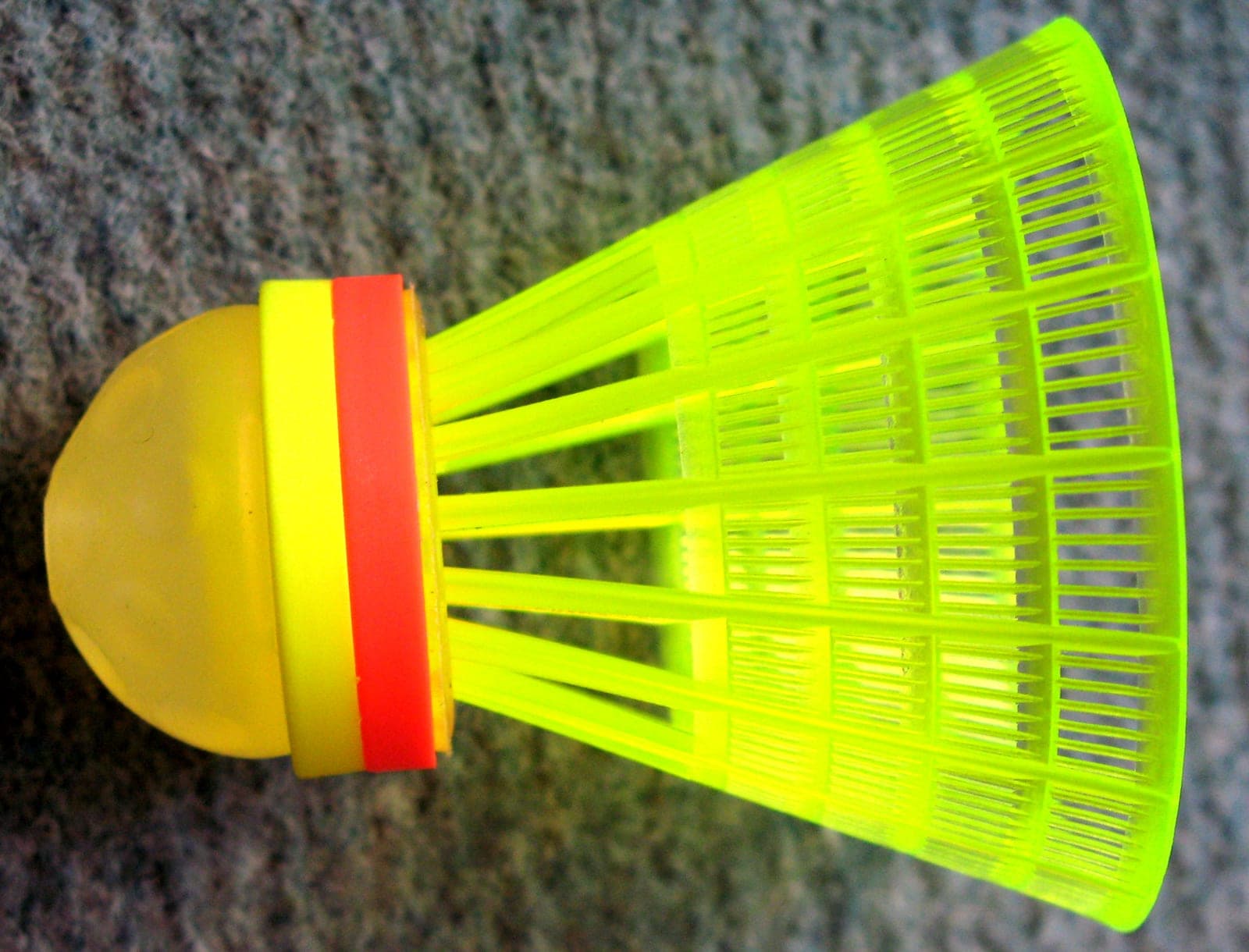
Badminton
A fast indoor racquet sport played with a shuttlecock that rewards agility and touch.
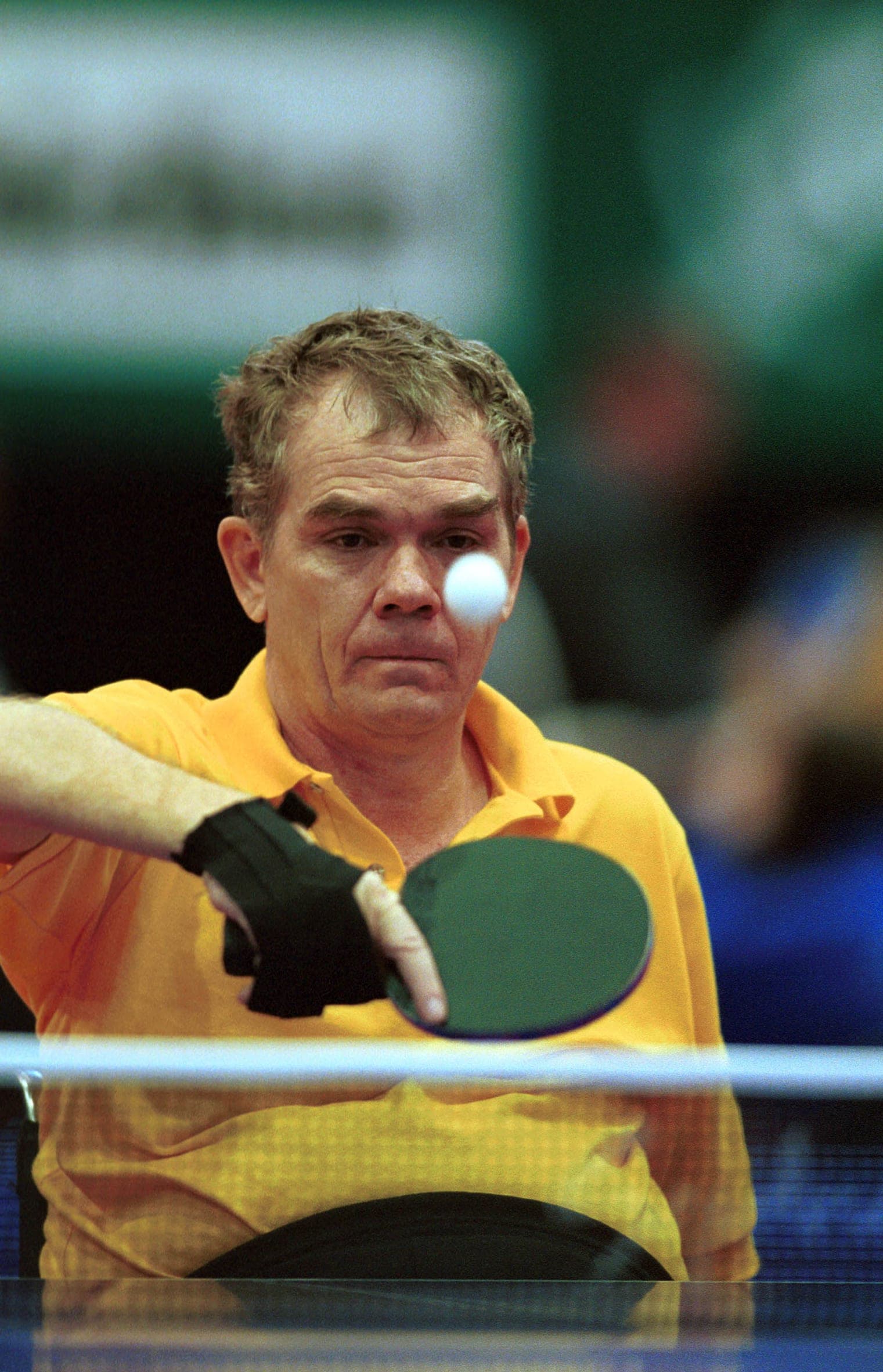
Table Tennis
A fast, low-impact indoor racquet sport that sharpens reflexes and is easy to start.
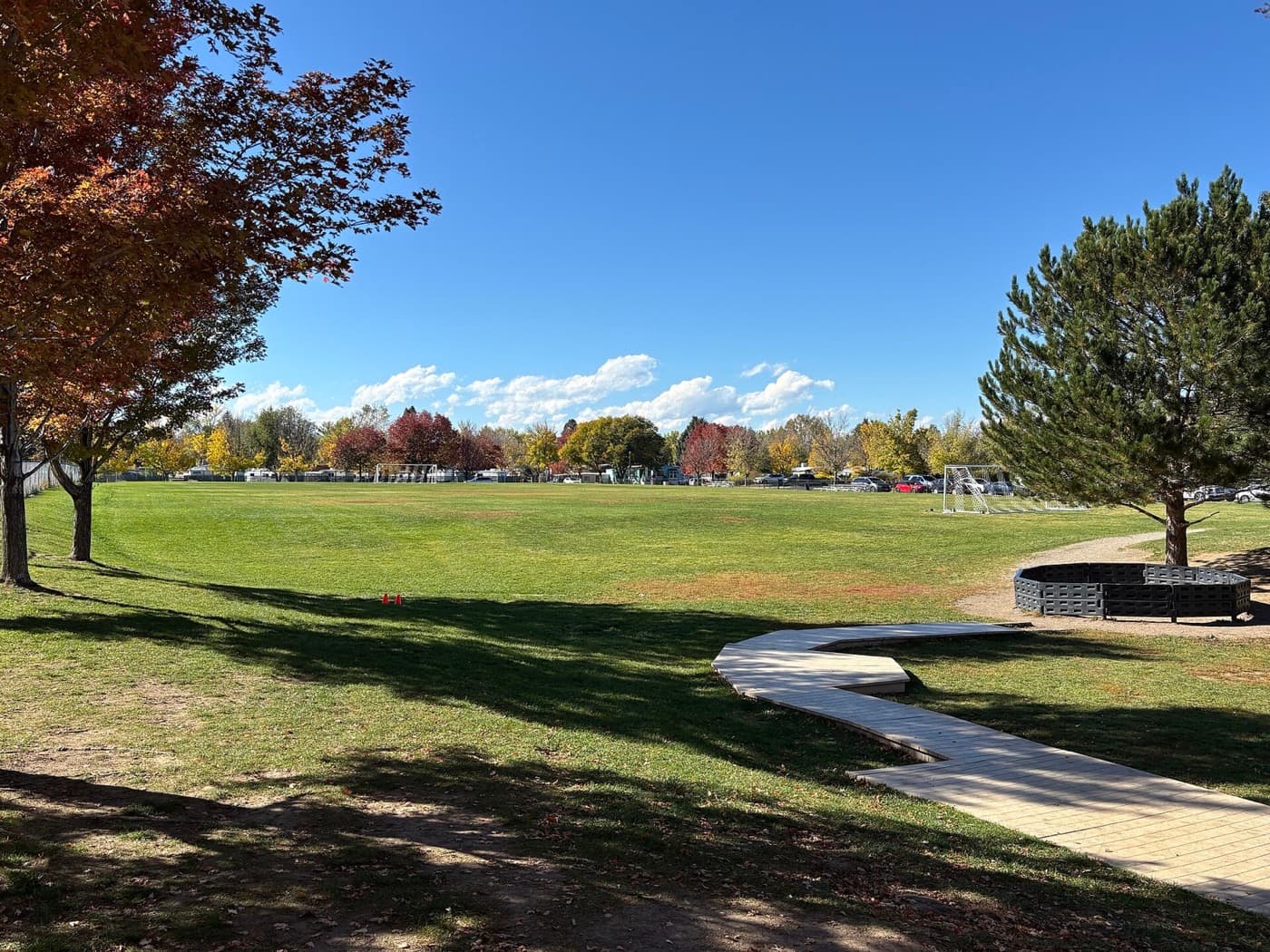
Football
The world’s most popular team sport — endless running, teamwork and community in one game.

Basketball
A fast, dynamic team sport of running, jumping and quick decisions on court.
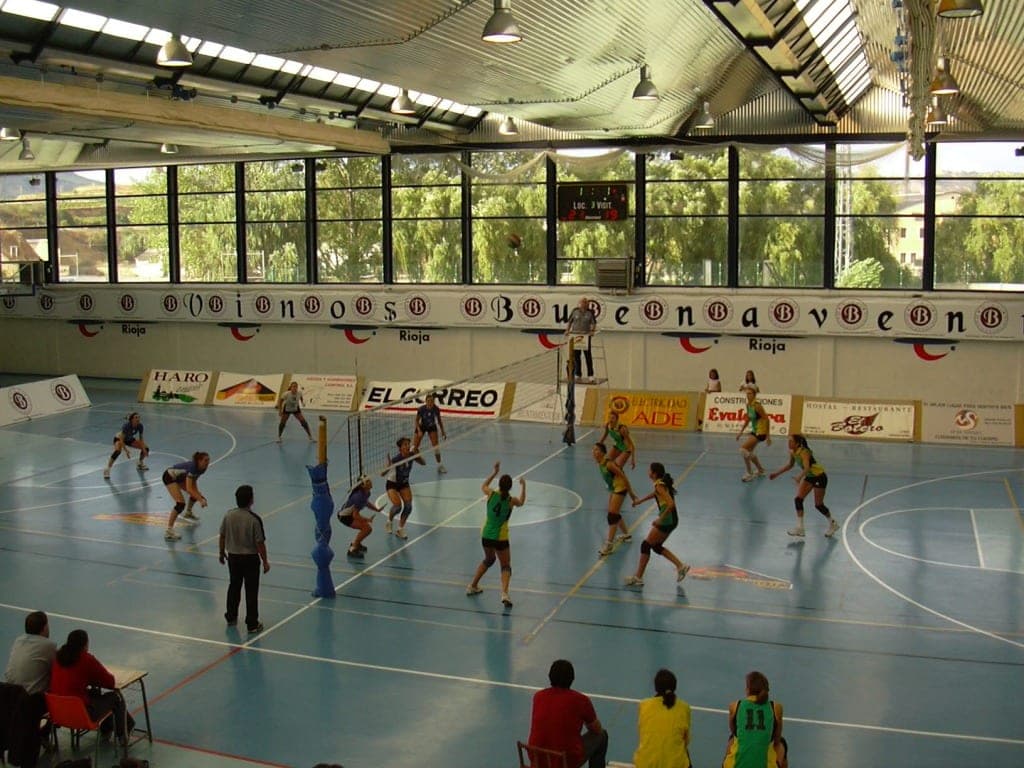
Volleyball
A non-contact team sport of rallies, jumps and teamwork — indoors or on the beach.
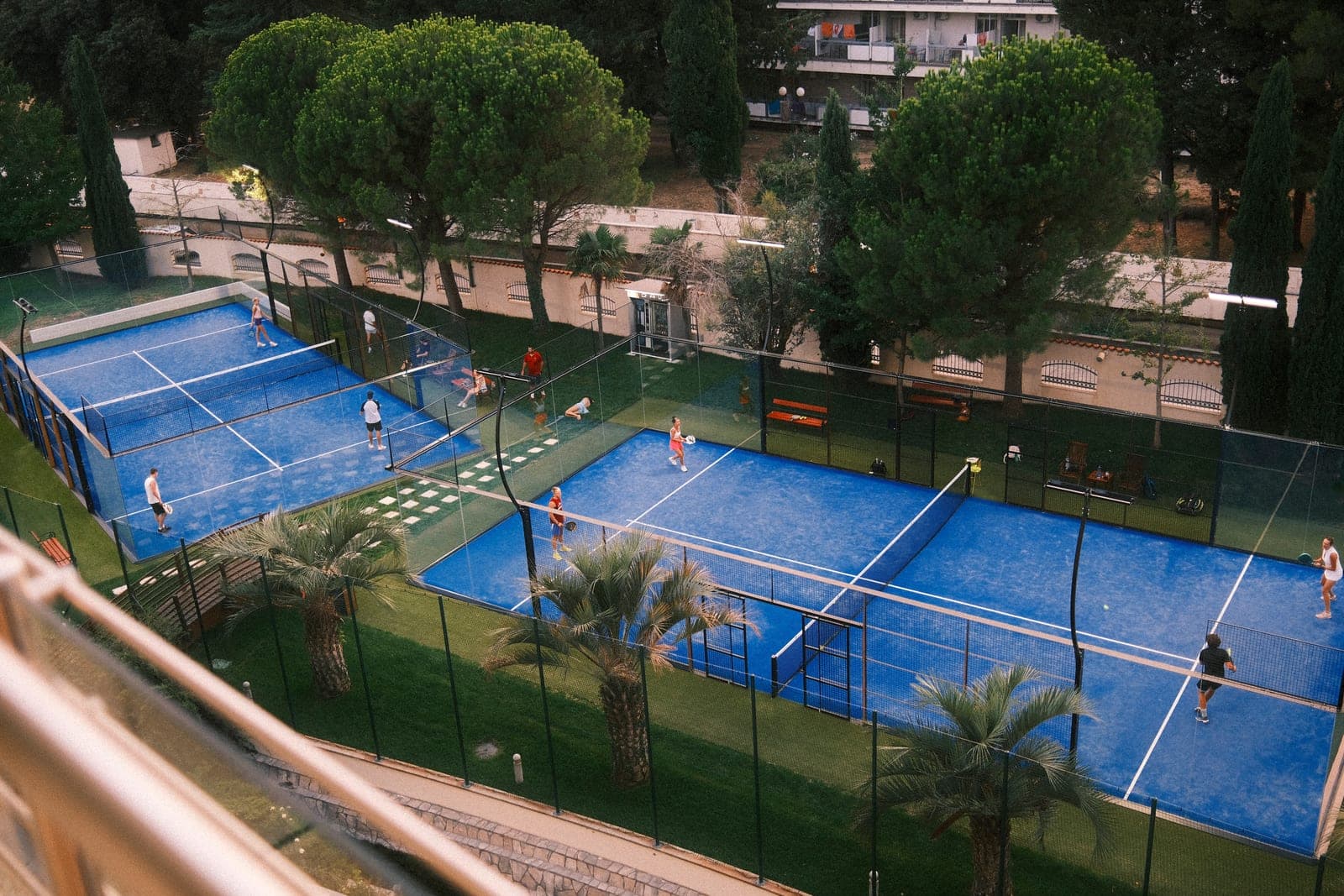
Padel
A sociable, doubles-first racquet sport played in an enclosed court where the walls stay in play.
Goals that fit
Social activities
Use sport as a way to meet people, make friends and stay connected while staying active.
Build an active lifestyle
Make movement a natural, lasting part of daily life through activities and habits you genuinely enjoy.
Build healthy habits
Using sport and routine to make regular activity a lasting part of everyday life.
Improve mental wellbeing
Use regular, enjoyable activity to support your mood, connection and sense of wellbeing as one healthy habit among many.
Ways to train
Exercises and methods that fit — educational, not a prescription.
Jump squat
An explosive squat variation where you spring off the floor at the top of the movement.
Lunge
A single-leg movement where you step forward and bend both knees to lower your body.
Bulgarian split squat
A single-leg squat where the back foot is raised on a bench behind you.
Hip hinge
The foundational bending-at-the-hips pattern that underpins deadlifts, swings and picking things up.
Kettlebell swing
A dynamic hinge where you swing a kettlebell to shoulder height using a snap of the hips.
Band pull-apart
A simple pulling exercise where you stretch a resistance band across your chest to work the upper back.
Frequently asked questions
What are the most fun sports to try?
Fast, sociable games such as badminton, table tennis, padel and casual team sports tend to score high on fun because they mix play, variety and company. The most reliable rule, though, is simply to follow whatever you look forward to.
Explore across the knowledge base
Follow the threads that connect To have fun to the rest of SocialSportHub.
People
- CouplesHow sport can fit two people doing it together — shared activity that doubles as time together, mutual motivation and a common goal.
- Recreational athletesHow the platform fits someone who plays regularly for enjoyment and fitness rather than competition — staying active, sociable and healthy through sport.
- Weekend athletesHow to enjoy recreational sport on weekends while staying comfortable and consistent through the week.
- FamiliesHow families can be active together with inclusive, all-ages sports that make movement social and fun.
- RetireesHow sport can fit newly free time in retirement — an opportunity to be active, social and purposeful, at a comfortable and well-guided pace.
Barriers
- Low motivationWhen motivation is hard to find, the fix is rarely more willpower — it is making the activity smaller, easier and more enjoyable so starting is simple.
- Nervous about startingWhen starting feels intimidating, beginner-friendly, low-pressure settings and a gentle first step make the first move far easier.
- Never played sportWhen you are starting from zero, beginner pathways, basic skills and patience with the learning curve turn "no experience" into a fresh start.
- No one to play withWhen you have no training partner, individual sports, beginner groups and finding-people options open the door to solo and social activity alike.
- Worried about costWhen money is tight, free and low-cost activity — walking, running, bodyweight training — proves that sport does not have to be expensive.
Lifestyle
- WeekendMaking the most of weekend free time for longer, more social or outdoor activities.
- Low budgetWays to be active without spending much, from free activities to low-cost options.
- MorningFitting activity into your morning, from an early run to a gentle stretch, to start the day moving.
- At the officeWays to stay active around a desk job — walking, mobility breaks and stretching that fit into a working day.
Experience levels
Healthy living
- Weekend ActivityUsing the extra time at weekends to be active in ways that feel more like fun than exercise.
- Family Active TimeMaking activity something the whole household does together, so movement becomes a shared, everyday habit.
- WalkingThe most accessible activity there is — free, low-impact, and one of the easiest ways to add movement to any day.
- Exercise and SleepThe two-way link between staying active and sleeping well — how movement can help rest, and how rest fuels movement.
- Meal TimingHow the rhythm of when you eat can fit around your day and your activity — without rigid rules or clock-watching.
How this page is maintained
- Content type
- Your why
- Provenance
- Tier A — evergreen educational
- Verified external sources
- 0
- Content updated
- 2026-07-09
Evergreen, first-party explanation — it makes no claim that needs an external source. How we handle sources and reviews.