
Family Active Time
Making activity something the whole household does together, so movement becomes a shared, everyday habit.
Overview
Family active time is simply making movement something the household does together — a walk, a bike ride, a game in the park, or a kick-about after school. When activity is shared it tends to feel like play rather than exercise, which makes it easier for everyone, young and old, to enjoy and repeat. It also turns time together into time spent moving.
Beyond the activity itself, doing things together can build habits that children carry with them and give the whole family a shared thing to look forward to. It does not need to be sporty or competitive — the aim is fun and togetherness, at whatever pace suits everyone. Small, regular outings usually work better than occasional big ones.
What helps
- Shared movement feels more like play than exercise.
- Helps build active habits that children can carry with them.
- Turns family time into active time, with no need to compete.
- Small, regular outings tend to work better than rare big ones.
A note on this guidance
How to start
- 1Choose one simple activity everyone can join, like a weekend walk.
- 2Let it be fun and unhurried rather than competitive or structured.
- 3Make it a regular fixture so it becomes something to look forward to.
- 4If anyone has health concerns, check with a qualified professional first.
Sports that fit
Ways to put this into practice — each with a clear, beginner-friendly guide.
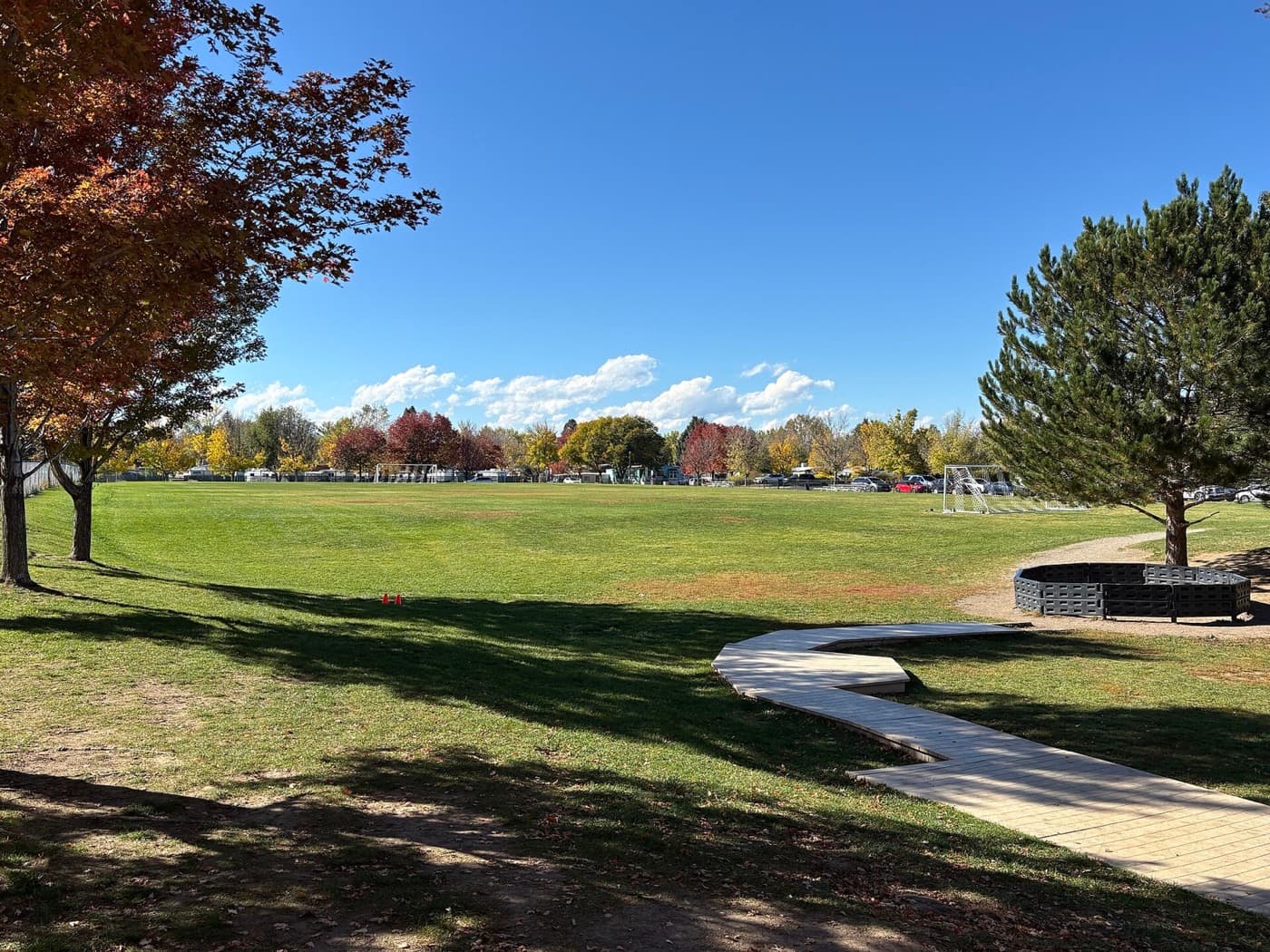
Football
The world’s most popular team sport — endless running, teamwork and community in one game.
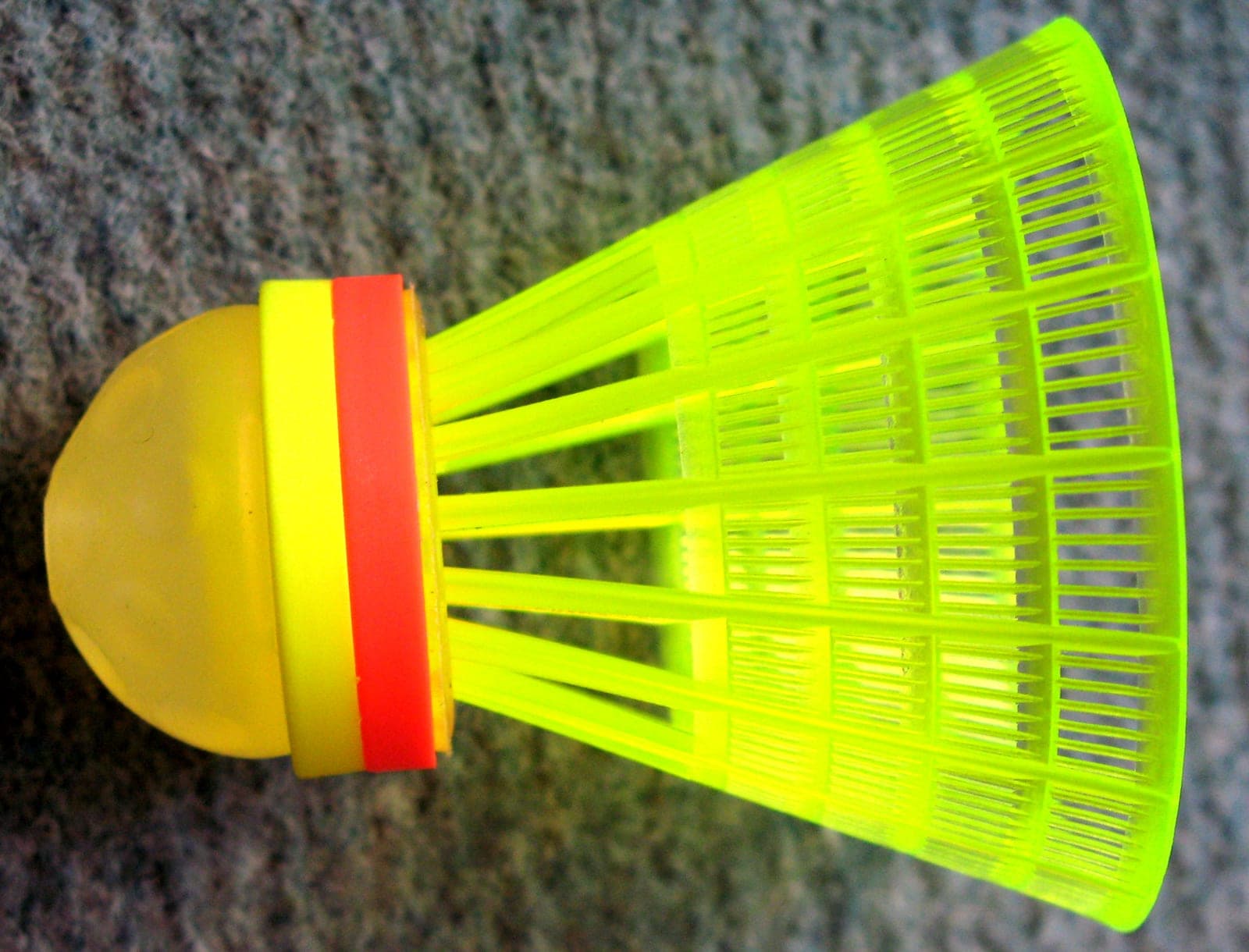
Badminton
A fast indoor racquet sport played with a shuttlecock that rewards agility and touch.
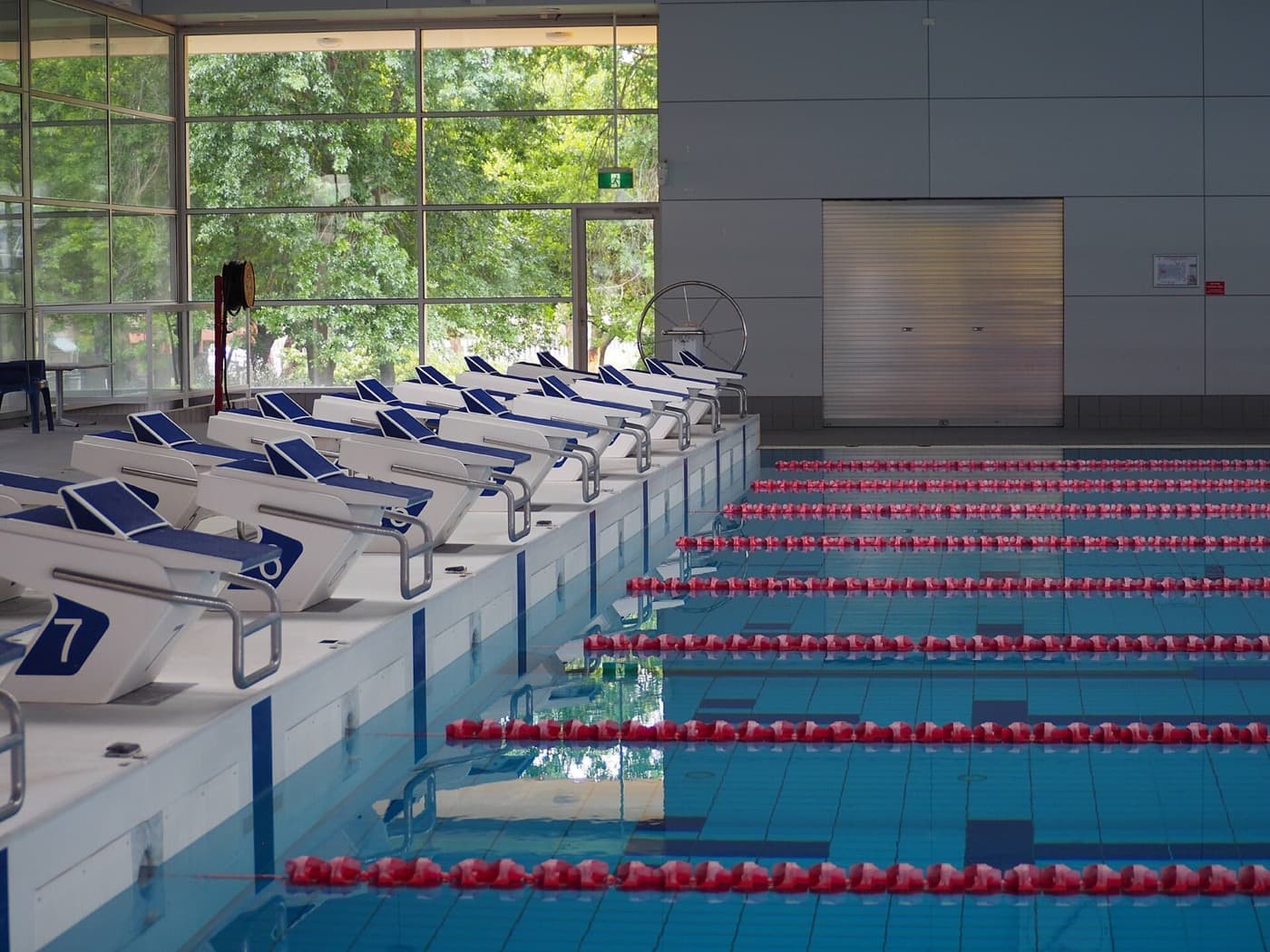
Swimming
A full-body, low-impact endurance sport suitable for almost every age and ability.
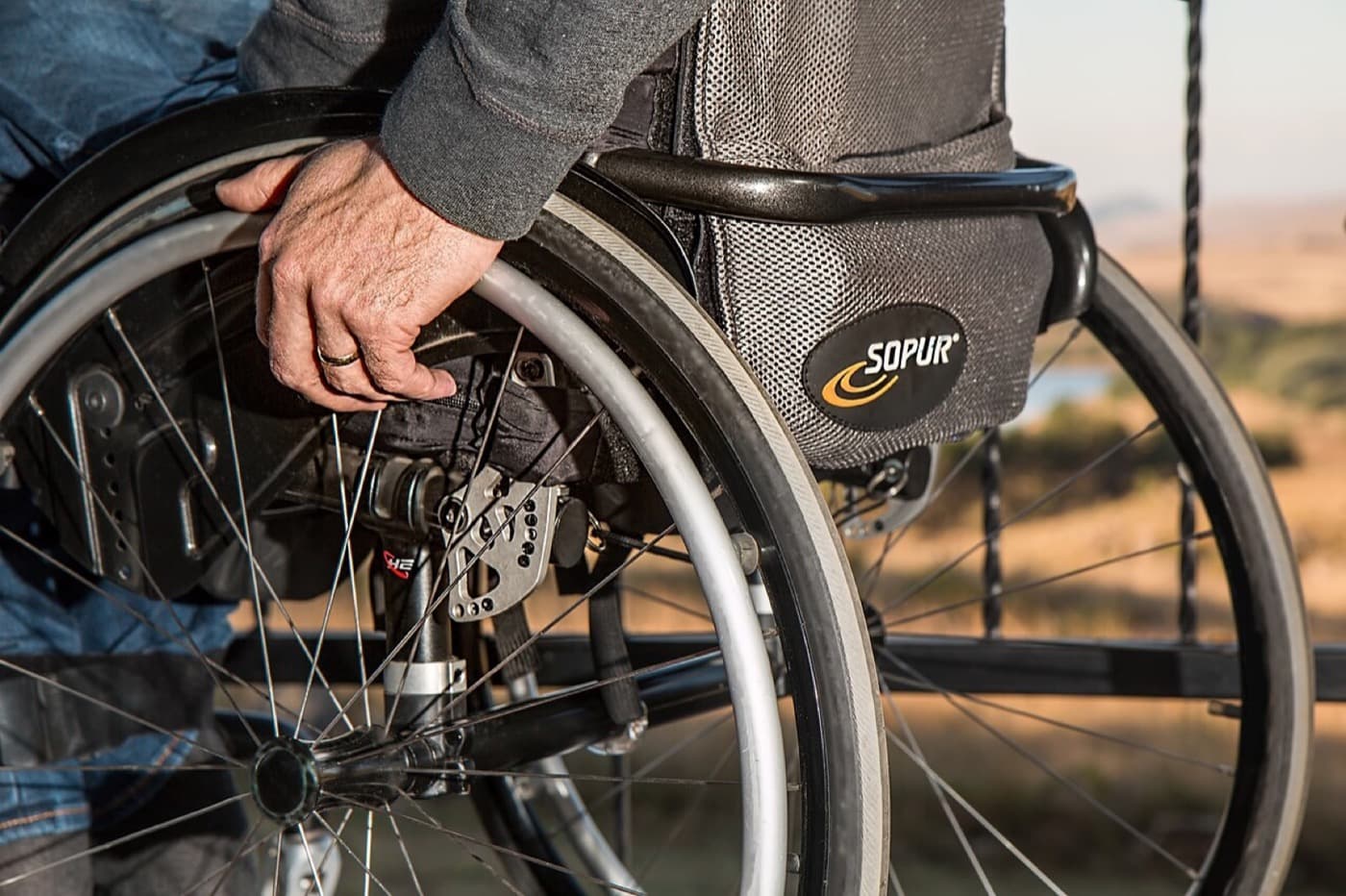
Cycling
A low-impact endurance sport that doubles as transport, exercise and adventure.
Goals it supports
Family activities
Find sports and games that people of different ages can enjoy together, with something for everyone.
Build an active lifestyle
Make movement a natural, lasting part of daily life through activities and habits you genuinely enjoy.
Social activities
Use sport as a way to meet people, make friends and stay connected while staying active.
Become more active
Add regular, gentle movement to your everyday life and build up from a sedentary start at your own pace.
Build healthy habits
Using sport and routine to make regular activity a lasting part of everyday life.
Frequently asked questions
What activities work for a whole family?
Anything that suits a range of ages and abilities tends to work well — walking, cycling, swimming or simple games in the park are common choices. The best option is usually whatever your family finds fun and can do together regularly. For activities suited to young children or anyone with health needs, a qualified professional can advise.
Explore across the knowledge base
Follow the threads that connect Family Active Time to the rest of SocialSportHub.
People
- FamiliesHow families can be active together with inclusive, all-ages sports that make movement social and fun.
- ParentsHow busy parents can fit sport around family life with flexible, home-friendly and time-efficient options.
- ChildrenHow sport can fit into a child’s life through play, variety and supported, age-appropriate movement.
- CouplesHow sport can fit two people doing it together — shared activity that doubles as time together, mutual motivation and a common goal.
- Recreational athletesHow the platform fits someone who plays regularly for enjoyment and fitness rather than competition — staying active, sociable and healthy through sport.
Motivations
- To spend time as a familyWhen the aim is shared time, activities the whole family can do together turn being active into a way to connect across ages.
- To have funWhen enjoyment is the point, playful, varied and social sports keep you coming back — because the best activity is the one you look forward to.
Lifestyle
- OutdoorsSport and activity in the fresh air — running, cycling, hiking and more, using parks, trails and open space.
- WeekendMaking the most of weekend free time for longer, more social or outdoor activities.
- Low budgetWays to be active without spending much, from free activities to low-cost options.
- In winterCold-weather sport — snow activities, indoor training and warm-up-first sessions for short, chilly days.
Knowledge Atlas
Recommendations
- Recommended for “Family activities”Sports, qualities, a learning path and first steps for “Family activities” — every suggestion a real graph link, shown with its reason.
- Recommended for “Outdoor activities”Sports, qualities, a learning path and first steps for “Outdoor activities” — every suggestion a real graph link, shown with its reason.
- Recommended for “Build healthy habits”Sports, qualities, a learning path and first steps for “Build healthy habits” — every suggestion a real graph link, shown with its reason.
- Recommended for “Build an active lifestyle”Sports, qualities, a learning path and first steps for “Build an active lifestyle” — every suggestion a real graph link, shown with its reason.
Recovery
- Staying hydratedStaying hydrated is the simple everyday habit of drinking water regularly so you feel comfortable and ready to be active.
- WalkingWalking is simple, low-intensity movement that supports everyday activity and gentle recovery for almost anyone.
- Breathing & winding downWinding down with slow, relaxed breathing is a calming everyday habit that helps you shift from activity towards rest.
- Regular, balanced mealsEating regular, balanced meals is a general everyday habit that supports energy and recovery around an active lifestyle.
How this page is maintained
- Content type
- Healthy living topic
- Provenance
- Tier A — evergreen educational
- Verified external sources
- 0
- Content updated
- 2026-07-09
Evergreen, first-party explanation — it makes no claim that needs an external source. How we handle sources and reviews.