
Healthy Cooking
Cooking more at home gives you simple control over what goes into your food — and it is easier than it looks.
Overview
Cooking at home is one of the most practical ways to eat well, because it puts you in control of the ingredients, the balance and the portion. It does not require skill, fancy equipment or a lot of time — a handful of simple methods and a few reliable meals go a long way. Gentler cooking methods, plenty of vegetables, and cooking from basic ingredients all make it easy to build meals you feel good about.
The aim is not restaurant-level cooking or a rigid diet, but a small set of easy meals you can repeat and adapt. Cooking a little more often is widely associated with eating more whole foods and fewer heavily processed ones, almost by default. This page is general education, not a diet plan; for advice tailored to you or any health condition, speak with a qualified professional.
What helps
- Cooking at home puts you in control of ingredients, balance and portion.
- A few simple methods and reliable meals matter more than fancy technique.
- Gentler methods and more vegetables make meals easy to feel good about.
- Cooking more tends to mean more whole foods, almost by default.
- Repeatable, adaptable meals beat elaborate one-off recipes.
A note on this guidance
How to start
- 1Pick a couple of simple meals to learn well and repeat.
- 2Keep basic ingredients on hand so cooking is the easy option.
- 3Add vegetables to meals you already make, rather than starting over.
- 4For advice suited to you or any health condition, ask a qualified professional.
Sports that fit
Ways to put this into practice — each with a clear, beginner-friendly guide.
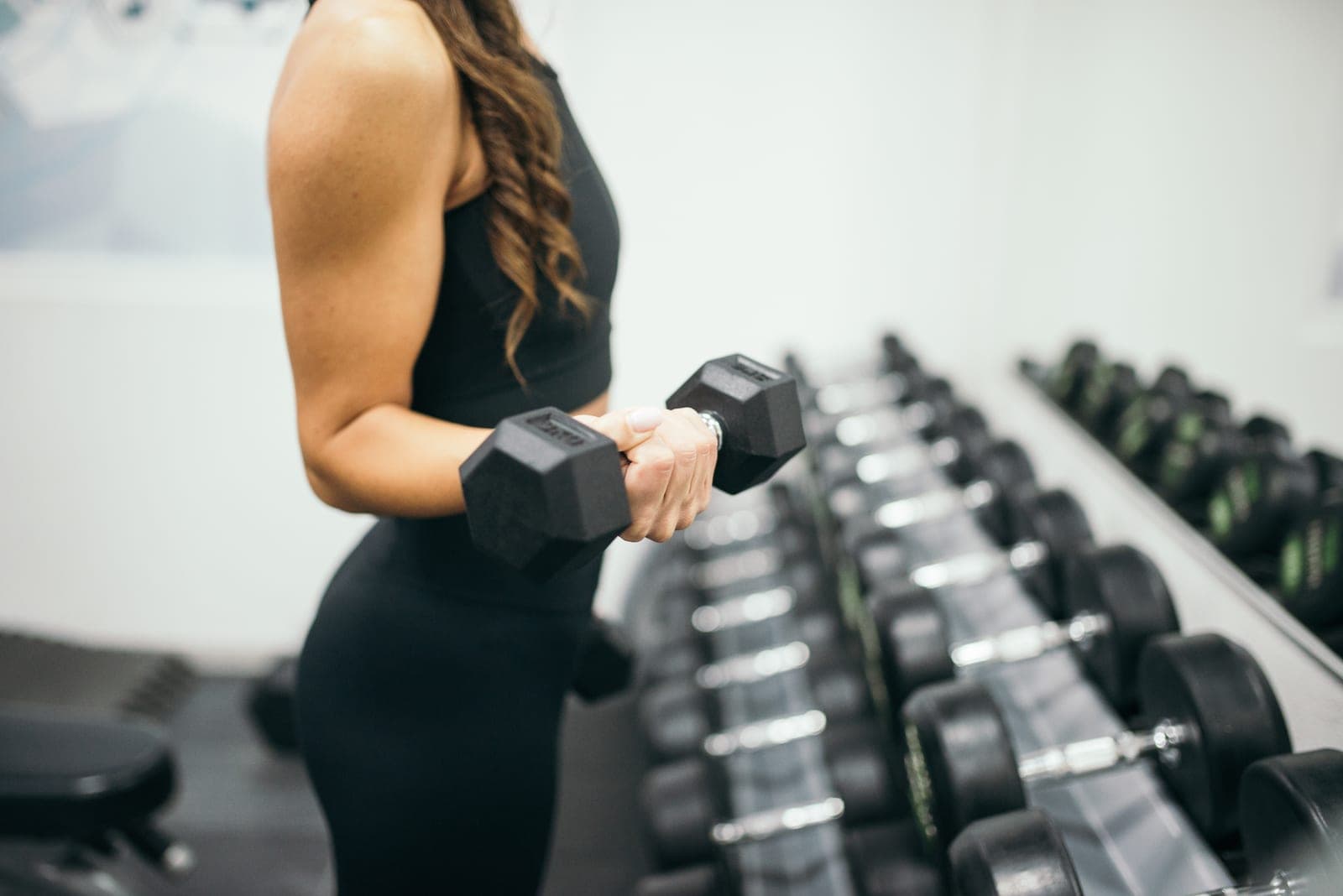
Fitness
Strength and general fitness training — the foundation that supports every other sport.

Running
The most accessible endurance sport — no venue, just shoes and the open road or trail.
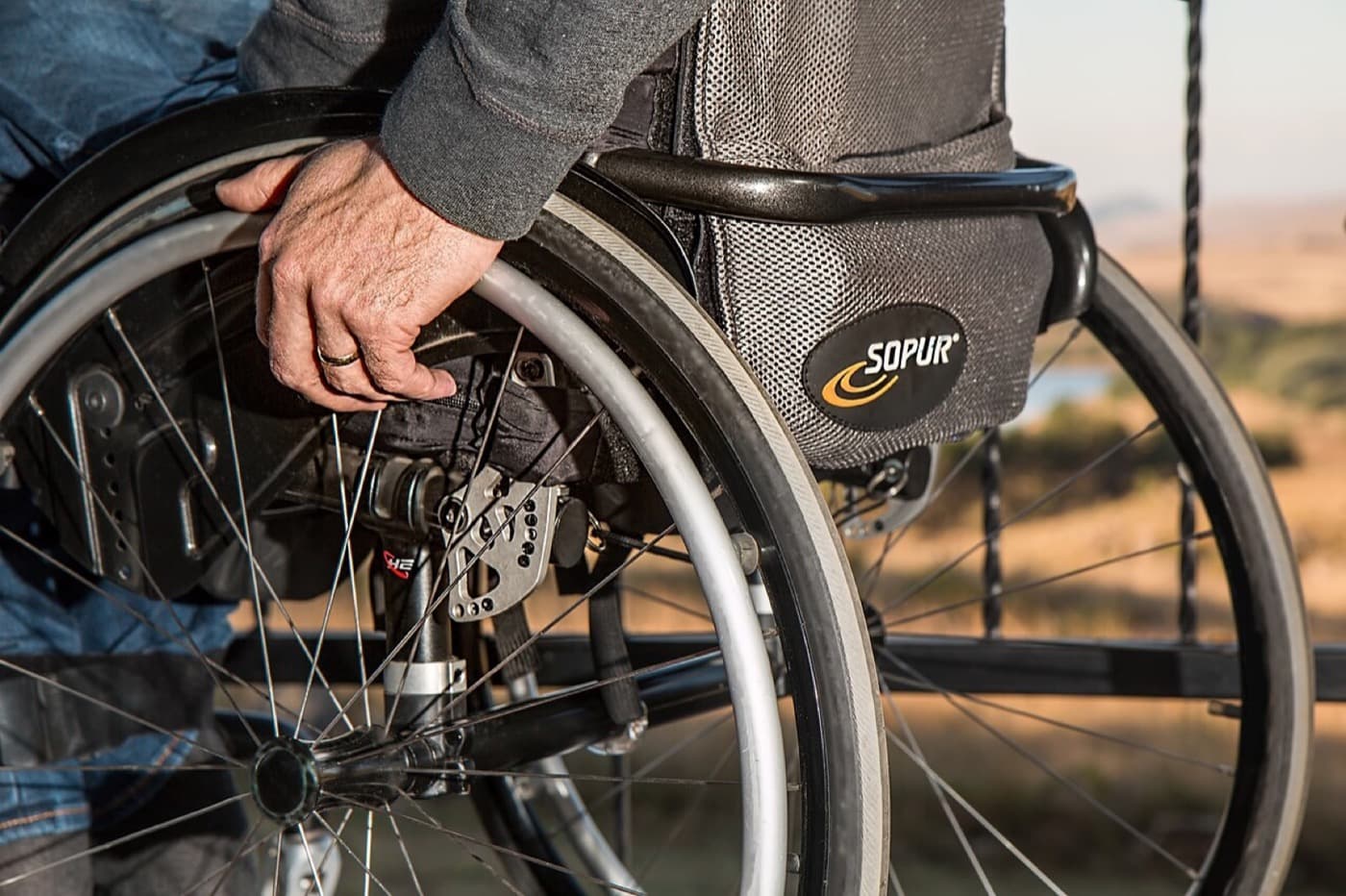
Cycling
A low-impact endurance sport that doubles as transport, exercise and adventure.
Goals it supports
Build healthy habits
Using sport and routine to make regular activity a lasting part of everyday life.
Build an active lifestyle
Make movement a natural, lasting part of daily life through activities and habits you genuinely enjoy.
Healthy aging
Stay active, steady and independent as you get older with a sustainable mix of gentle cardio, strength and balance work.
Improve fitness
Build well-rounded fitness — stamina, strength and more — through regular, varied activity you can keep up.
Frequently asked questions
I am not a confident cook — where do I start?
Many people find it easiest to start with two or three simple meals they enjoy and cook those until they feel natural, rather than trying lots of recipes at once. Keeping a few basic ingredients on hand makes cooking the easy option on a busy day. There is no need for special skills or equipment to eat well at home.
Explore across the knowledge base
Follow the threads that connect Healthy Cooking to the rest of SocialSportHub.
Barriers
- No timeWhen your days are full, sport has to fit into small windows rather than replace them — short, flexible activity that adds up.
- An unpredictable scheduleWhen no two weeks look the same, sport needs to be flexible and portable rather than tied to a fixed class time.
- Low motivationWhen motivation is hard to find, the fix is rarely more willpower — it is making the activity smaller, easier and more enjoyable so starting is simple.
People
Lifestyle
- Low budgetWays to be active without spending much, from free activities to low-cost options.
- 15 minutesShort, focused bursts of movement you can fit into a spare 15 minutes, with no long session required.
- At homeMovement you can do in your living room — from bodyweight strength to yoga — with little or no equipment.
How this page is maintained
- Content type
- Healthy living topic
- Provenance
- Tier A — evergreen educational
- Verified external sources
- 0
- Content updated
- 2026-07-09
Evergreen, first-party explanation — it makes no claim that needs an external source. How we handle sources and reviews.