
15 minutes
Short, focused bursts of movement you can fit into a spare 15 minutes, with no long session required.
Overview
When time is tight, 15 minutes is still enough to get moving. Short sessions of brisk activity — a quick jog, a round of bodyweight exercises, a few minutes of stretching or a fast-paced rally — can help you stay active on busy days without needing a whole free evening.
The trick is to keep it simple and repeatable. Because a short session has little warm-up-and-travel overhead, activities you can start at home or nearby tend to work best, and doing a little often is usually more sustainable than waiting for a rare long window.
What works
- Bodyweight moves and short cardio bursts pack a lot into a small window with no setup.
- Activities you can start at home or on your doorstep waste less time on travel and changing.
- Short sessions are easy to repeat, so doing a little often can add up over a week.
- A quick warm-up still matters, even when the session itself is brief.
Getting started
- 1Pick one or two activities you can start with no travel, such as a bodyweight circuit, a short run or a few yoga flows.
- 2Keep a simple go-to routine ready so you don't spend your 15 minutes deciding what to do.
- 3Include a short, gentle warm-up and ease off toward the end rather than stopping abruptly.
- 4Start at a comfortable effort and build up gradually as short sessions become a habit.
Sports that fit
Great places to start — each with a clear, beginner-friendly guide.

Running
The most accessible endurance sport — no venue, just shoes and the open road or trail.

HIIT
High-intensity interval training that alternates short bursts of hard effort with brief recovery.
Calisthenics
Bodyweight strength training — push-ups, pull-ups, dips and progressions you can do almost anywhere.
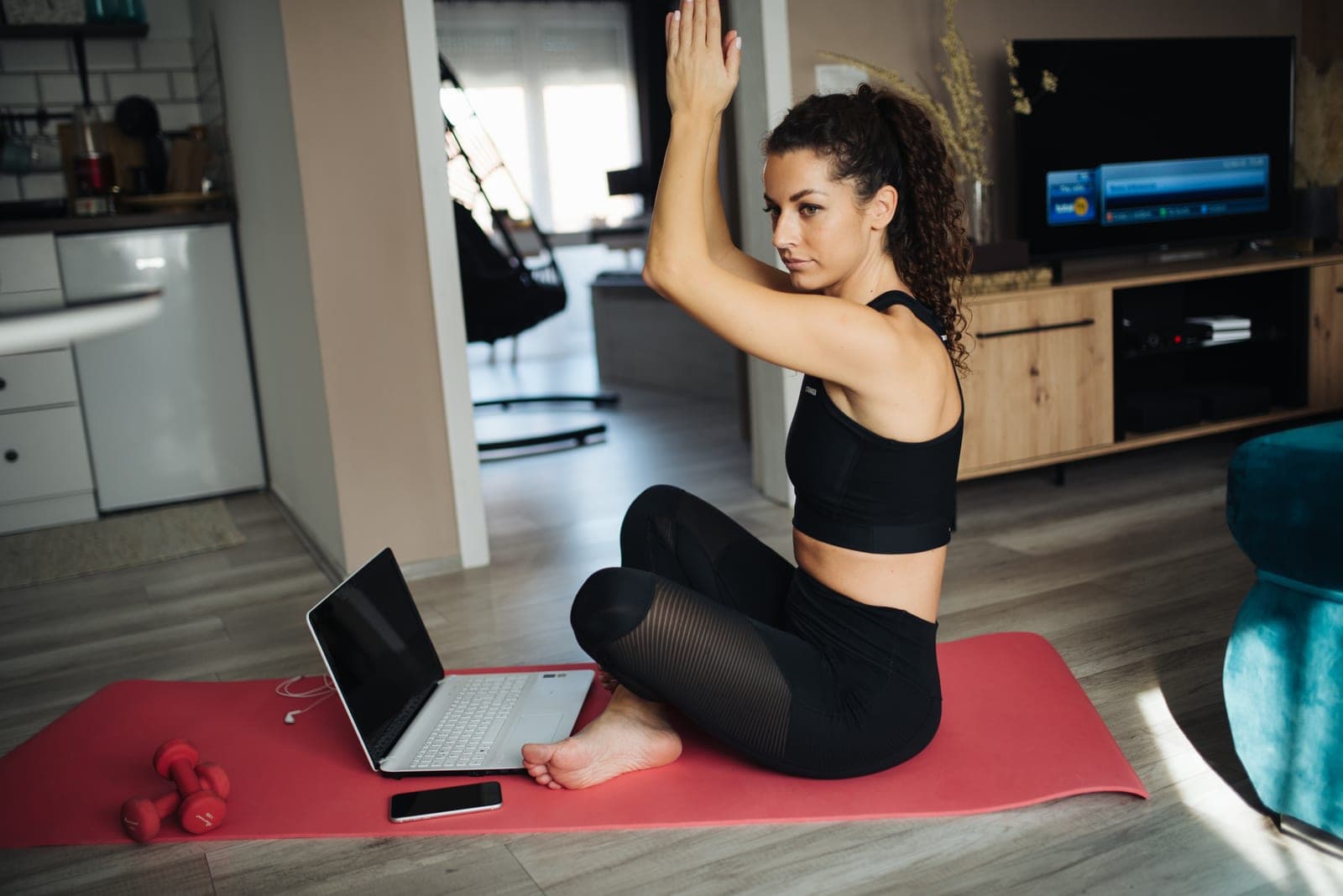
Yoga
A mind-body practice that links postures, breathing and focus to build flexibility, strength and calm.
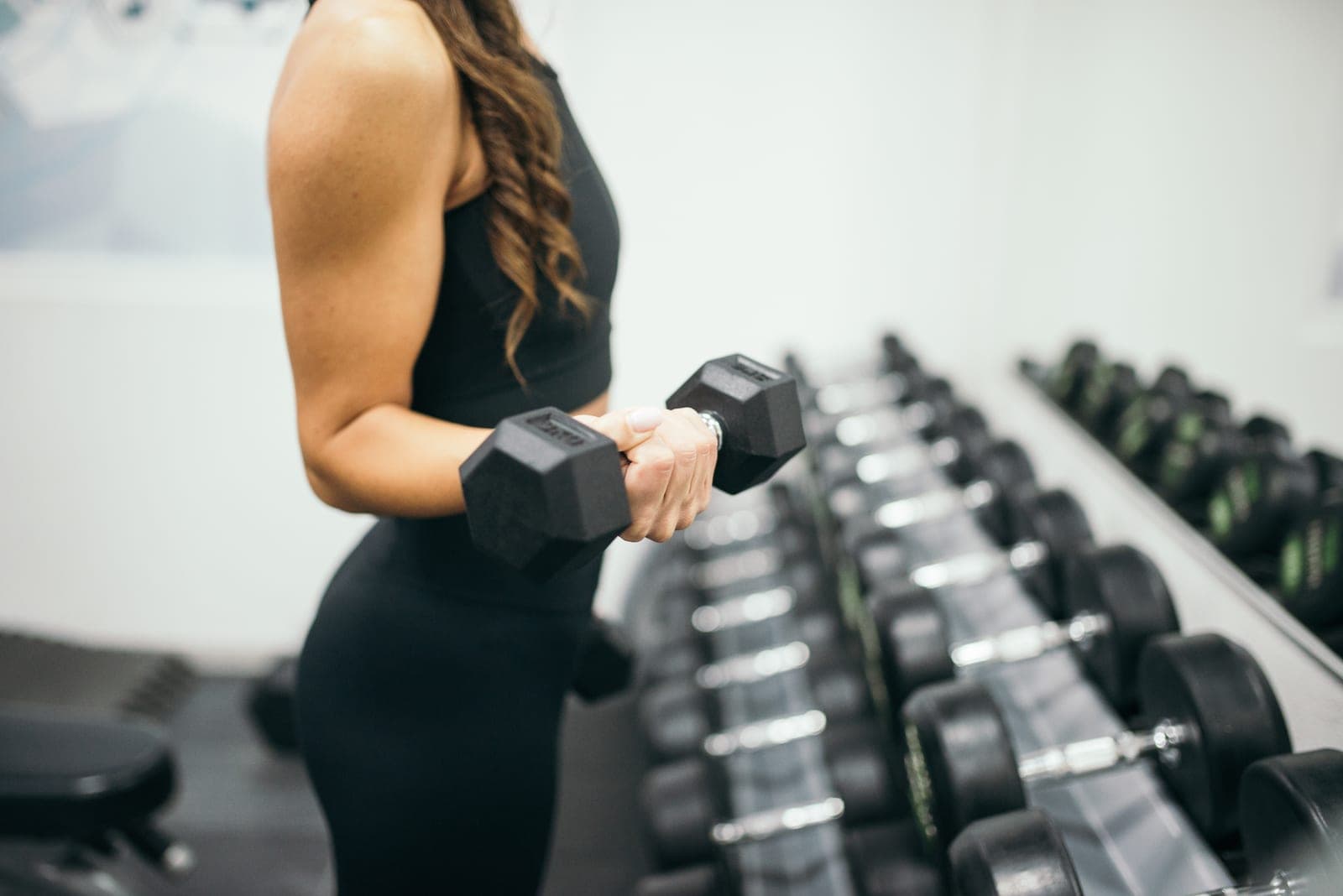
Fitness
Strength and general fitness training — the foundation that supports every other sport.
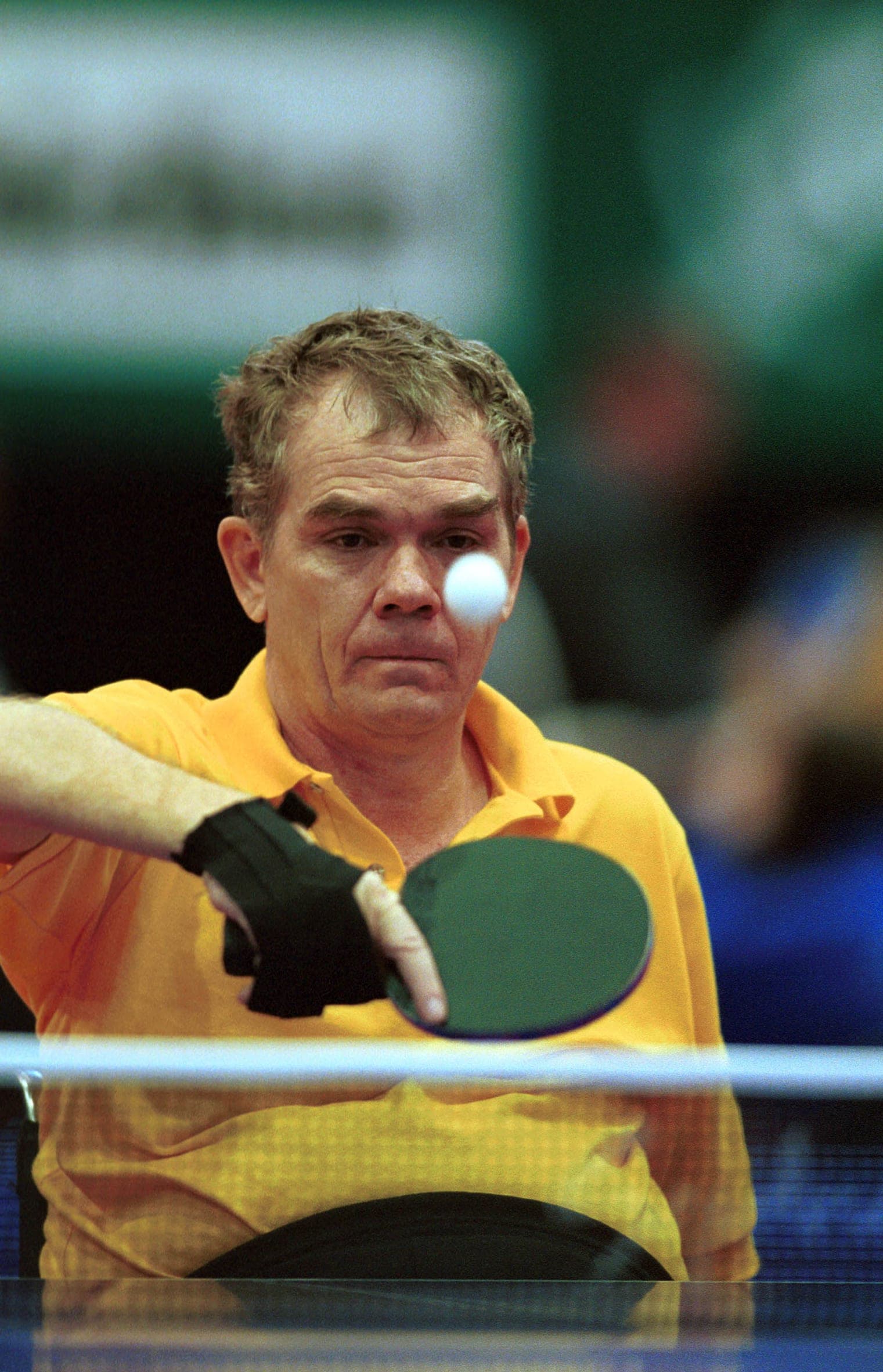
Table Tennis
A fast, low-impact indoor racquet sport that sharpens reflexes and is easy to start.
Goals that fit
Become more active
Add regular, gentle movement to your everyday life and build up from a sedentary start at your own pace.
Build healthy habits
Using sport and routine to make regular activity a lasting part of everyday life.
Improve fitness
Build well-rounded fitness — stamina, strength and more — through regular, varied activity you can keep up.
Sports for office workers
Ways for desk-based workers to add movement around a sedentary working day.
Ways to train
Exercises and methods that fit — educational, not a prescription.
Wall sit
A holding exercise where you sit against a wall with no chair, holding a squat position still.
Step-up
A movement where you step up onto a raised platform one leg at a time and step back down.
Kettlebell swing
A dynamic hinge where you swing a kettlebell to shoulder height using a snap of the hips.
Push-up
A classic upper-body pushing exercise where you lower and press your body up from the floor.
Tricep dip
A pushing exercise where you lower and raise your body using your arms on parallel bars or a bench.
Pull-up
A vertical pulling exercise where you hang from a bar and pull your chin above it.
Frequently asked questions
Is a 15-minute workout worth it?
Short sessions can absolutely count. Any regular movement is generally better than none, and fitting in 15 minutes on a busy day helps keep an active routine going. Consistency over time usually matters more than the length of any single session.
What can I do in 15 minutes with no equipment?
Bodyweight exercises like squats, lunges, press-ups and planks, a short brisk walk or jog, or a few rounds of stretching or yoga all fit well into 15 minutes and need little or no kit.
Should I still warm up for such a short session?
A brief, gentle warm-up is still a good idea, even for short sessions, so your body is ready to move. You can keep it to a couple of minutes and start the main activity gently rather than going flat out from the first second.
Explore across the knowledge base
Follow the threads that connect 15 minutes to the rest of SocialSportHub.
Barriers
- No timeWhen your days are full, sport has to fit into small windows rather than replace them — short, flexible activity that adds up.
- Low motivationWhen motivation is hard to find, the fix is rarely more willpower — it is making the activity smaller, easier and more enjoyable so starting is simple.
- Always travellingWhen you are often away from home, sport has to travel with you — bodyweight options, hotel-room routines and activity that needs no local club.
- Sitting all dayWhen work keeps you at a desk, the priority is breaking up long sitting and adding movement around the working day.
- An unpredictable scheduleWhen no two weeks look the same, sport needs to be flexible and portable rather than tied to a fixed class time.
Healthy living
- Active BreaksShort bursts of movement woven through the working or study day to break up long stretches of sitting.
- Meal TimingHow the rhythm of when you eat can fit around your day and your activity — without rigid rules or clock-watching.
- Active CommutingBuilding movement into the journey to work or school — walking or cycling all or part of the way, so travel time doubles as active time.
- Healthy CookingCooking more at home gives you simple control over what goes into your food — and it is easier than it looks.
- Reducing SittingBreaking up long, unbroken stretches of sitting with small, regular movement through the day.
Training guides
People
- Remote workersHow sport can fit a work-from-home life — replacing the movement a commute used to provide and breaking up long spells at a home desk.
- ParentsHow busy parents can fit sport around family life with flexible, home-friendly and time-efficient options.
- Busy professionalsHow time-efficient sport can fit a packed schedule to protect fitness, energy and stress relief.
- ChildrenHow sport can fit into a child’s life through play, variety and supported, age-appropriate movement.
- TeenagersHow sport can fit into a teenager’s life for fitness, friendship, confidence and healthy routines, with supervision.
Training methods
- High-Intensity Interval Training (HIIT)High-intensity interval training, or HIIT, packs short, hard efforts against brief recoveries into a compact session, making it a time-efficient way to train.
- Circuit TrainingCircuit training moves you through a series of stations back to back with little rest, blending strength and cardio into one time-efficient session.
- Interval TrainingInterval training alternates short bursts of harder effort with easier recovery periods, letting you accumulate more quality work than a single continuous push.
How this page is maintained
- Content type
- For your day
- Provenance
- Tier A — evergreen educational
- Verified external sources
- 0
- Content updated
- 2026-07-09
Evergreen, first-party explanation — it makes no claim that needs an external source. How we handle sources and reviews.