
Training adaptation
The process by which the body changes in response to repeated training — the underlying reason exercise makes you fitter, stronger or more skilful over time.
Overview
Training adaptation is the process behind almost every improvement in sport: when the body is repeatedly asked to do something demanding, and given time to recover, it gradually changes so it can cope better. Those changes are what we experience as becoming fitter, stronger, faster or more skilful. Without adaptation, training would simply tire you out with nothing to show for it.
Adaptation is usually described as a response to a stimulus followed by recovery — the training provides the challenge, and the body rebuilds during rest. It also tends to be specific to what you practise, and it is gradual rather than instant. How a particular person adapts varies widely, so anything about your own training is best guided by a qualified coach or professional.
The science
- Adaptation is the body's response to repeated training demands, making it more capable over time.
- It needs both a stimulus (the training) and recovery afterwards to take place.
- Adaptations tend to be specific to the demand that is repeated.
- It is gradual and cumulative rather than instant.
- How much and how quickly someone adapts is individual, not a fixed formula.
The overload–adaptation cycle
Why training makes you fitter
- 1Overload — apply a stress a little beyond the current comfortable level
- 2Fatigue — the effort temporarily reduces performance
- 3Recover — with rest and fuel, the body repairs
- 4Adapt — capacity rises slightly — then repeat at a new level
Why it matters
- It is the reason consistent training produces lasting change rather than just fatigue.
- It explains why rest and recovery are treated as part of training, not the opposite of it.
- It links principles like overload, specificity and reversibility into one story of why training works.
Educational only
Where it shows up
Sports where this concept is especially visible — each with a clear guide.
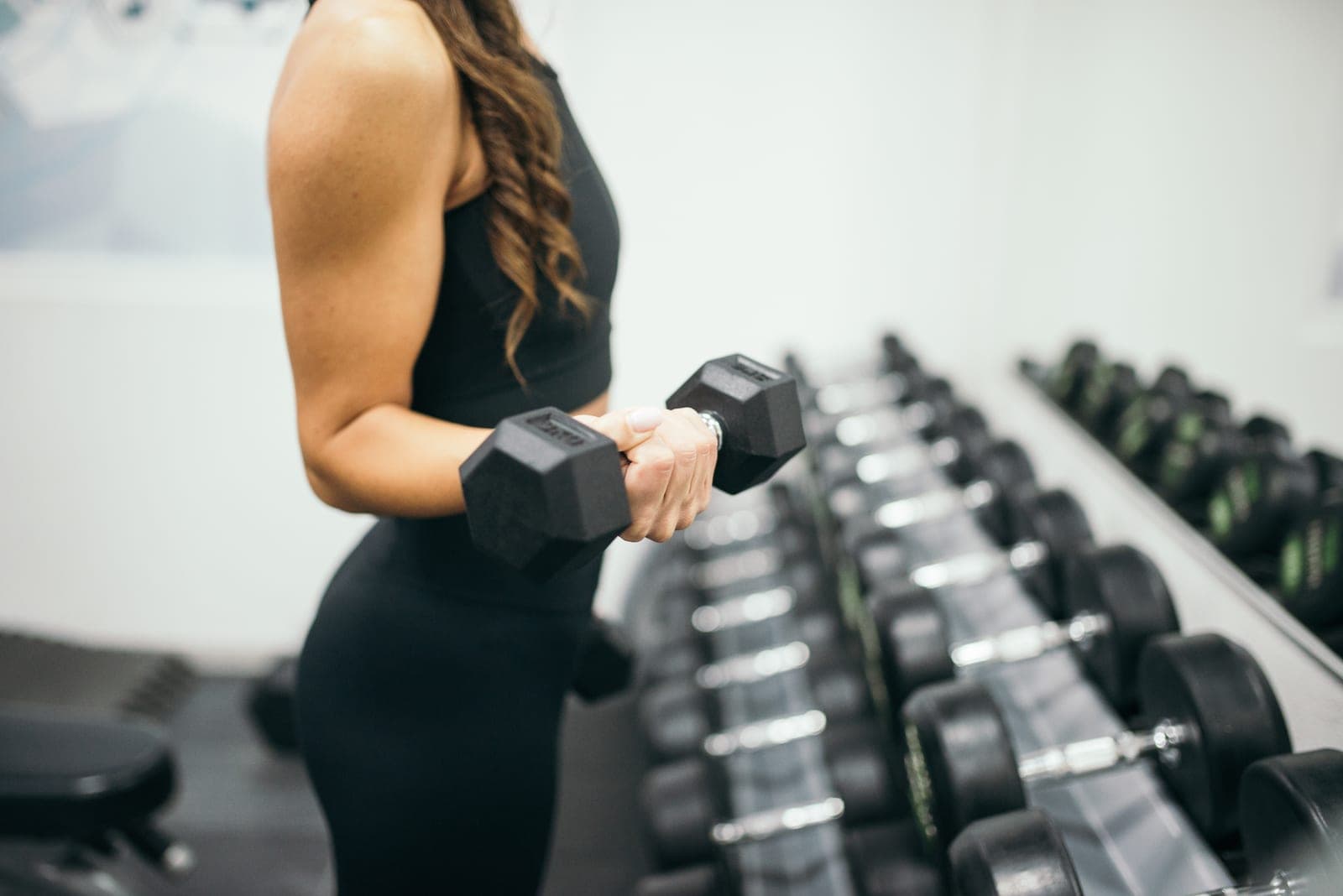
Fitness
Strength and general fitness training — the foundation that supports every other sport.
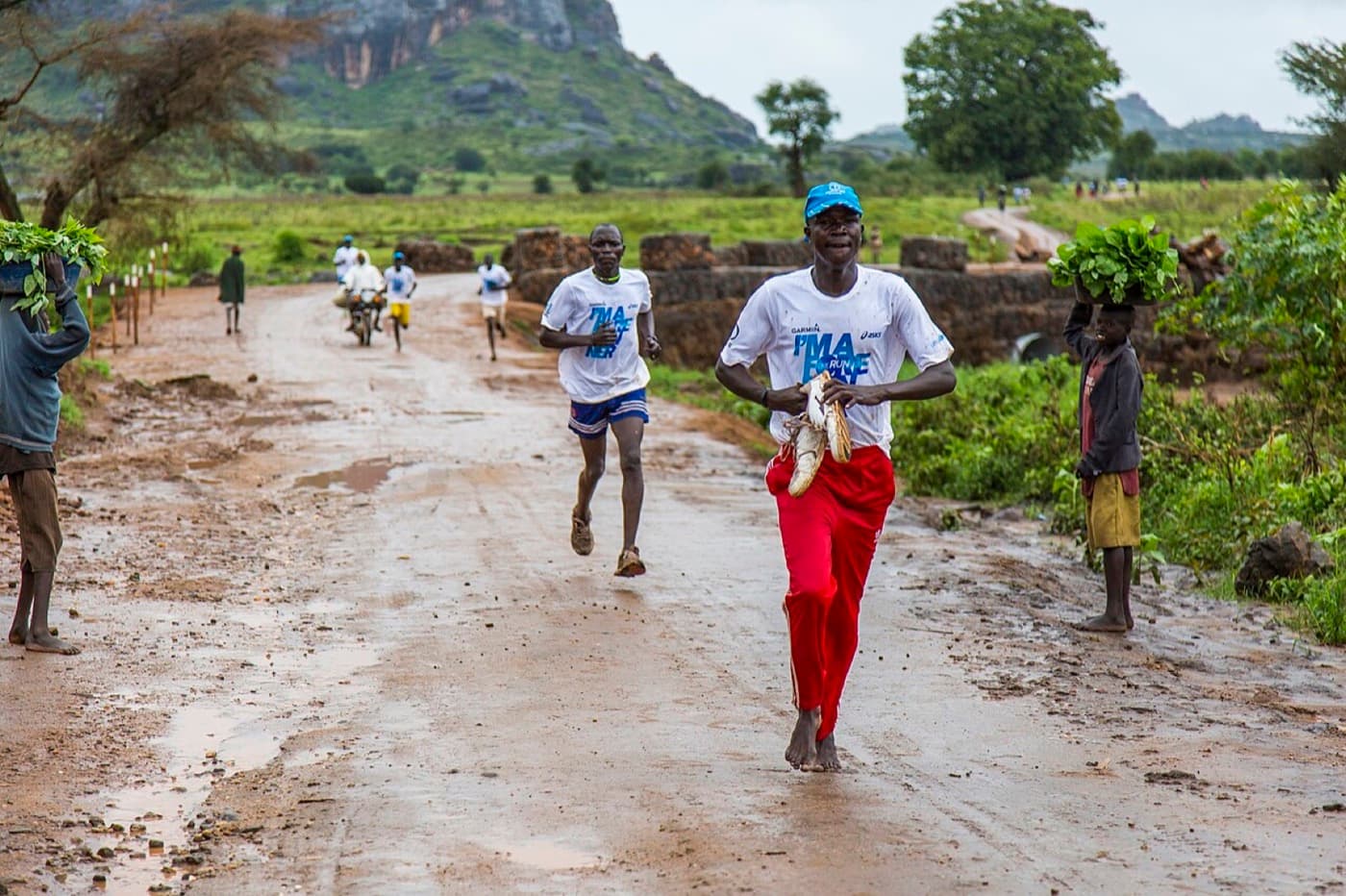
Running
The most accessible endurance sport — no venue, just shoes and the open road or trail.
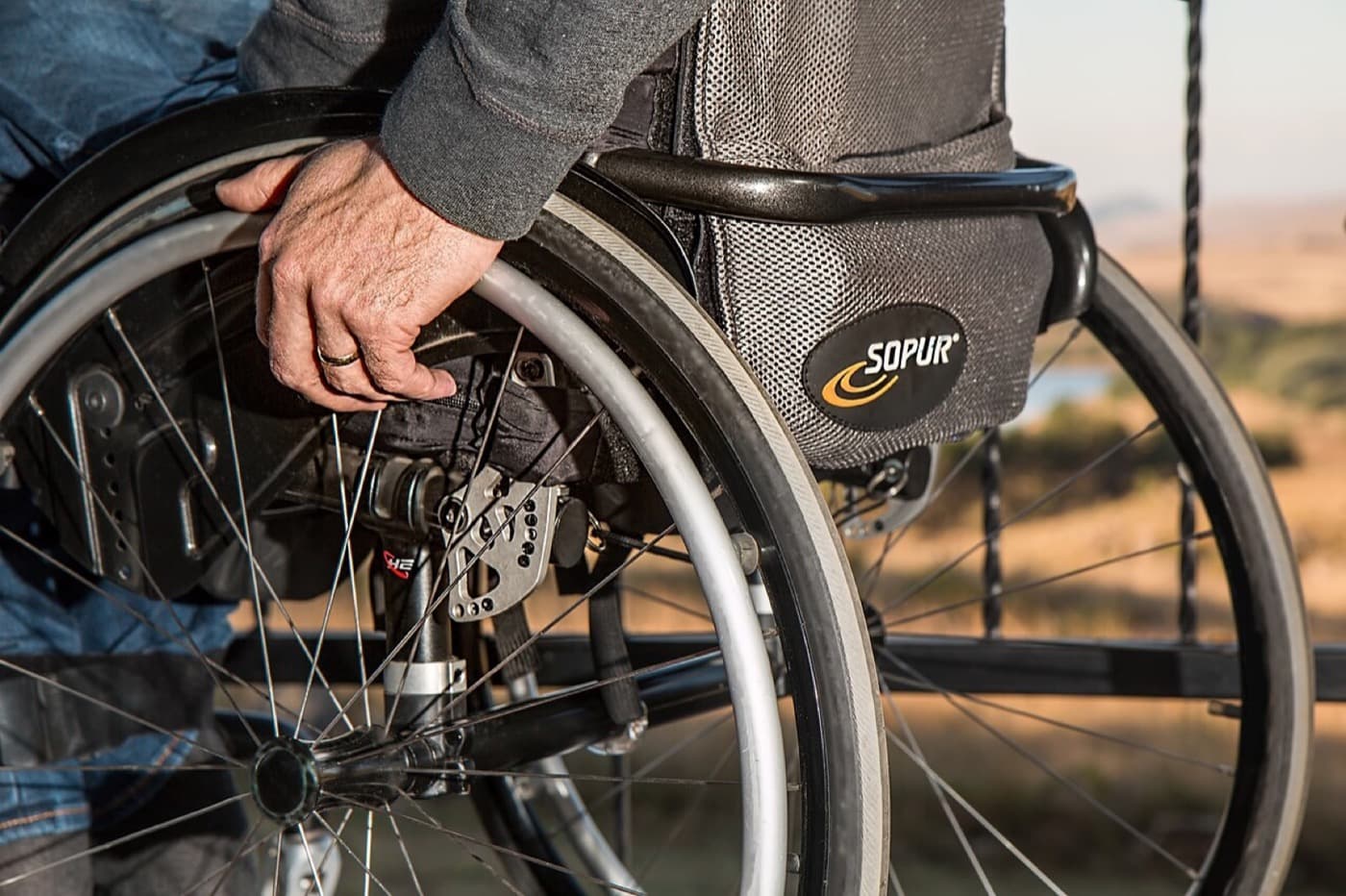
Cycling
A low-impact endurance sport that doubles as transport, exercise and adventure.
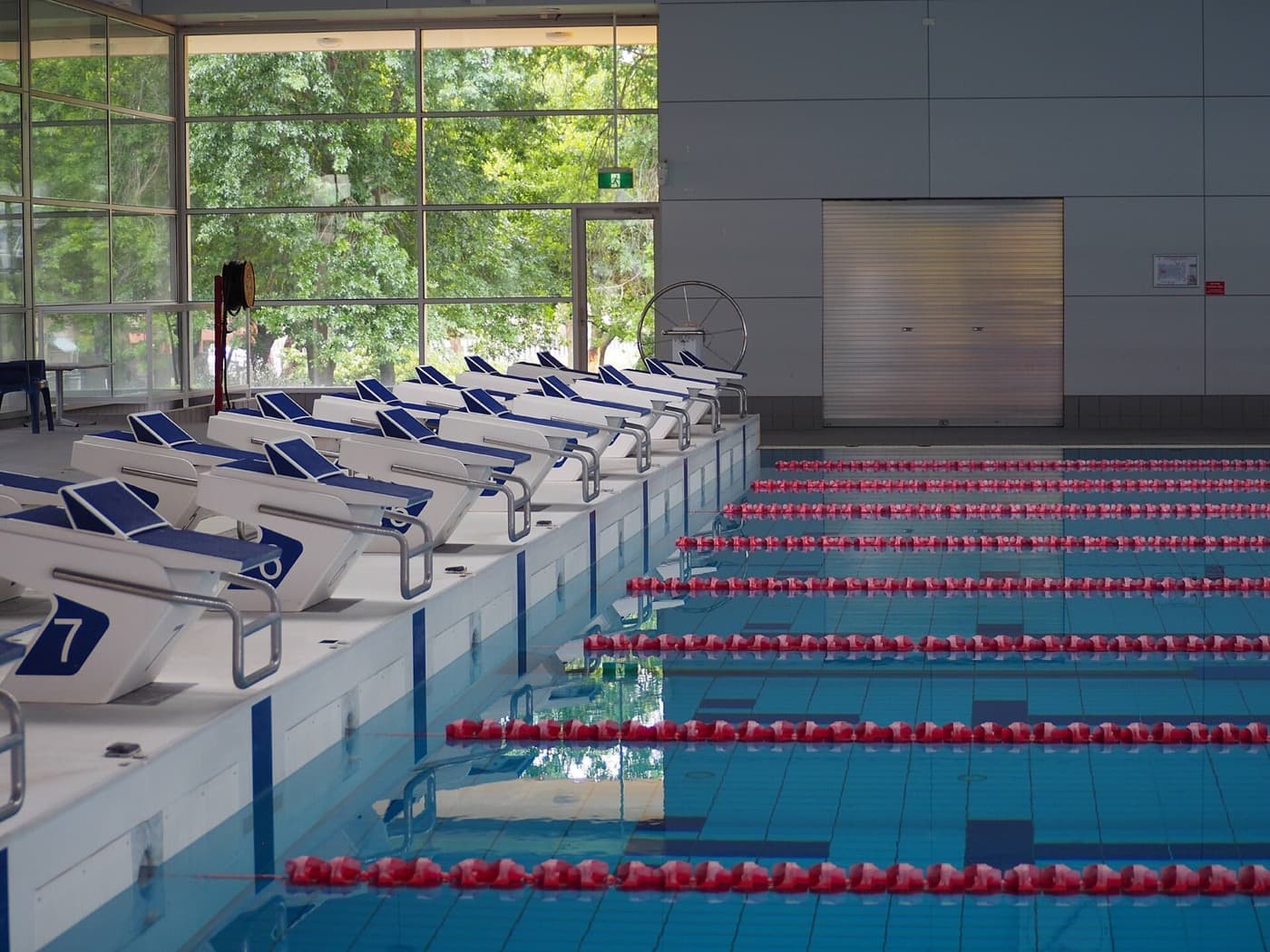
Swimming
A full-body, low-impact endurance sport suitable for almost every age and ability.
Frequently asked questions
What is training adaptation?
It is the process by which the body changes in response to repeated training so it can handle the demand better — what we feel as getting fitter or stronger. It relies on both a training stimulus and recovery, and tends to be specific to what you practise. How you adapt personally is best guided by a qualified professional.
How it connects
The meaning-bearing relationships that place Training adaptation in the wider knowledge graph — each one with the reason it exists.
Explains
Covers the underlying "why" for these.
- FitnessTraining adaptation is one of the sports-science concepts that covers Fitness.
- RunningTraining adaptation is one of the sports-science concepts that covers Running.
- CyclingTraining adaptation is one of the sports-science concepts that covers Cycling.
- SwimmingTraining adaptation is one of the sports-science concepts that covers Swimming.
Explore across the knowledge base
Follow the threads that connect Training adaptation to the rest of SocialSportHub.
Training methods
- Progressive OverloadProgressive overload is the principle of gradually increasing the demand you place on your body so it keeps adapting and improving over time.
- Strength TrainingStrength training uses resistance — bodyweight, bands or weights — to challenge your muscles so they gradually adapt and get stronger over time.
Coaching concepts
- ProgressionBuilding skill and training load in gradual, manageable steps so each stage prepares the next, moving from simple to complex and easy to hard.
- Goal-Setting for PracticeSetting clear practice goals directs effort and makes progress visible — separating results-based outcome goals from controllable process goals.
Recommendations
- Recommended for “Improve fitness”Sports, qualities, a learning path and first steps for “Improve fitness” — every suggestion a real graph link, shown with its reason.
- Recommended for “Spend more time on the water”Sports, qualities, a learning path and first steps for “Spend more time on the water” — every suggestion a real graph link, shown with its reason.
- Recommended for “Build confidence”Sports, qualities, a learning path and first steps for “Build confidence” — every suggestion a real graph link, shown with its reason.
Goals
- Improve fitnessBuild well-rounded fitness — stamina, strength and more — through regular, varied activity you can keep up.
- Build confidenceUse sport and steady progress to feel more capable, comfortable and self-assured over time.
- Build muscleChallenge your muscles with regular resistance training and steady recovery to build strength over time.
- Improve flexibilityLengthen your muscles and widen your range of motion through regular, gentle stretching over time.
Go deeper with Training adaptation
Everywhere else on the platform that covers Training adaptation — assembled from what actually references it, so nothing here is a dead end.
Work it out
Deterministic calculators — real published formulas, no estimates dressed as data.
Question it
Research topics that name this entity among their connections.
Take it away
Open data and the whole-platform view of this subject.
How this page is maintained
- Content type
- Sports science concept
- Provenance
- Tier A — evergreen educational
- Verified external sources
- 0
- Content updated
- 2026-07-09
Evergreen, first-party explanation — it makes no claim that needs an external source. How we handle sources and reviews.