
Progression
Building skill and training load in gradual, manageable steps so each stage prepares the next, moving from simple to complex and easy to hard.
Overview
Progression is the principle that skills and training loads are best developed in a deliberate sequence, where each stage builds on what came before. Rather than attempting a demanding movement or workload all at once, a learner works through simpler, more manageable versions first, so that the foundations — coordination, timing, strength or confidence — are in place before difficulty increases. The idea is widely used across sport and physical training because complex actions are usually combinations of simpler ones, and the body and nervous system tend to adapt more reliably when change is introduced step by step.
In practice, progression can move along several dimensions at once: from simple to complex, slow to fast, light to heavy, supported to unsupported, or predictable to variable. Coaches and self-directed learners commonly break a target skill into stages, allow each stage to become comfortable and repeatable before advancing, and step back to easier variations when a stage proves too hard. Because people start from different points and adapt at different rates, progression is a general framework rather than a fixed timetable — the aim is steady, sustainable improvement rather than the fastest possible jump in difficulty.
In practice
- Simple before complex: because advanced techniques are typically assembled from more basic components, learning the parts first tends to make the whole easier to put together.
- Mastery before advancement: a stage is usually repeated until it feels controlled and consistent before speed, load or complexity is increased, so quality is not traded away for the sake of moving on.
- One change at a time: progression can adjust many variables — load, speed, range, complexity, stability or unpredictability — and difficulty is often raised in a single dimension at a time to keep each step manageable.
- Regressions are part of the process: when a step is too challenging, returning to an easier variation is a normal and useful move rather than a failure, and it keeps practice productive.
- Individual and non-linear: starting points and rates of adaptation differ from person to person, so progression works as a flexible framework, and periods of consolidation between advances are expected rather than a sign of stalling.
A note on this information
What it applies to
Progression shapes how you develop these across the platform.
Sports where it matters

Fitness
Strength and general fitness training — the foundation that supports every other sport.
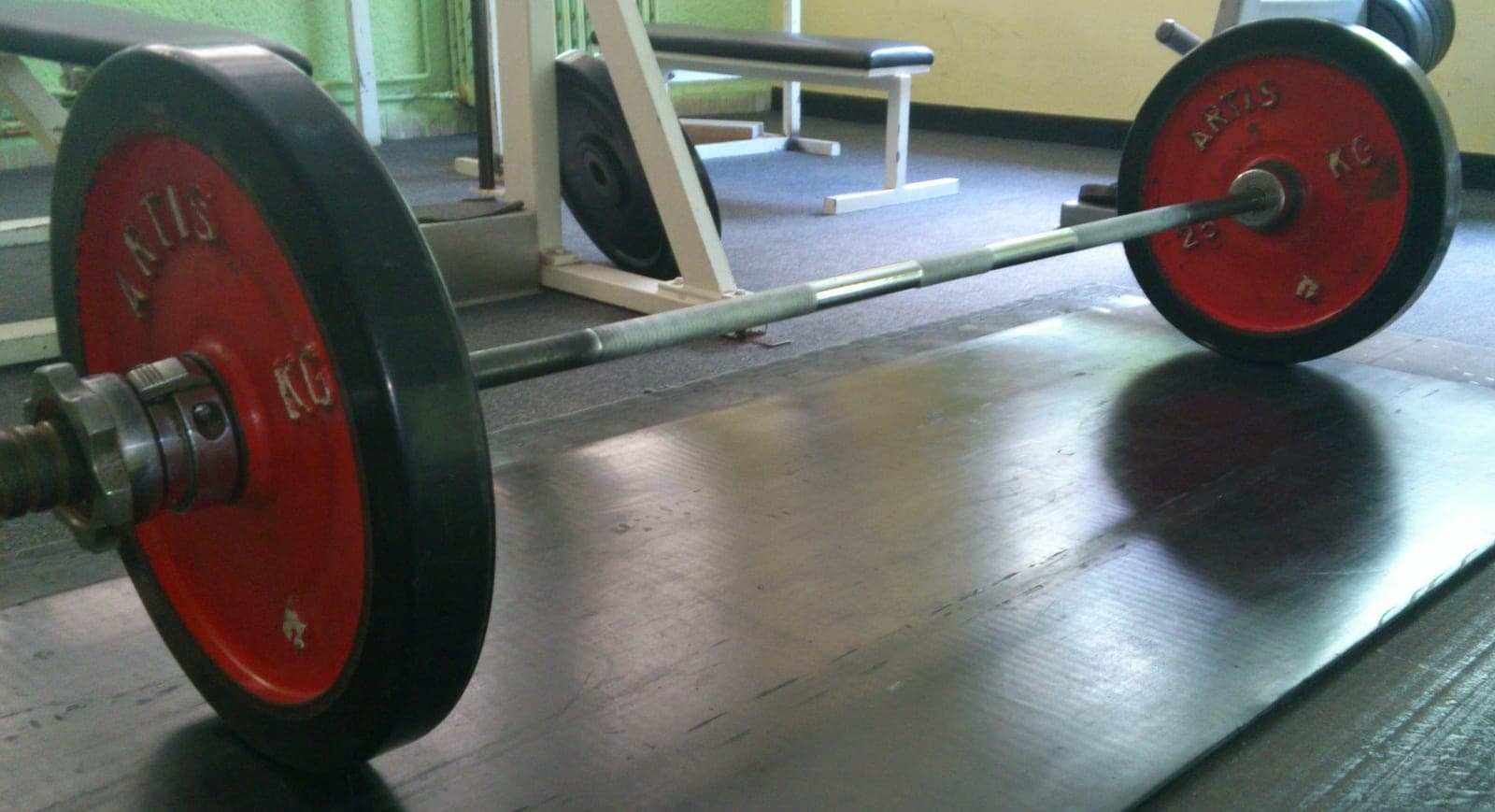
Weightlifting
A technical strength sport built around lifting a loaded barbell overhead with speed and control.
Powerlifting
A strength sport focused on lifting the heaviest weight you can across the squat, bench press and deadlift.
Calisthenics
Bodyweight strength training — push-ups, pull-ups, dips and progressions you can do almost anywhere.
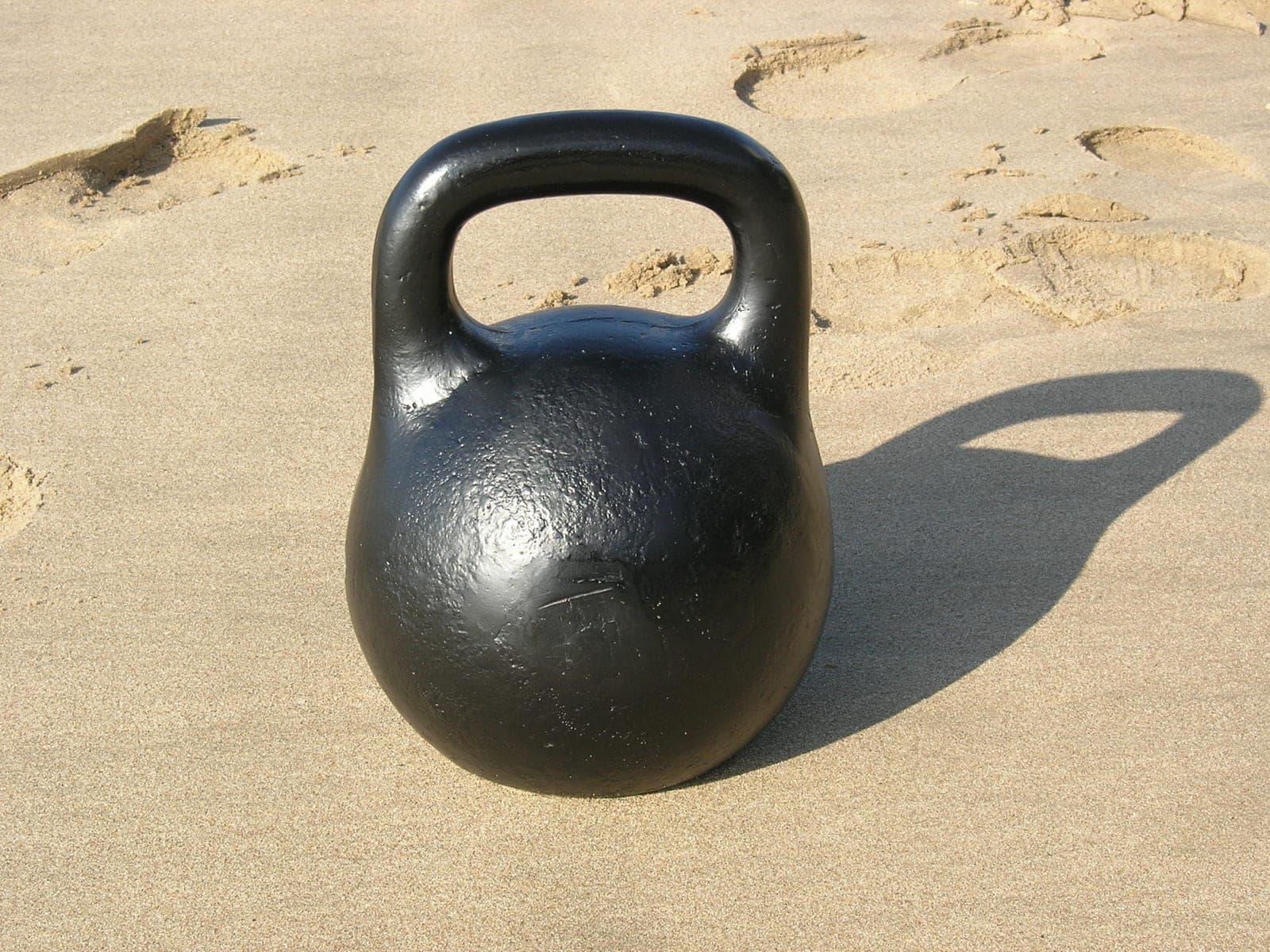
Functional Fitness
Varied, whole-body training built around everyday movement patterns like squatting, lifting and carrying.

Swimming
A full-body, low-impact endurance sport suitable for almost every age and ability.
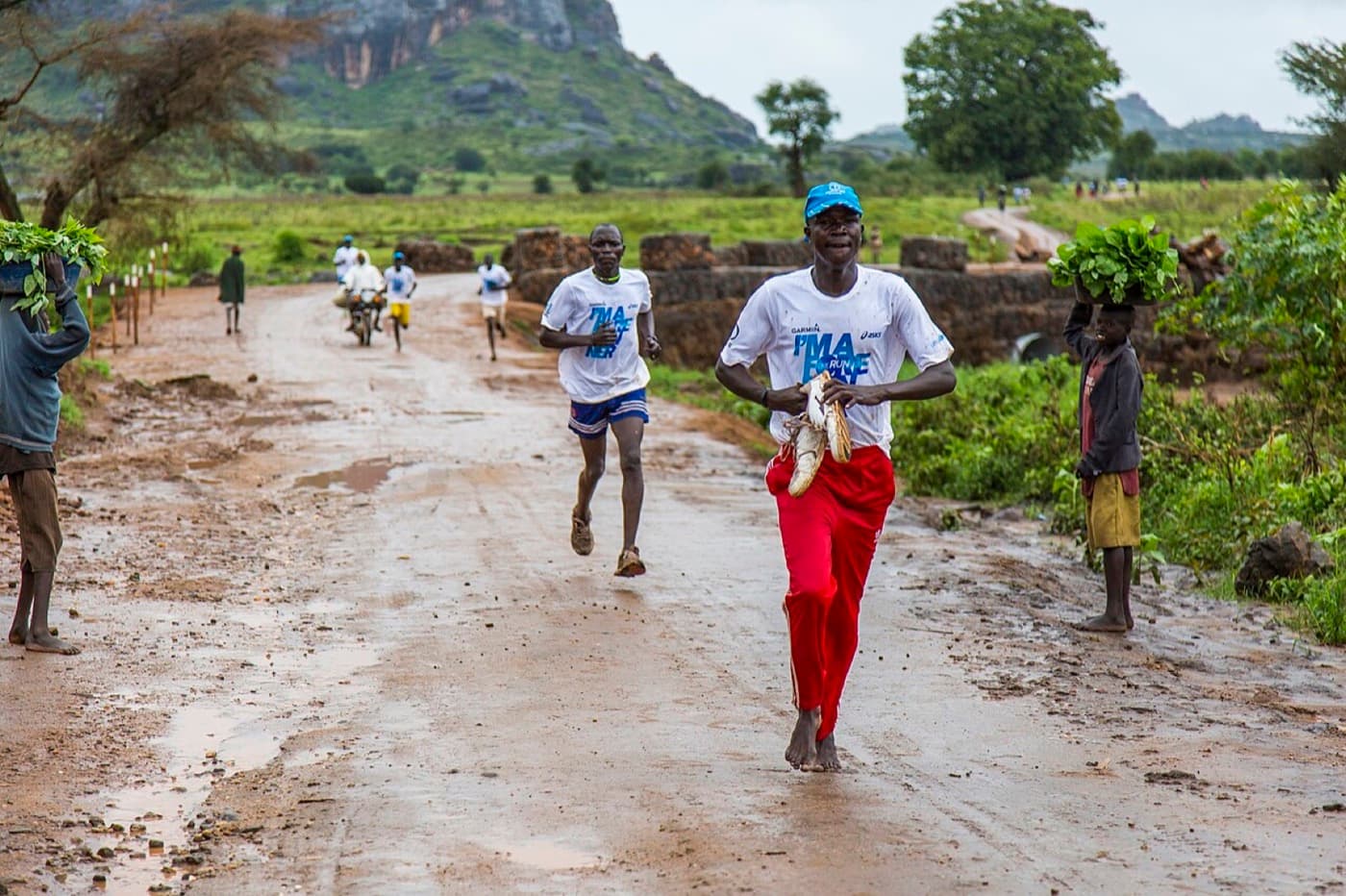
Running
The most accessible endurance sport — no venue, just shoes and the open road or trail.
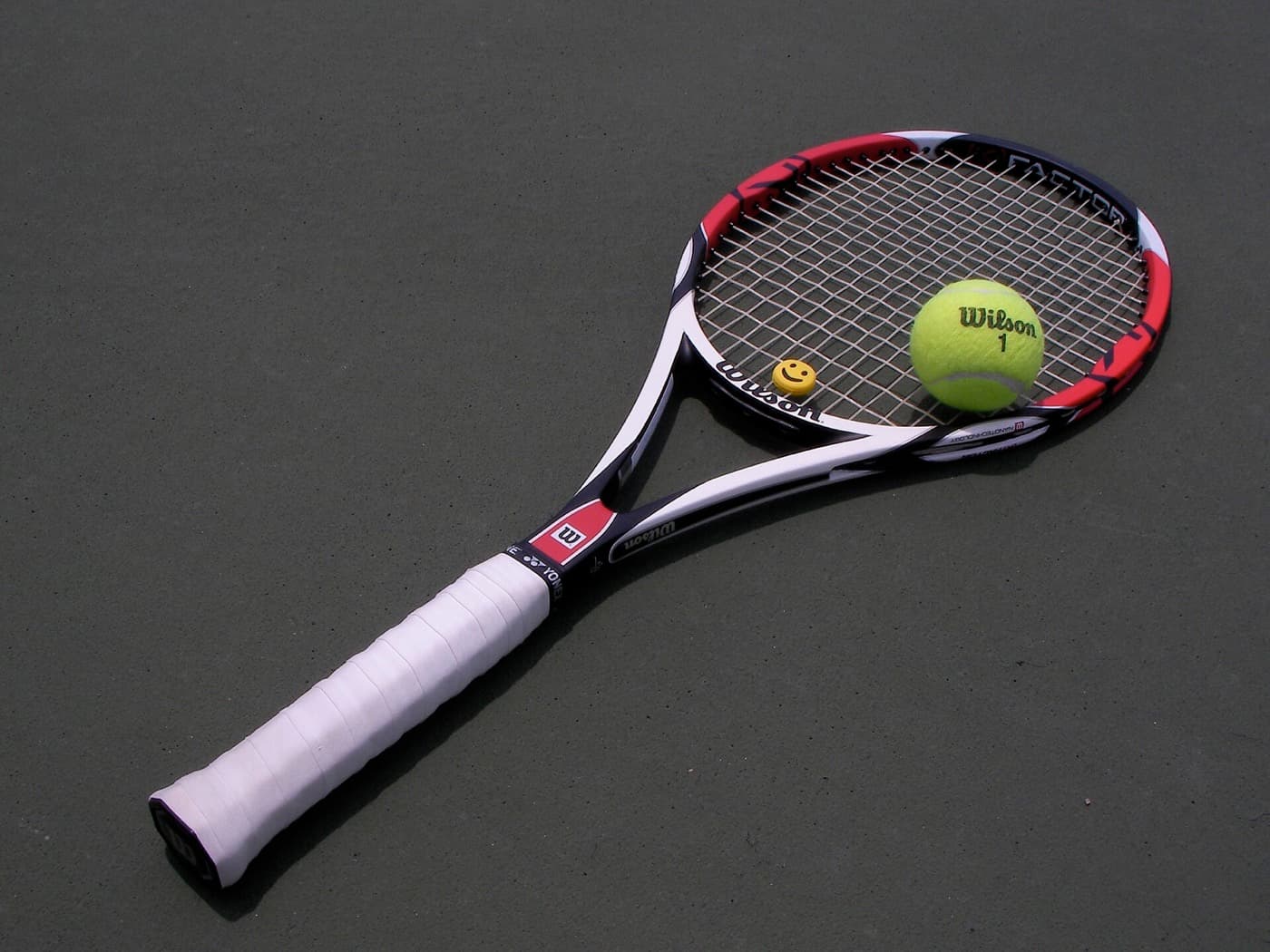
Tennis
A singles or doubles racquet sport that blends agility, strategy and stamina on court.

Golf
A precision target sport played across an outdoor course, blending skill, strategy and a long walk in the open air.

Rock Climbing
A rope-based climbing sport that pairs full-body strength with focus and careful technique, indoors or on rock.
Explore across the knowledge base
Follow the threads that connect Progression to the rest of SocialSportHub.
Barriers
- Low motivationWhen motivation is hard to find, the fix is rarely more willpower — it is making the activity smaller, easier and more enjoyable so starting is simple.
- Low confidenceWhen self-consciousness gets in the way, private or beginner-friendly settings and steady, visible progress help confidence grow through doing.
Experience levels
Sports science
- Force and powerThe difference between how much force the body can produce and how quickly it can produce it — the mechanics behind strength and explosiveness.
- The learning curveThe typical pattern in which a new skill improves quickly at first and then more slowly as it develops.
- Training adaptationThe process by which the body changes in response to repeated training — the underlying reason exercise makes you fitter, stronger or more skilful over time.
- SupercompensationA widely taught model of how the body, after a bout of training and enough recovery, can rebuild to a slightly higher level than before.
- Managing fatigue and loadThe educational idea of balancing how much training you do against how well you recover, so effort turns into progress rather than into excess fatigue.
Knowledge Atlas
Movement patterns
- AccelerationThe athletic pattern of building speed from a standing or slow start by driving large horizontal forces into the ground to project the body forward.
- BoundAn exaggerated, horizontal springing stride that transfers from one leg to the opposite leg with a long flight phase, amplifying the mechanics of running.
- Change of DirectionA planned redirection of the body from one movement vector to another, requiring an athlete to decelerate existing momentum and reaccelerate along a new line between two known points.
- DecelerationThe athletic pattern of actively braking and absorbing momentum to slow or stop under control, producing eccentric forces that oppose the direction of travel.
- HopA single-leg spring that takes off from and lands on the same leg, using the stretch-shortening cycle to project the body vertically or horizontally.
How this page is maintained
- Content type
- Coaching concept
- Provenance
- Tier A — evergreen educational
- Verified external sources
- 0
- Content updated
- 2026-07-09
Evergreen, first-party explanation — it makes no claim that needs an external source. How we handle sources and reviews.