
The learning curve
The typical pattern in which a new skill improves quickly at first and then more slowly as it develops.
Overview
The learning curve describes the shape of progress when learning a skill: often rapid improvement early on, when almost anything helps, followed by slower, harder-won gains as the easy progress is used up. Plotted over time this tends to bend — steep at the start, then flattening — which is where the everyday phrase 'steep learning curve' comes from.
A familiar part of the pattern is the plateau, where progress seems to stall for a while even with continued practice. This is widely treated as a normal phase of learning rather than a sign of failure, and steady, well-designed practice often carries a learner through it. How an individual's own progress unfolds varies, and is best guided by a qualified coach or professional.
The science
- A learning curve is the pattern of how a skill improves over time.
- Improvement is often rapid early on, then slower as the skill develops.
- Plateaus — stretches where progress stalls — are widely seen as a normal phase.
- The curve varies with the skill, the person and how practice is designed.
- It describes a general tendency, not a fixed schedule for anyone.
Stages of learning a skill
Fitts & Posner’s three-stage model
- 1
Cognitive
Understanding the task; movements are effortful, inconsistent and full of thinking.
- 2
Associative
Refining through practice; errors reduce and movements grow more consistent.
- 3
Autonomous
The skill runs largely automatically, freeing attention for tactics and context.
Why it matters
- It sets realistic expectations — fast early gains, then slower, harder-won progress.
- It explains why plateaus are normal and not a reason to abandon practice.
- It underpins how coaches structure progression and keep practice purposeful.
Educational only
Where it shows up
Sports where this concept is especially visible — each with a clear guide.
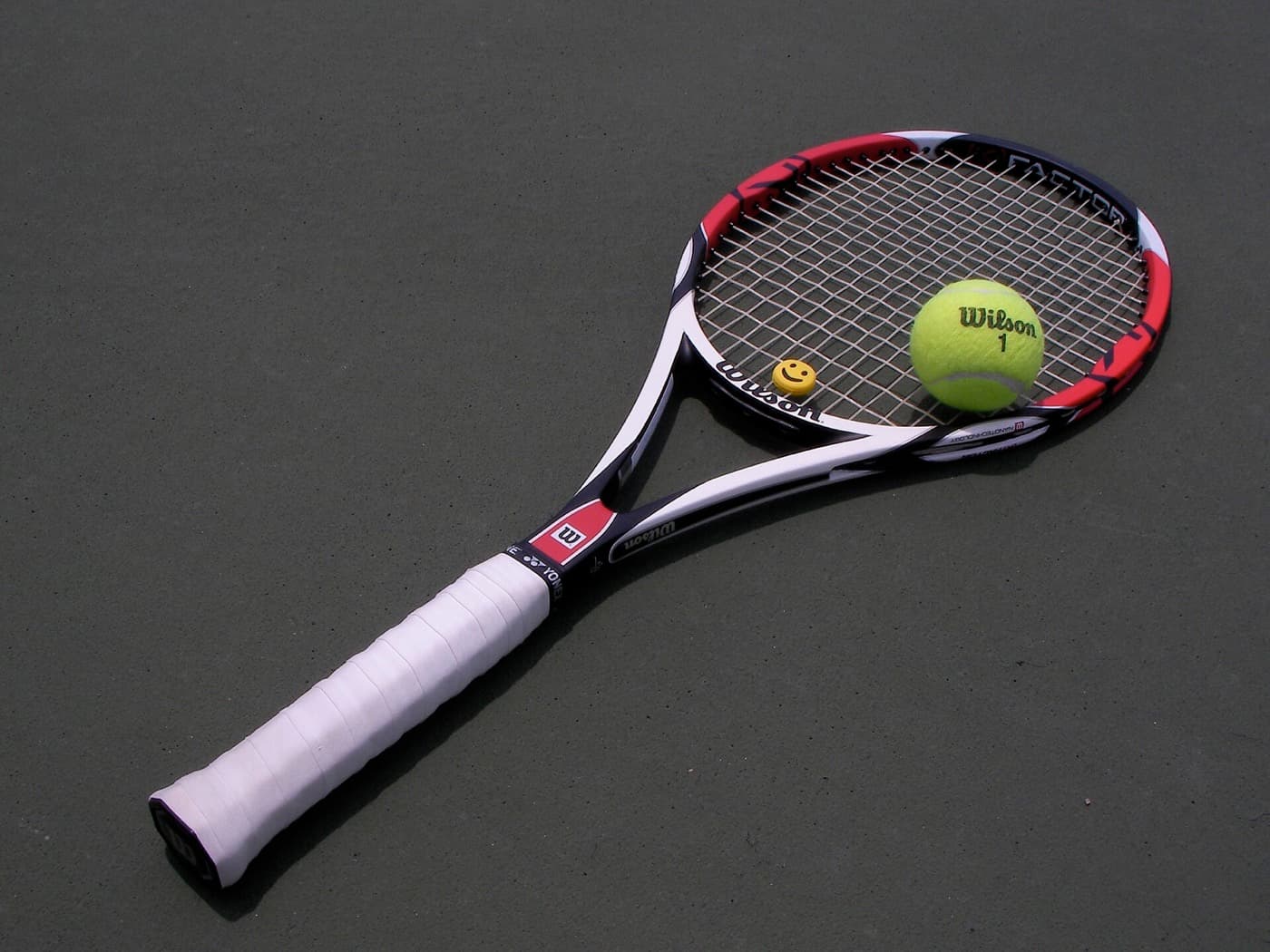
Tennis
A singles or doubles racquet sport that blends agility, strategy and stamina on court.
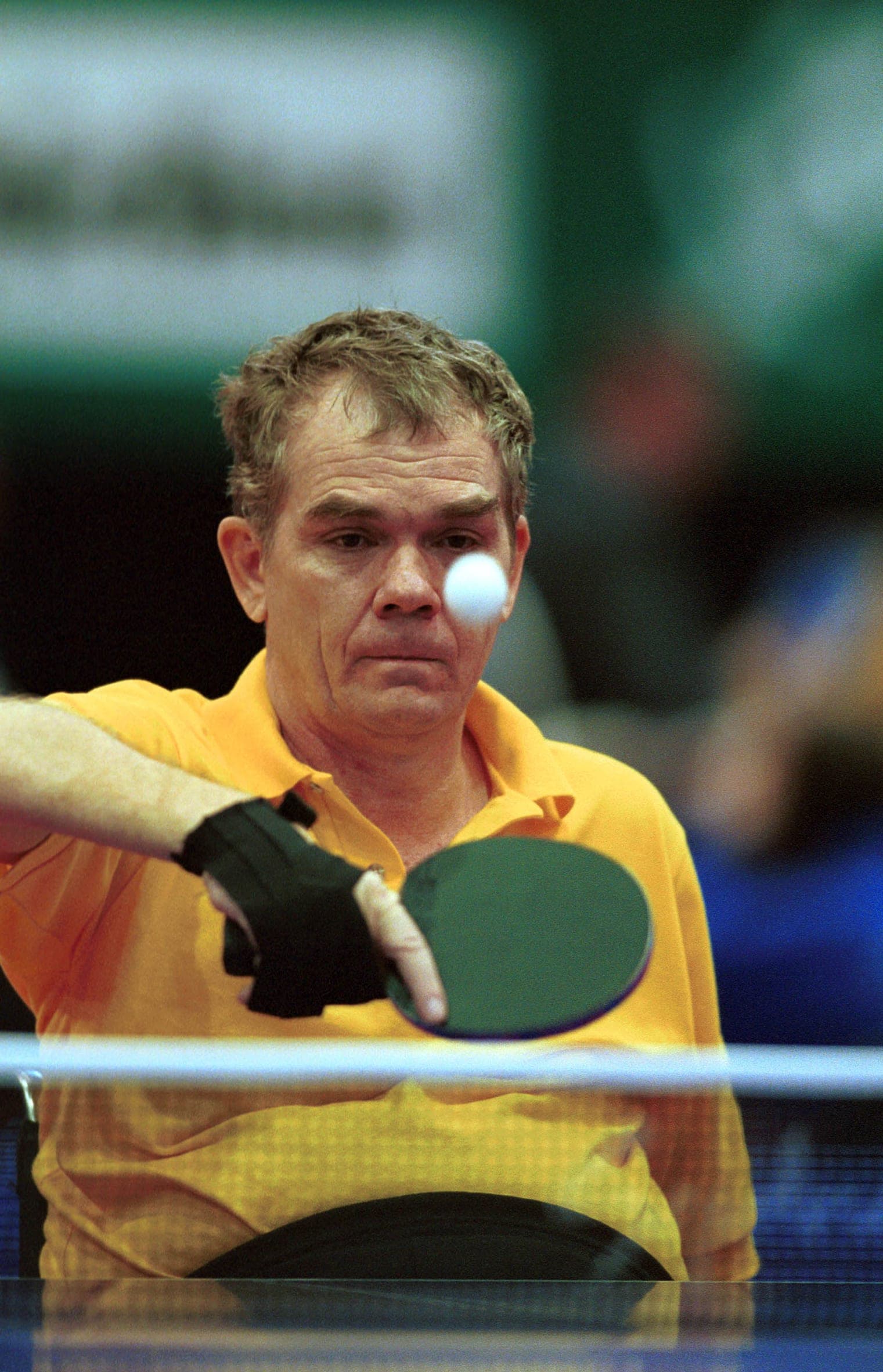
Table Tennis
A fast, low-impact indoor racquet sport that sharpens reflexes and is easy to start.
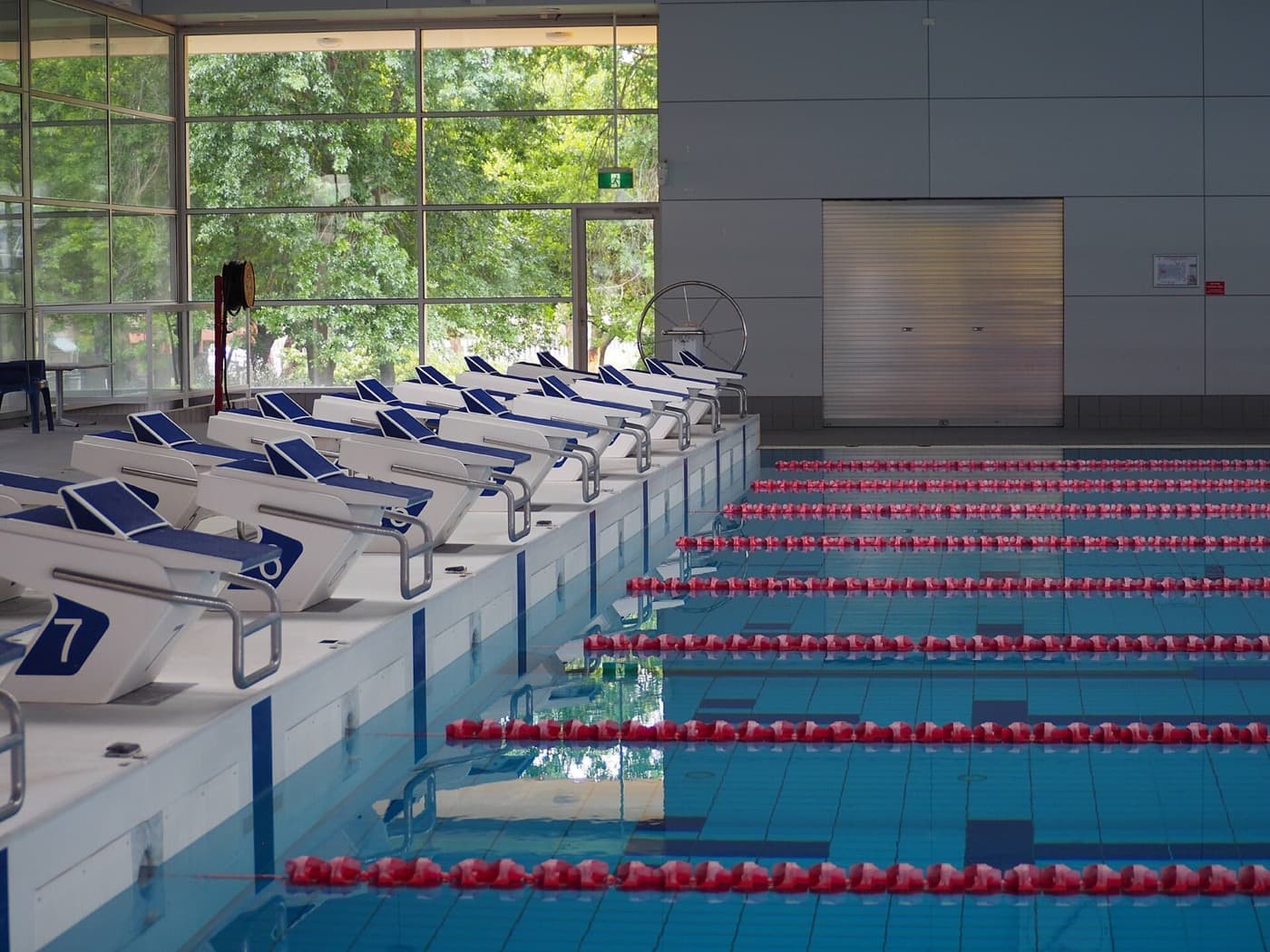
Swimming
A full-body, low-impact endurance sport suitable for almost every age and ability.
Frequently asked questions
What is a learning curve?
A learning curve is the general pattern of how a skill improves with practice — often quick gains early on, then slower progress, sometimes with plateaus along the way. It describes a tendency rather than a fixed timetable, and how it unfolds varies from person to person. A qualified coach can help design practice that keeps progress going.
Why do learning plateaus happen?
Plateaus — stretches where progress seems to stall — are widely treated as a normal part of learning rather than a sign that something is wrong. They are often passed with steady, well-designed practice. Because the reasons vary from person to person, a qualified coach is best placed to help.
How it connects
The meaning-bearing relationships that place The learning curve in the wider knowledge graph — each one with the reason it exists.
Explains
Covers the underlying "why" for these.
Explore across the knowledge base
Follow the threads that connect The learning curve to the rest of SocialSportHub.
Coaching concepts
- Deliberate PracticeFocused, effortful practice that targets a specific weakness with full attention and immediate feedback — not just repeating what you already do well.
- ProgressionBuilding skill and training load in gradual, manageable steps so each stage prepares the next, moving from simple to complex and easy to hard.
- Repetition QualityThe attention and intent behind each repetition matter more than raw volume — focused, well-executed reps build skill faster than mindless numbers.
- Skill acquisitionHow a movement or sports skill is learned — progressing from conscious, effortful control to smooth, largely automatic execution through practice and feedback.
Knowledge Atlas
Go deeper with The learning curve
Everywhere else on the platform that covers The learning curve — assembled from what actually references it, so nothing here is a dead end.
Question it
Research topics that name this entity among their connections.
Take it away
Open data and the whole-platform view of this subject.
How this page is maintained
- Content type
- Sports science concept
- Provenance
- Tier A — evergreen educational
- Verified external sources
- 0
- Content updated
- 2026-07-09
Evergreen, first-party explanation — it makes no claim that needs an external source. How we handle sources and reviews.