
Skill acquisition
How a movement or sports skill is learned — progressing from conscious, effortful control to smooth, largely automatic execution through practice and feedback.
Overview
Skill acquisition is the broad process by which a new movement or sports skill is learned and, with practice, becomes more accurate, consistent and reliable. Early on a learner has to think consciously through each part of an action, which feels effortful and produces plenty of errors. As practice accumulates and feedback is applied, the movement grows smoother and demands less deliberate attention, freeing the performer to focus on reading the game, an opponent, or the wider situation rather than the mechanics of the skill itself.
A widely used way to describe this progression distinguishes an early cognitive phase (working out what to do, with many errors and heavy conscious thought), a middle associative phase (movements become more reliable and refined as errors are gradually ironed out), and a later autonomous phase (the skill runs largely automatically and can hold up under pressure or fatigue). Progress is rarely perfectly linear — plateaus are normal — and the quality of practice, the usefulness of feedback and gradual progression tend to matter more than sheer volume of repetition.
In practice
- Stages of learning: skill tends to move from a cognitive phase (understanding the movement, frequent mistakes), through an associative phase (more consistent, finer control), to an autonomous phase where the action is performed with little conscious effort.
- Freeing up attention: as a skill becomes more automatic, the performer no longer has to think through every element, which leaves spare attention for anticipation, decision-making and adapting to what is happening around them.
- Feedback drives change: both internal feedback (how a movement feels) and external feedback (from a coach, a partner or video) help a learner detect and correct errors, and over time they get better at self-correcting without prompting.
- Practice design matters: varied, appropriately challenging and well-spaced practice tends to support durable learning and transfer to real situations, whereas highly repetitive, one-at-a-time drilling can flatter short-term performance without building lasting skill.
- Learning is not the same as a good day: performance can rise and fall session to session, and plateaus are normal, so genuine learning is judged by durable improvement and by whether the skill holds up under pressure, fatigue and changing conditions.
A note on this information
What it applies to
Skill acquisition shapes how you develop these across the platform.
Techniques
Exercises
Guides
For people
Sports where it matters
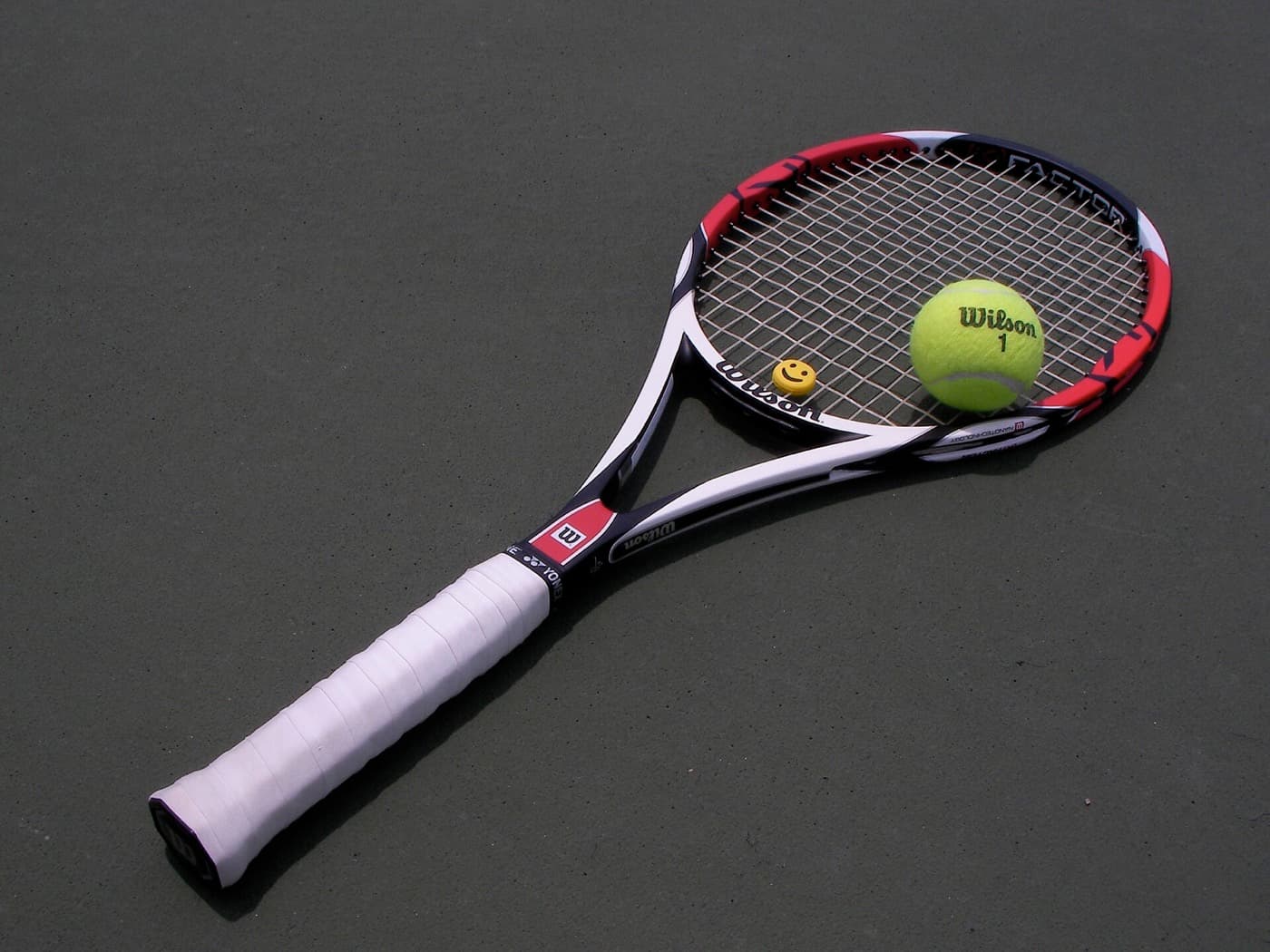
Tennis
A singles or doubles racquet sport that blends agility, strategy and stamina on court.
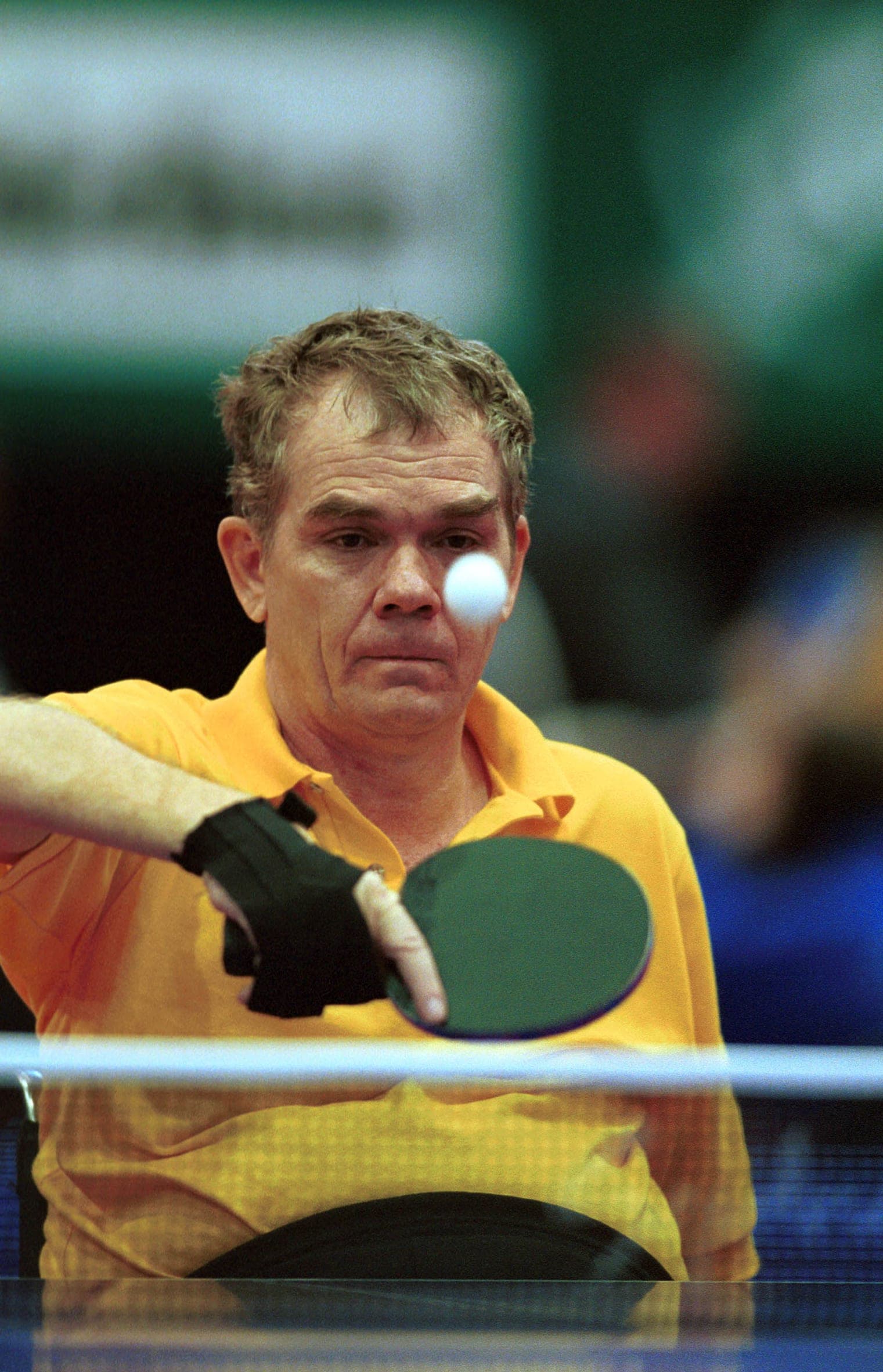
Table Tennis
A fast, low-impact indoor racquet sport that sharpens reflexes and is easy to start.
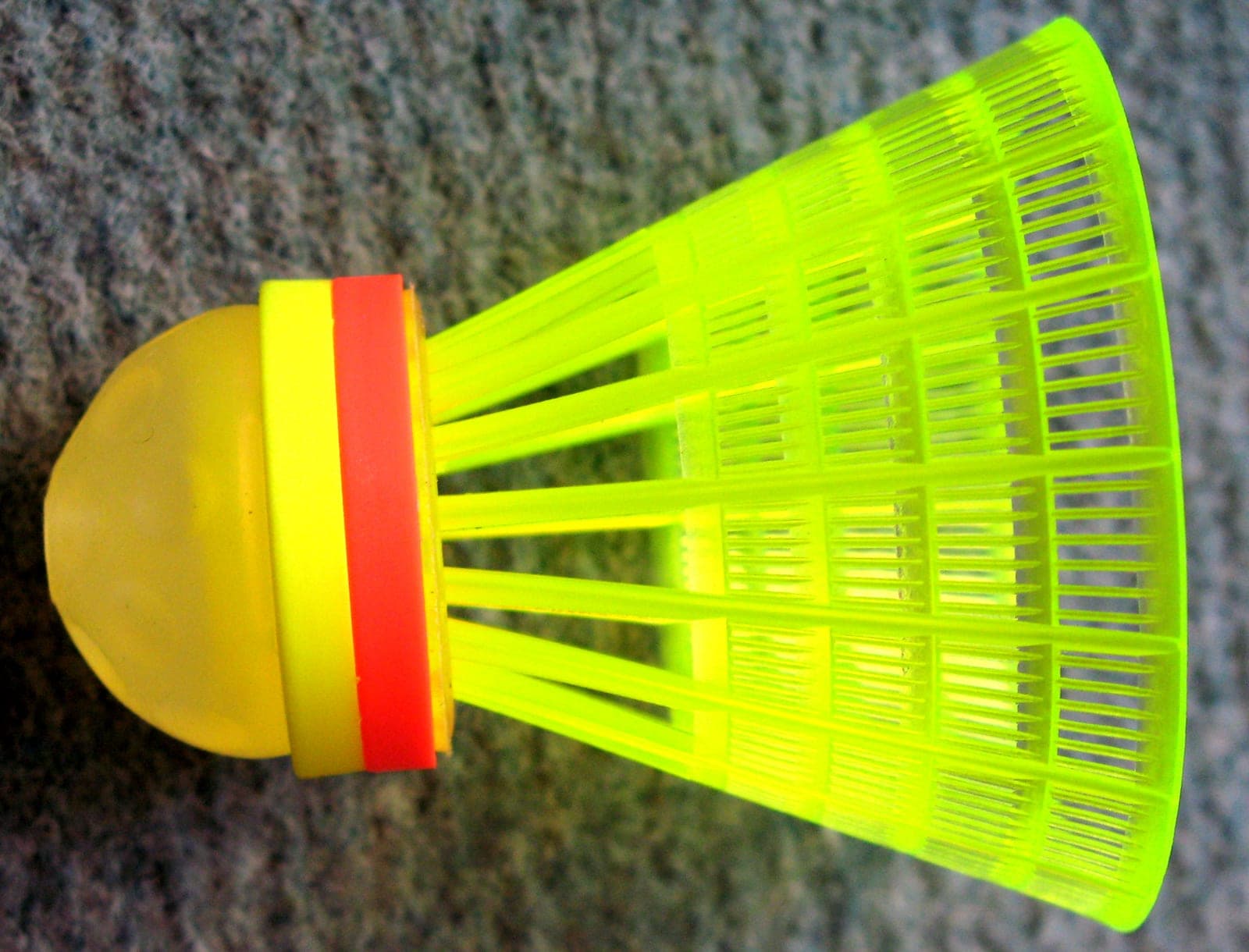
Badminton
A fast indoor racquet sport played with a shuttlecock that rewards agility and touch.
Football
The world’s most popular team sport — endless running, teamwork and community in one game.
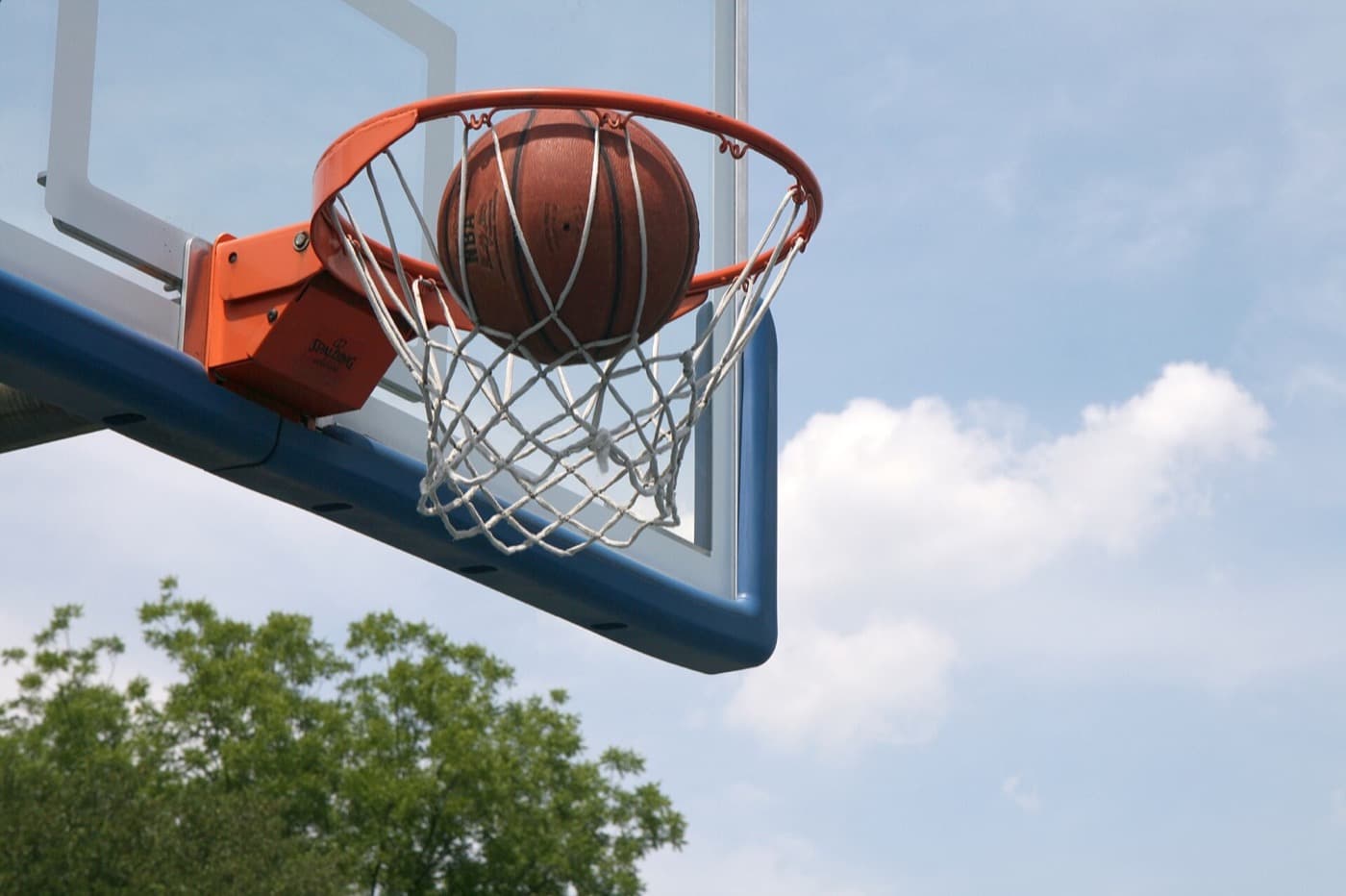
Basketball
A fast, dynamic team sport of running, jumping and quick decisions on court.
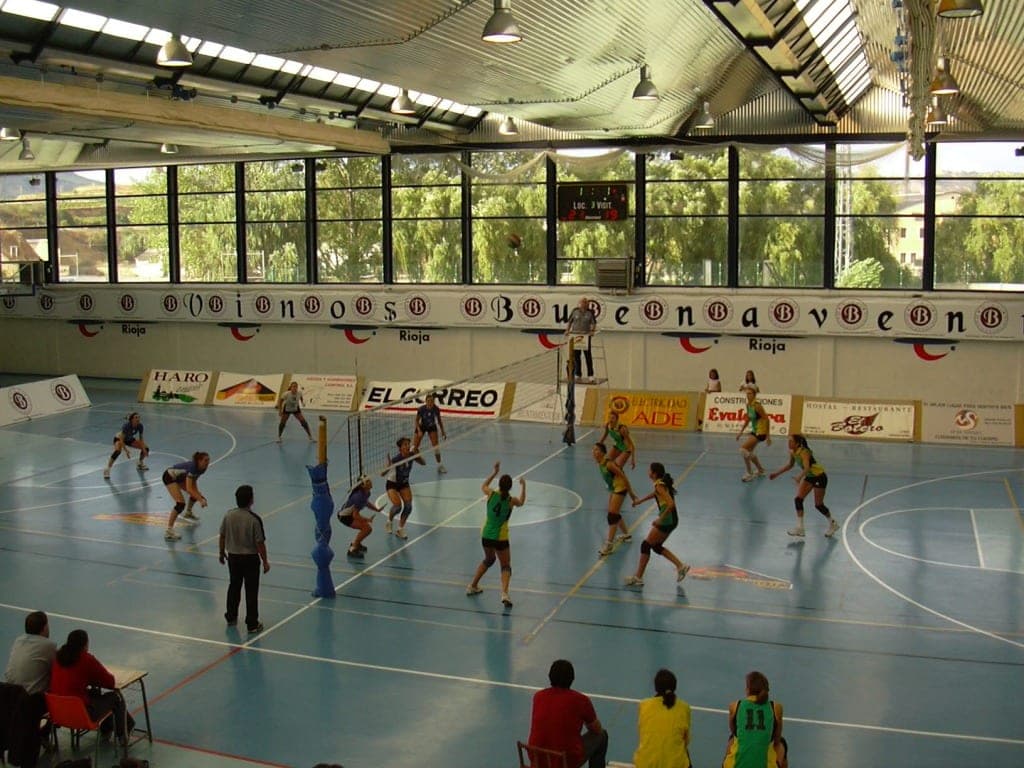
Volleyball
A non-contact team sport of rallies, jumps and teamwork — indoors or on the beach.
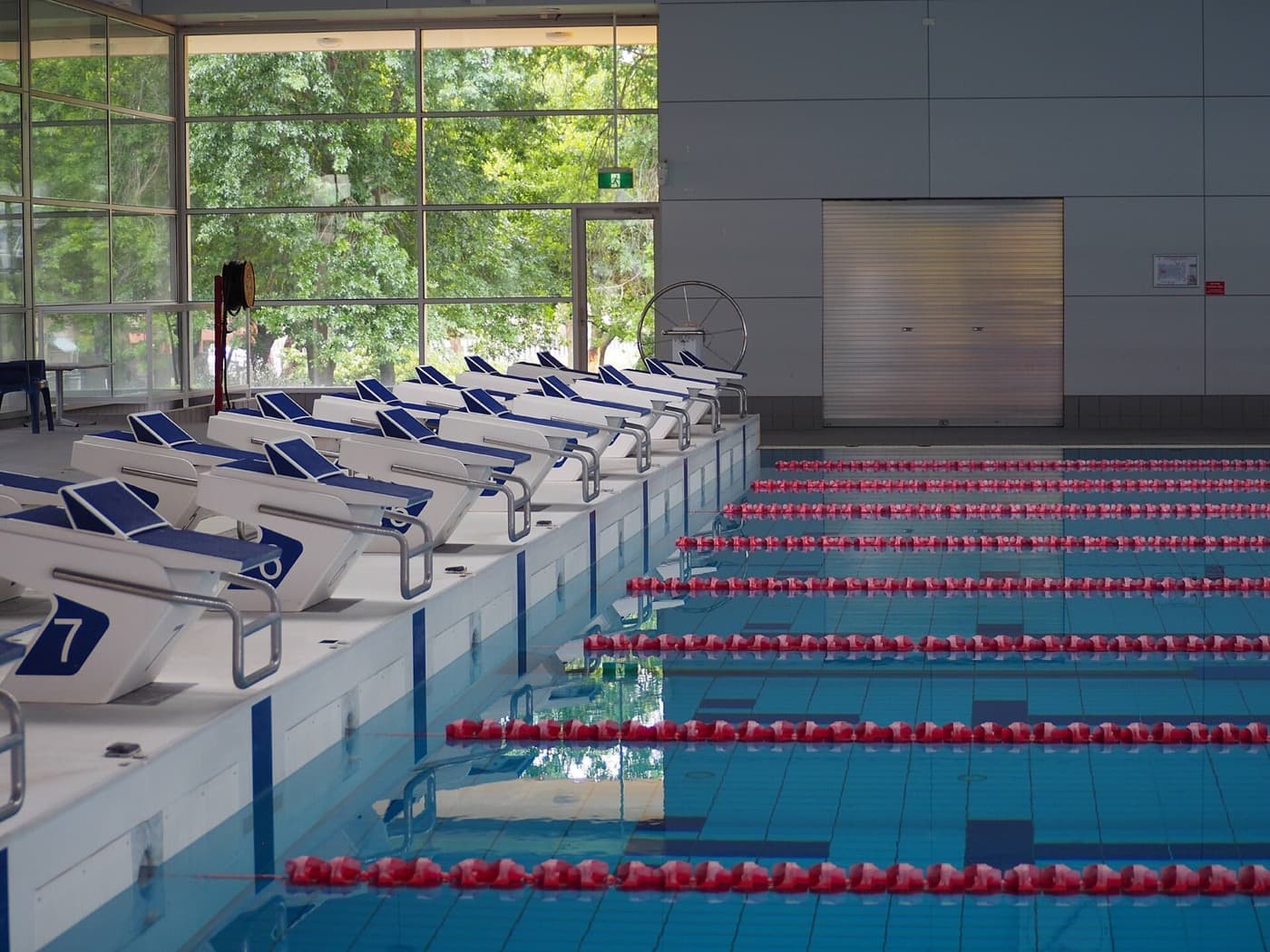
Swimming
A full-body, low-impact endurance sport suitable for almost every age and ability.
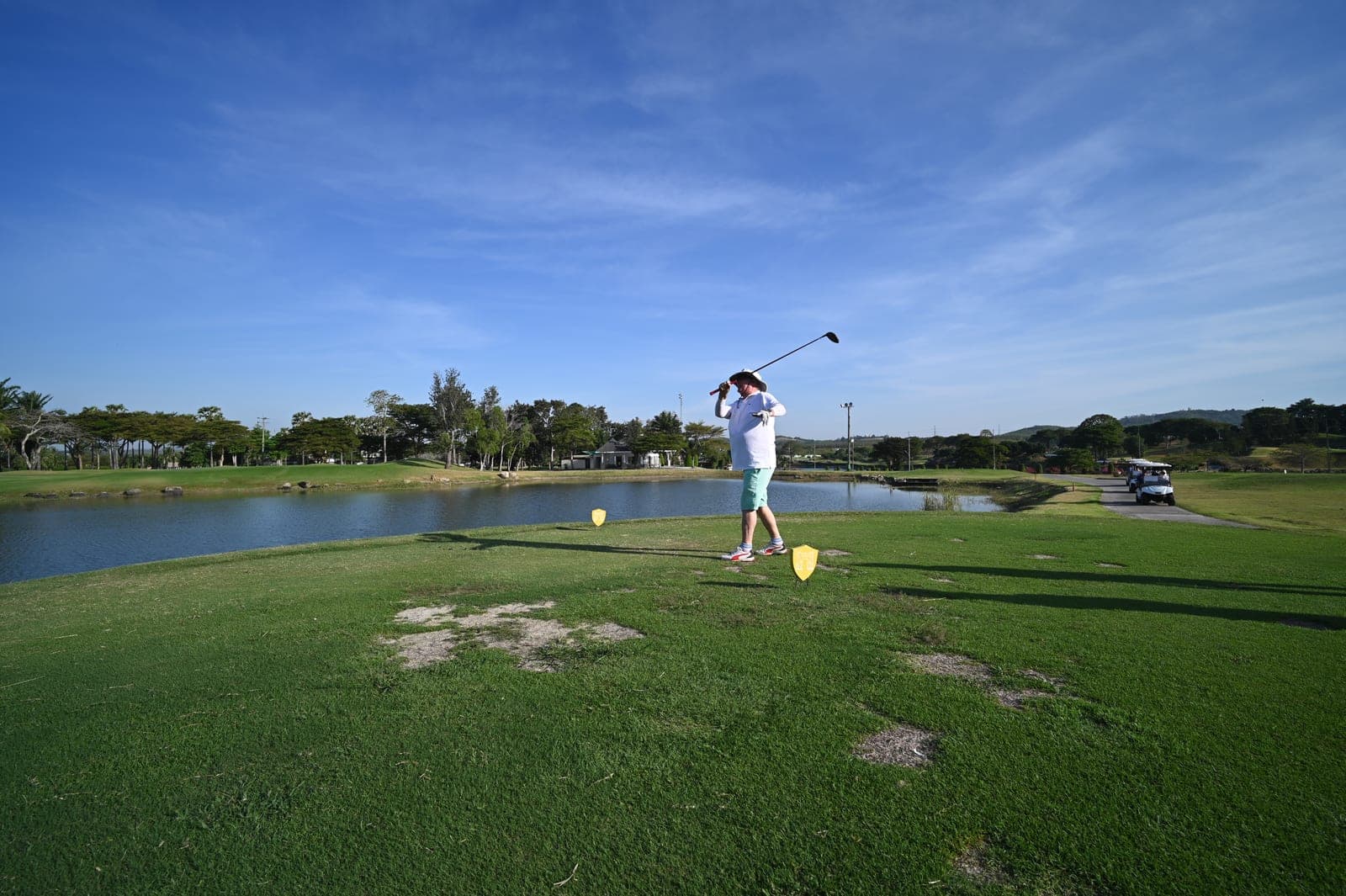
Golf
A precision target sport played across an outdoor course, blending skill, strategy and a long walk in the open air.
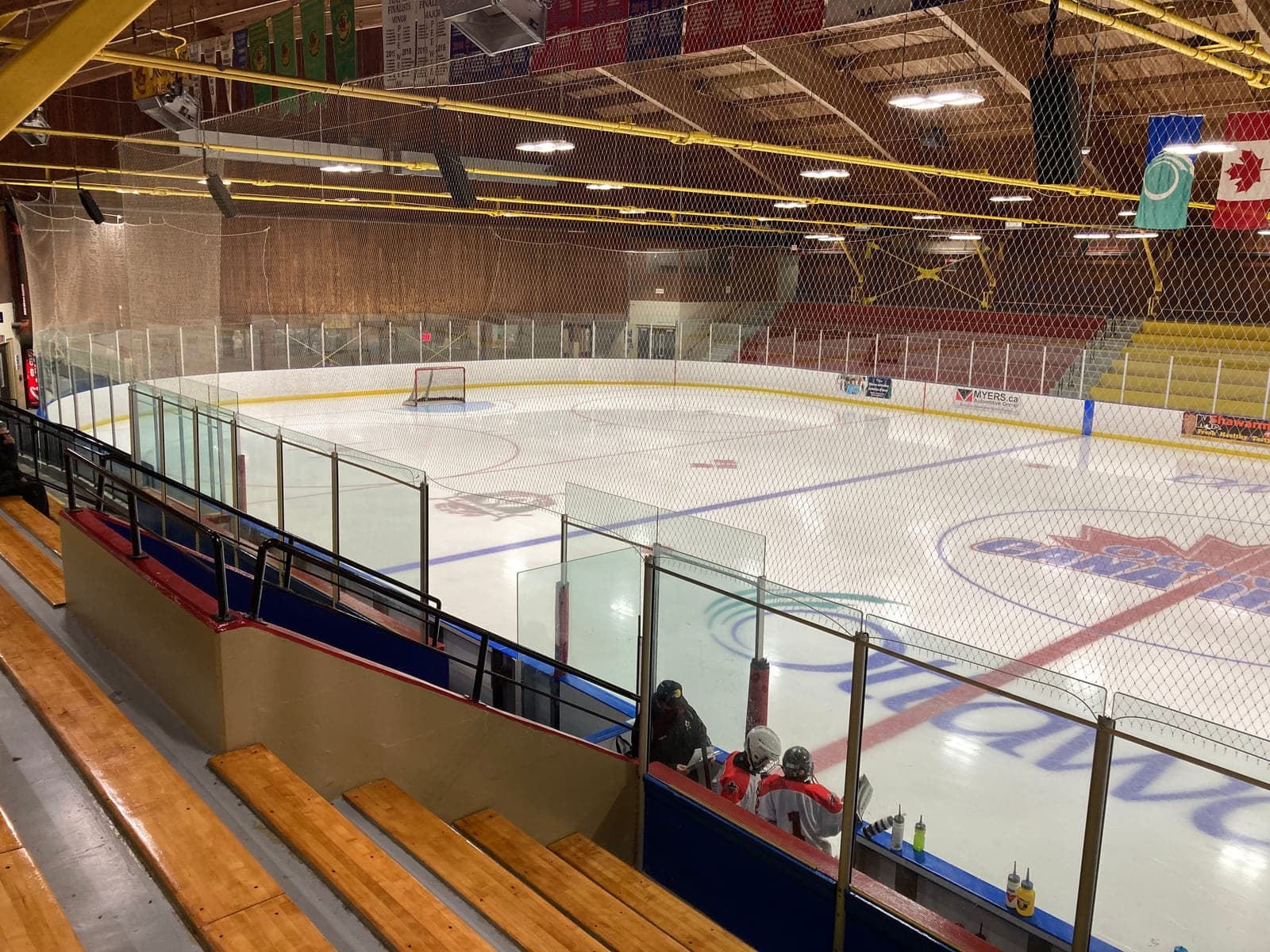
Figure Skating
An artistic ice sport combining glides, spins, jumps and footwork into flowing routines.
Explore across the knowledge base
Follow the threads that connect Skill acquisition to the rest of SocialSportHub.
Skills
- CatchingThe skill of cleanly securing a ball travelling through the air or off the ground.
- Treading waterThe skill of staying afloat and upright in deep water without moving anywhere.
- BalanceThe skill of keeping the body stable and controlled while still or moving.
- FootworkThe skill of moving efficiently around the playing area to be in position for each shot or action.
- Ball controlThe skill of receiving and settling the ball quickly so it is ready to use.
Barriers
- Nervous about startingWhen starting feels intimidating, beginner-friendly, low-pressure settings and a gentle first step make the first move far easier.
- Never played sportWhen you are starting from zero, beginner pathways, basic skills and patience with the learning curve turn "no experience" into a fresh start.
Experience levels
Sports science
- BiomechanicsThe study of how the body produces and controls movement — the mechanics behind every technique in sport.
- ProprioceptionThe body’s internal sense of where its parts are and how they are moving — the awareness behind balance and coordinated movement.
- Motor learningThe process by which practice and experience produce lasting improvements in how well a movement skill can be performed.
- The learning curveThe typical pattern in which a new skill improves quickly at first and then more slowly as it develops.
- SpecificityThe idea that the body adapts specifically to the kind of training it is given — you tend to get good at what you actually practise.
Practice & sessions
- Skill-development sessionA session built around learning and improving a skill over time — acquiring it, refining it and making it more reliable.
- Video analysis sessionA session that uses recorded footage to slow play down and see clearly what happened — technique, positioning and decisions — as a basis for feedback.
- Beginner orientation sessionA gentle first session for someone completely new — an introduction to the basics, the setting and the equipment, with a relaxed first go.
Movement patterns
- GlideGlide is continuous, low-resistance locomotion in which the body holds a streamlined shape so that momentum generated by a preceding propulsive action carries it smoothly across a surface or through a medium.
- KickA ballistic single-support leg swing that whips force from the plant foot through the hip and knee to strike or propel a ball or target with the foot, distinct from the weight-bearing steps of locomotion.
- StrikeA ballistic, whole-body hitting action that channels ground-generated force through a proximal-to-distal kinetic chain to deliver momentum to a target via the hand, an implement or a body part at the moment of contact.
- ThrowPropelling an object by releasing it from the hand, driven by a proximal-to-distal kinetic-chain sequence that summates speed from the legs through the trunk and arm to the release point.
- SquatA knee-dominant pattern: bending the hips, knees and ankles to lower and rise while keeping the torso upright — the foundation of lower-body strength.
How this page is maintained
- Content type
- Coaching concept
- Provenance
- Tier A — evergreen educational
- Verified external sources
- 0
- Content updated
- 2026-07-09
Evergreen, first-party explanation — it makes no claim that needs an external source. How we handle sources and reviews.