
Video analysis session
A session that uses recorded footage to slow play down and see clearly what happened — technique, positioning and decisions — as a basis for feedback.
Overview
A video-analysis session uses recorded footage to review play in a way the naked eye cannot manage in real time. Watching back — sometimes frame by frame, sometimes at normal speed — makes it possible to see technique, positioning and decisions clearly, and to talk about them calmly rather than in the heat of the moment. It is often done with a coach, whose commentary turns what you see into something you can act on.
Footage can come from a phone on the sideline or a full analysis setup, and the focus ranges from a single stroke to whole-match patterns, so the shape varies widely with the sport, level and coach. The value is the same throughout: seeing yourself as you actually move, which is often surprising and almost always instructive. This page describes the format, not a plan for what to record or how long to watch.
Purpose & structure
- Uses recorded footage to review play more clearly than is possible live.
- Can slow play down or replay it, making technique, positioning and decisions easier to see.
- Usually paired with a coach's feedback, turning observation into something to work on.
- Focus ranges from a single skill to whole-match patterns, depending on the aim.
- Format varies with the sport, level and the equipment available — there is no set template.
Who it’s for
- Players wanting to understand their own technique or decisions more clearly, at many levels.
- Beginners can benefit too, though it is usually kept simple — one clear thing to notice rather than a long breakdown.
- It supports, and does not replace, coaching and on-court practice — seeing a fault is the start, correcting it takes time.
A format, not a plan
Sports it suits
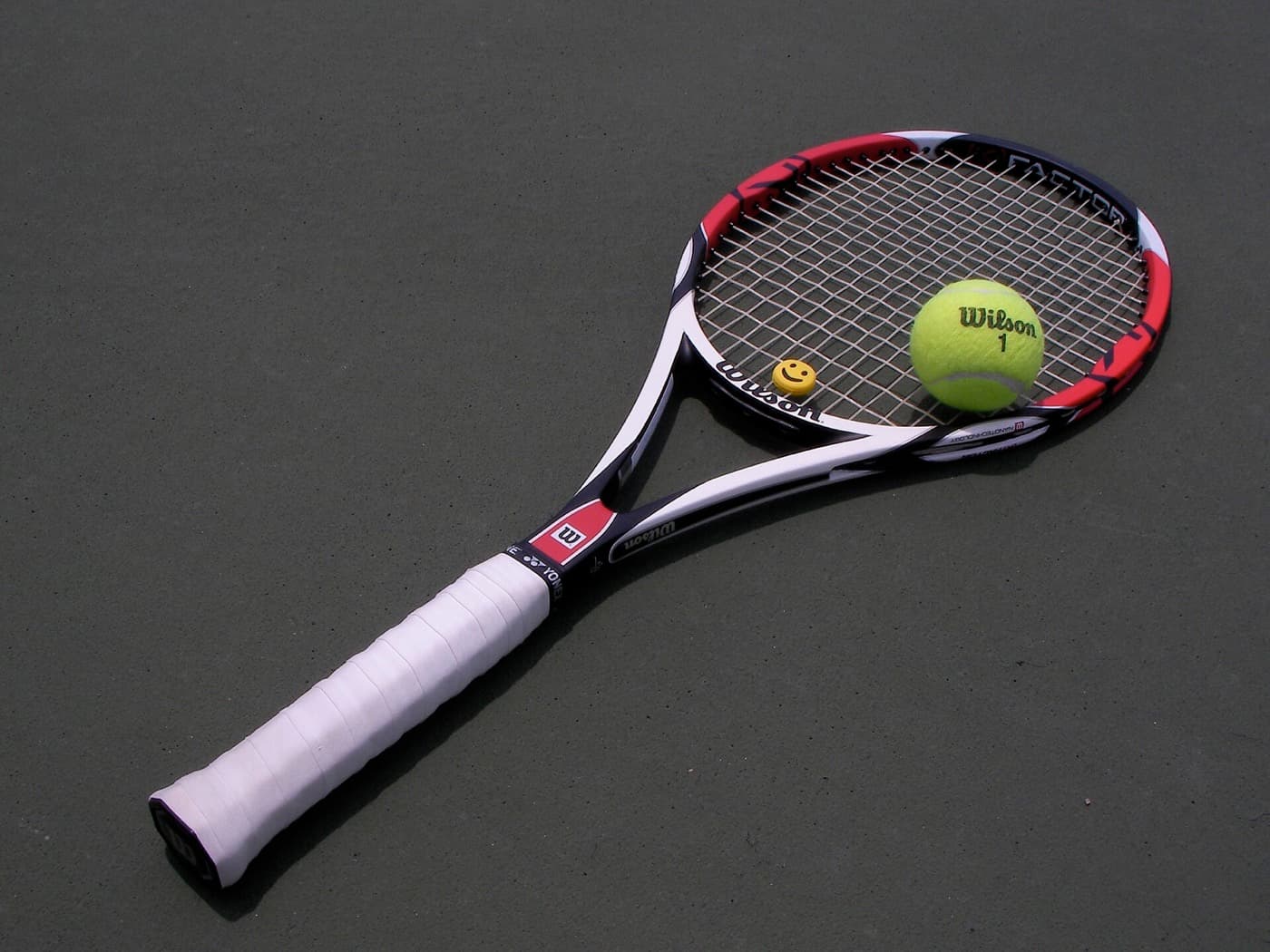
Tennis
A singles or doubles racquet sport that blends agility, strategy and stamina on court.
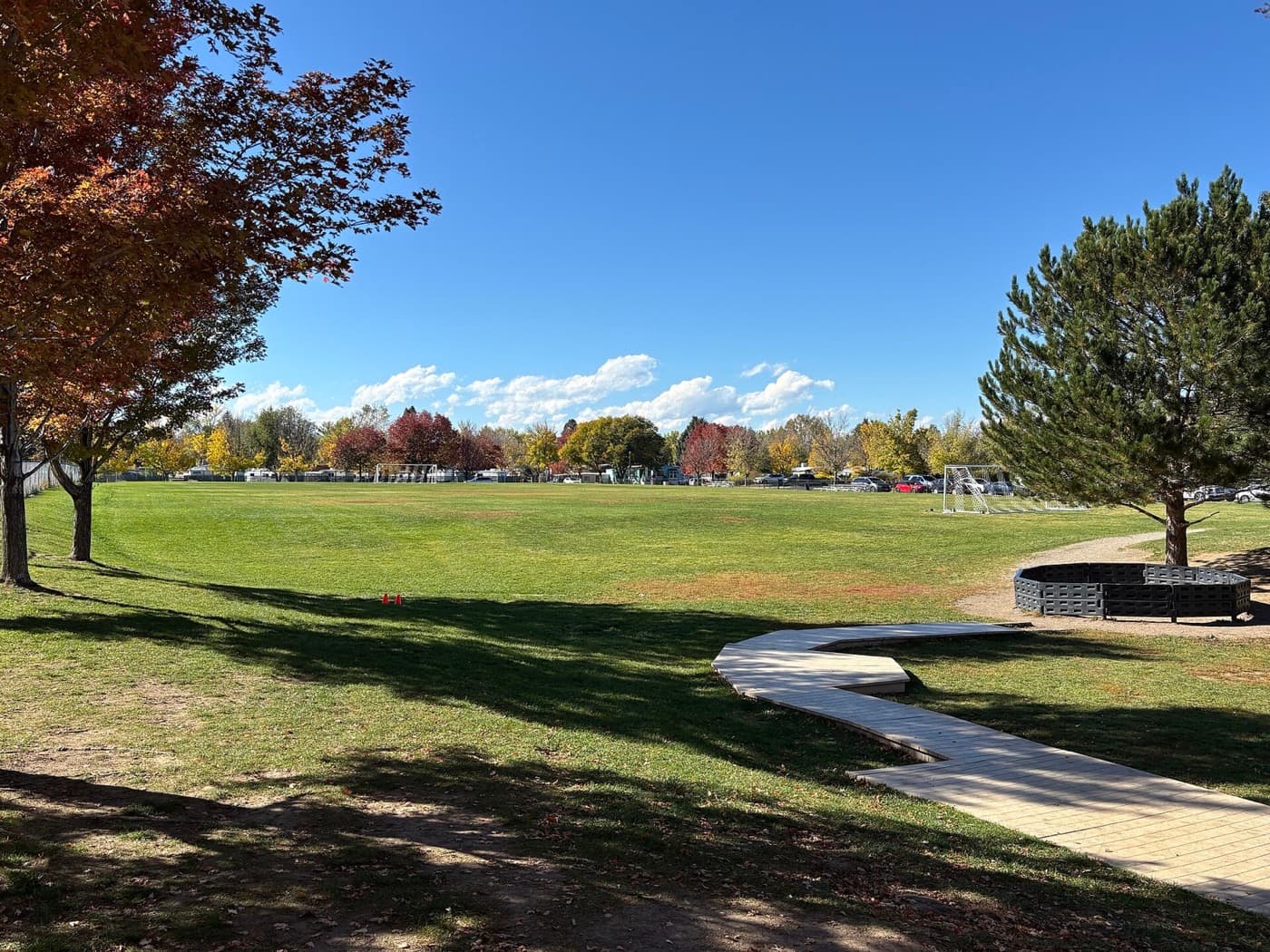
Football
The world’s most popular team sport — endless running, teamwork and community in one game.
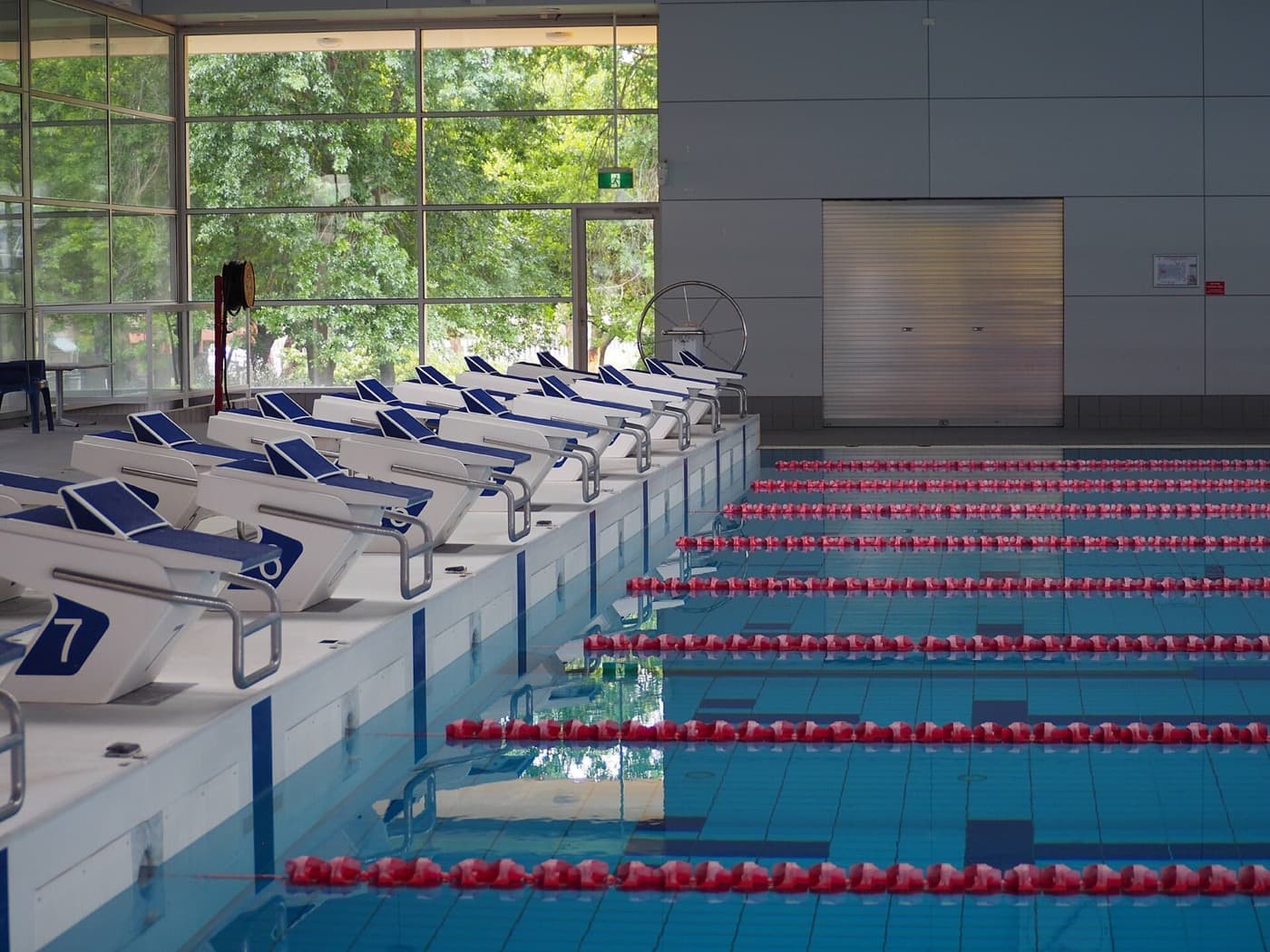
Swimming
A full-body, low-impact endurance sport suitable for almost every age and ability.
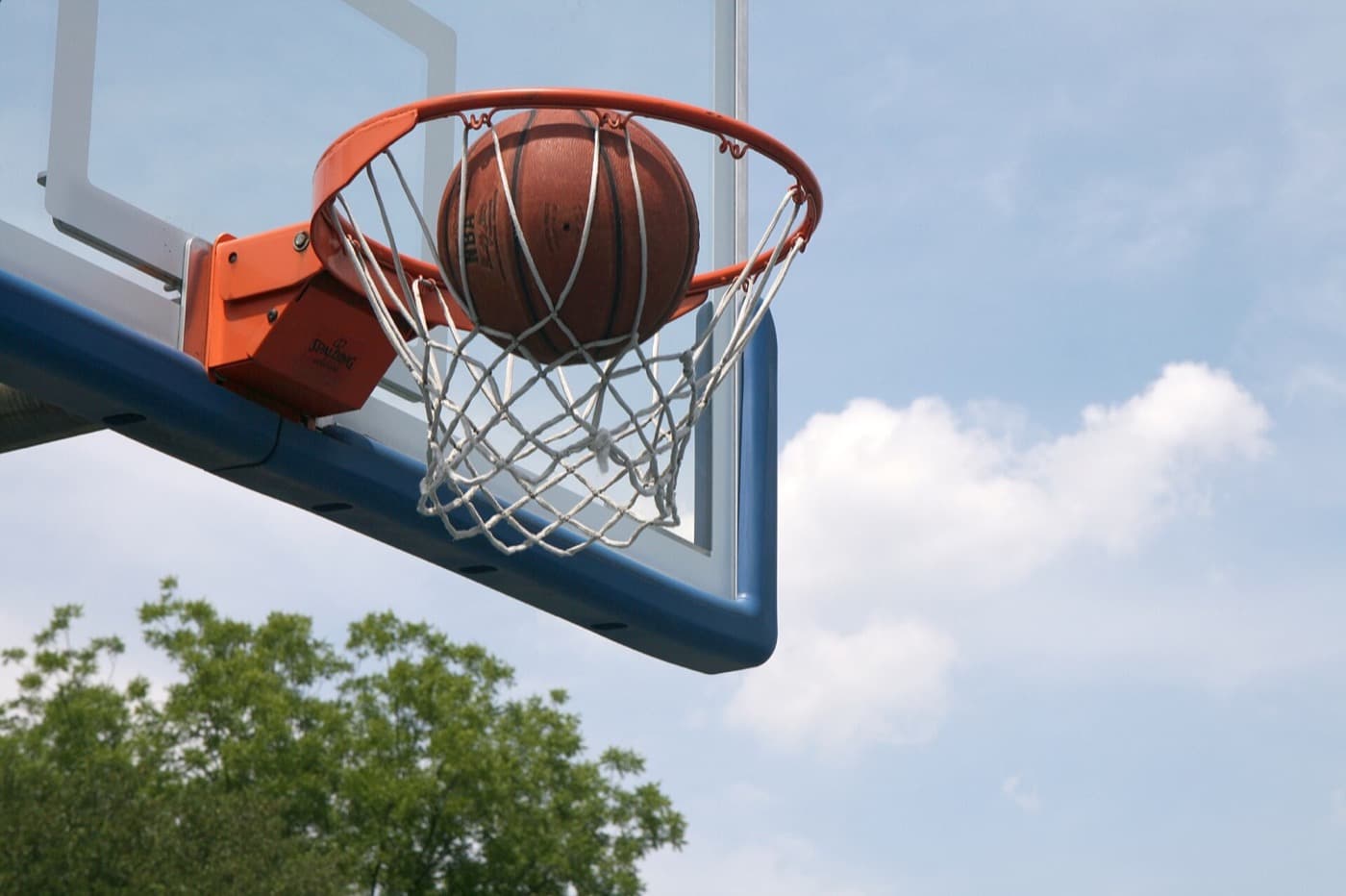
Basketball
A fast, dynamic team sport of running, jumping and quick decisions on court.
Frequently asked questions
What is a video-analysis session?
It is a session that uses recorded footage to review play — slowing it down or replaying it so technique, positioning and decisions can be seen clearly, usually alongside a coach's feedback. The idea is that watching yourself move reveals things you cannot feel in the moment. What is recorded and how it is reviewed varies with the sport, level and coach, so this is the general concept rather than a set method.
Do you need special equipment for video analysis?
Not necessarily — a lot of useful review is done with an ordinary phone, though some settings use dedicated analysis tools. The equipment matters less than having someone help interpret what the footage shows. A coach or qualified professional is the best guide to what is worth filming and how to read it.
Explore across the knowledge base
Follow the threads that connect Video analysis session to the rest of SocialSportHub.
Coaching concepts
- Feedback and CueingFeedback from your senses, a coach, or video plus short instructional cues guide skill learning — including internal vs external focus of attention.
- Skill acquisitionHow a movement or sports skill is learned — progressing from conscious, effortful control to smooth, largely automatic execution through practice and feedback.
Decision making
Sports communication
Equipment
How this page is maintained
- Content type
- Session type
- Provenance
- Tier A — evergreen educational
- Verified external sources
- 0
- Content updated
- 2026-07-12
Evergreen, first-party explanation — it makes no claim that needs an external source. How we handle sources and reviews.