
Post-match reflection
Looking back after play — as an individual or a group — to notice what happened and what to work on, calmly rather than in the heat of the moment.
Overview
Post-match reflection is the communication that happens after play: a team or individual looking back to notice what went well, what was hard, and what to work on next. Done a little after the final whistle rather than in the raw emotion of the moment, it tends to be calmer and more honest, and it often feeds the next session's focus.
It is about learning from what happened, not re-living or dwelling on it, and it is not a substitute for any kind of mental-health support. Formats vary enormously — a quick group chat, a coach's review, or a personal note after a run — and there is no single correct way to do it.
How it works
- It is looking back after play to notice what happened and what to work on.
- Doing it a little later, once emotions settle, tends to make it calmer and more useful.
- It often feeds directly into the next session's or week's focus.
- It is about learning, not dwelling, and is not a form of mental-health support.
- Formats vary — a group review, coach feedback, or a private personal note.
In practice
- A basketball or football team might hold a short review at the next training rather than straight after the whistle.
- An individual runner or swimmer may reflect alone, noting how a race felt and one thing to adjust.
- Depth varies by level — a recreational player might keep it light, while a competitive athlete reviews in more detail.
Educational — and it varies
Where it shows up
Sports where this communication is especially visible — each with a clear guide.

Basketball
A fast, dynamic team sport of running, jumping and quick decisions on court.

Football
The world’s most popular team sport — endless running, teamwork and community in one game.

Running
The most accessible endurance sport — no venue, just shoes and the open road or trail.
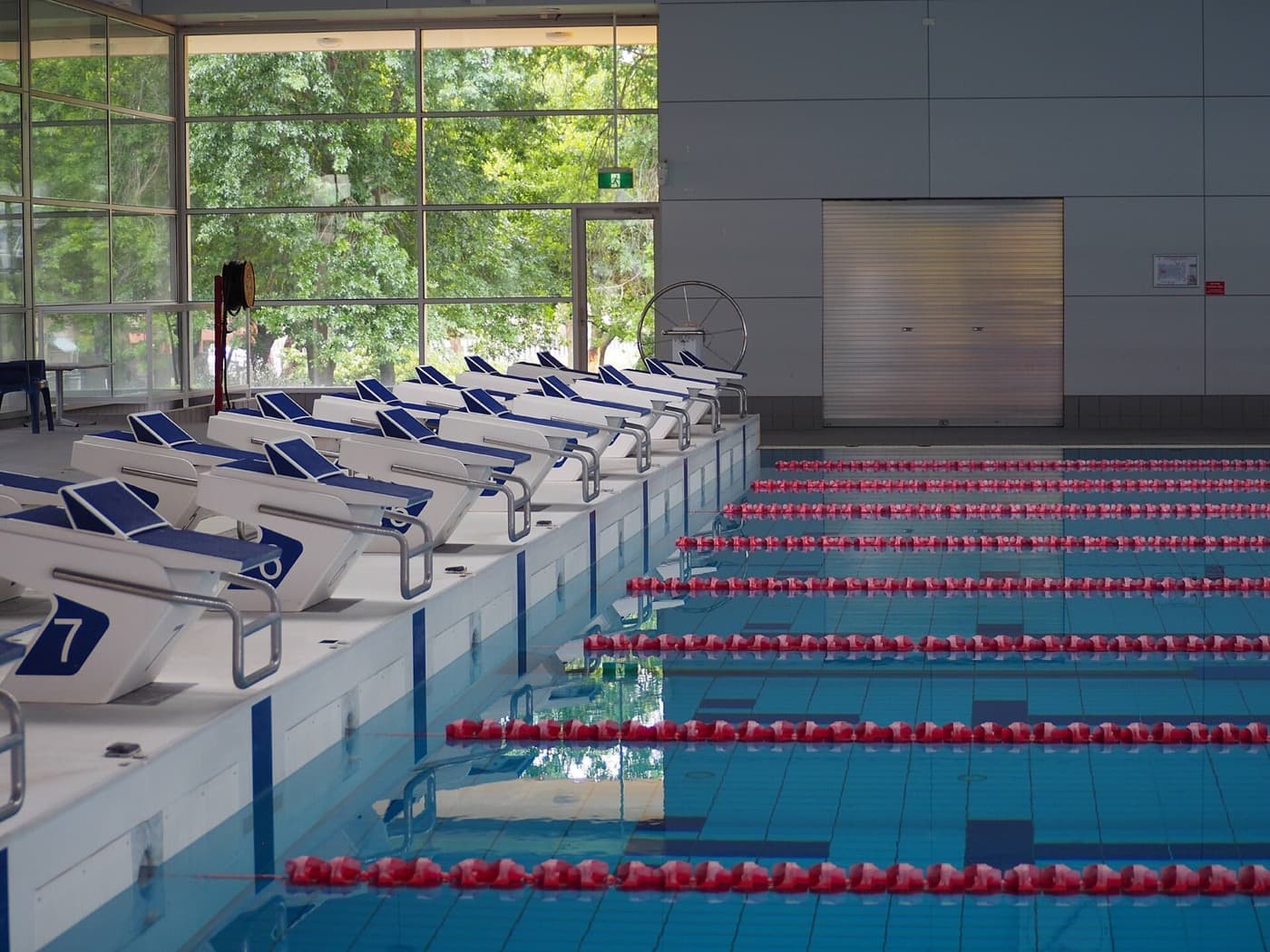
Swimming
A full-body, low-impact endurance sport suitable for almost every age and ability.
Frequently asked questions
How is post-match reflection best done?
Many teams and individuals find it helps to reflect a little after play rather than in the raw emotion straight after the whistle, focusing on what happened and one or two things to work on. It is about learning rather than dwelling and is not a substitute for mental-health support, and the format varies widely by sport, level and personal preference.
Explore across the knowledge base
Follow the threads that connect Post-match reflection to the rest of SocialSportHub.
Coaching concepts
- Goal-Setting for PracticeSetting clear practice goals directs effort and makes progress visible — separating results-based outcome goals from controllable process goals.
- Session StructureHow a practice session is organised into phases — warm-up, main focus, game application and cool-down — so time is used well and learning sticks.
Practice & sessions
- Match review sessionA session for looking back at a completed match — what worked, what didn't and why — to turn the experience into things to practise.
- Video analysis sessionA session that uses recorded footage to slow play down and see clearly what happened — technique, positioning and decisions — as a basis for feedback.
How this page is maintained
- Content type
- Communication concept
- Provenance
- Tier A — evergreen educational
- Verified external sources
- 0
- Content updated
- 2026-07-12
Evergreen, first-party explanation — it makes no claim that needs an external source. How we handle sources and reviews.