
Match review session
A session for looking back at a completed match — what worked, what didn't and why — to turn the experience into things to practise.
Overview
A match-review session is time set aside after a game to make sense of what happened. Rather than playing, you look back — sometimes as a quiet conversation with a coach, sometimes as a team debrief — talking through the moments that mattered, the patterns that kept recurring and the decisions behind them. The aim is to learn from real play, so that the next practice has a clear direction.
There is no single format: some reviews are a five-minute chat by the side of the court, others sit down with notes or footage, and much depends on the sport, the level and the coach. What they share is reflection — turning experience into understanding — and a constructive tone, because honest review works best when it is about learning rather than blame. This page explains the idea, not a fixed routine.
Purpose & structure
- Time set aside to reflect on a completed match rather than to play.
- Looks at what went well, what was difficult and the decisions behind key moments.
- Often a conversation with a coach or a team debrief; sometimes uses notes or footage.
- The purpose is to draw out things to work on, giving the next practice a direction.
- Works best in a constructive, honest tone — about learning, not blame.
Who it’s for
- Anyone playing competitive matches who wants to learn from them, at any level.
- Beginners too, as a gentle way to notice patterns — kept simple and encouraging rather than critical.
- It guides future practice but does not replace the coaching and playing that build the skills themselves.
A format, not a plan
Sports it suits
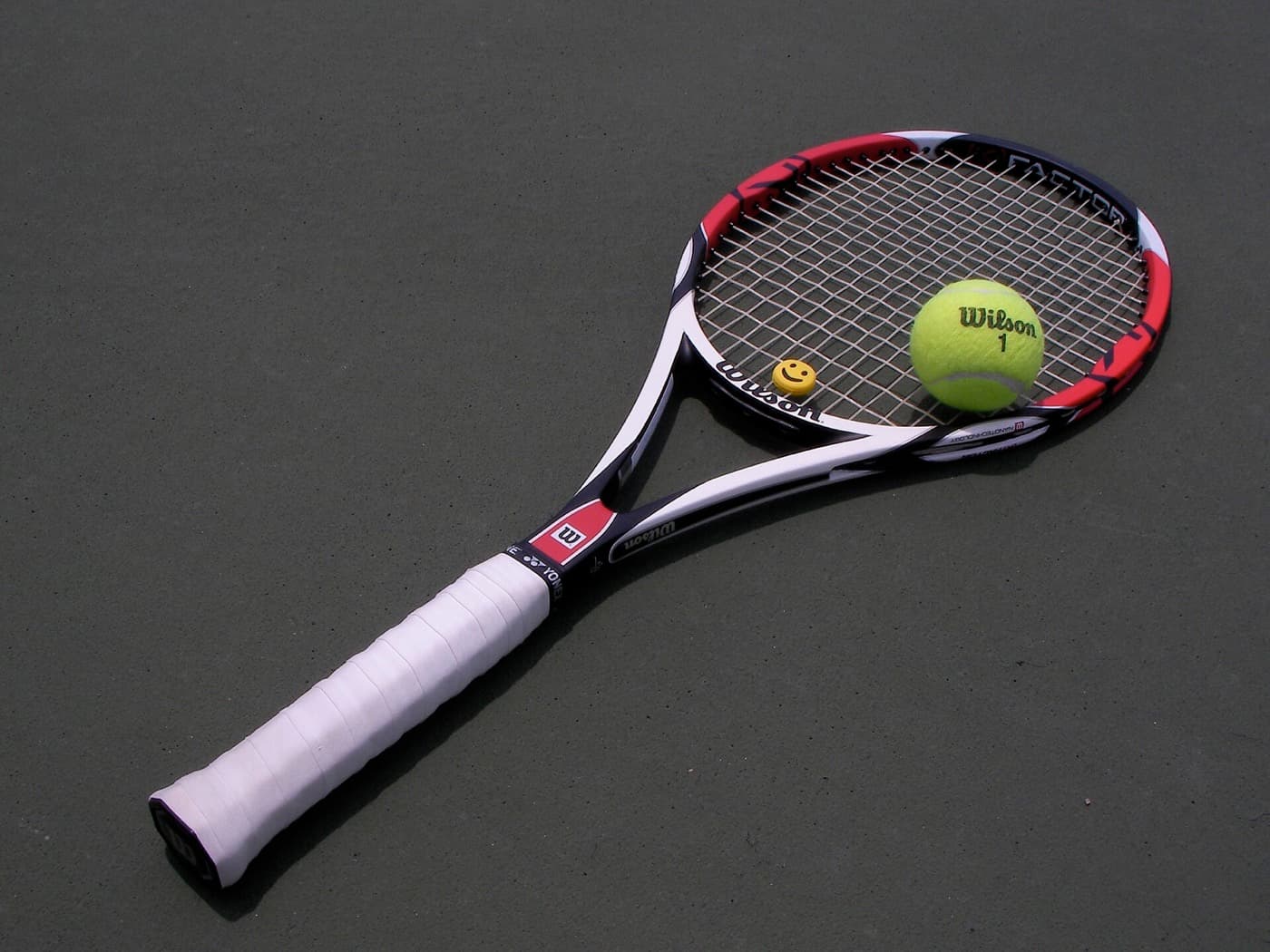
Tennis
A singles or doubles racquet sport that blends agility, strategy and stamina on court.

Football
The world’s most popular team sport — endless running, teamwork and community in one game.

Basketball
A fast, dynamic team sport of running, jumping and quick decisions on court.
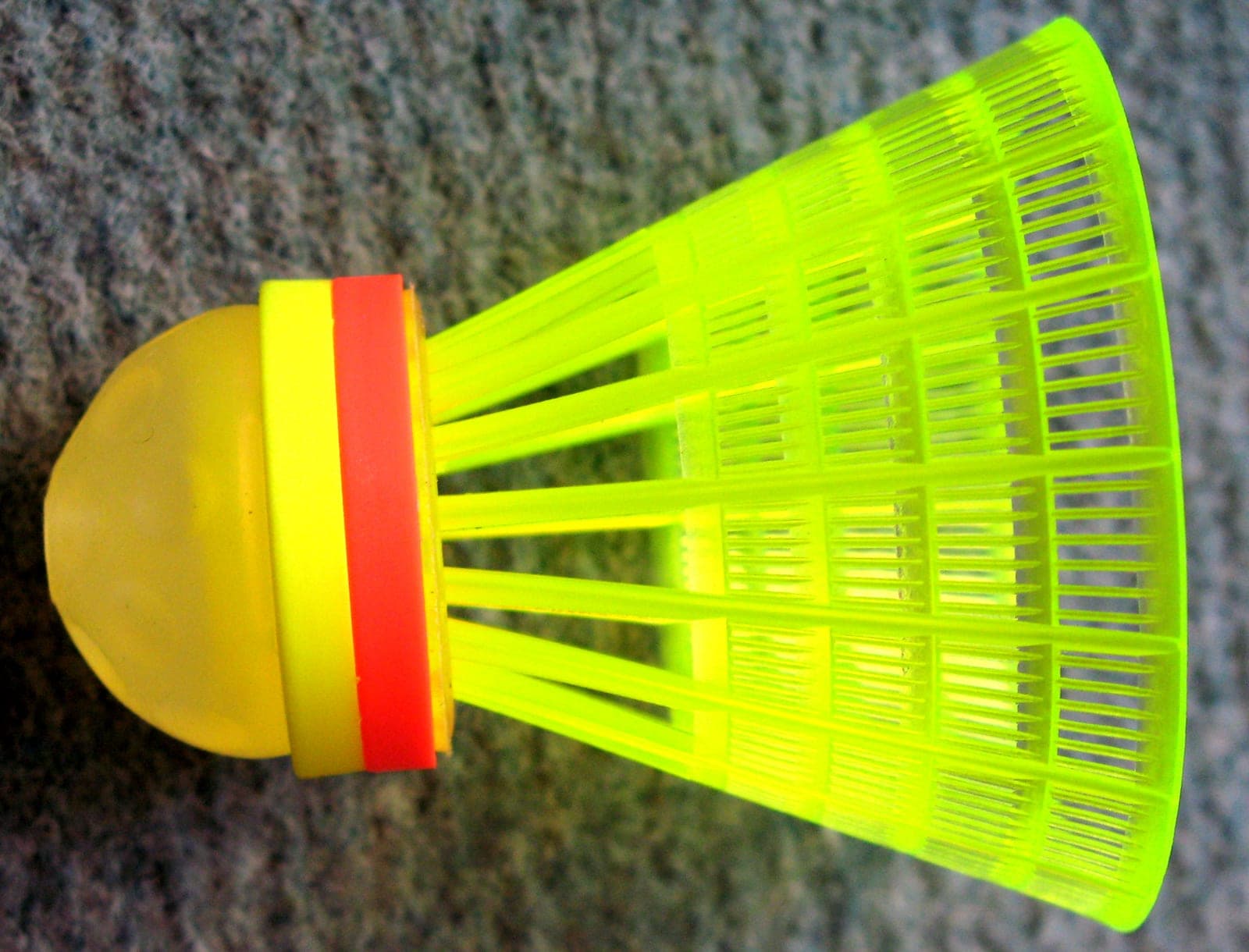
Badminton
A fast indoor racquet sport played with a shuttlecock that rewards agility and touch.
Frequently asked questions
What is a match-review session?
It is time set aside after a game to look back at what happened — what worked, what was difficult and the decisions behind key moments — usually as a conversation with a coach or a team debrief. The point is to turn real play into clear things to practise. The format varies with the sport, level and coach, so treat this as the general idea rather than a set routine.
Is match review only for advanced players?
Not at all — reflecting on play can help at any level, and for beginners it tends to stay simple and encouraging, picking out one or two things to notice next time. What changes is the depth of the review, not whether it is useful. A coach is the best guide to how much detail is helpful for a given player.
Explore across the knowledge base
Follow the threads that connect Match review session to the rest of SocialSportHub.
Sports communication
- Post-match reflectionLooking back after play — as an individual or a group — to notice what happened and what to work on, calmly rather than in the heat of the moment.
- Teammate feedbackPlayers giving each other useful, respectful feedback as peers — encouragement, quick corrections and honest reads — distinct from a coach's feedback.
How this page is maintained
- Content type
- Session type
- Provenance
- Tier A — evergreen educational
- Verified external sources
- 0
- Content updated
- 2026-07-12
Evergreen, first-party explanation — it makes no claim that needs an external source. How we handle sources and reviews.