
Coach-to-player feedback
How a coach shares usable information with a player about what they did and what to try next — usually specific, well timed and focused on one thing at a time.
Overview
Coach-to-player feedback is the information a coach passes to a player about their play — what worked, what to adjust, and what to try next. It sits close to the coaching idea of feedback and cueing, but the focus here is the communication itself: how a message is framed, timed and delivered so a player can actually use it.
Feedback tends to be more useful when it is specific and focused rather than a long list, and well timed rather than constant. It does not improve performance on its own — the player still has to understand and act on it — and the style varies by sport, level and the individual.
How it works
- It is a coach passing usable information to a player about what they did and what to try next.
- Specific, focused feedback — often one point at a time — tends to land better than a long list.
- Timing matters: some feedback works best in the moment, some after the action or session.
- It pairs with listening, since a message only helps if the player takes it in and can act on it.
- It does not guarantee improvement on its own, and the style varies by sport, level and person.
In practice
- In a tennis or badminton session a coach might give a single cue between points, where there is little time to say more.
- In football or basketball, feedback often comes at a stoppage or after a small-sided game rather than mid-play.
- What is useful shifts with level — a beginner may need simpler, more encouraging feedback than a competitive athlete.
Educational — and it varies
Where it shows up
Sports where this communication is especially visible — each with a clear guide.
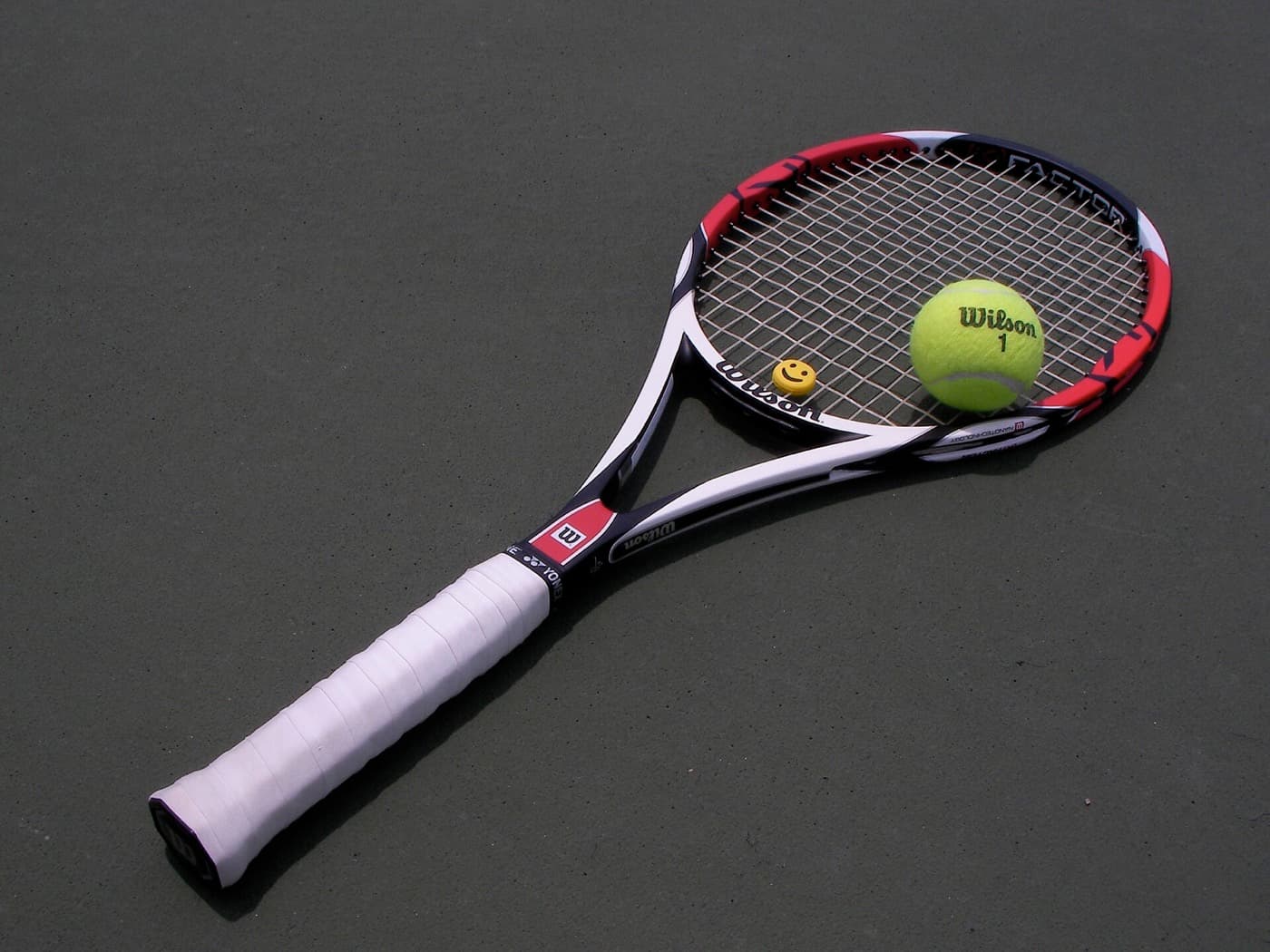
Tennis
A singles or doubles racquet sport that blends agility, strategy and stamina on court.

Football
The world’s most popular team sport — endless running, teamwork and community in one game.

Basketball
A fast, dynamic team sport of running, jumping and quick decisions on court.
Frequently asked questions
What makes coach feedback effective in sport?
Feedback tends to work best when it is specific, focused on one thing at a time, and timed so a player can use it — sometimes in the moment, sometimes after the action. It does not improve performance on its own, since the player still has to understand and apply it, and the right style varies by sport, level and individual.
Explore across the knowledge base
Follow the threads that connect Coach-to-player feedback to the rest of SocialSportHub.
Coaching concepts
- Feedback and CueingFeedback from your senses, a coach, or video plus short instructional cues guide skill learning — including internal vs external focus of attention.
- Small-Sided GamesPractising in scaled-down versions of a sport — fewer players, smaller area — so skills and decisions happen more often in a game-like setting.
- Deliberate PracticeFocused, effortful practice that targets a specific weakness with full attention and immediate feedback — not just repeating what you already do well.
- ProgressionBuilding skill and training load in gradual, manageable steps so each stage prepares the next, moving from simple to complex and easy to hard.
Practice & sessions
How this page is maintained
- Content type
- Communication concept
- Provenance
- Tier A — evergreen educational
- Verified external sources
- 0
- Content updated
- 2026-07-12
Evergreen, first-party explanation — it makes no claim that needs an external source. How we handle sources and reviews.