
Mobility session
A session built around moving well through a range of motion — gentle, controlled work to help the body move freely.
Overview
A mobility session focuses on how freely and comfortably you move through a range of motion, using controlled, generally gentle movement rather than hard effort. It is often used to prepare the body before other training or to help it feel loose and easy afterwards, and it tends to be defined by quality of movement rather than intensity.
How much mobility work anyone needs, and which movements suit them, is very individual and varies by sport, body and coach, so this stays general with no set routine. A qualified coach or professional is the right guide for what fits you, and anything that is painful — rather than a gentle stretch — is a reason to stop and check with a professional.
Purpose & structure
- Built around moving well through a range of motion — controlled, usually gentle movement rather than hard effort.
- Often used to prepare the body beforehand or to help it feel loose afterwards.
- Tends to emphasise quality and comfort of movement over intensity or numbers.
- What suits one person can differ from another; there is no universal set of movements.
- Conventions vary by sport, body and coach — this is the idea, not a prescription.
Who it’s for
- Anyone wanting to move more freely as part of their wider training, at any level.
- Beginners, as an accessible, low-intensity way to build good movement habits.
- It supports how you move, but does not replace a coach's guidance or medical advice — stop and check with a professional for anything painful.
A format, not a plan
Sports it suits
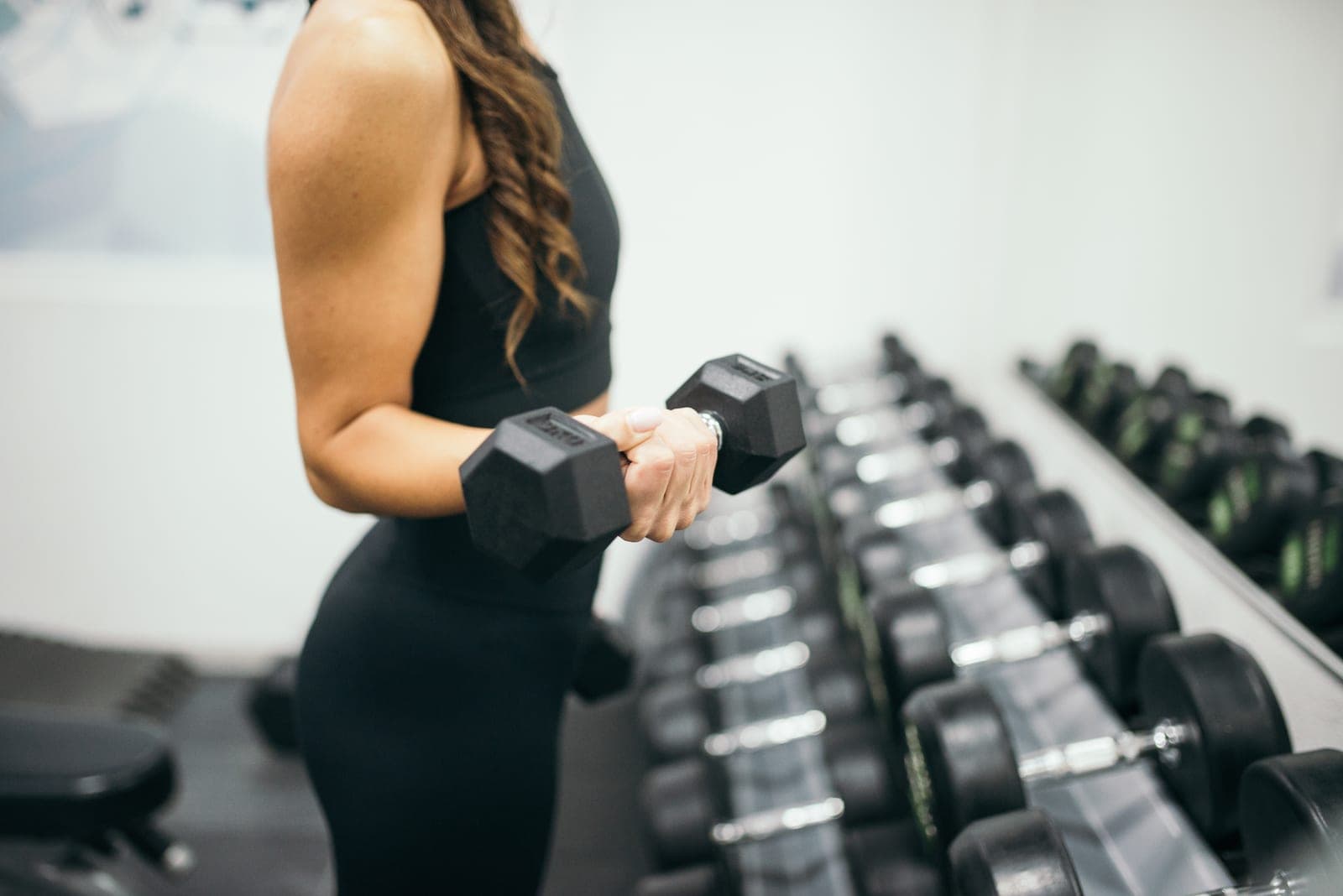
Fitness
Strength and general fitness training — the foundation that supports every other sport.
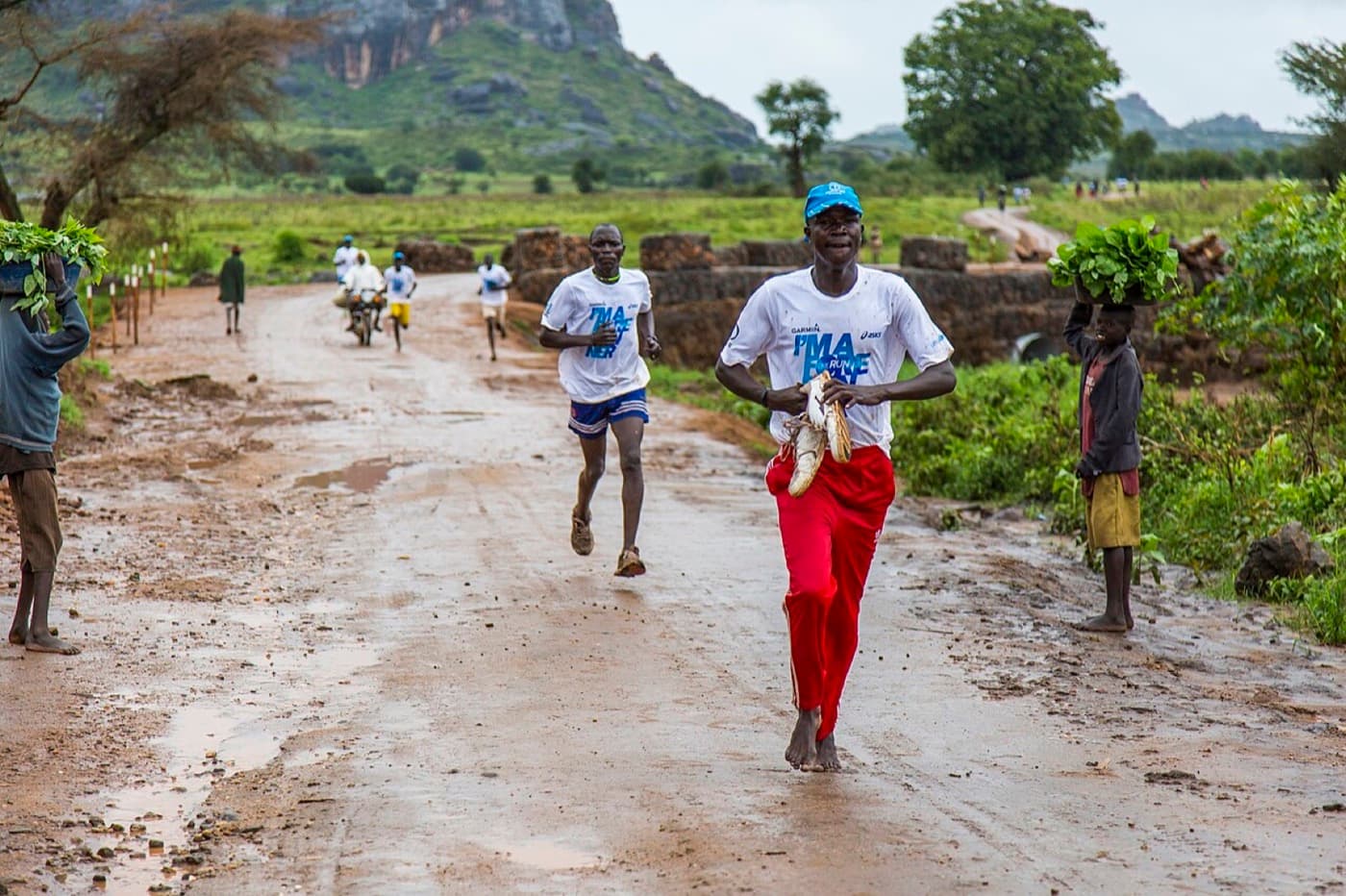
Running
The most accessible endurance sport — no venue, just shoes and the open road or trail.
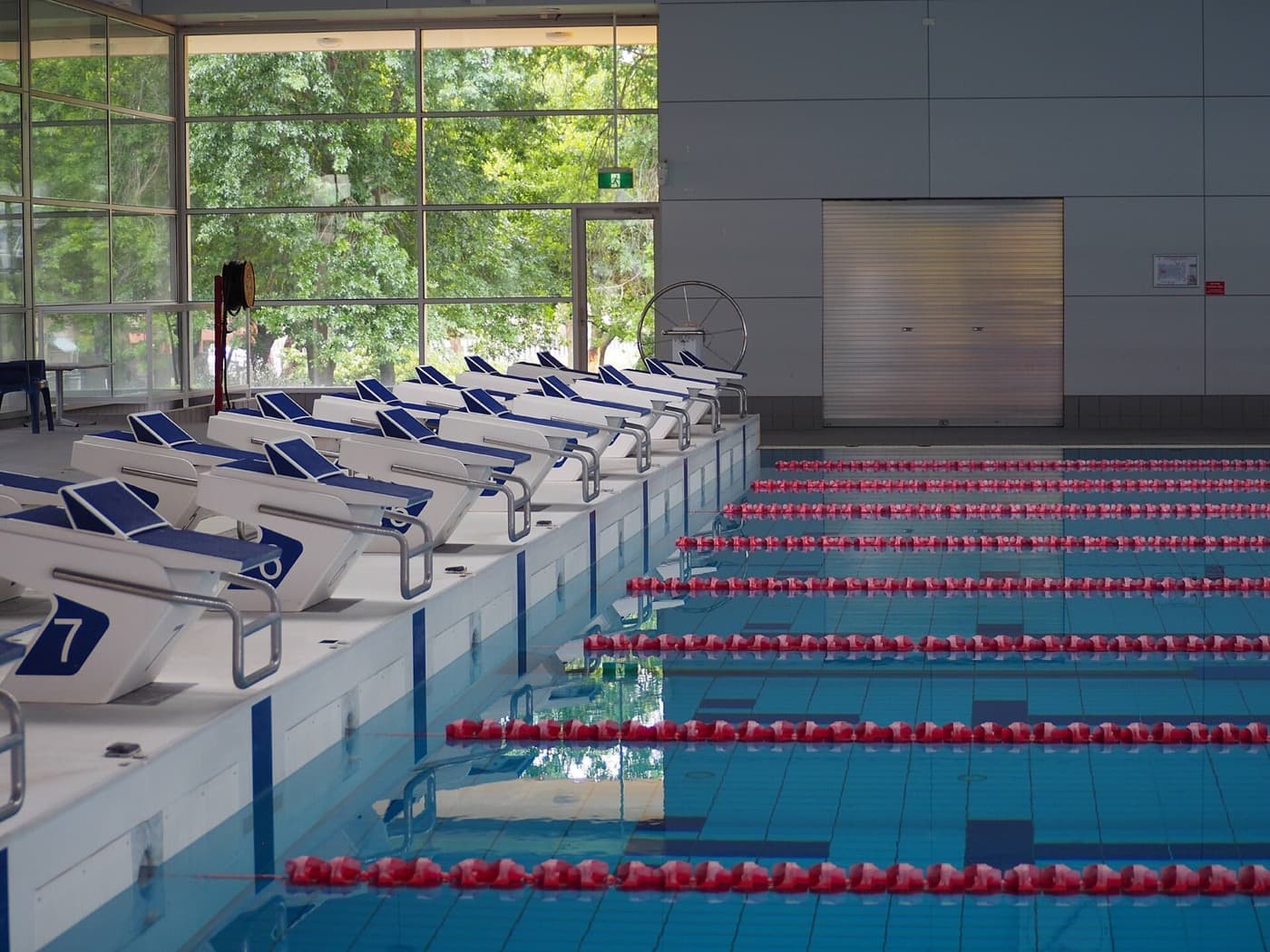
Swimming
A full-body, low-impact endurance sport suitable for almost every age and ability.
Frequently asked questions
What is a mobility session?
It is a session built around moving well through a range of motion, using controlled and generally gentle movement rather than hard effort, often before or after other training. Needs are very individual, so this is general education rather than a plan; a qualified professional can advise what suits you, and anything painful is a reason to stop and seek advice.
Explore across the knowledge base
Follow the threads that connect Mobility session to the rest of SocialSportHub.
Training methods
- Mobility TrainingMobility training works on moving your joints actively through their full range, combining control and flexibility so movement feels free and easy.
- Flexibility TrainingFlexibility training uses stretching to gradually improve how far your muscles and joints can comfortably lengthen and move.
- FartlekFartlek — Swedish for 'speed play' — mixes faster and easier efforts freely and by feel within one continuous session, blending steady and interval work.
Movement patterns
- SquatA knee-dominant pattern: bending the hips, knees and ankles to lower and rise while keeping the torso upright — the foundation of lower-body strength.
- LungeA split-stance, single-leg-emphasis pattern: stepping or dropping into a staggered stance and pushing back up to build single-leg strength, balance and stability.
Goals
How this page is maintained
- Content type
- Session type
- Provenance
- Tier A — evergreen educational
- Verified external sources
- 0
- Content updated
- 2026-07-12
Evergreen, first-party explanation — it makes no claim that needs an external source. How we handle sources and reviews.