
Rotation
Rotating the trunk to generate and transfer power through the body's kinetic chain, plus anti-rotation — resisting unwanted twist to keep the trunk stable.
Overview
Rotation is the movement pattern in which the trunk turns about the long axis of the spine — the thorax rotating relative to the pelvis — to swing, throw or strike. Power is generated from the ground up: the legs push, the hips turn, and that momentum passes in sequence through the trunk and shoulders out to the arm or implement, so the whole body works as a linked chain rather than the arm acting alone. The internal and external obliques are the prime movers, with the deep abdominals, the muscles of the lower back and the rotators of the hip contributing to and controlling the turn.
The same pattern has a stabilising side called anti-rotation: instead of producing a turn, the trunk resists one, staying square while an off-centre force — a load carried on one side, a limb reaching out, an opponent's push — tries to twist it. Rotation and anti-rotation together underpin nearly every throwing, striking and swinging action in sport, from a golf or baseball swing and a tennis or table-tennis stroke to a boxer's punch and the long-axis body roll of freestyle swimming. In the gym the pattern appears in rotational core work such as the Russian twist and in anti-rotation drills like the bird-dog, dead bug, side plank and loaded carries.
What defines it
- Turns the trunk about the long axis of the spine, the thorax rotating on the pelvis, and can also resist that turn — anti-rotation — to keep the trunk stable.
- Works as a kinetic chain: force built by the legs and hips is transferred in sequence through the trunk and shoulders out to the hand or implement, which is what makes rotation a power pattern.
- The internal and external obliques are the prime rotators, supported by the deep abdominals, the erectors and other muscles of the lower back, and the hip rotators.
- Anti-rotation is its stabilising counterpart — bracing the core to prevent unwanted twisting under an off-centre load or reach.
- Shows up wherever a body throws, strikes or swings — racket and bat sports, combat striking, and the long-axis roll of swimming.
Athletic movements built on it
Cross-sport movements that use this pattern as a base.
A note on this information
Exercises that train the rotation
Movements built on this pattern — educational examples, not a prescription.
Russian twist
A rotational core exercise where you twist your torso from side to side while seated and leaning back.
Bird dog
A core exercise on hands and knees where you extend opposite arm and leg while staying steady.
Dead bug
A floor core exercise where you extend opposite arm and leg while keeping your back settled.
Side plank
A core hold on one forearm and the side of the foot that targets the muscles along your side.
Farmer’s carry
A loaded carry where you walk while holding a heavy weight in each hand.
Sports techniques that use it
How the movement shows up in the specific techniques of a sport.
Topspin Forehand
A forehand groundstroke hit with a low-to-high swing that puts forward spin on the ball so it dips and kicks up on landing.
Tennis Serve
The overhead stroke that starts every point, hit from behind the baseline into the diagonally opposite service box.
Table Tennis Forehand Drive
A controlled attacking stroke in table tennis, played on the forehand side with a compact swing and light topspin.
Badminton Smash
A powerful, steeply downward overhead stroke that drives the shuttlecock sharply into the opponent's court to win the rally.
Volleyball Spike
A powerful attacking hit that drives the ball sharply downward over the net into the opponent's court, usually after an approach and jump.
Freestyle Stroke
The fastest swimming stroke, using alternating overhead arm pulls, a flutter kick and rhythmic side breathing.
Sports that rely on it

Golf
A precision target sport played across an outdoor course, blending skill, strategy and a long walk in the open air.
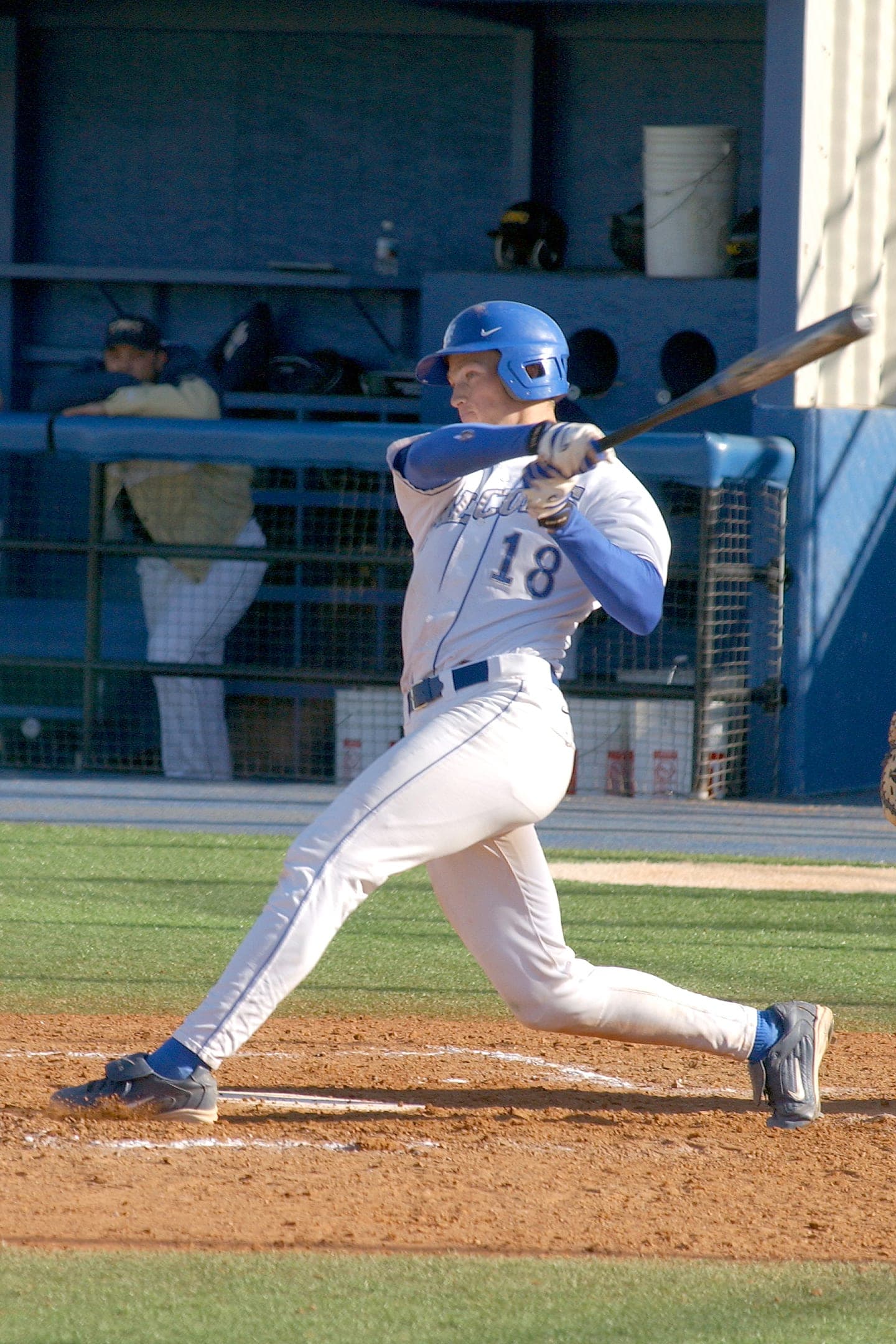
Baseball
A bat-and-ball team sport where two sides alternate between batting and fielding to score runs.
Softball
A friendly bat-and-ball team sport, closely related to baseball, played with a larger, softer ball.
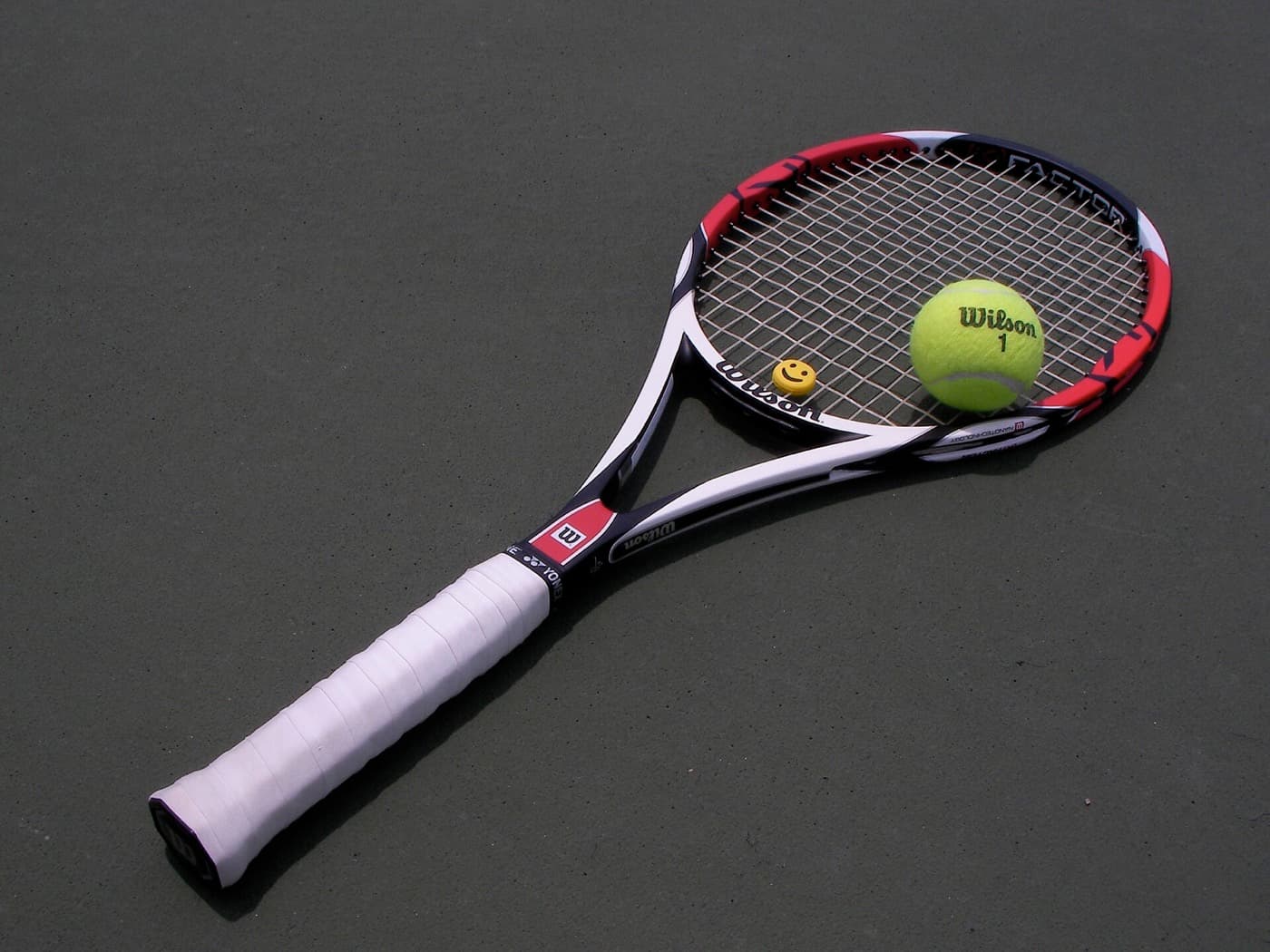
Tennis
A singles or doubles racquet sport that blends agility, strategy and stamina on court.
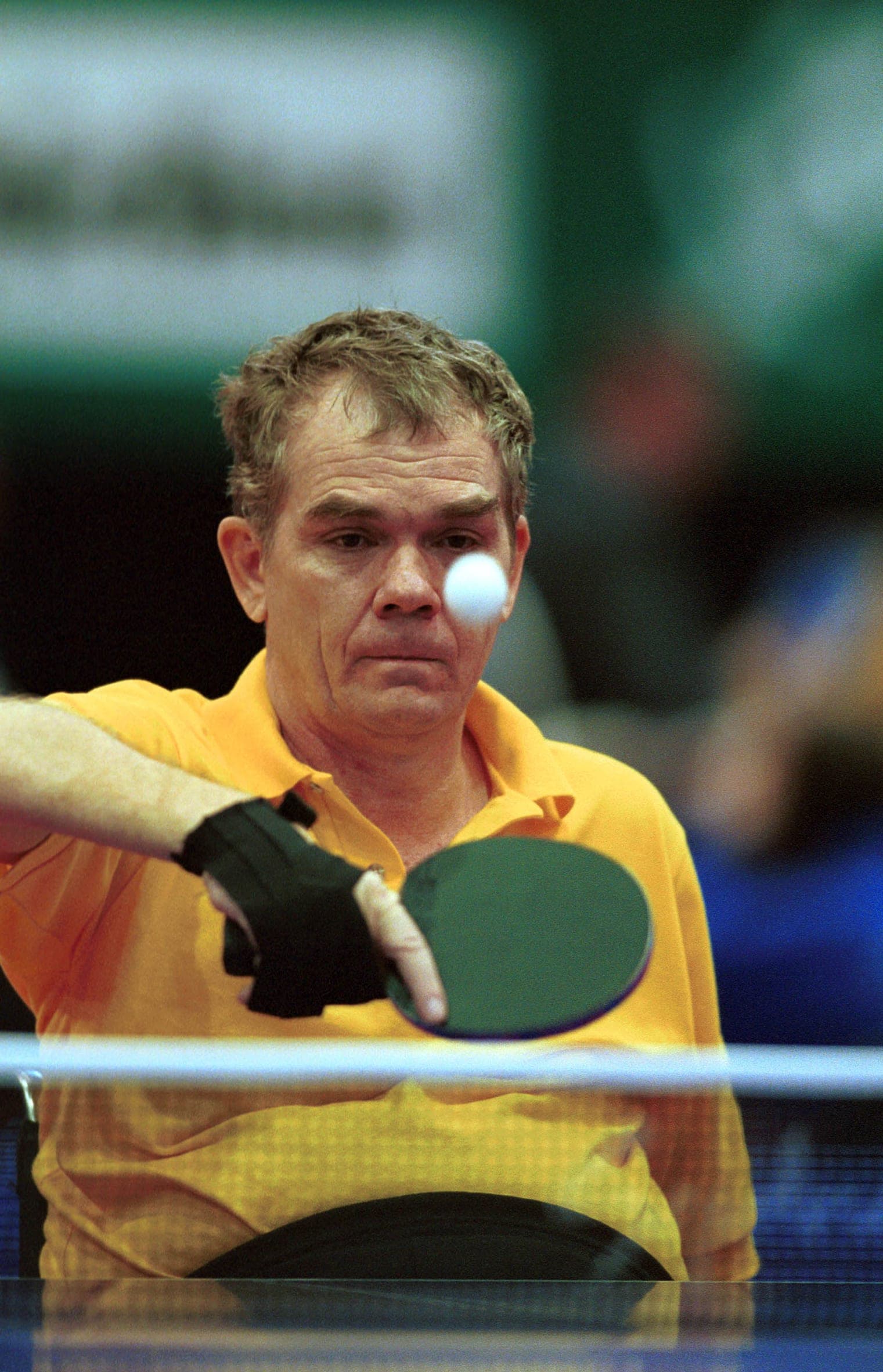
Table Tennis
A fast, low-impact indoor racquet sport that sharpens reflexes and is easy to start.
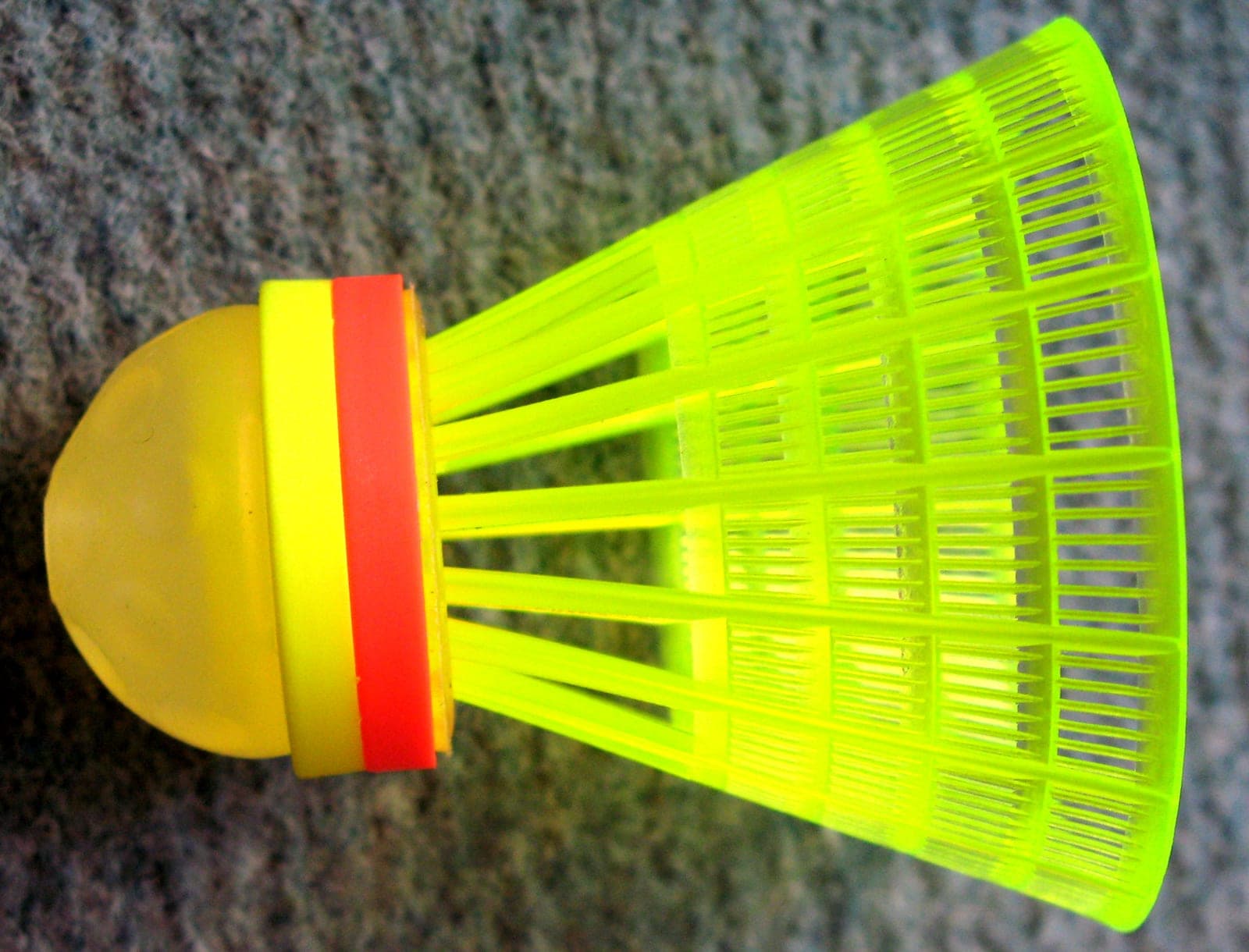
Badminton
A fast indoor racquet sport played with a shuttlecock that rewards agility and touch.
Squash
A fast, high-intensity indoor racquet sport played inside an enclosed court where the walls stay in play.
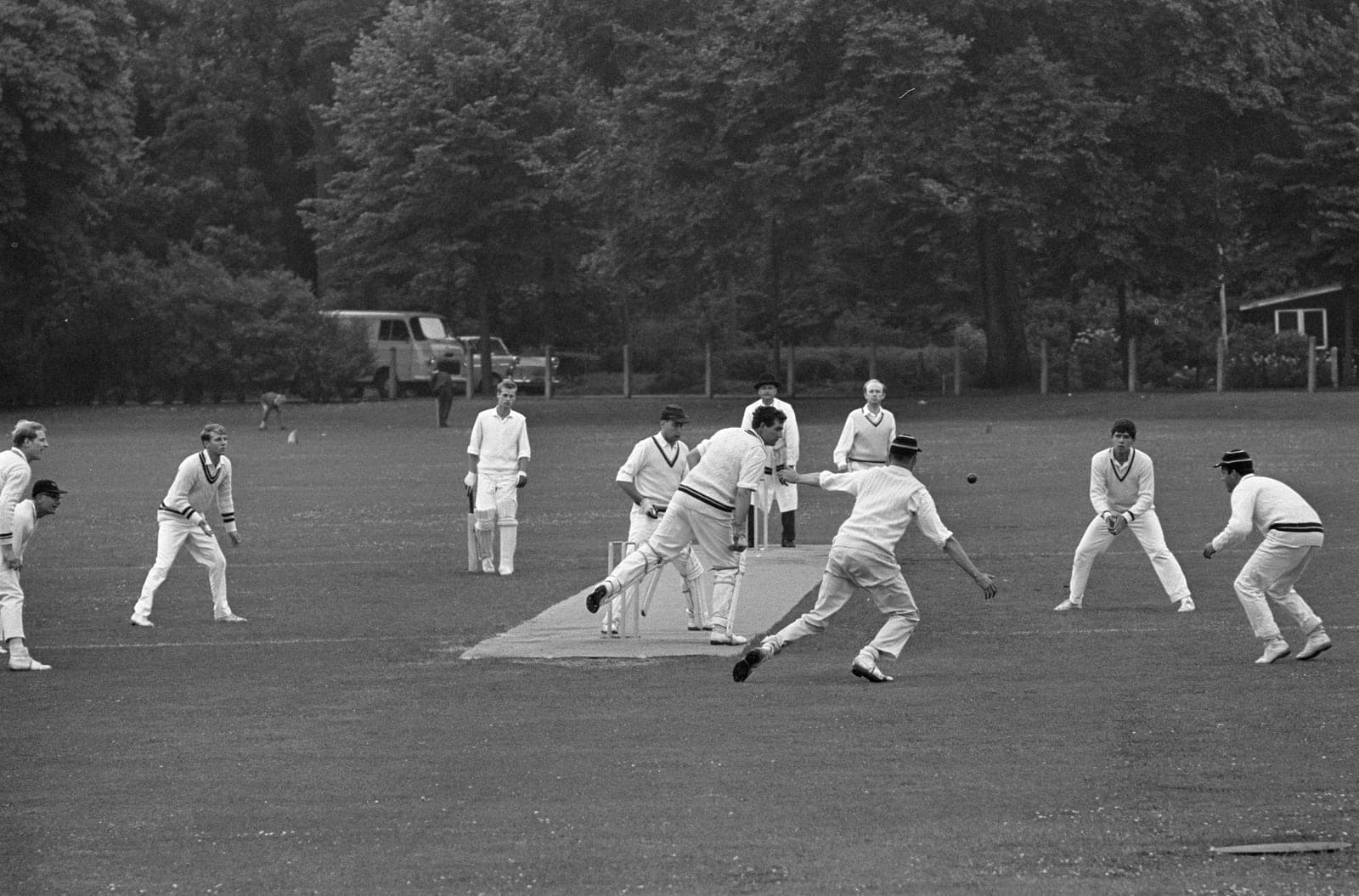
Cricket
A bat-and-ball team sport where sides take turns to bat and to bowl and field, scoring runs.
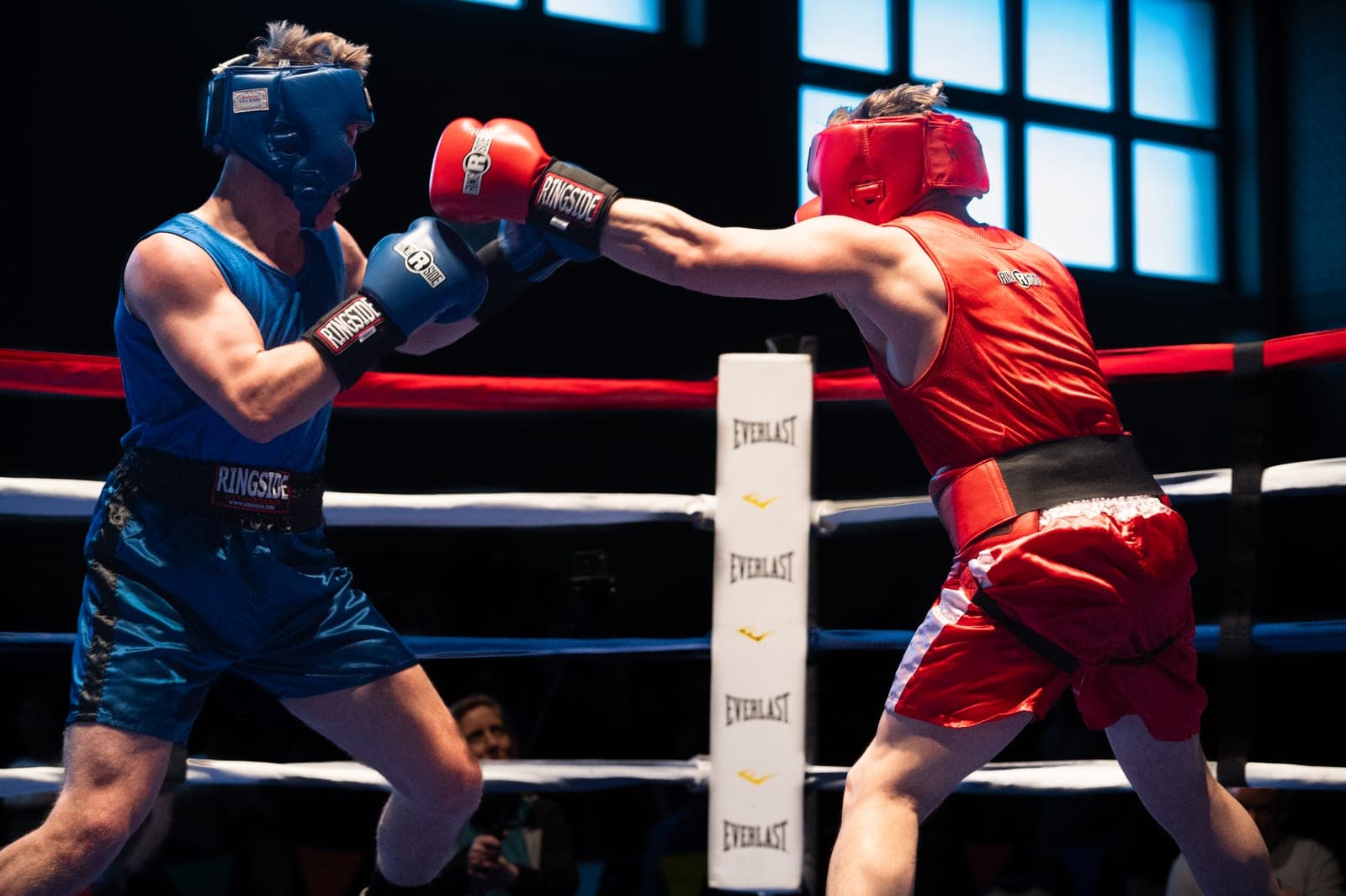
Boxing
A striking combat sport built on footwork, timing and conditioning, practised from fitness drills to controlled sparring.
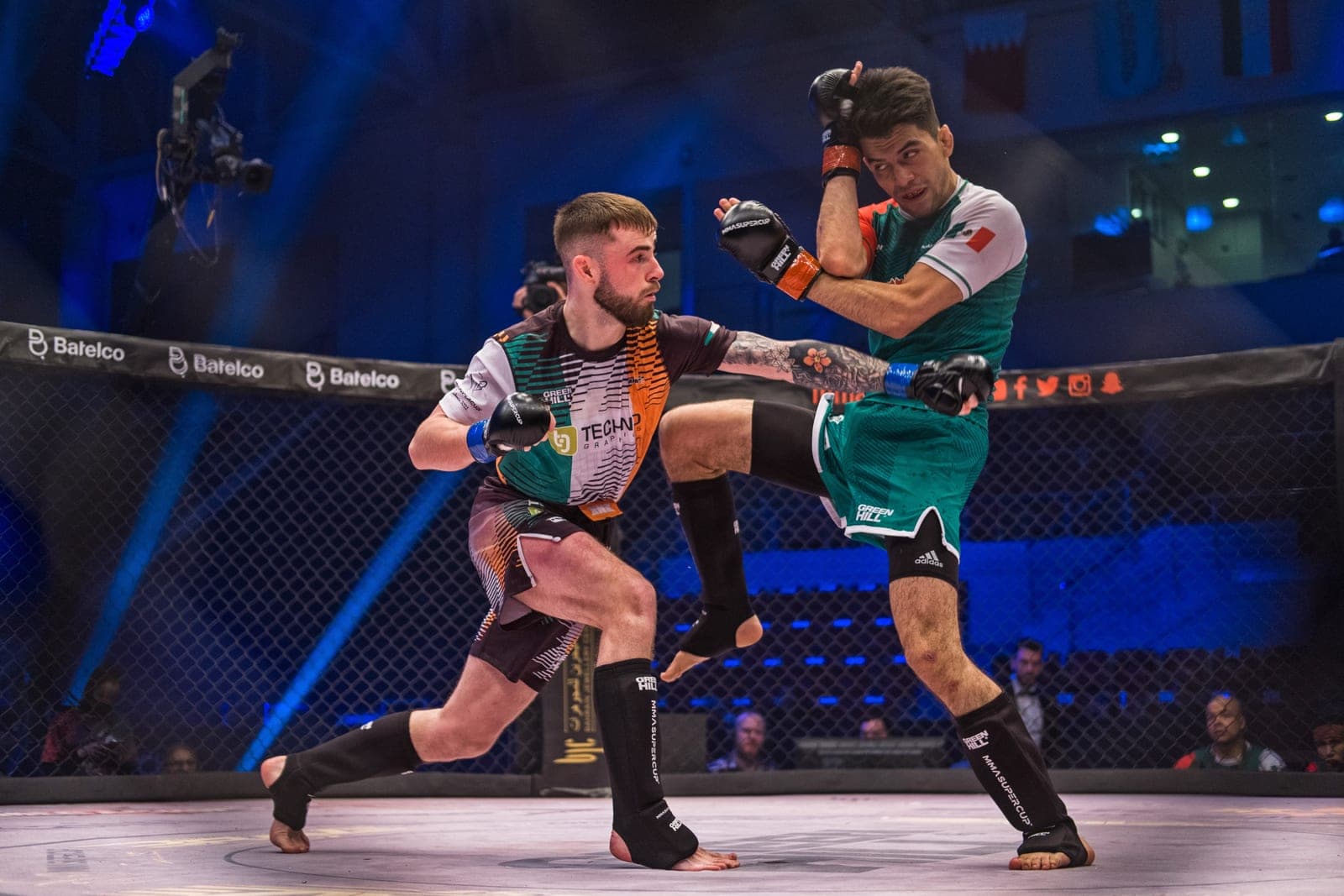
Mixed Martial Arts
A combat sport that blends striking and grappling from several disciplines into one all-round skill set.
Compare rotation with…
Movements it is often confused with — see exactly how they differ.
How it connects
The meaning-bearing relationships that place Rotation in the wider knowledge graph — each one with the reason it exists.
Foundation of
These build directly on this one.
Commonly confused with
Close enough to be mixed up — the distinction is worth knowing.
Explore across the knowledge base
Follow the threads that connect Rotation to the rest of SocialSportHub.
Movement comparisons
- Crossover Step vs RotationCrossover Step vs Rotation: how these two movements differ, what they share, and how to tell them apart — from mechanics to the sports that use them.
- Push vs StrikePush vs Strike: how these two movements differ, what they share, and how to tell them apart — from mechanics to the sports that use them.
- Push vs ThrowPush vs Throw: how these two movements differ, what they share, and how to tell them apart — from mechanics to the sports that use them.
- Kick vs LungeKick vs Lunge: how these two movements differ, what they share, and how to tell them apart — from mechanics to the sports that use them.
- Kick vs StrikeKick vs Strike: how these two movements differ, what they share, and how to tell them apart — from mechanics to the sports that use them.
Skills
- ServingThe skill of putting the ball or shuttle into play to start a point or rally.
- ThrowingThe skill of propelling the ball accurately and with control using the arm.
- Core stabilityThe skill of engaging the trunk muscles to keep the body strong and controlled through movement.
- BalanceThe skill of keeping the body stable and controlled while still or moving.
Sports science
Knowledge Atlas
Training methods
- Strength TrainingStrength training uses resistance — bodyweight, bands or weights — to challenge your muscles so they gradually adapt and get stronger over time.
- PlyometricsPlyometrics are jumping and bounding drills that train muscles to produce force quickly, developing power and springiness through explosive movement.
- Mobility TrainingMobility training works on moving your joints actively through their full range, combining control and flexibility so movement feels free and easy.
- Progressive OverloadProgressive overload is the principle of gradually increasing the demand you place on your body so it keeps adapting and improving over time.
Goals
- Improve coordinationSharpen how smoothly your body works together — like tracking and hitting a ball — through skill practice.
- Improve mobilityMove your joints more freely and comfortably through their natural range with regular, gentle practice.
- Return to sportEasing back into activity after time away, a long break or a period off through injury.
Go deeper with Rotation
Everywhere else on the platform that covers Rotation — assembled from what actually references it, so nothing here is a dead end.
Question it
Research topics that name this entity among their connections.
Take it away
Open data and the whole-platform view of this subject.
How this page is maintained
- Content type
- Movement pattern
- Provenance
- Tier A — evergreen educational
- Verified external sources
- 0
- Content updated
- 2026-07-13
Evergreen, first-party explanation — it makes no claim that needs an external source. How we handle sources and reviews.