
Boxing
Footwork, timing and conditioning in the ring
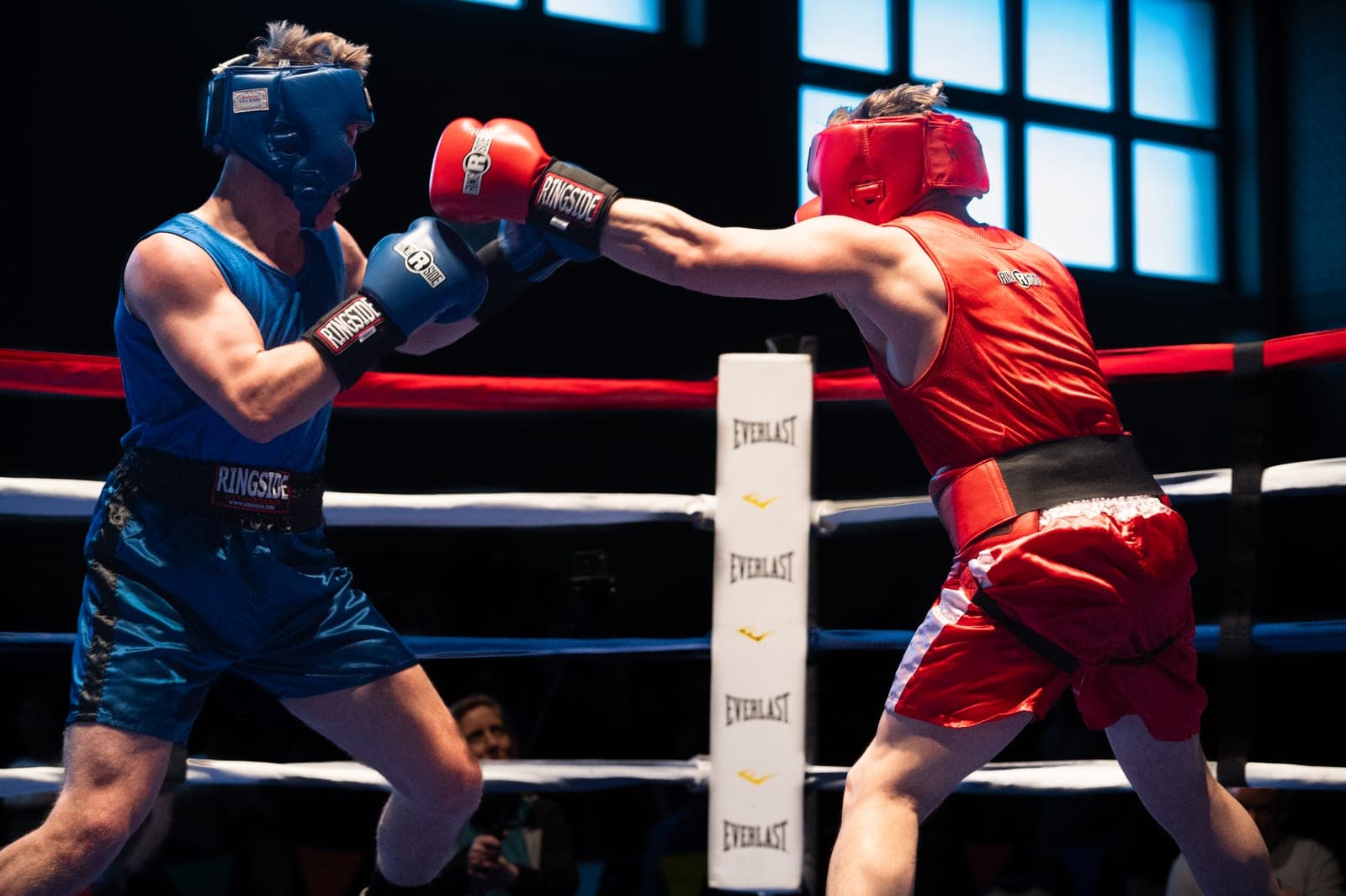
.jpg)
Overview
Boxing is a striking sport in which participants use padded gloves to land punches while defending with a guard, head movement and footwork. Training blends technical work on pads and bags with movement and conditioning, and only progresses to light, controlled sparring under supervision.
Many people take up boxing purely for the fitness and skill it builds, without ever competing. A typical session mixes rounds of technique, footwork and cardio, making it a demanding full-body workout that also sharpens focus and coordination.
Why boxing is good for your health
- Builds strong cardiovascular fitness through rounds of continuous work
- Develops full-body strength, power and muscular endurance
- Sharpens coordination, timing and reaction speed
- Improves agility and footwork through constant movement
Physical qualities you’ll build
Boxing is especially good for developing these qualities:
The social side
- Gym classes build a supportive, motivating training community
- Partner pad-work pairs you up and encourages teamwork
- Widely available at boxing and fitness gyms for all levels
How to start as a beginner
- 1Join a beginner class or gym with qualified coaching
- 2Learn your stance, guard and basic punches before any contact
- 3Build fitness with pad and bag work — sparring comes much later and only under supervision
- 4Wrap your hands correctly and train in well-fitted gloves
Equipment you’ll need
- Boxing glovesEssentialWell-fitted gloves protect the hands and wrists
- Hand wrapsEssential
- Comfortable training clothesEssential
- MouthguardOptionalRecommended before any sparring
- Skipping ropeOptional
Where to play
Boxing is typically played at:
Explore clubs and venues to understand the different places you can play, or see how to find people to play with.
Playing Boxing
The equipment, rules, skills and more that make up the game — each cross-linked into the encyclopedia.
Training for Boxing
Exercises, methods and example plans that help build what Boxing needs — educational, not personalised prescriptions.
Related sports to explore
If you enjoy Boxing, you might also like these.
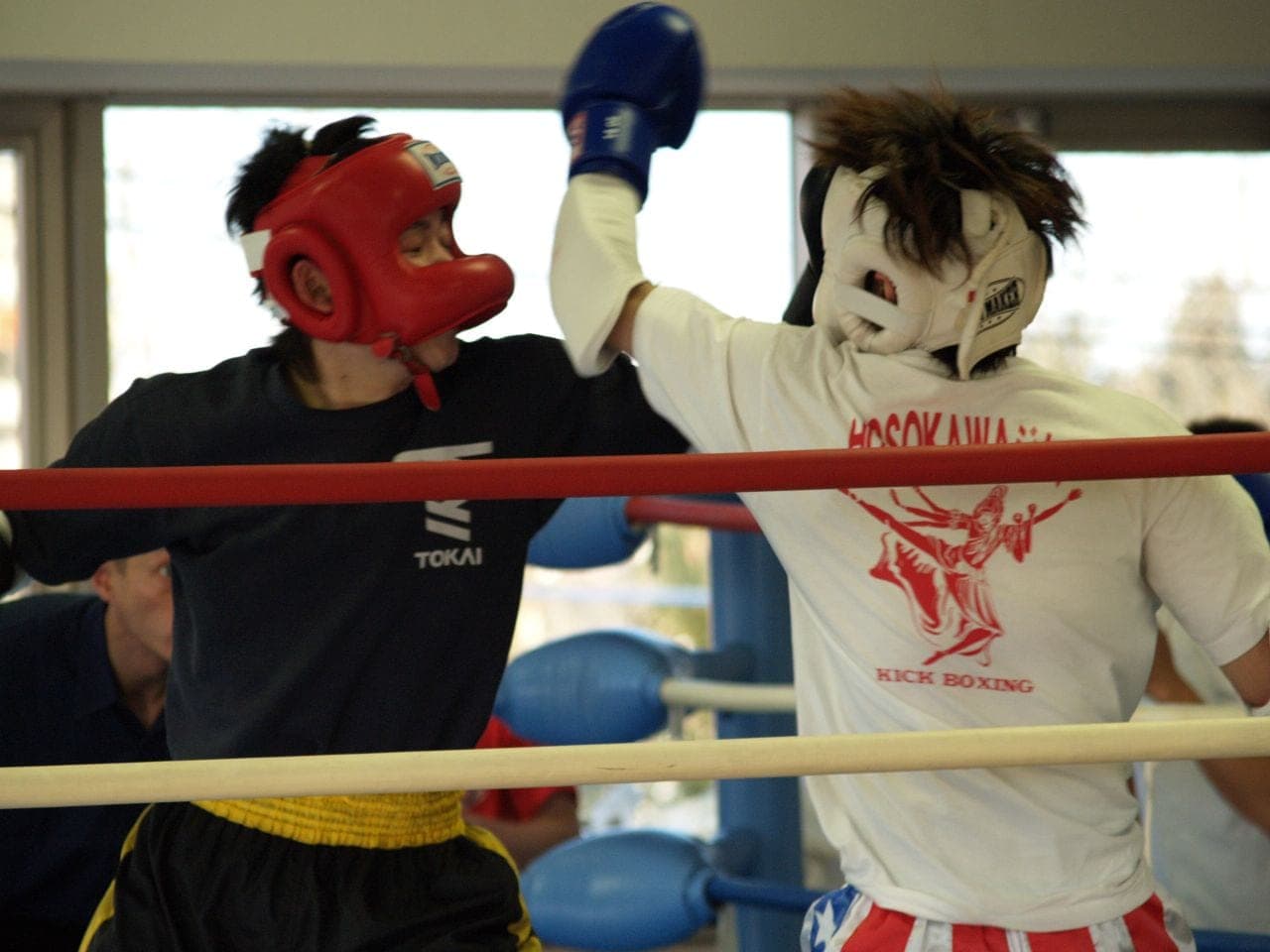
Kickboxing
A striking combat sport that combines punches and kicks, popular for fitness, focus and a full-body workout.
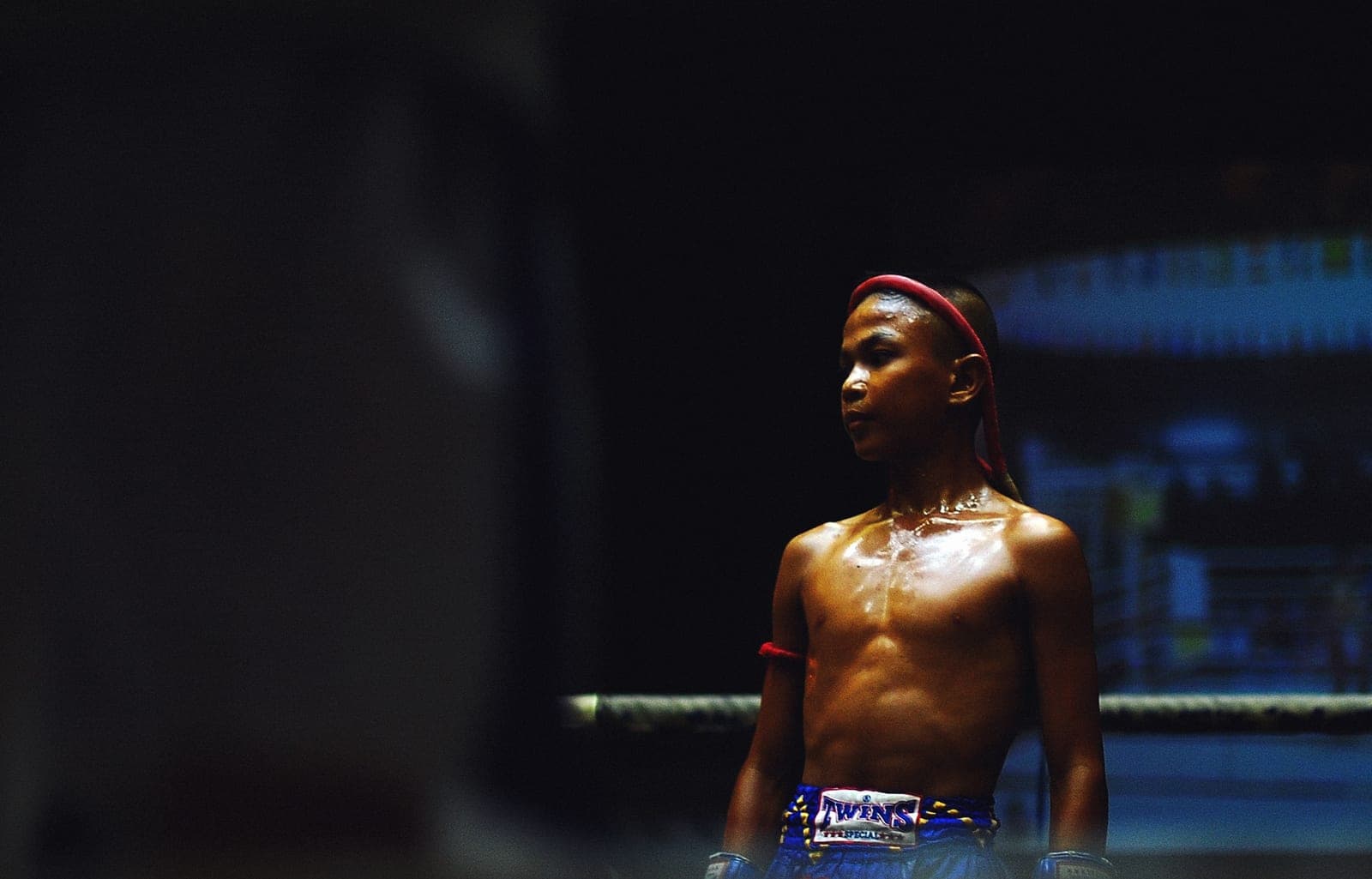
Muay Thai
A striking combat sport using fists, elbows, knees and shins, often trained for fitness and skill.
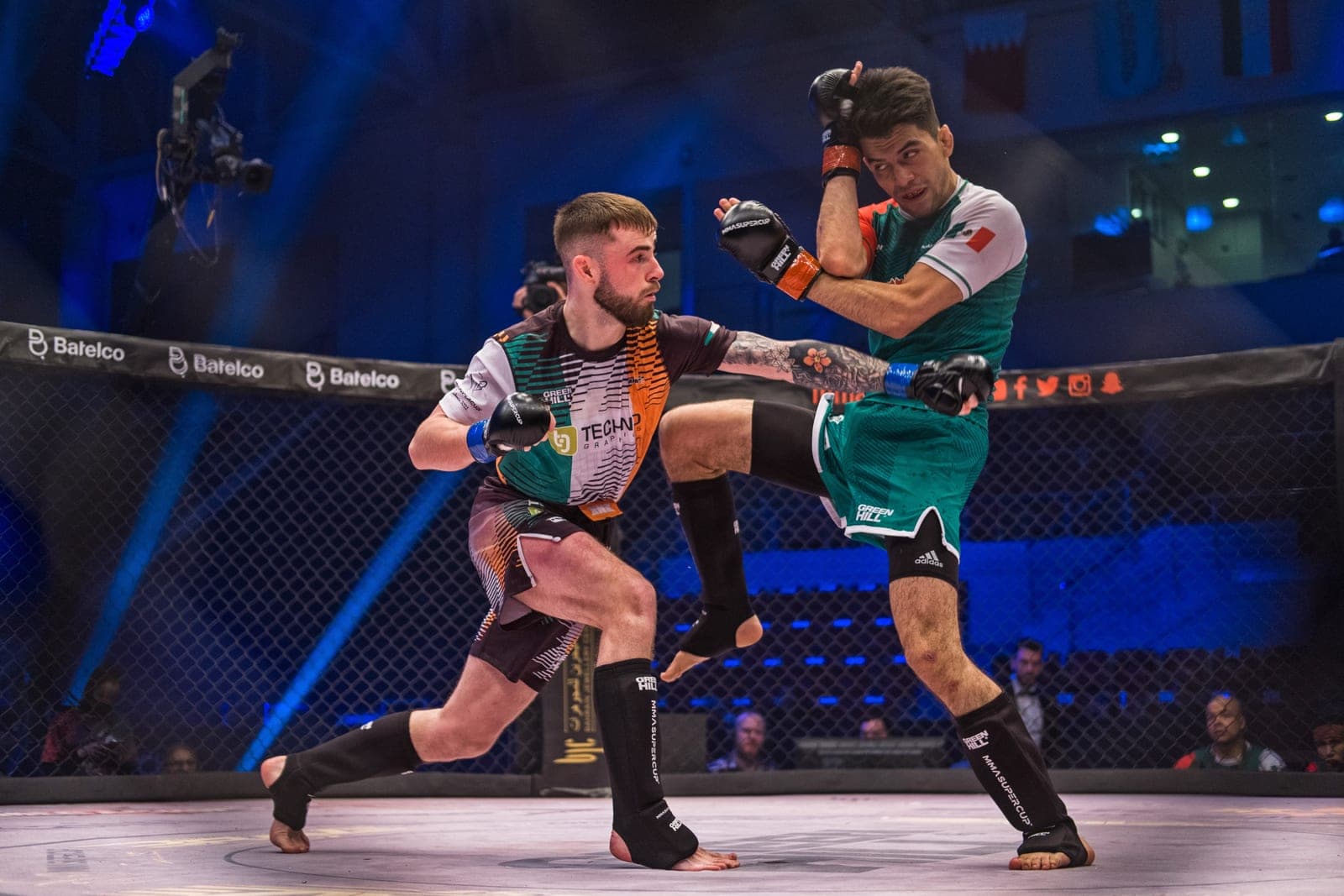
Mixed Martial Arts
A combat sport that blends striking and grappling from several disciplines into one all-round skill set.
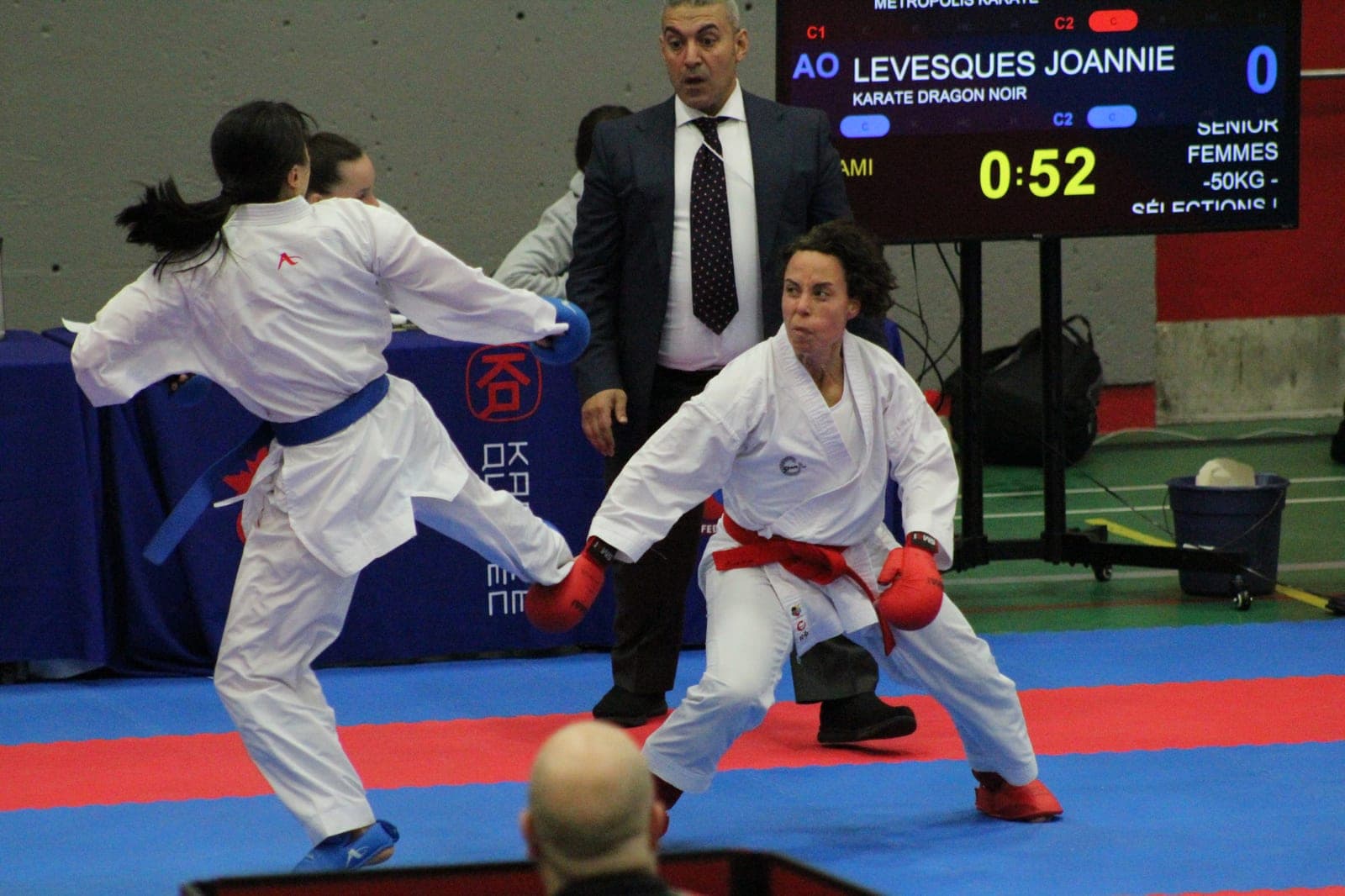
Karate
A striking martial art of punches, kicks and forms, structured around steady progression for all ages.
Compare Boxing with…
Deciding between Boxing and something similar? See how they line up side by side.
Boxing vs Fencing
How they compare on difficulty, intensity, kit and what suits you.
Boxing vs Karate
How they compare on difficulty, intensity, kit and what suits you.
Boxing vs Kickboxing
How they compare on difficulty, intensity, kit and what suits you.
Boxing vs Mixed Martial Arts
How they compare on difficulty, intensity, kit and what suits you.
Boxing vs Muay Thai
How they compare on difficulty, intensity, kit and what suits you.
Boxing vs Taekwondo
How they compare on difficulty, intensity, kit and what suits you.
Reach your goals with Boxing
People take up Boxing for all kinds of reasons. Here is what it can help you work towards.
Improve coordination
Sharpen how smoothly your body works together — like tracking and hitting a ball — through skill practice.
Improve reaction speed
Respond faster to what you see, hear and feel by training with fast, unpredictable activities and drills.
Build confidence
Use sport and steady progress to feel more capable, comfortable and self-assured over time.
Learn self-defence
Train a martial art or combat sport under supervision — what the practice actually involves, and what it honestly can and cannot give you.
How it connects
The meaning-bearing relationships that place Boxing in the wider knowledge graph — each one with the reason it exists.
Alternative to
Comparable enough that people choose between them.
- FencingBoxing and Fencing are close enough that the platform maintains a side-by-side comparison of them.
- KarateBoxing and Karate are close enough that the platform maintains a side-by-side comparison of them.
- KickboxingBoxing and Kickboxing are close enough that the platform maintains a side-by-side comparison of them.
- Mixed Martial ArtsBoxing and Mixed Martial Arts are close enough that the platform maintains a side-by-side comparison of them.
- Muay ThaiBoxing and Muay Thai are close enough that the platform maintains a side-by-side comparison of them.
Helps achieve
A recognised route towards these goals.
- Improve coordinationBoxing is one of the sports listed under the “Improve coordination” goal.
- Improve reaction speedBoxing is one of the sports listed under the “Improve reaction speed” goal.
- Build confidenceBoxing is one of the sports listed under the “Build confidence” goal.
- Learn self-defenceBoxing is one of the sports listed under the “Learn self-defence” goal.
Explore across the knowledge base
Follow the threads that connect Boxing to the rest of SocialSportHub.
Glossary
- FootworkThe coordinated foot movements and patterns that position the body correctly to execute a skill under time pressure.
- GloveA hand covering worn for protection, grip or catching, taking very different forms across boxing, goalkeeping, baseball, cricket and cycling.
- HookA label for several curving actions across sports — a bent-arm punch in boxing, a strongly curving ball in golf or bowling, and a cross-batted pull in cricket.
- JabA quick, straight punch thrown with the lead hand, used to score, keep distance and set up bigger shots.
- KnockdownIn boxing and combat sports, when a fighter is put to the canvas or otherwise ruled down and the referee administers a count.
Recommendations
- Recommended for “Improve coordination”Sports, qualities, a learning path and first steps for “Improve coordination” — every suggestion a real graph link, shown with its reason.
- Recommended for “Improve reaction speed”Sports, qualities, a learning path and first steps for “Improve reaction speed” — every suggestion a real graph link, shown with its reason.
- Recommended for “Build confidence”Sports, qualities, a learning path and first steps for “Build confidence” — every suggestion a real graph link, shown with its reason.
- Recommended for “Learn self-defence”Sports, qualities, a learning path and first steps for “Learn self-defence” — every suggestion a real graph link, shown with its reason.
- Recommended for “Improve agility”Sports, qualities, a learning path and first steps for “Improve agility” — every suggestion a real graph link, shown with its reason.
Movement patterns
- RotationRotating the trunk to generate and transfer power through the body's kinetic chain, plus anti-rotation — resisting unwanted twist to keep the trunk stable.
- Shuffle (Lateral Shuffle)A low, athletic side-to-side stepping pattern in which the feet never cross, used to reposition and stay balanced and reactive while keeping the shoulders square to a target.
- StrikeA ballistic, whole-body hitting action that channels ground-generated force through a proximal-to-distal kinetic chain to deliver momentum to a target via the hand, an implement or a body part at the moment of contact.
Coaching concepts
- Deliberate PracticeFocused, effortful practice that targets a specific weakness with full attention and immediate feedback — not just repeating what you already do well.
- Repetition QualityThe attention and intent behind each repetition matter more than raw volume — focused, well-executed reps build skill faster than mindless numbers.
- Transfer of TrainingWhether practice carries over to real performance — and why game-like, varied practice tends to transfer better than isolated, repetitive drills.
- Feedback and CueingFeedback from your senses, a coach, or video plus short instructional cues guide skill learning — including internal vs external focus of attention.
Practice & sessions
- Conditioning sessionA session built around physical conditioning — developing the fitness qualities a sport draws on, rather than its skills or tactics.
- Mobility sessionA session built around moving well through a range of motion — gentle, controlled work to help the body move freely.
- Decision-making sessionA session built around choosing well under pressure — reading the situation and picking the right option, not just executing a skill.
- Tactical sessionA session built around tactics — how you use space, position and patterns of play, rather than the mechanics of a shot.
- Small-group practicePractising in a small group of a few players — sharing drills, rotating roles and using small-sided games so everyone stays involved.
Go deeper with Boxing
Everywhere else on the platform that covers Boxing — assembled from what actually references it, so nothing here is a dead end.
Compare it
Head-to-head studies against the entities people actually weigh it against.
- Boxing vs FencingSide by side on the qualities that differ.
- Boxing vs KarateSide by side on the qualities that differ.
- Boxing vs KickboxingSide by side on the qualities that differ.
- Boxing vs Mixed Martial ArtsSide by side on the qualities that differ.
- Boxing vs Muay ThaiSide by side on the qualities that differ.
- Boxing vs TaekwondoSide by side on the qualities that differ.
Kit it out
Equipment guidance drawn from the graph, with no brands and no affiliate links.
Take it away
Open data and the whole-platform view of this subject.
How this page is maintained
- Content type
- Sport
- Provenance
- Tier A — evergreen educational
- Verified external sources
- 0
- Content updated
- 2026-07-06
Evergreen, first-party explanation — it makes no claim that needs an external source. How we handle sources and reviews.
Keep going
A sport is most rewarding alongside good habits, sensible nutrition and people to share it with. Here is where to go next.
How movement supports body and mind.
Eat well to feel and perform better.
Build routines that stick.
Ways to meet others and play together.
Where to play and what to expect.
Browse the full list by category.