
Decision-making session
A session built around choosing well under pressure — reading the situation and picking the right option, not just executing a skill.
Overview
A decision-making session puts the emphasis on the choice itself: reading what is happening, weighing the options and committing to one, often with limited time. The aim is not simply to perform a skill cleanly but to perform the right skill at the right moment, which is a distinct thing to practise — a perfect shot chosen at the wrong time still loses the point.
Because good decisions depend on the situation, sessions often deliberately keep some realism and uncertainty rather than tidy, predictable reps — a typical shape might use games or constraints that force frequent, meaningful choices. This is educational, not a prescription, and how it is best done varies with the sport, level and coach.
Purpose & structure
- Built around reading a situation and choosing an option under time pressure — not just executing a skill.
- Tends to keep some uncertainty and realism in the practice, because that is what a decision needs.
- Often uses games, scenarios or constraints designed to make relevant choices come up often.
- Situational awareness and recognising patterns are common themes.
- What a "good" decision is depends on the situation, and conventions vary by sport and coach.
Who it’s for
- Players who can execute skills but want to use them better in the flow of real play.
- Beginners can benefit from simpler versions, though a lot of decision-making also grows with match experience.
- It develops game sense, but does not replace technical foundations, real competition or a coach's guidance.
A format, not a plan
Sports it suits

Football
The world’s most popular team sport — endless running, teamwork and community in one game.

Basketball
A fast, dynamic team sport of running, jumping and quick decisions on court.
Tennis
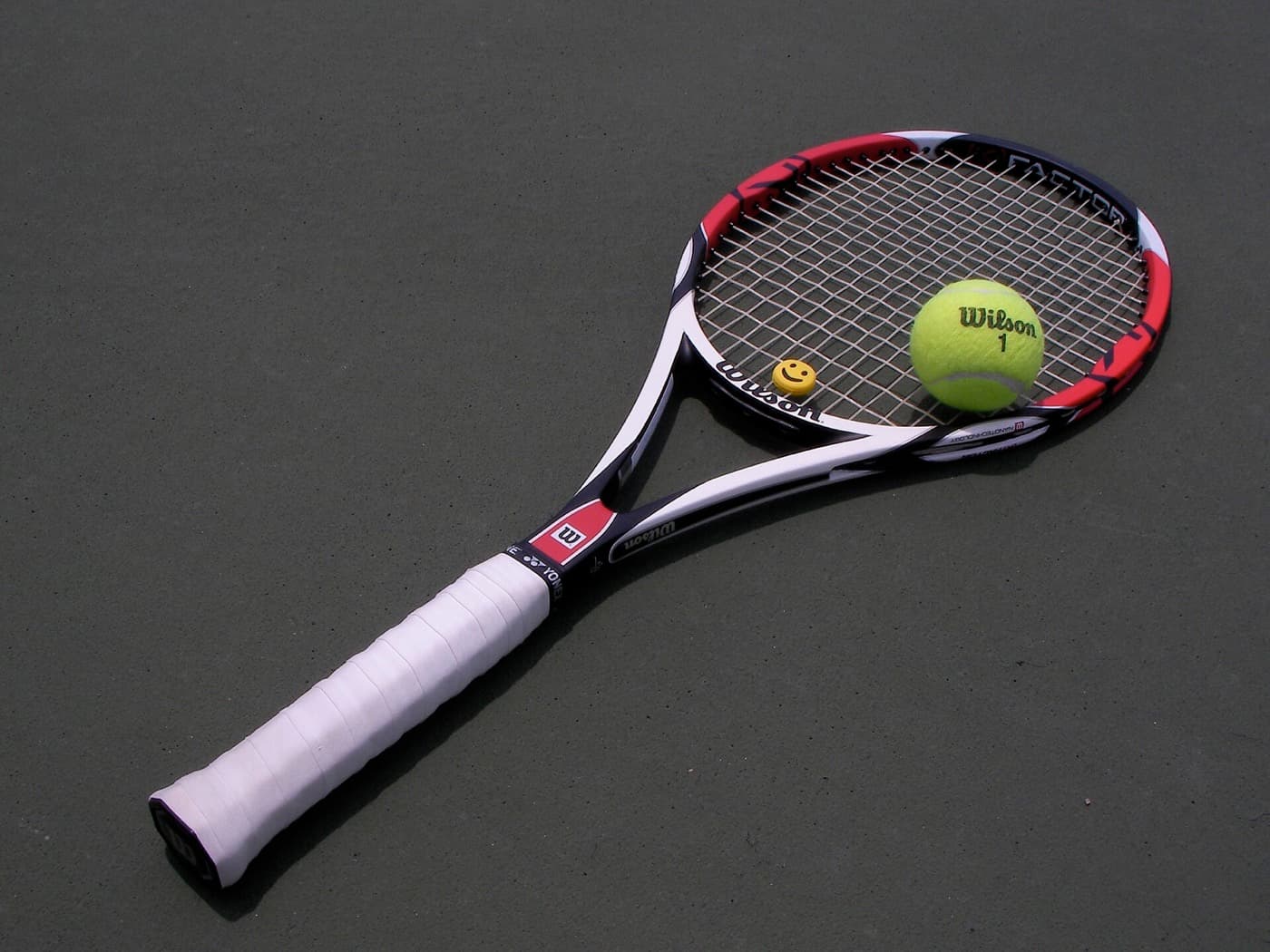
A singles or doubles racquet sport that blends agility, strategy and stamina on court.
Badminton
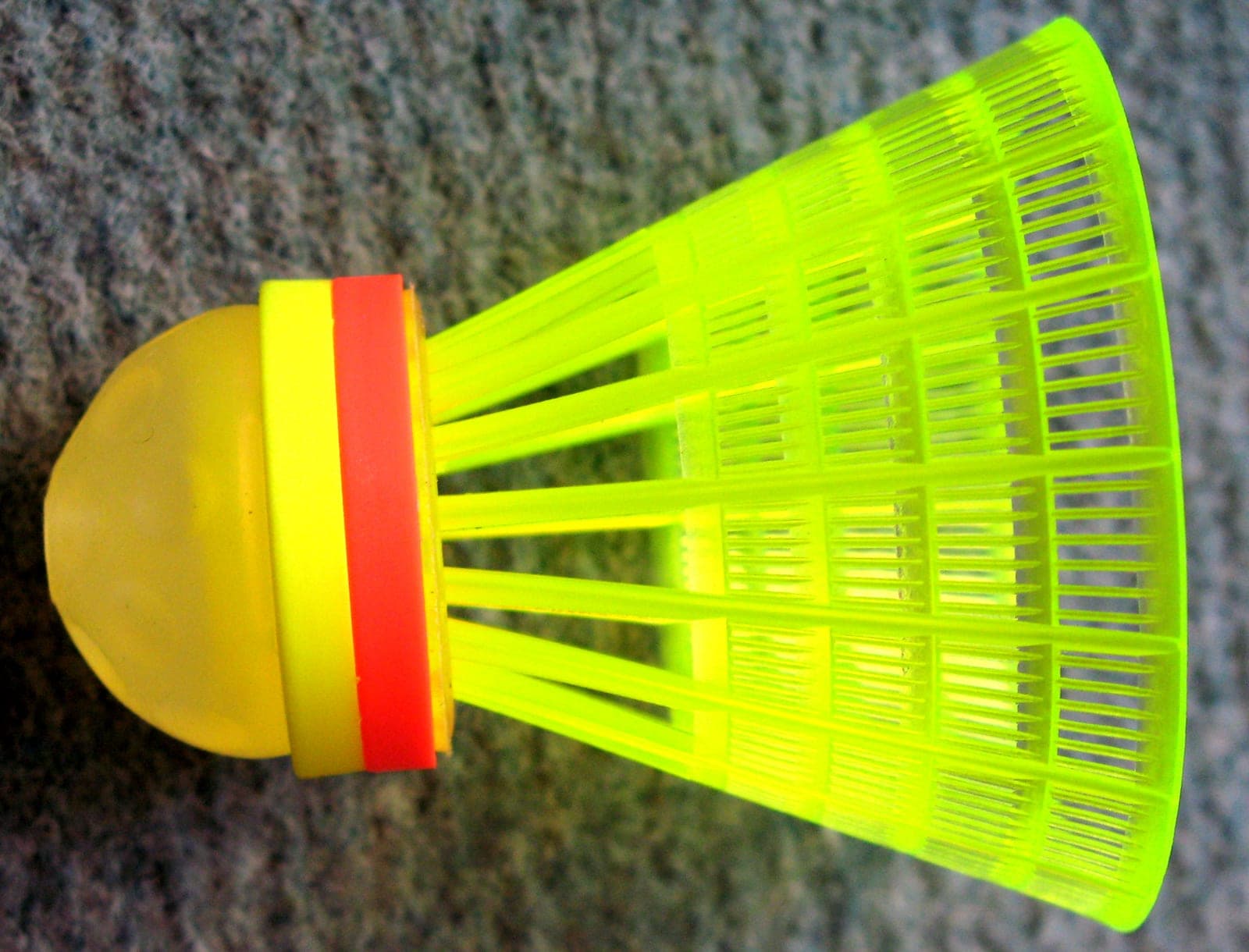
A fast indoor racquet sport played with a shuttlecock that rewards agility and touch.
Frequently asked questions
What is a decision-making session?
It is a session that focuses on choosing the right option under pressure — reading the situation, not just executing a skill — usually through games or scenarios that create frequent, realistic choices. The exact approach varies by sport, level and coach, so this is a general idea rather than a fixed method, and a qualified coach can tailor it to a player.
Explore across the knowledge base
Follow the threads that connect Decision-making session to the rest of SocialSportHub.
Coaching concepts
- Decision-Making PracticeTraining athletes to read cues and choose the right action under pressure — coupling perception to action, not just rehearsing physical technique in isolation.
- Constraints-Led PracticeA coaching approach that adjusts the task, environment or rules so a desired movement or decision emerges in practice, rather than being explicitly instructed.
- Deliberate PracticeFocused, effortful practice that targets a specific weakness with full attention and immediate feedback — not just repeating what you already do well.
- Session StructureHow a practice session is organised into phases — warm-up, main focus, game application and cool-down — so time is used well and learning sticks.
Decision making
- Situational awarenessHolding an overall picture of what is happening around you — teammates, opponents, ball, space and the state of the game — and keeping it updated as play unfolds.
- Shot selectionChoosing which shot to play from the options available — weighing the situation, the risk and what you are trying to achieve.
- Time-pressure decisionsChoosing what to do when there is very little time between reading a situation and having to act.
- Option recognitionSeeing what actions are actually available in a moment — the passes, shots or moves on offer — before choosing between them.
- Pass selectionChoosing which pass to play, and to whom, from the options a moment offers — weighing space, risk and what the team is trying to do.
Knowledge Atlas
Skills
How this page is maintained
- Content type
- Session type
- Provenance
- Tier A — evergreen educational
- Verified external sources
- 0
- Content updated
- 2026-07-12
Evergreen, first-party explanation — it makes no claim that needs an external source. How we handle sources and reviews.