
Returning serve
The skill of reading and playing back an opponent’s serve to stay in the rally.
Overview
Returning serve is the receiver’s reply to the delivery that starts a point. Because the server sets the pace and placement, the returner must react quickly, read the flight of the ball or shuttle and put it back into play under control.
A dependable return neutralises the server’s advantage, and in racket sports it is often the difference between a defensive scramble and taking charge of the rally.
Key points
- Read the server’s toss, swing or contact for early cues on direction and spin.
- A ready stance with weight balanced lets you move either way at the last moment.
- Getting the return in play is the priority; depth and placement come next.
- A forehand or backhand can both be used depending on which side the serve arrives.
- Against a fast serve, a shorter, more compact swing is usually more reliable.
Where it’s used
Sports that use returning serve:
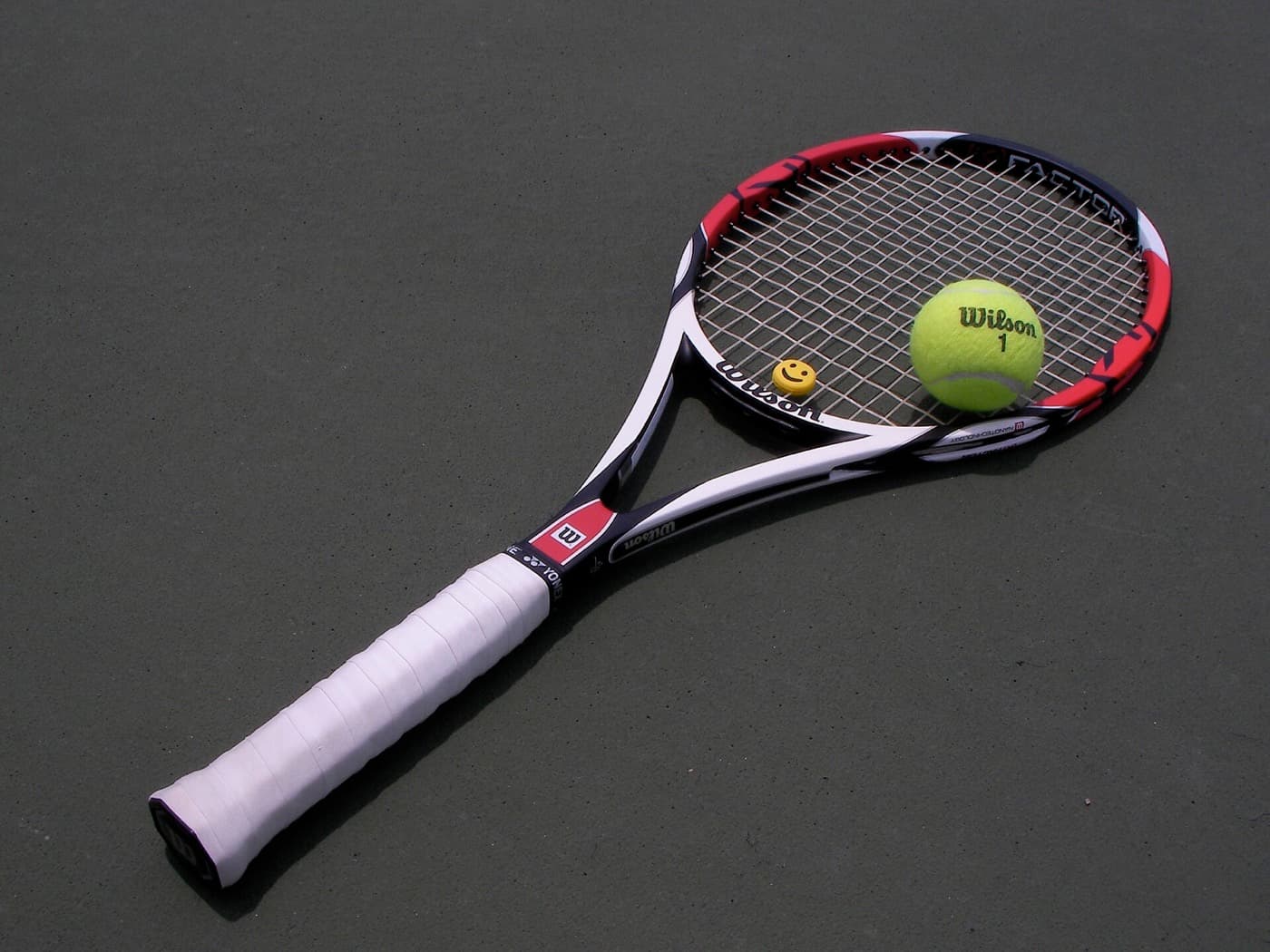
Tennis
A singles or doubles racquet sport that blends agility, strategy and stamina on court.
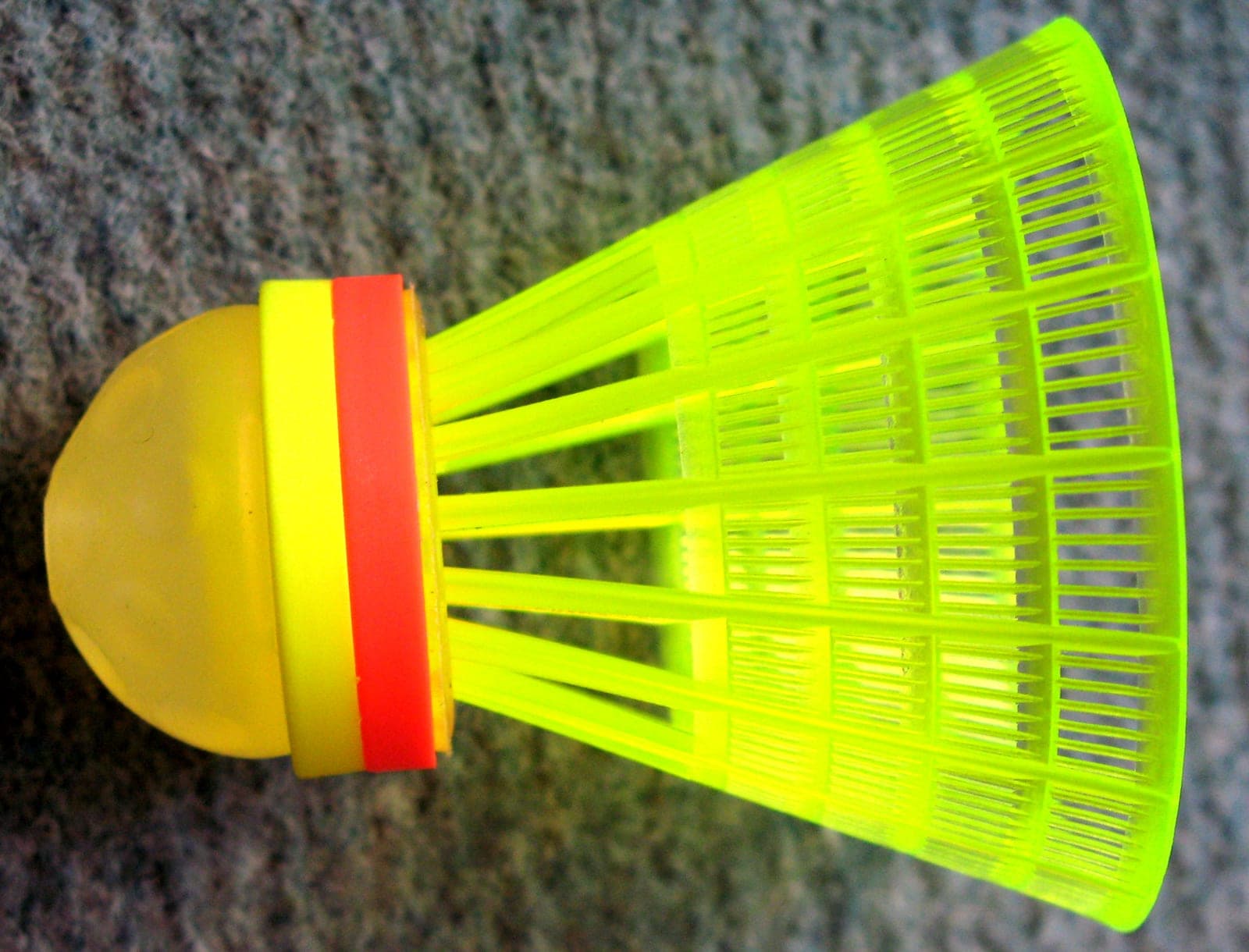
Badminton
A fast indoor racquet sport played with a shuttlecock that rewards agility and touch.
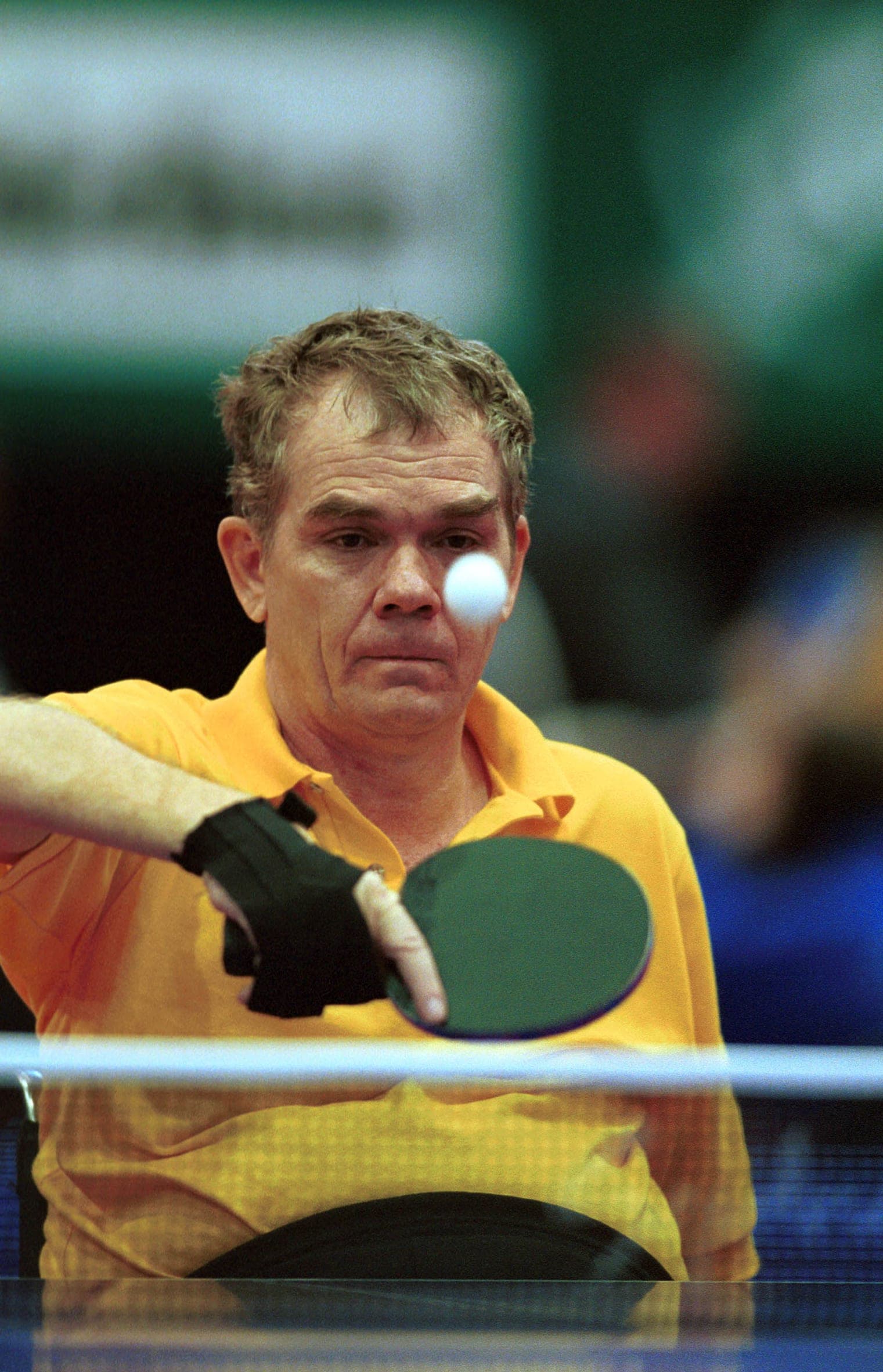
Table Tennis
A fast, low-impact indoor racquet sport that sharpens reflexes and is easy to start.
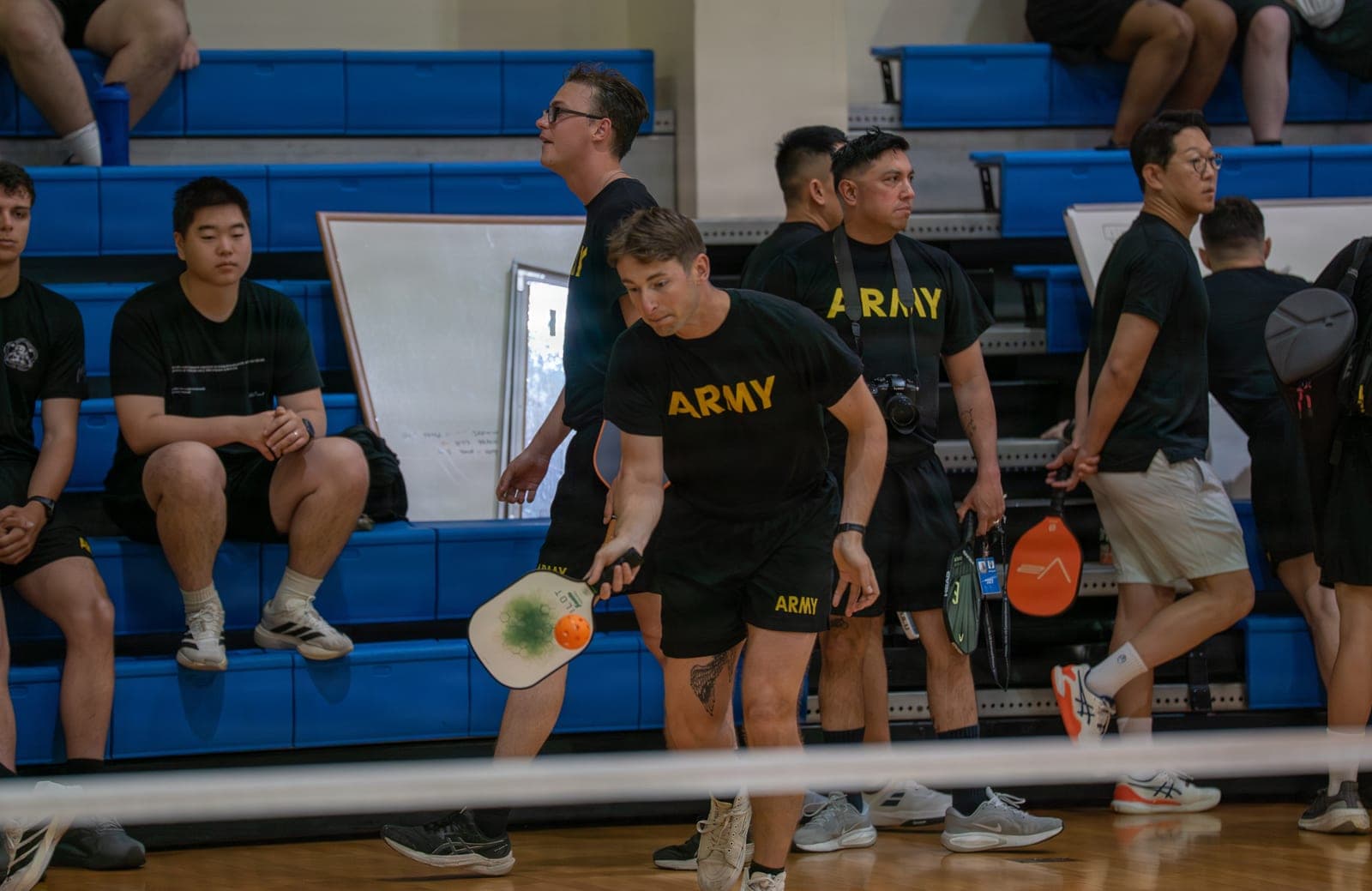
Pickleball
A friendly, easy-to-learn paddle sport played on a small court with a solid paddle and a light, perforated ball.
How it connects
The meaning-bearing relationships that place Returning serve in the wider knowledge graph — each one with the reason it exists.
Progresses to
The next step in a curated learning order.
Progresses from
The step that comes before this one in a curated learning order.
Frequently learned together
Taught side by side in the same stage of a learning path.
- ServingBoth are taught in the “Learn the core skills” stage of the Tennis learning path.
- RallyingBoth are taught in the “Learn the core skills” stage of the Tennis learning path.
- Net playBoth are taught in the “Learn the core skills” stage of the Tennis learning path.
- FootworkBoth are taught in the “Learn the core skills” stage of the Tennis learning path.
Part of
The wider grouping this belongs to.
Explore across the knowledge base
Follow the threads that connect Returning serve to the rest of SocialSportHub.
Skills Academy
Techniques
- The return of serveTennis's most under-coached shot — where to stand against a first and second serve, why blocking beats swinging, and what the Rules allow a returner to do.
- Playing the walls in padelThe skill that separates padel from every other racket sport — reading a rebound off glass, positioning behind the bounce rather than at it, and using your own back wall to attack.
- Badminton ClearAn overhead stroke that sends the shuttlecock high and deep to the opponent's back court, resetting the rally or buying time.
- Tennis ServeThe overhead stroke that starts every point, hit from behind the baseline into the diagonally opposite service box.
- The push and the chopTable tennis's backspin strokes — the short push that stops an opponent attacking, the long push that changes the rally, and the chop that defends from distance.
Learning paths
- Learn TennisA structured, educational learning path for tennis — from the rules to skills, techniques, tactics and training.
- Learn Table TennisA structured, educational learning path for table tennis — from the rules to skills, techniques, tactics and training.
- Learn BadmintonA structured, educational learning path for badminton — from the rules to skills, techniques, tactics and training.
- Learn PickleballA structured, educational learning path for pickleball — from the rules to skills, techniques, tactics and training.
Decision making
- AnticipationForming an expectation of what is likely to happen next, and starting to prepare for it before it does.
- Time-pressure decisionsChoosing what to do when there is very little time between reading a situation and having to act.
- Adapting to conditionsAdjusting your decisions as the conditions around you change — weather, surface, equipment, fatigue or an opponent's style.
- Reading an opponentPicking up an opponent's cues — stance, weight, positioning and habits — to sense what they are likely to do and decide how to respond.
- Positioning choicesDeciding where to place yourself — often before the ball arrives — to cover space, stay ready to act and shape what an opponent can do.
Beginner guides
- Your First Tennis Session: What to ExpectA friendly, honest look at what actually happens at your first tennis session — how it is usually run, what tends to surprise beginners, and how to turn up relaxed and ready to enjoy it.
- Your First Badminton SessionA warm, honest look at what your first time on a badminton court actually feels like — how a beginner session runs, what surprises newcomers about the shuttlecock, and how to enjoy it without worrying about keeping score.
- Your First Informal Game or KickaboutA relaxed kickabout, hit or pick-up game is a genuine way into a sport — you learn by playing, the courtesies are simple, and nobody expects you to be good yet.
Go deeper with Returning serve
Everywhere else on the platform that covers Returning serve — assembled from what actually references it, so nothing here is a dead end.
Learn it
Structured courses and paths on the platform that cover this directly.
- Tennis courseTeaches Returning serve in its “Learn the core skills” stage.
- Table Tennis courseTeaches Returning serve in its “Learn the core skills” stage.
- Badminton courseTeaches Returning serve in its “Learn the core skills” stage.
- Pickleball courseTeaches Returning serve in its “Learn the core skills” stage.
How this page is maintained
- Content type
- Skill
- Provenance
- Tier A — evergreen educational
- Verified external sources
- 0
- Content updated
- 2026-09-12
Evergreen, first-party explanation — it makes no claim that needs an external source. How we handle sources and reviews.