
Rallying
The skill of exchanging shots back and forth to build and win a point.
Overview
A rally is the continuous exchange of shots between players after the serve until the point ends. Rallying well means keeping the ball or shuttle in play, moving your opponent around and waiting for the chance to attack.
Good rallying blends consistency, court movement and shot selection: the aim is not always to hit a winner, but to construct a point that draws an error or opens up space.
Key points
- The rally continues until the ball or shuttle is out, hits the net illegally or is not returned.
- Forehand and backhand groundstrokes are the core shots in most racket-sport rallies.
- Depth and consistency pressure an opponent more than trying to end every point quickly.
- Recovering to a central ready position after each shot keeps you balanced for the next.
- Changing pace, height and angle makes rallies harder for opponents to control.
Where it’s used
Sports that use rallying:
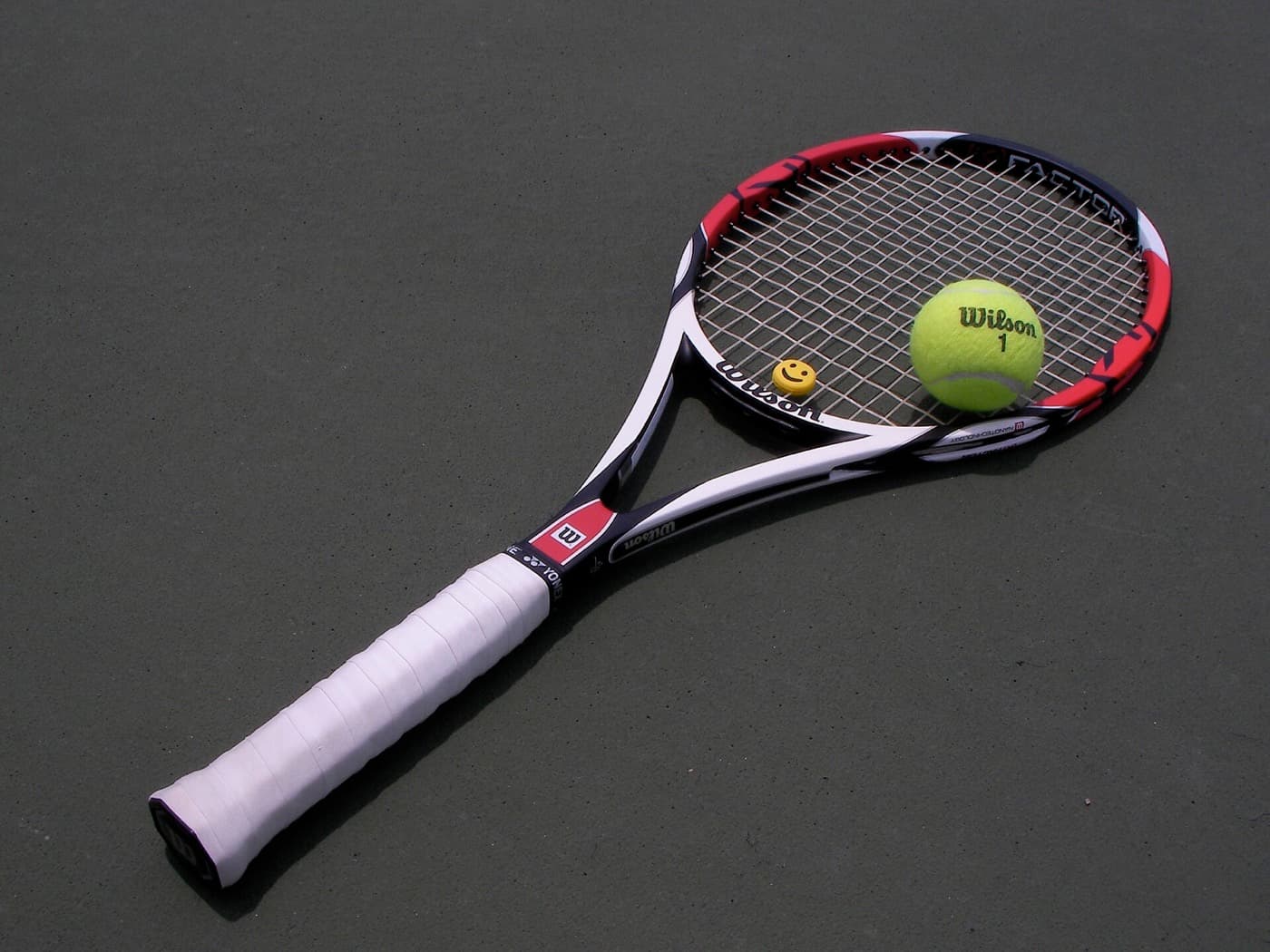
Tennis
A singles or doubles racquet sport that blends agility, strategy and stamina on court.
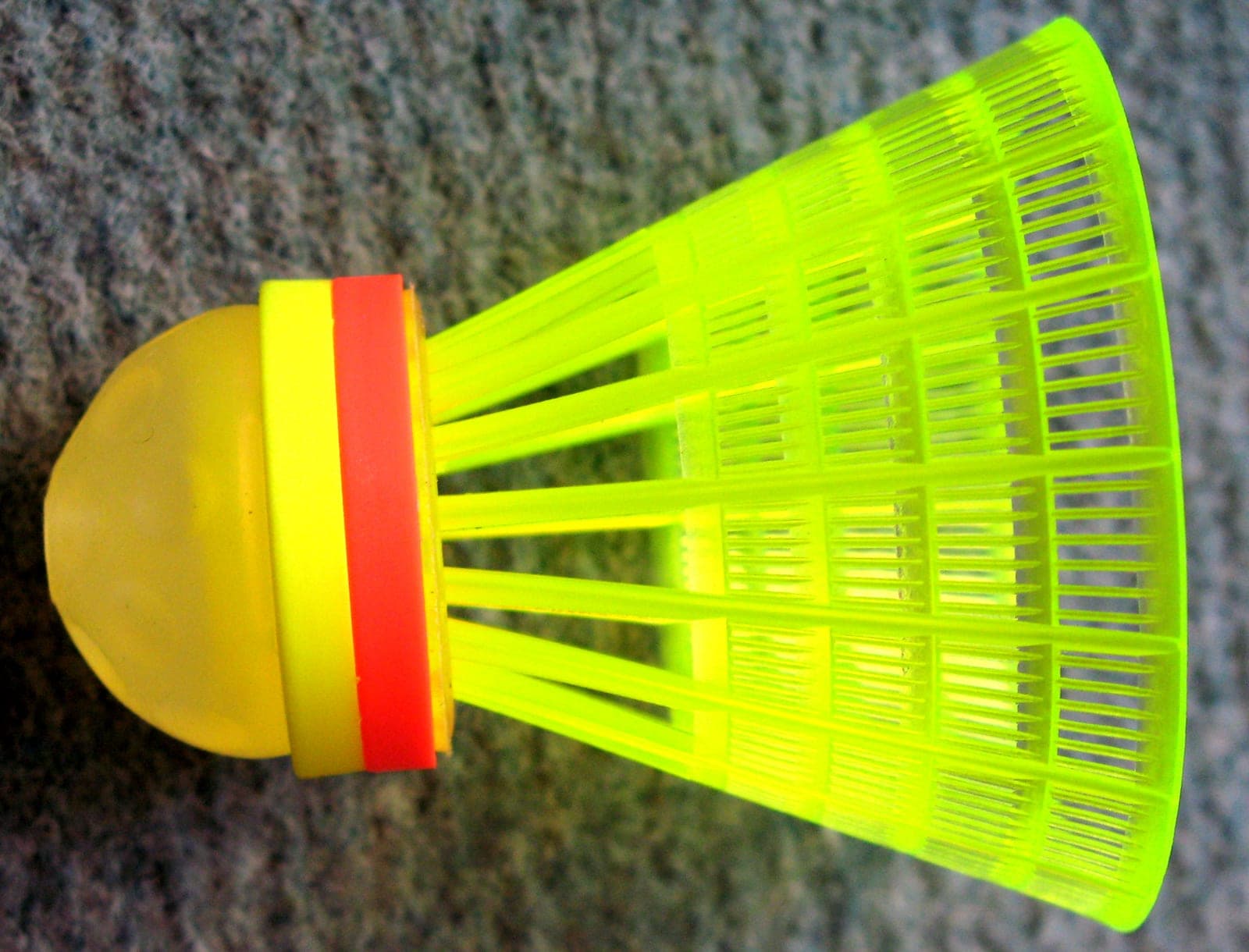
Badminton
A fast indoor racquet sport played with a shuttlecock that rewards agility and touch.
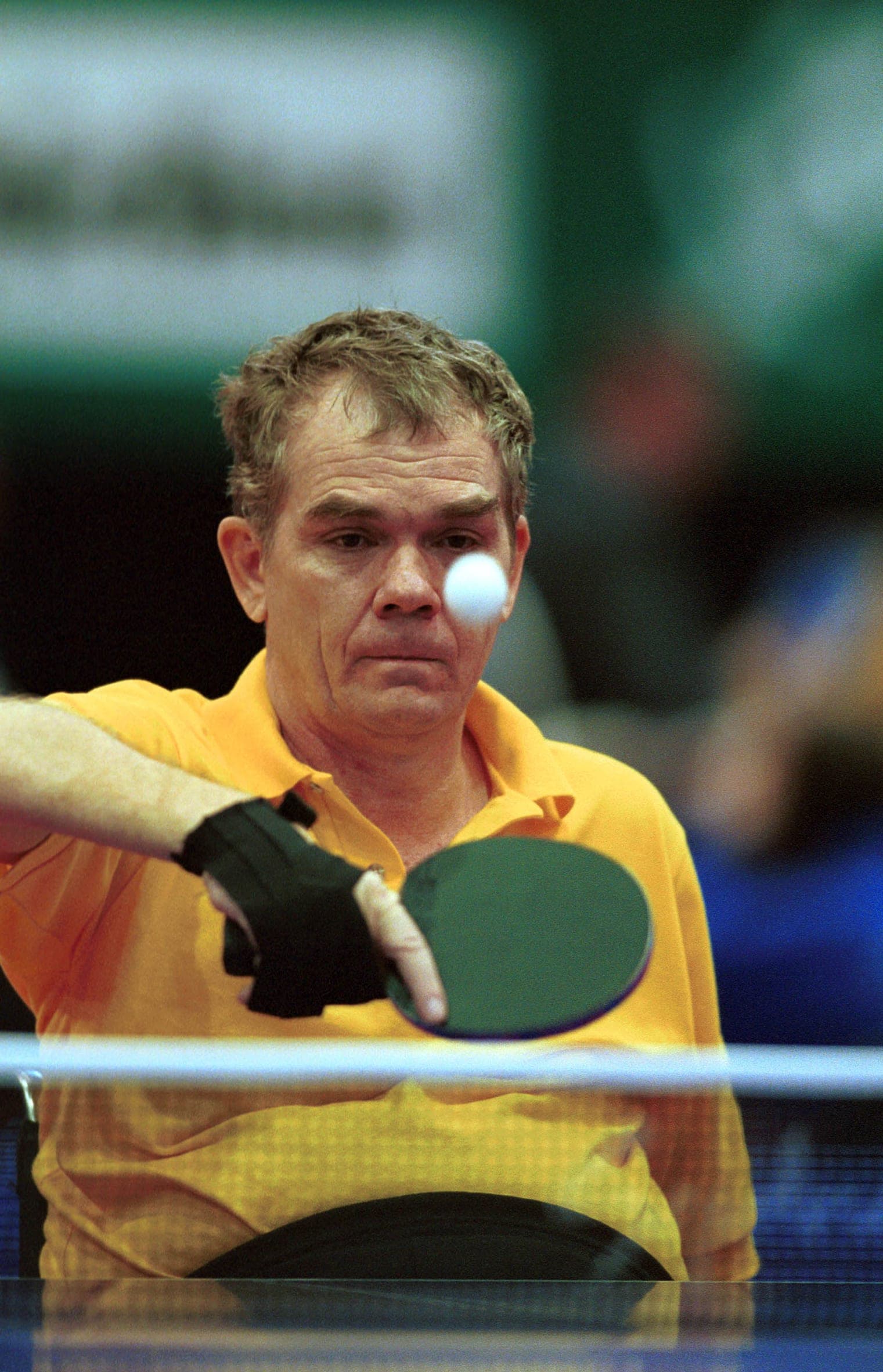
Table Tennis
A fast, low-impact indoor racquet sport that sharpens reflexes and is easy to start.
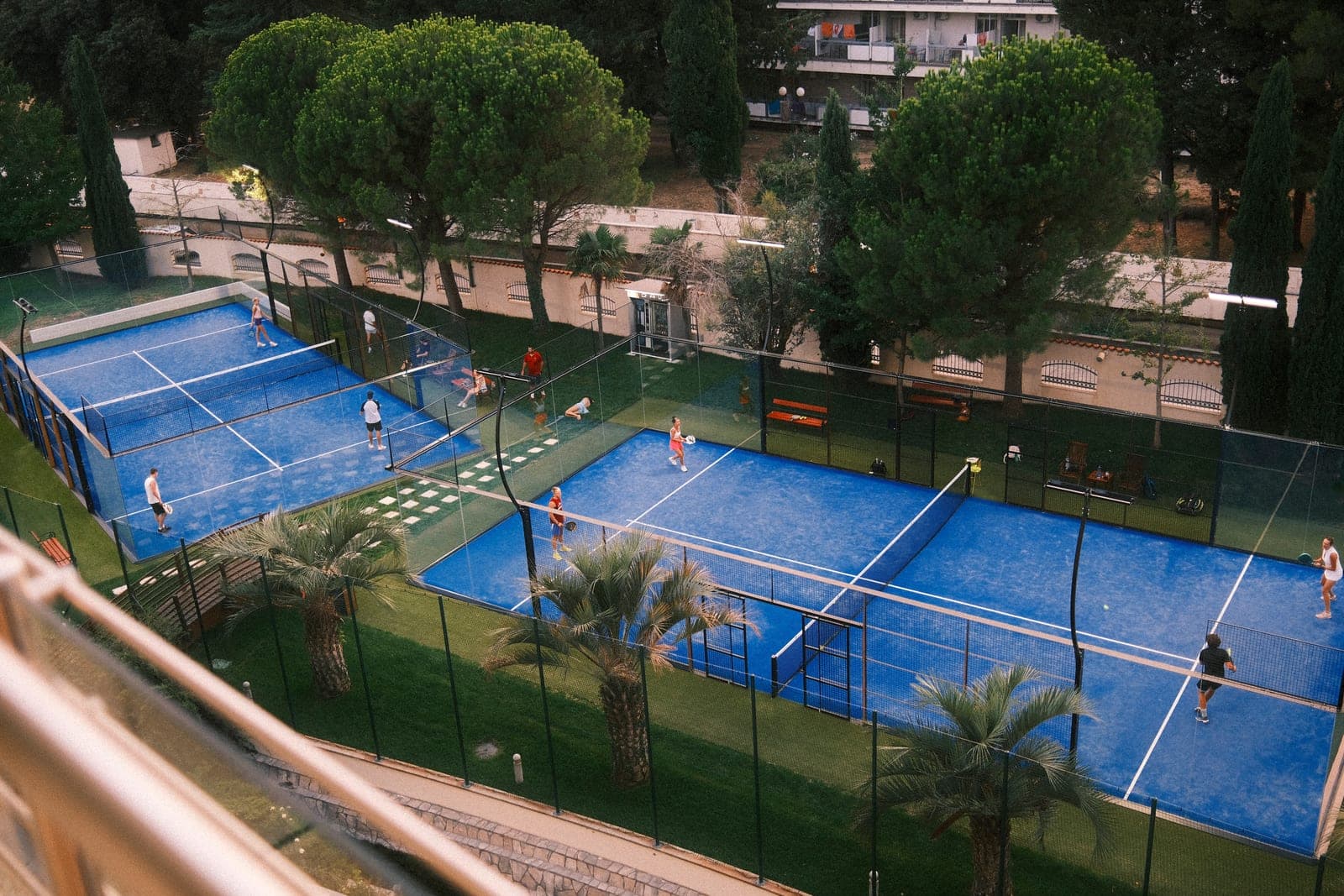
Padel
A sociable, doubles-first racquet sport played in an enclosed court where the walls stay in play.
How it connects
The meaning-bearing relationships that place Rallying in the wider knowledge graph — each one with the reason it exists.
Progresses to
The next step in a curated learning order.
Progresses from
The step that comes before this one in a curated learning order.
Frequently learned together
Taught side by side in the same stage of a learning path.
- ServingBoth are taught in the “Learn the core skills” stage of the Tennis learning path.
- Returning serveBoth are taught in the “Learn the core skills” stage of the Tennis learning path.
- Net playBoth are taught in the “Learn the core skills” stage of the Tennis learning path.
- FootworkBoth are taught in the “Learn the core skills” stage of the Tennis learning path.
Part of
The wider grouping this belongs to.
Explore across the knowledge base
Follow the threads that connect Rallying to the rest of SocialSportHub.
Skills Academy
Techniques
- Topspin ForehandA forehand groundstroke hit with a low-to-high swing that puts forward spin on the ball so it dips and kicks up on landing.
- One-Handed BackhandA backhand groundstroke struck with a single hand on the grip, driving through the ball with a full extension of the hitting arm.
- Table Tennis Forehand DriveA controlled attacking stroke in table tennis, played on the forehand side with a compact swing and light topspin.
- Badminton SmashA powerful, steeply downward overhead stroke that drives the shuttlecock sharply into the opponent's court to win the rally.
- Playing the walls in padelThe skill that separates padel from every other racket sport — reading a rebound off glass, positioning behind the bounce rather than at it, and using your own back wall to attack.
Coaching concepts
- Decision-Making PracticeTraining athletes to read cues and choose the right action under pressure — coupling perception to action, not just rehearsing physical technique in isolation.
- Transfer of TrainingWhether practice carries over to real performance — and why game-like, varied practice tends to transfer better than isolated, repetitive drills.
- Practice VariabilityVarying practice conditions — spacing, interleaving skills and changing situations — to build adaptable, durable skill, even when it feels harder day to day.
Learning paths
- Learn TennisA structured, educational learning path for tennis — from the rules to skills, techniques, tactics and training.
- Learn Table TennisA structured, educational learning path for table tennis — from the rules to skills, techniques, tactics and training.
- Learn PadelA structured, educational learning path for padel — from the rules to skills, techniques, tactics and training.
- Learn BadmintonA structured, educational learning path for badminton — from the rules to skills, techniques, tactics and training.
Go deeper with Rallying
Everywhere else on the platform that covers Rallying — assembled from what actually references it, so nothing here is a dead end.
Learn it
Structured courses and paths on the platform that cover this directly.
How this page is maintained
- Content type
- Skill
- Provenance
- Tier A — evergreen educational
- Verified external sources
- 0
- Content updated
- 2026-09-12
Evergreen, first-party explanation — it makes no claim that needs an external source. How we handle sources and reviews.