
Topspin Forehand
A forehand groundstroke hit with a low-to-high swing that puts forward spin on the ball so it dips and kicks up on landing.
Overview
The topspin forehand is the workhorse groundstroke of modern tennis and other racquet sports. By brushing up the back of the ball, the player adds forward rotation that pulls the ball down inside the court, allowing a hard, high-margin shot that clears the net comfortably.
It is played from the baseline off a ball on the dominant side and combines a coiled body turn, a low-to-high racquet path and a full follow-through across the body.
How to do it
- 1Turn your shoulders and take the racquet back as you read the ball.
- 2Set your feet and drop the racquet head below the height of the incoming ball.
- 3Swing from low to high, brushing up the back of the ball at contact out in front of your body.
- 4Rotate your hips and shoulders through the shot.
- 5Finish with the racquet up and across, over the opposite shoulder.
Key points
- The low-to-high swing path is what creates the topspin.
- A full shoulder turn stores energy that the swing releases into the ball.
- Contact happens out in front, roughly level with the leading hip.
Where it’s used
Sports that use topspin forehand:
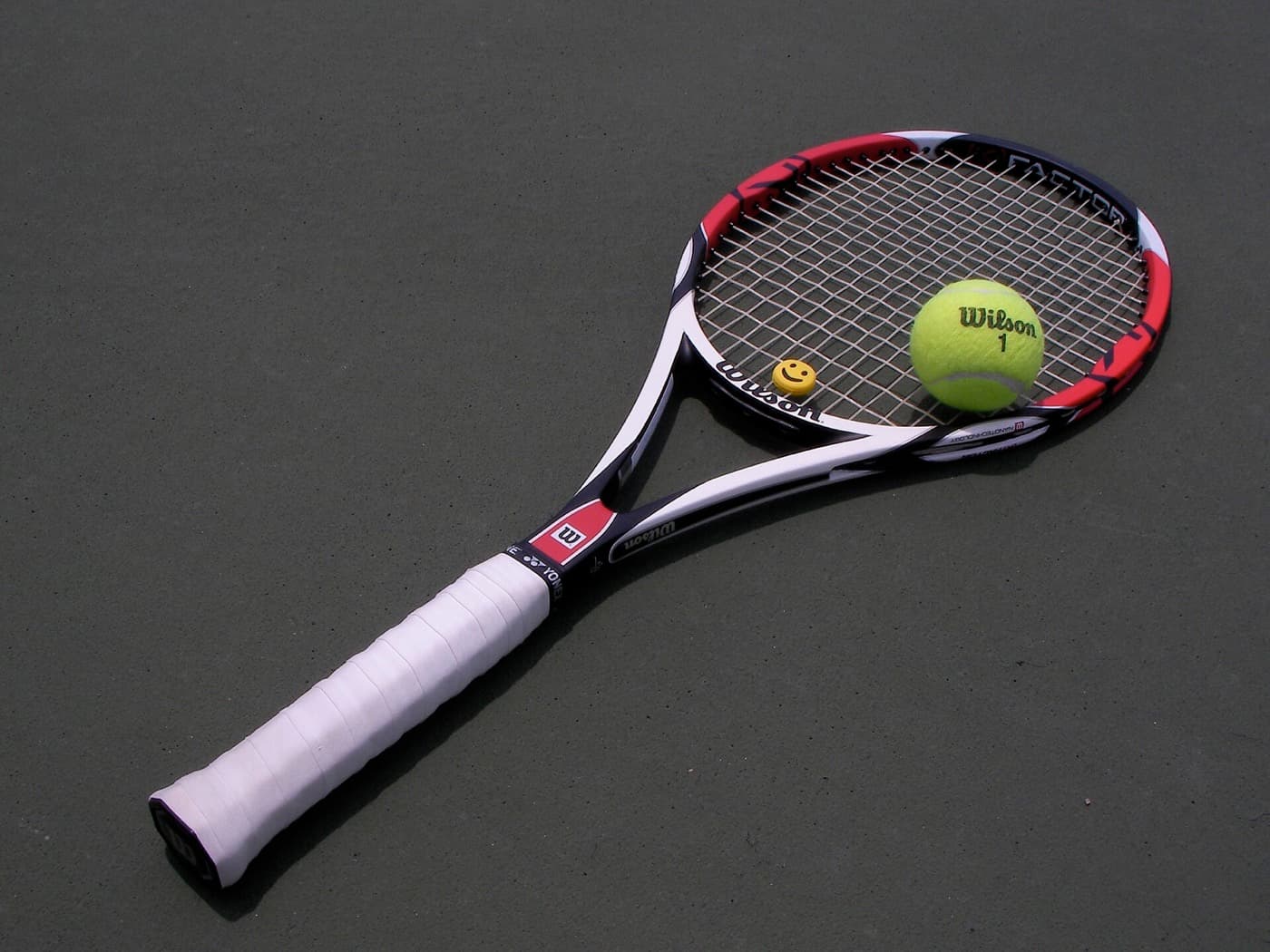
Tennis
A singles or doubles racquet sport that blends agility, strategy and stamina on court.
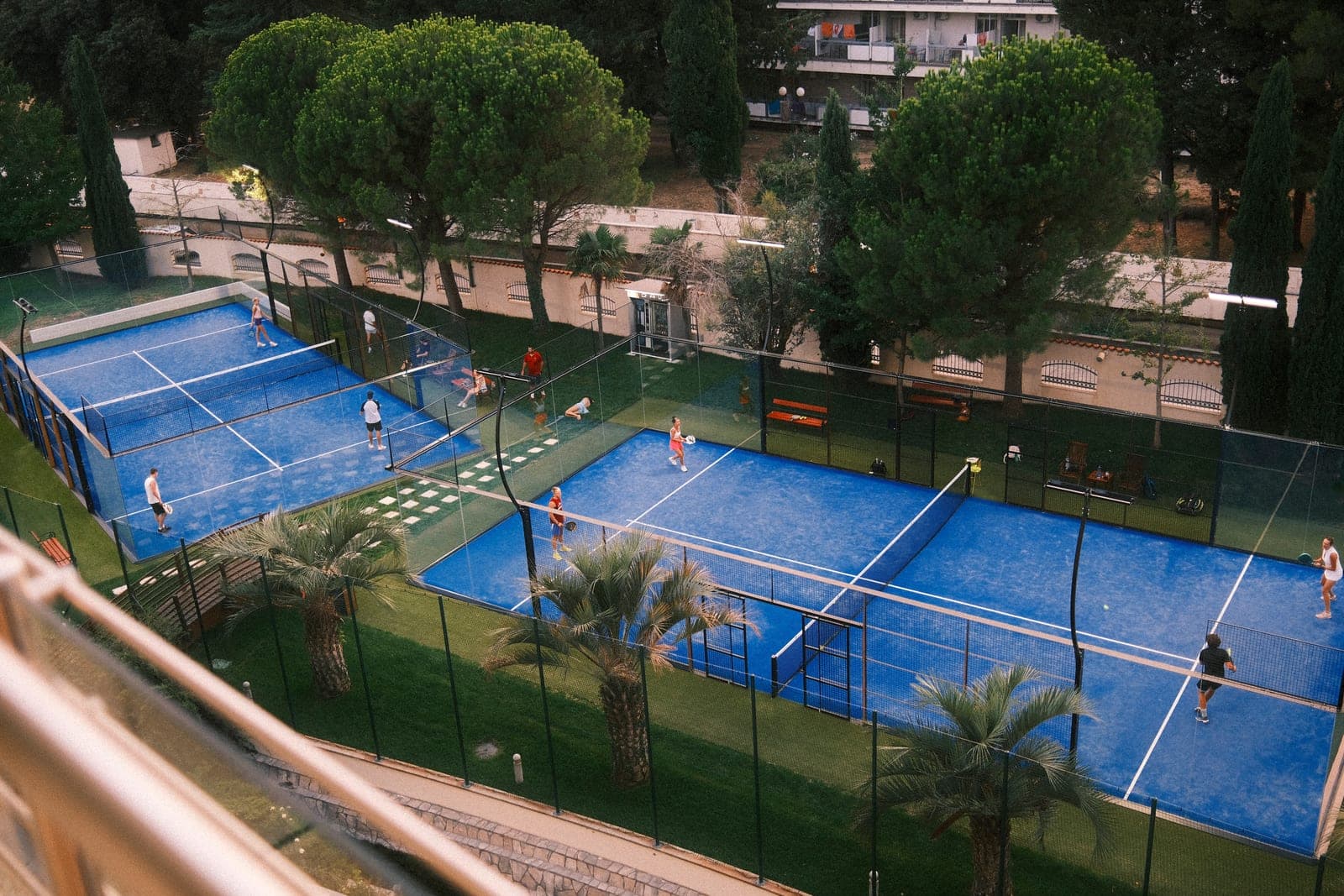
Padel
A sociable, doubles-first racquet sport played in an enclosed court where the walls stay in play.
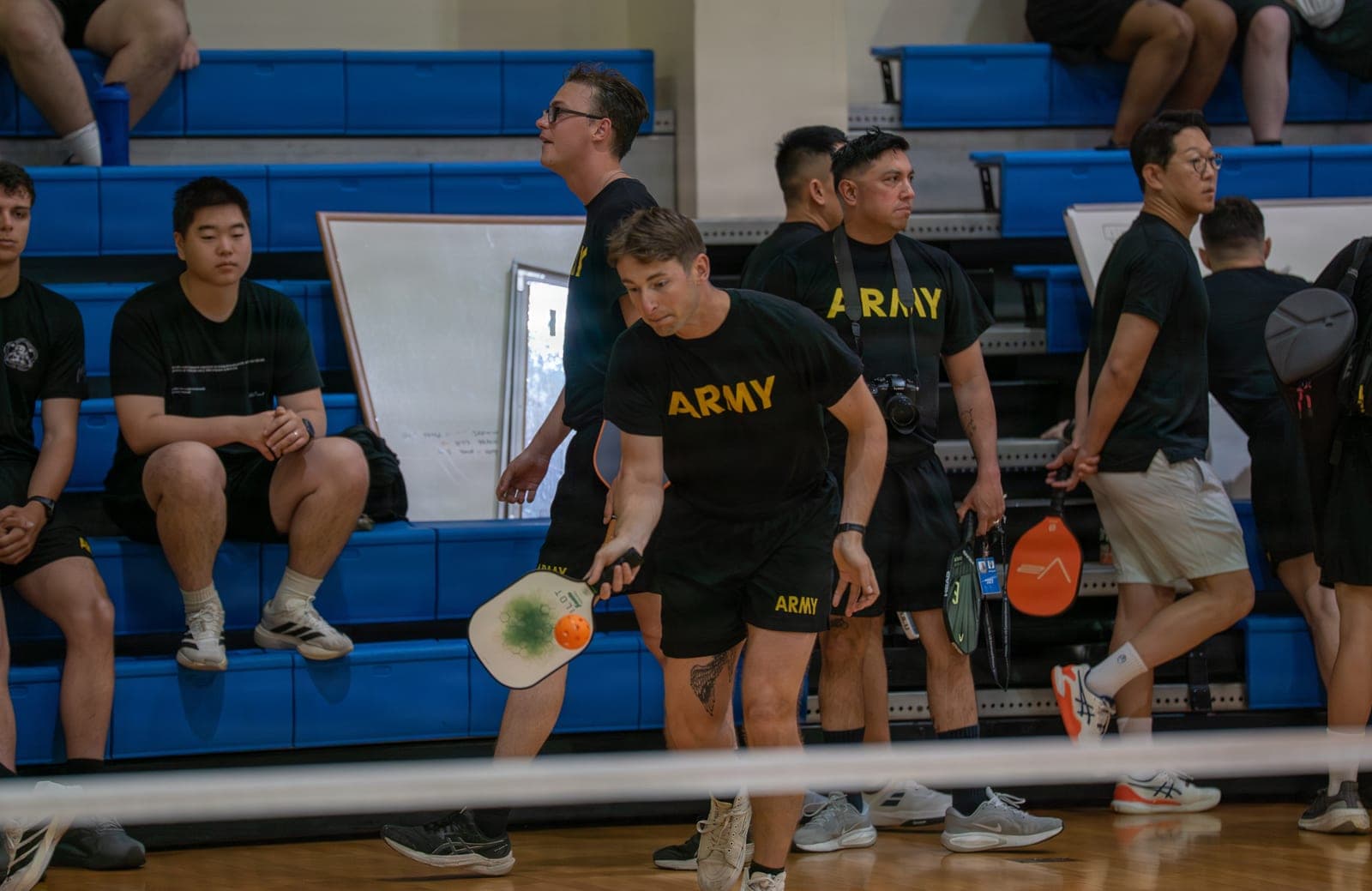
Pickleball
A friendly, easy-to-learn paddle sport played on a small court with a solid paddle and a light, perforated ball.
Related techniques
One-Handed Backhand
A backhand groundstroke struck with a single hand on the grip, driving through the ball with a full extension of the hitting arm.
Tennis Serve
The overhead stroke that starts every point, hit from behind the baseline into the diagonally opposite service box.
Volley
A shot played near the net by blocking the ball out of the air before it bounces, using a short, firm punch rather than a full swing.
How it connects
The meaning-bearing relationships that place Topspin Forehand in the wider knowledge graph — each one with the reason it exists.
Alternative to
Comparable enough that people choose between them.
Frequently learned together
Taught side by side in the same stage of a learning path.
- One-Handed BackhandBoth are taught in the “Build your technique” stage of the Tennis learning path.
- Tennis ServeBoth are taught in the “Build your technique” stage of the Tennis learning path.
- VolleyBoth are taught in the “Build your technique” stage of the Tennis learning path.
- Flat, slice and kick servesBoth are taught in the “Build your technique” stage of the Tennis learning path.
- The return of serveBoth are taught in the “Build your technique” stage of the Tennis learning path.
Explore across the knowledge base
Follow the threads that connect Topspin Forehand to the rest of SocialSportHub.
Playing surfaces
- ClayA soft, granular racquet-sport surface of crushed brick, stone or shale that slows the ball, gives a high bounce and lets players slide into shots.
- GrassNatural turf grown on soil — the traditional surface for many field sports and, in tennis, a fast court with a low, skiddy bounce.
- Hard courtA rigid acrylic, concrete or asphalt court that gives a true, consistent, medium-paced bounce — the standard multi-use outdoor surface.
Movement patterns
- RotationRotating the trunk to generate and transfer power through the body's kinetic chain, plus anti-rotation — resisting unwanted twist to keep the trunk stable.
- StrikeA ballistic, whole-body hitting action that channels ground-generated force through a proximal-to-distal kinetic chain to deliver momentum to a target via the hand, an implement or a body part at the moment of contact.
- KickA ballistic single-support leg swing that whips force from the plant foot through the hip and knee to strike or propel a ball or target with the foot, distinct from the weight-bearing steps of locomotion.
Skills
Tactics
- Baseline playA patient tennis style built around rallying from the back of the court and constructing points with groundstrokes.
- Approaching the netHow a point is moved forward — which balls justify an approach, why the approach is hit down the line, and the transition volley that has to be played from no-man's land.
Equipment
- Tennis racquetA strung frame with a handle, used to hit the ball in tennis. Head size, weight and balance vary to suit different playing styles.
- Tennis ballA hollow rubber ball covered in felt used in tennis and related racquet sports.
- Table tennis batA small wooden blade covered with rubber used to hit the ball in table tennis.
- Pickleball paddleA solid, flat paddle used to hit the perforated plastic ball in pickleball.
Go deeper with Topspin Forehand
Everywhere else on the platform that covers Topspin Forehand — assembled from what actually references it, so nothing here is a dead end.
Learn it
Structured courses and paths on the platform that cover this directly.
Take it away
Open data and the whole-platform view of this subject.
How this page is maintained
- Content type
- Technique
- Provenance
- Tier A — evergreen educational
- Verified external sources
- 0
- Content updated
- 2026-09-12
Evergreen, first-party explanation — it makes no claim that needs an external source. How we handle sources and reviews.