
Pickleball
Small court, low net, easy to love
.jpg)
Overview
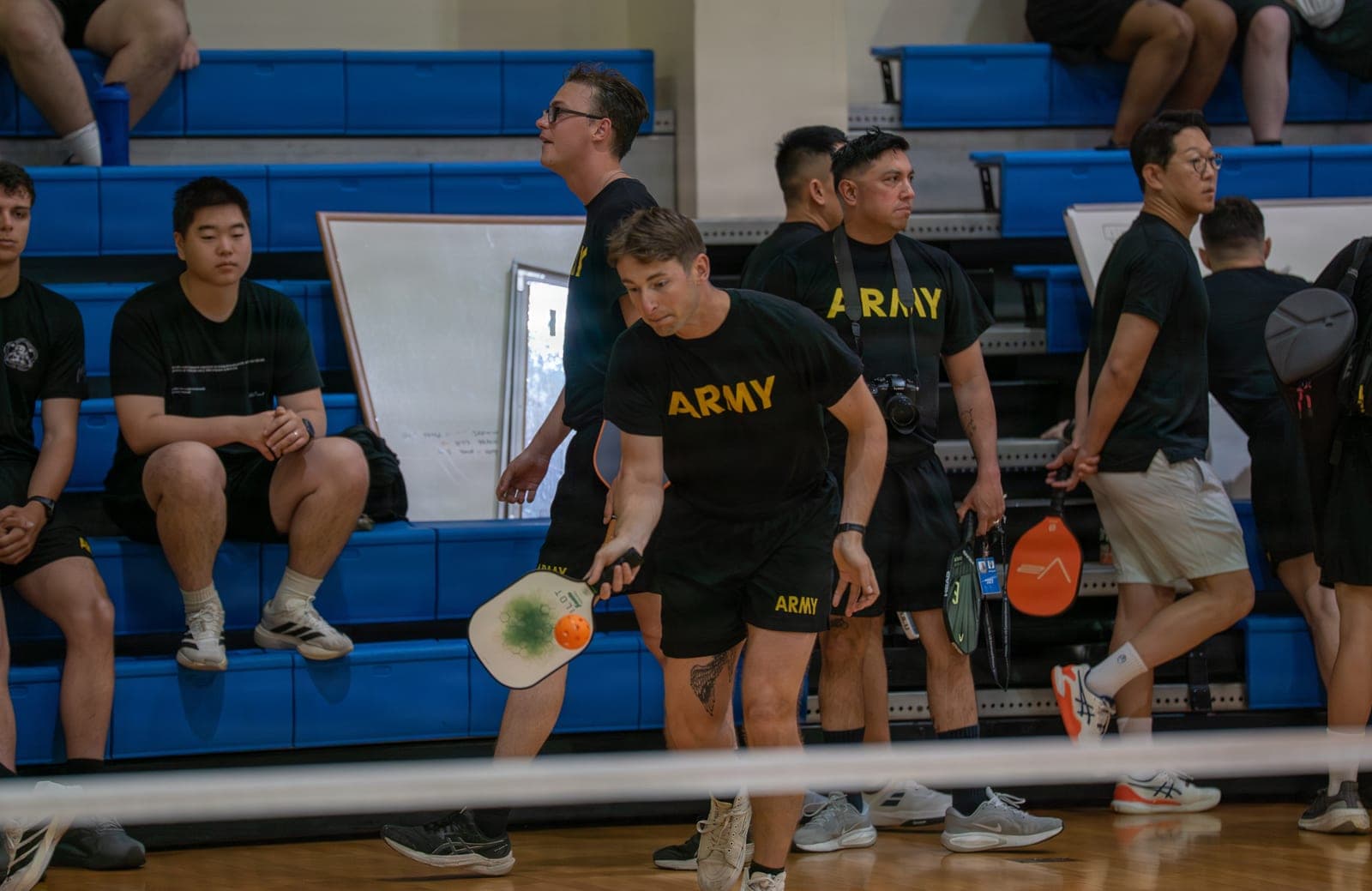
Pickleball is played on a small court with solid paddles and a light, perforated plastic ball hit over a low net. It borrows ideas from tennis, badminton and table tennis, and is most often played as doubles, though singles is popular too. A no-volley zone near the net keeps points tactical rather than purely powerful.
The compact court, slower ball and simple scoring make it one of the easiest racquet sports to pick up, and rallies can start within minutes. It suits a very wide range of ages and abilities, which is a big part of its friendly, sociable appeal.
Why pickleball is good for your health
- Keeps you moving with steady, sustainable rallies
- Builds coordination, balance and light footwork
- Sharpens reactions and hand–eye coordination
- Adaptable intensity that suits many ages and fitness levels
The social side
- Doubles is inherently social and welcoming to newcomers
- Easy scoring and a small court make mixed-ability games fun
- A fast-growing club and community scene helps you find partners
How to start as a beginner
- 1Start with doubles so the court is shared and rallies last longer
- 2Learn the underarm serve and keep the ball in play over power
- 3Get used to the no-volley zone near the net
- 4Look for a local drop-in or beginner session to meet other players
Equipment you’ll need
- Pickleball paddleEssentialSolid and lightweight — often available to borrow
- PickleballEssentialA light, perforated plastic ball
- Court shoesEssentialFor quick, safe changes of direction
- Comfortable sportswearOptional
Where to play
Pickleball is typically played at:
Explore clubs and venues to understand the different places you can play, or see how to find people to play with.
Playing Pickleball
The equipment, rules, skills and more that make up the game — each cross-linked into the encyclopedia.
Related sports to explore
If you enjoy Pickleball, you might also like these.
Padel
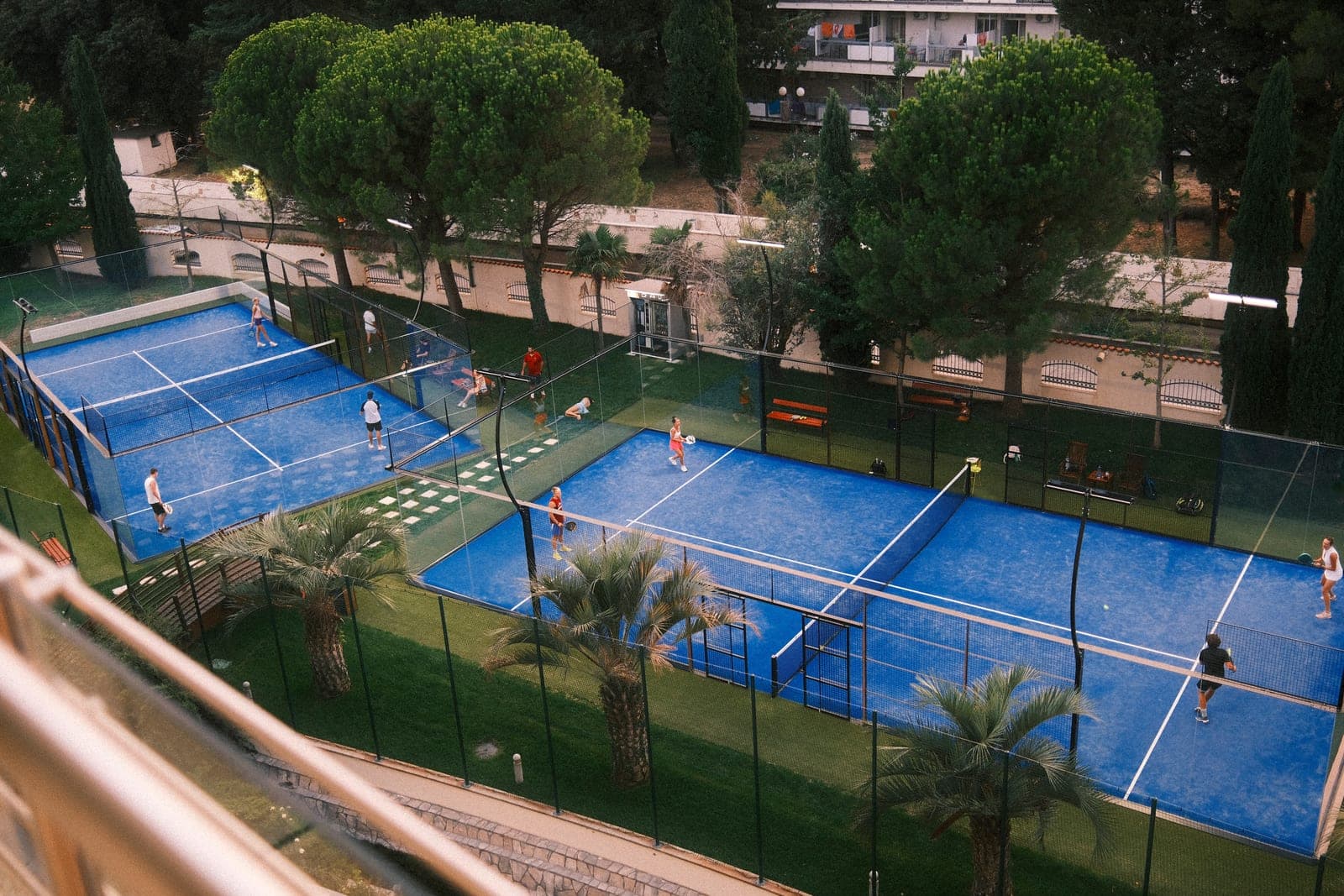
A sociable, doubles-first racquet sport played in an enclosed court where the walls stay in play.
POP Tennis
A friendly, easy-to-learn racquet sport on a smaller court with solid paddles and a lower net.
Tennis
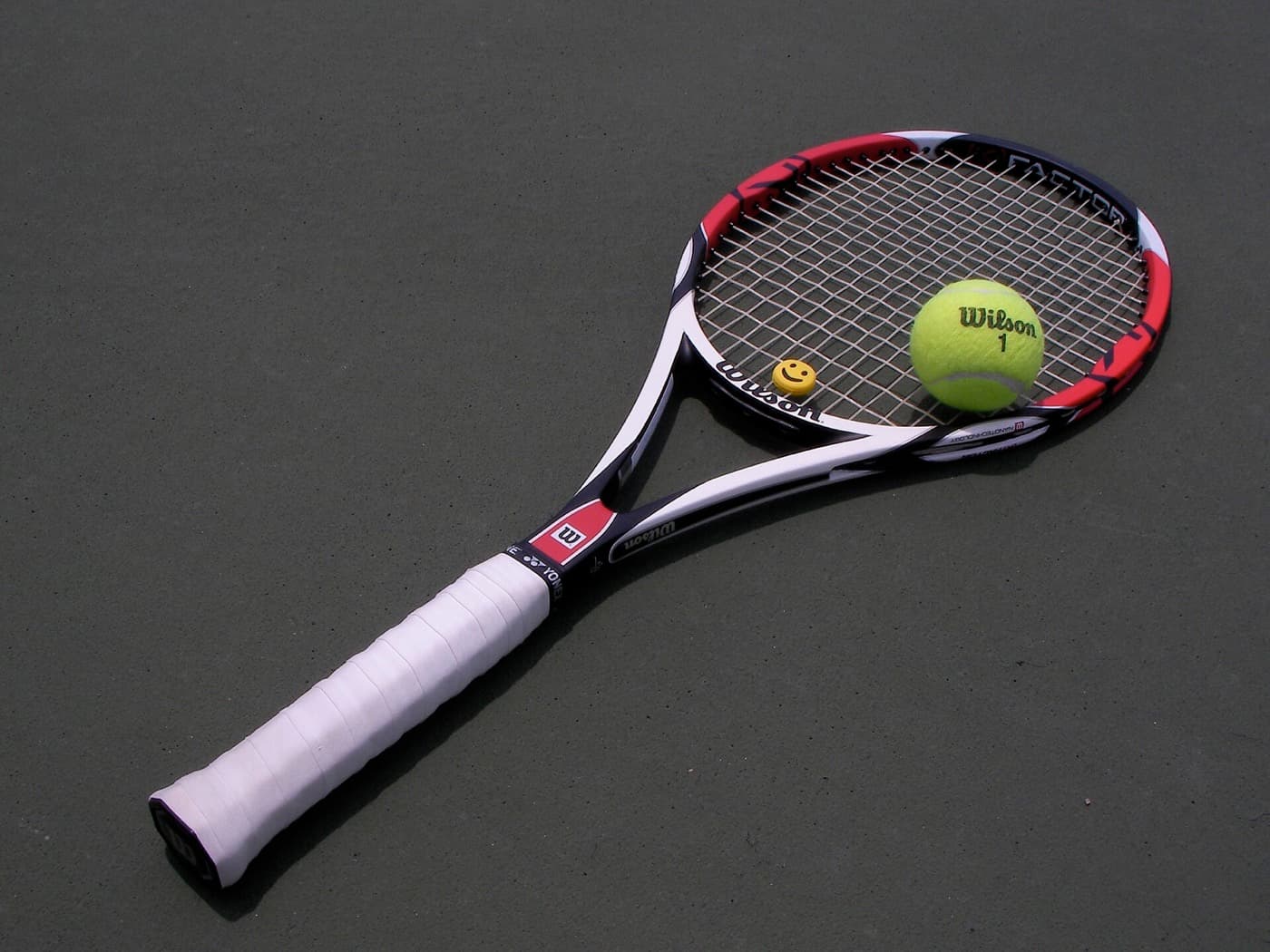
A singles or doubles racquet sport that blends agility, strategy and stamina on court.
Badminton
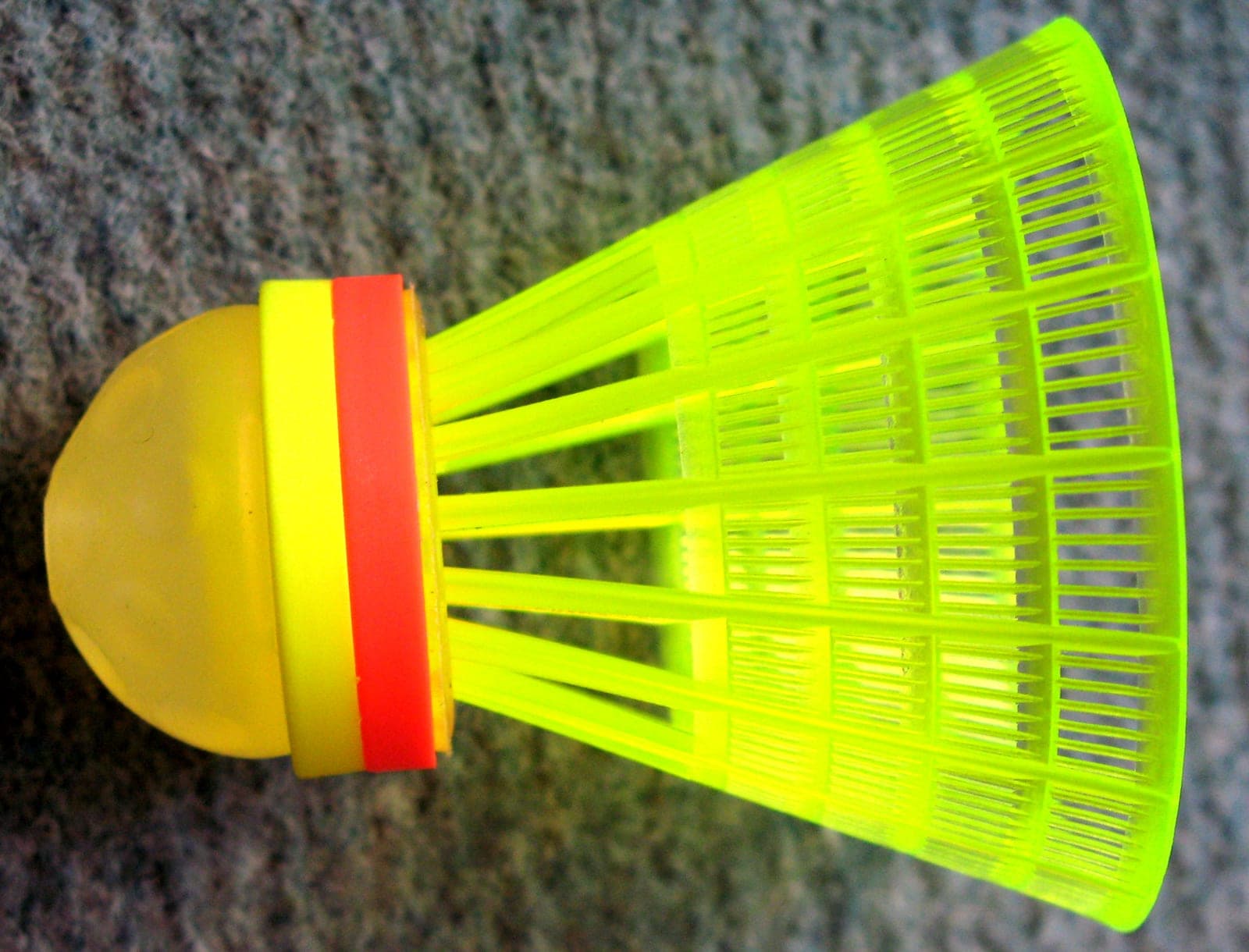
A fast indoor racquet sport played with a shuttlecock that rewards agility and touch.
Compare Pickleball with…
Deciding between Pickleball and something similar? See how they line up side by side.
Badminton vs Pickleball
How they compare on difficulty, intensity, kit and what suits you.
Beach Tennis vs Pickleball
How they compare on difficulty, intensity, kit and what suits you.
Padel vs Pickleball
How they compare on difficulty, intensity, kit and what suits you.
Pickleball vs POP Tennis
How they compare on difficulty, intensity, kit and what suits you.
Pickleball vs Tennis
How they compare on difficulty, intensity, kit and what suits you.
Reach your goals with Pickleball
People take up Pickleball for all kinds of reasons. Here is what it can help you work towards.
Who & where Pickleball fits
Sport should fit your life. Here is who Pickleball suits and when it works.
How it connects
The meaning-bearing relationships that place Pickleball in the wider knowledge graph — each one with the reason it exists.
Alternative to
Comparable enough that people choose between them.
- BadmintonPickleball and Badminton are close enough that the platform maintains a side-by-side comparison of them.
- Beach TennisPickleball and Beach Tennis are close enough that the platform maintains a side-by-side comparison of them.
- PadelPickleball and Padel are close enough that the platform maintains a side-by-side comparison of them.
- POP TennisPickleball and POP Tennis are close enough that the platform maintains a side-by-side comparison of them.
- TennisPickleball and Tennis are close enough that the platform maintains a side-by-side comparison of them.
Helps achieve
A recognised route towards these goals.
Explore across the knowledge base
Follow the threads that connect Pickleball to the rest of SocialSportHub.
Learning paths
- Learn PickleballA structured, educational learning path for pickleball — from the rules to skills, techniques, tactics and training.
- Learn TennisA structured, educational learning path for tennis — from the rules to skills, techniques, tactics and training.
- Learn FootballA structured, educational learning path for football — from the rules to skills, techniques, tactics and training.
- Learn RunningA structured, educational learning path for running — from the rules to skills, techniques, tactics and training.
- Learn BasketballA structured, educational learning path for basketball — from the rules to skills, techniques, tactics and training.
Glossary
- AceA serve that the receiver fails to touch, winning the point outright for the server.
- BaselineThe line marking the back boundary of a court, running parallel to the net or end wall.
- Drop shotA softly played shot designed to land just over the net, forcing the opponent to rush forward.
- LobA shot hit high over an opponent, sending the ball or shuttlecock deep toward the back of the court.
- Service boxThe marked rectangular area a serve must land in to be valid. Each side has two, and serves are delivered into the diagonally opposite one.
Recommendations
- Recommended for “Sports for beginners”Sports, qualities, a learning path and first steps for “Sports for beginners” — every suggestion a real graph link, shown with its reason.
- Recommended for “Social activities”Sports, qualities, a learning path and first steps for “Social activities” — every suggestion a real graph link, shown with its reason.
Beginner guides
- How to Choose a Sport as a BeginnerA calm, practical way to pick a first sport that fits your interests, your body, your budget and your life — with full permission to try a few and change your mind.
- Playing Alone or With Others: Which to Start WithA friendly, honest look at the trade-offs of starting a sport on your own versus alongside other people — and why, for most sports, you don't really have to pick just one.
- Your First Informal Game or KickaboutA relaxed kickabout, hit or pick-up game is a genuine way into a sport — you learn by playing, the courtesies are simple, and nobody expects you to be good yet.
- Your first basketball sessionA first basketball session is a friendly, fast-moving introduction to handling the ball, moving your feet and sharing simple play with others — no experience or prior skill needed.
Go deeper with Pickleball
Everywhere else on the platform that covers Pickleball — assembled from what actually references it, so nothing here is a dead end.
Learn it
Structured courses and paths on the platform that cover this directly.
Work it out
Deterministic calculators — real published formulas, no estimates dressed as data.
See it
Diagrams and step-through visualisations drawn for this subject.
Compare it
Head-to-head studies against the entities people actually weigh it against.
- Pickleball vs BadmintonSide by side on the qualities that differ.
- Pickleball vs Beach TennisSide by side on the qualities that differ.
- Pickleball vs PadelSide by side on the qualities that differ.
- Pickleball vs POP TennisSide by side on the qualities that differ.
- Pickleball vs TennisSide by side on the qualities that differ.
Kit it out
Equipment guidance drawn from the graph, with no brands and no affiliate links.
Take it away
Open data and the whole-platform view of this subject.
How this page is maintained
- Content type
- Sport
- Provenance
- Tier A — evergreen educational
- Verified external sources
- 0
- Content updated
- 2026-07-06
Evergreen, first-party explanation — it makes no claim that needs an external source. How we handle sources and reviews.
Keep going
A sport is most rewarding alongside good habits, sensible nutrition and people to share it with. Here is where to go next.
How movement supports body and mind.
Eat well to feel and perform better.
Build routines that stick.
Ways to meet others and play together.
Where to play and what to expect.
Browse the full list by category.