
How to Choose a Sport as a Beginner
A calm, practical way to pick a first sport that fits your interests, your body, your budget and your life — with full permission to try a few and change your mind.
Choosing a sport can feel like a big decision, but it really doesn't have to be. There is no single "right" sport and no wrong place to start — the most useful first sport is simply one you are curious enough to show up for, in a form that suits your body, your schedule and what you can comfortably spend.
This guide is about getting ready to try, not committing for life. It walks through a few gentle questions to narrow the field, then points you onward to explore options and connect a sport to what you actually want from it. You can revisit any of it as your tastes and circumstances change.
Start with what you enjoy, not what you "should" do
Think about the movement you are already drawn to: walking and being outdoors, the calm of the water, dancing and rhythm, the buzz of a team, or the focus of a solo challenge. A sport you look forward to is one you will keep coming back to, and coming back is what quietly turns a beginner into a regular.
Try not to be swayed only by what is trendy or what someone insists is "good for you". Genuine enjoyment is the strongest sign that you will stay around long enough to find your feet — and if nothing jumps out yet, that is completely fine. Trying things is how you find out.
- Notice which activities make you lose track of time — that is a useful clue.
- Ask whether you are drawn to competing, to building a skill, or just to moving and unwinding.
- It is okay not to know yet; curiosity is enough to get started.
Weigh the practical fit — social, setting, and cost to try
A few practical filters shrink a long list fast. Do you want company or a bit of solitude? Indoors or outdoors? Something you can do close to home with almost no gear, or are you happy to travel to a specialist venue? None of these options is better than another — they are simply about what fits your life right now.
Plenty of sports are light on equipment when you are only trying them out: borrowed or hired kit, shared club gear, or nothing more than comfortable clothes and supportive shoes. Start with a low-commitment version before buying anything, and ask whoever runs a session what is genuinely needed versus merely nice to have.
- Social vs solo: team and group sports build in company; individual sports flex around your own timetable.
- Indoor vs outdoor: weigh up weather, seasons and where you feel most at ease.
- Try before you invest: borrow, hire, or pick a low-gear sport rather than buying kit up front.
Consider your body and comfort — and ask a professional when it matters
Your body's starting point is information, not a verdict. Some sports are gentle on the joints, some are higher impact, and many are built around balance, mobility or steady endurance — and most can be scaled to meet you where you are today rather than where you hope to be later.
If you have a health condition, a past or current injury, are pregnant, or simply are not sure what is wise for you, a doctor or a suitably qualified coach can help you choose and adapt a sport sensibly. Asking is a normal, smart step — never a sign that you are not "sporty enough".
- Match the intensity to how your body feels now, not to a future version of yourself.
- Look for beginner or "come and try" sessions that are designed to expect newcomers.
- If you have any doubt about your health, check with a qualified professional before you begin.
Give yourself permission to sample and switch
You are allowed to try several sports and quietly let go of the ones that do not click. Very few people land on their sport the first time, and sampling a handful teaches you more about your real preferences than any amount of planning. Treat the first few sessions as experiments — the aim is a little insight and a little fun, not a lifelong verdict on day one.
To turn this into next steps, browsing a discovery view can help you compare options side by side, and linking a sport to a goal — feeling healthier, meeting people, learning a new skill, or getting outdoors — keeps your choice tied to why it matters to you. Let that reason guide a short shortlist, then go and try the top of it.
- Give a sport a few honest sessions before deciding; first-day awkwardness is normal for everyone.
- Keep a shortlist of two or three to rotate through rather than forcing one choice.
- Changing your mind is not failing — it is exactly how people find a good fit.
Common questions
- How do I know which sport is right for me?
- There isn't one perfect answer waiting to be uncovered — there is a good-enough starting point that you enjoy and can actually get to. Use your interests, your practical fit (social or solo, indoor or outdoor, and what you can spend to try), and your body's comfort as filters, then go and try something. A session or two will tell you far more than endless deliberation beforehand.
- What if I try a sport and don't like it?
- That is a completely normal and genuinely useful outcome — you have just learned something real about your preferences. Sampling a few sports and switching is one of the best ways to find a good fit, not a sign you failed at anything. Keep a small shortlist, be kind to yourself, and move on to the next option whenever you feel ready.
A note for beginners
Sports to explore

Hiking
An accessible outdoor sport of walking natural trails and hills at your own pace, solo or in a group.
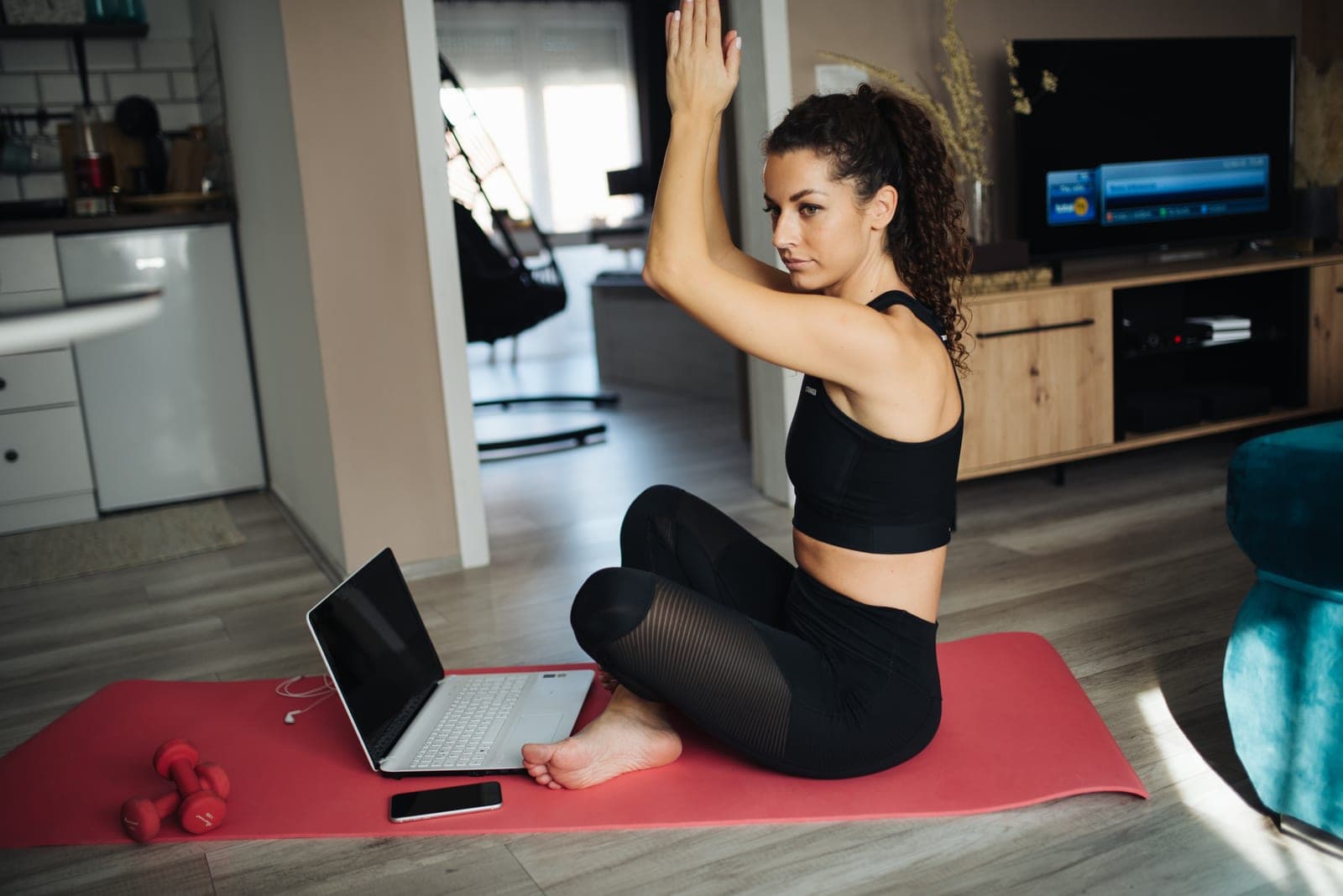
Yoga
A mind-body practice that links postures, breathing and focus to build flexibility, strength and calm.
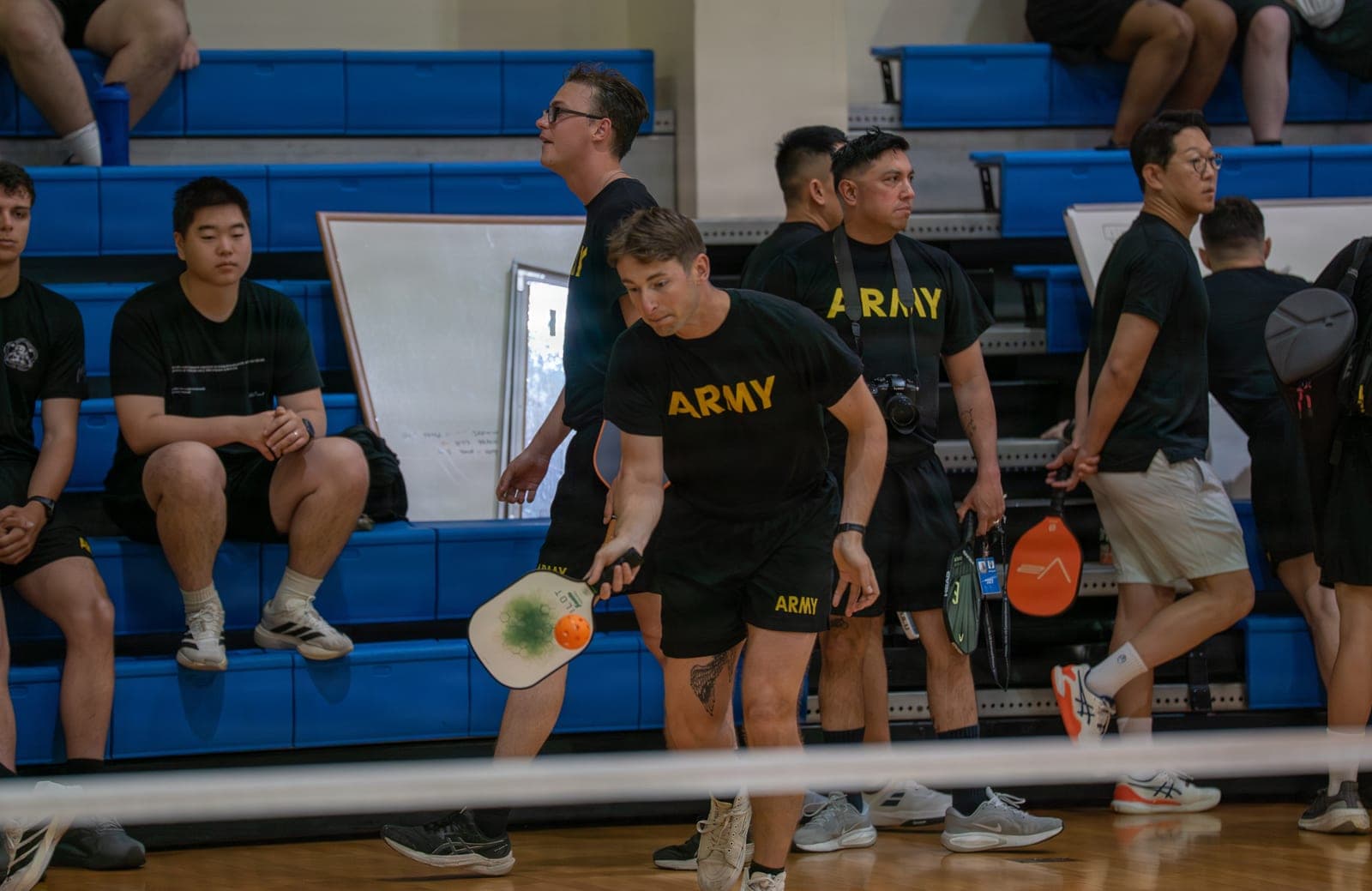
Pickleball
A friendly, easy-to-learn paddle sport played on a small court with a solid paddle and a light, perforated ball.
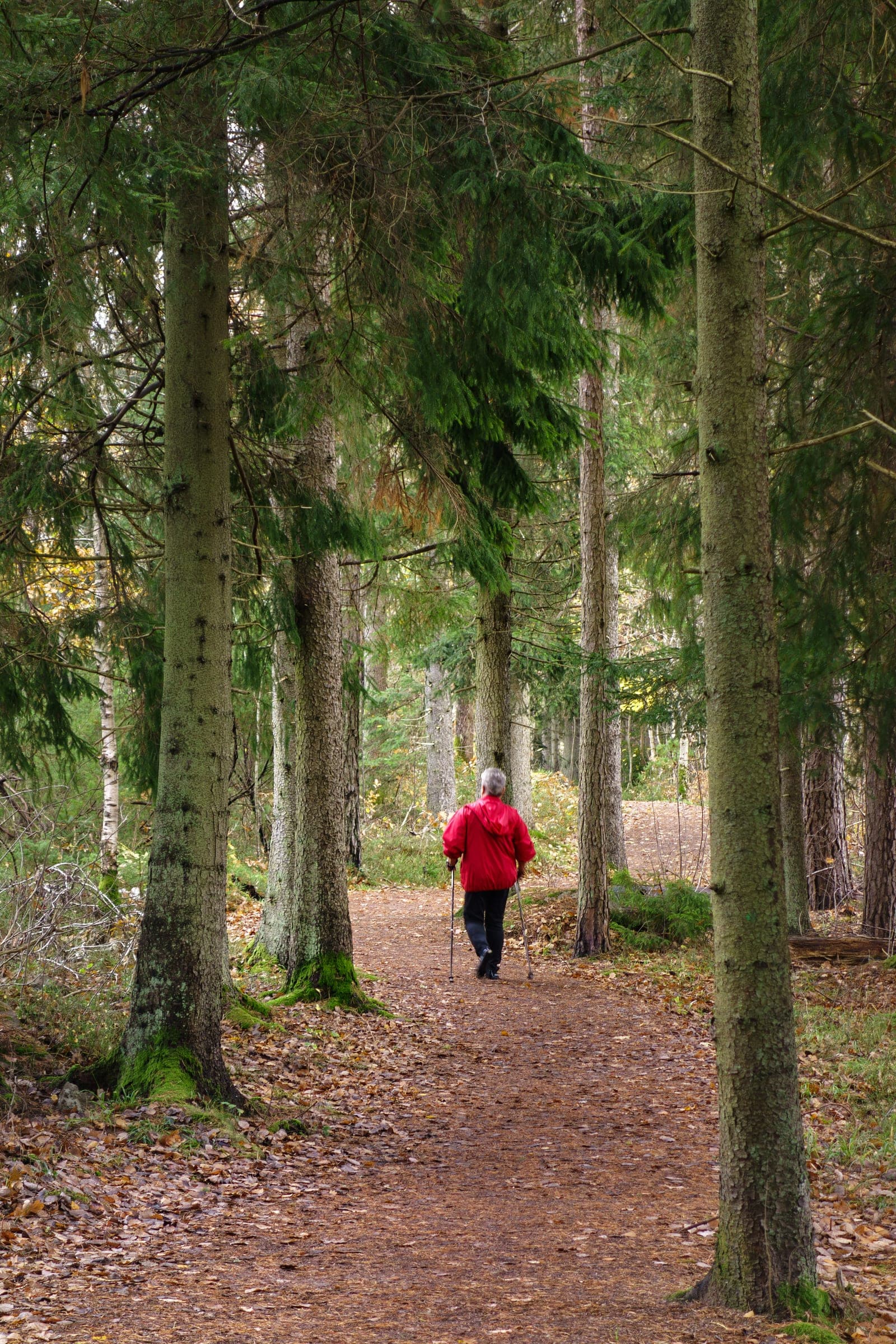
Nordic Walking
A gentle, accessible endurance activity that adds poles to bring the upper body into every walk.
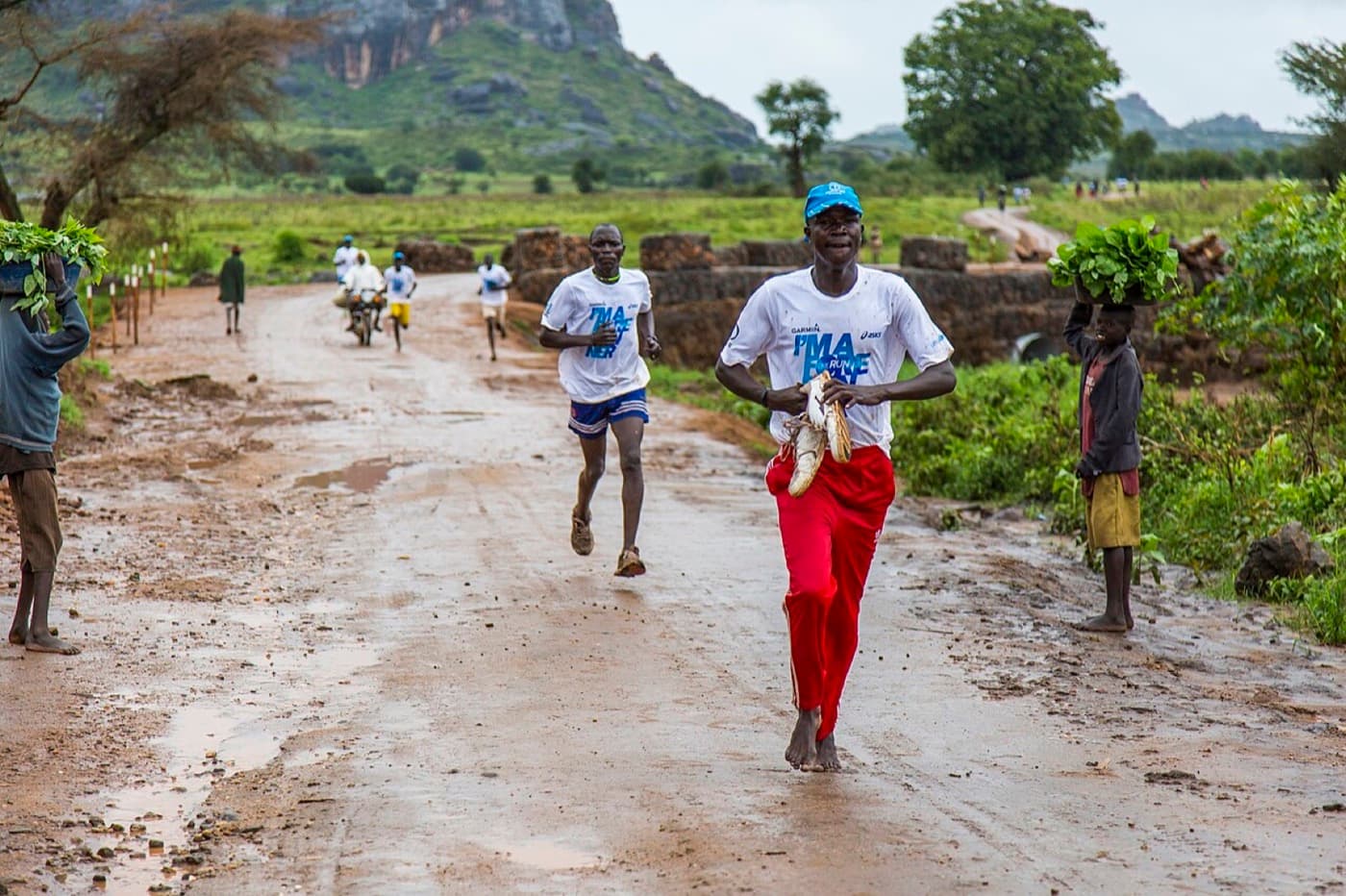
Trail Running
Running off-road on trails, hills and natural terrain, away from pavements and traffic.
Calisthenics
Bodyweight strength training — push-ups, pull-ups, dips and progressions you can do almost anywhere.
Words you might hear
Amateur
An athlete or competition category defined by taking part without payment, as distinct from professional sport.
Grassroots
The foundational, community level of a sport where most people first take part, typically local, youth and recreational play.
Friendly
A match played outside any official competition, arranged for practice, fitness or exhibition rather than points or trophies.
Cross-training
Cross-training means practising a different sport or type of exercise to support your main activity.
Coordination
The ability to combine movements of different body parts smoothly and accurately to produce an intended action.
More beginner guides
How to Prepare for Your First Session
A calm, practical walkthrough of getting ready for your very first session of any sport — arriving prepared, easing the nerves, and setting one small, realistic aim.
What to Bring to Your First Session
Most first sessions need far less than people expect — water, clothes you can move in, footwear that suits the surface and a few personal bits usually cover it, with any sport-specific kit noted on each sport's first-session page.
Beginner Clothing and Equipment Basics
A calm, practical guide to what to wear and bring for a first session — comfort and freedom of movement first, borrow or hire before you buy, and footwear that matches the surface.
Venue and Club Etiquette for Beginners
A warm, practical guide to feeling at ease at a new sports venue or club — how to arrive, sign in, share the space, wait your turn, tidy up, and ask for help without any awkwardness.
Explore across the knowledge base
Follow the threads that connect How to Choose a Sport as a Beginner to the rest of SocialSportHub.
Sports
- HikingAn accessible outdoor sport of walking natural trails and hills at your own pace, solo or in a group.
- YogaA mind-body practice that links postures, breathing and focus to build flexibility, strength and calm.
- PickleballA friendly, easy-to-learn paddle sport played on a small court with a solid paddle and a light, perforated ball.
- Nordic WalkingA gentle, accessible endurance activity that adds poles to bring the upper body into every walk.
- Trail RunningRunning off-road on trails, hills and natural terrain, away from pavements and traffic.
Glossary
- AmateurAn athlete or competition category defined by taking part without payment, as distinct from professional sport.
- GrassrootsThe foundational, community level of a sport where most people first take part, typically local, youth and recreational play.
- FriendlyA match played outside any official competition, arranged for practice, fitness or exhibition rather than points or trophies.
- Cross-trainingCross-training means practising a different sport or type of exercise to support your main activity.
- CoordinationThe ability to combine movements of different body parts smoothly and accurately to produce an intended action.
Knowledge Atlas
Knowledge
- How sport helps you live a healthier lifeA clear, practical look at how regular sport and movement support your heart, body and mind — and how to make it a lasting part of life.
- The best sports for beginnersThe most beginner-friendly sports to try first — why they are easy to start, what you need and how to take the first step.
- How to start playing sport as a beginnerA friendly, step-by-step guide to choosing a sport, getting the basics right and building the confidence to keep going.
- How to find people to play sport withPractical ways to find partners, groups and clubs so you never have to train alone — from local sessions to beginner leagues.
How this page is maintained
- Content type
- Beginner guide
- Provenance
- Tier A — evergreen educational
- Verified external sources
- 0
- Content updated
- 2026-07-13
Evergreen, first-party explanation — it makes no claim that needs an external source. How we handle sources and reviews.