
Reduce stress
Find calmer, healthier ways to unwind through regular movement, gentle mind-body activity and time outdoors.
How sport helps
Stress is a natural response to pressure, and short-term stress is a normal part of life. It tends to become more of a problem when it builds up or lasts a long time, which is when many people look for healthy ways to unwind and reset.
Regular physical activity is widely linked to lower stress levels, and many people find that moving their body helps release tension and clear their head. Gentler, mindful activities and time outdoors are often described as especially calming, though what works best is personal.
- Activity can offer a mental break from daily pressures and a chance to focus on the movement instead of your worries.
- Rhythmic activities such as walking, swimming or cycling are often described as calming and easy to sink into.
- Mind-body practices like yoga, tai chi and qigong combine gentle movement with breathing, which many people find grounding.
- Being active outdoors or in nature is widely linked to feeling more relaxed.
A note on health information
Getting started
- 1Pick something that feels enjoyable rather than another source of pressure — the goal is to unwind, not to compete.
- 2Build in short, regular sessions rather than occasional intense ones; little and often tends to be easier to sustain.
- 3Try pairing movement with the outdoors or with slow, focused breathing if you find those calming.
- 4If stress feels constant or overwhelming, consider talking to a doctor or a qualified professional as well as staying active.
Good sports for this goal
Great places to start — each with a clear, beginner-friendly guide.
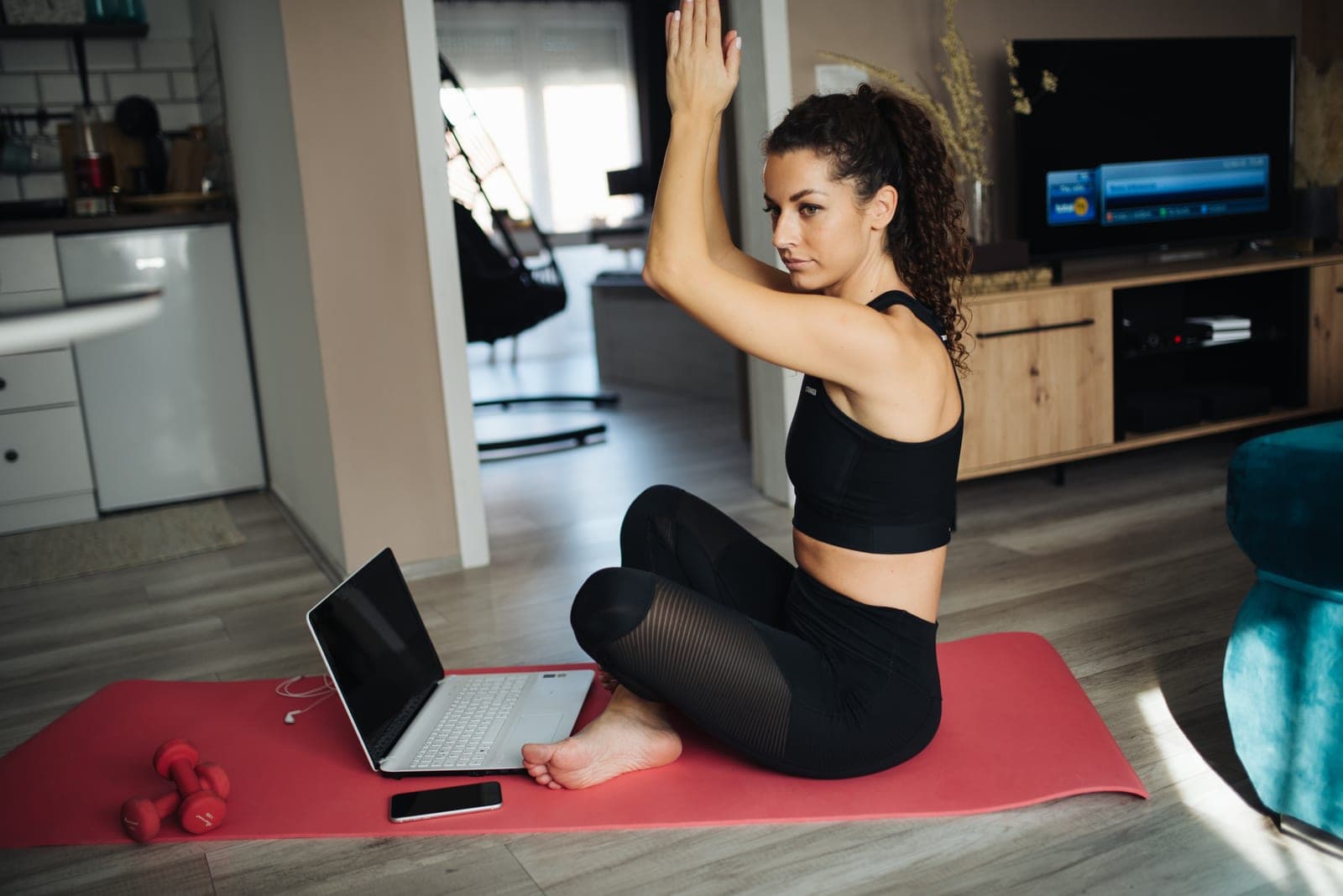
Yoga
A mind-body practice that links postures, breathing and focus to build flexibility, strength and calm.
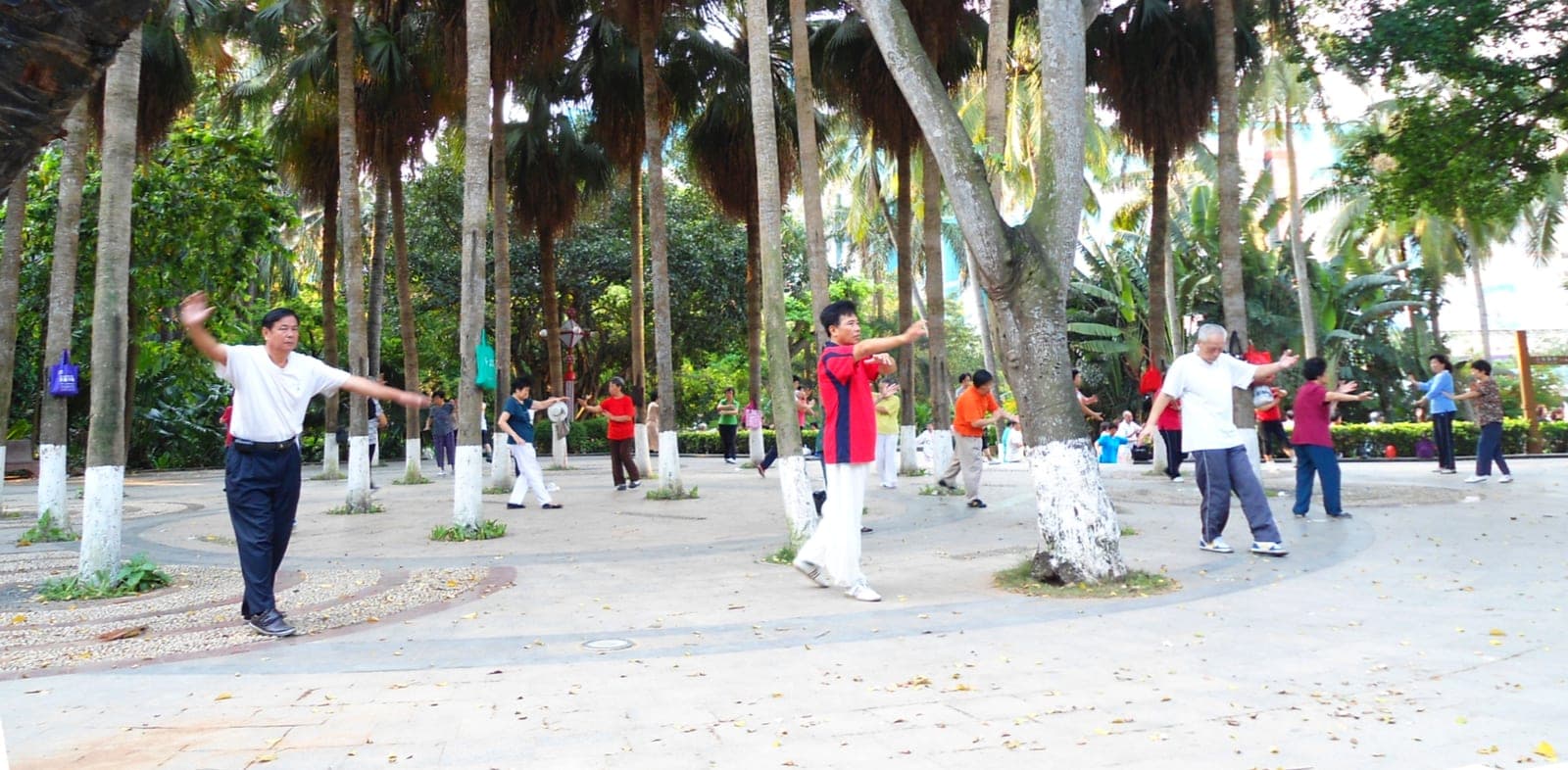
Tai Chi
A gentle mind-body practice of slow, flowing movements that builds balance, mobility and calm.
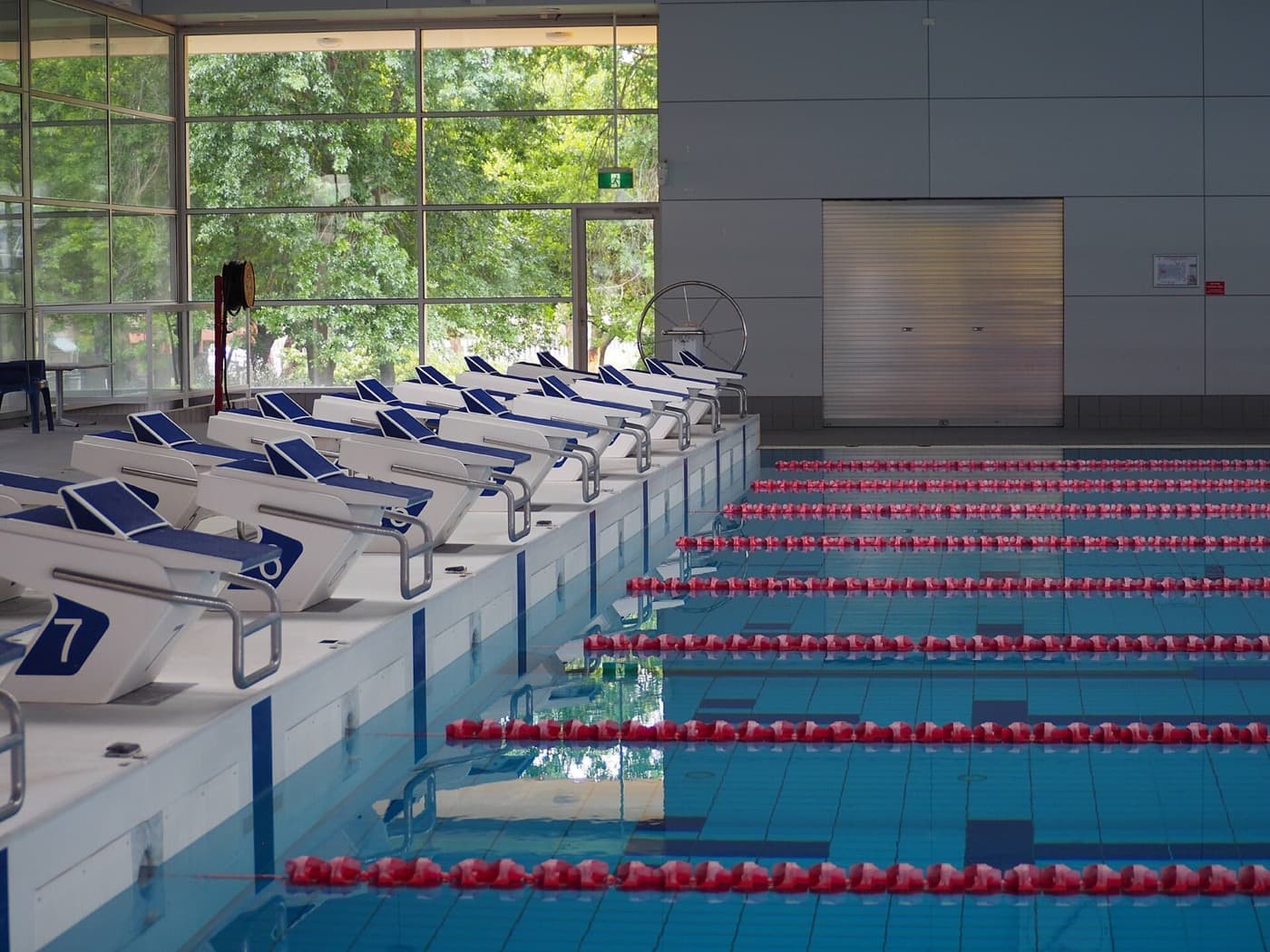
Swimming
A full-body, low-impact endurance sport suitable for almost every age and ability.
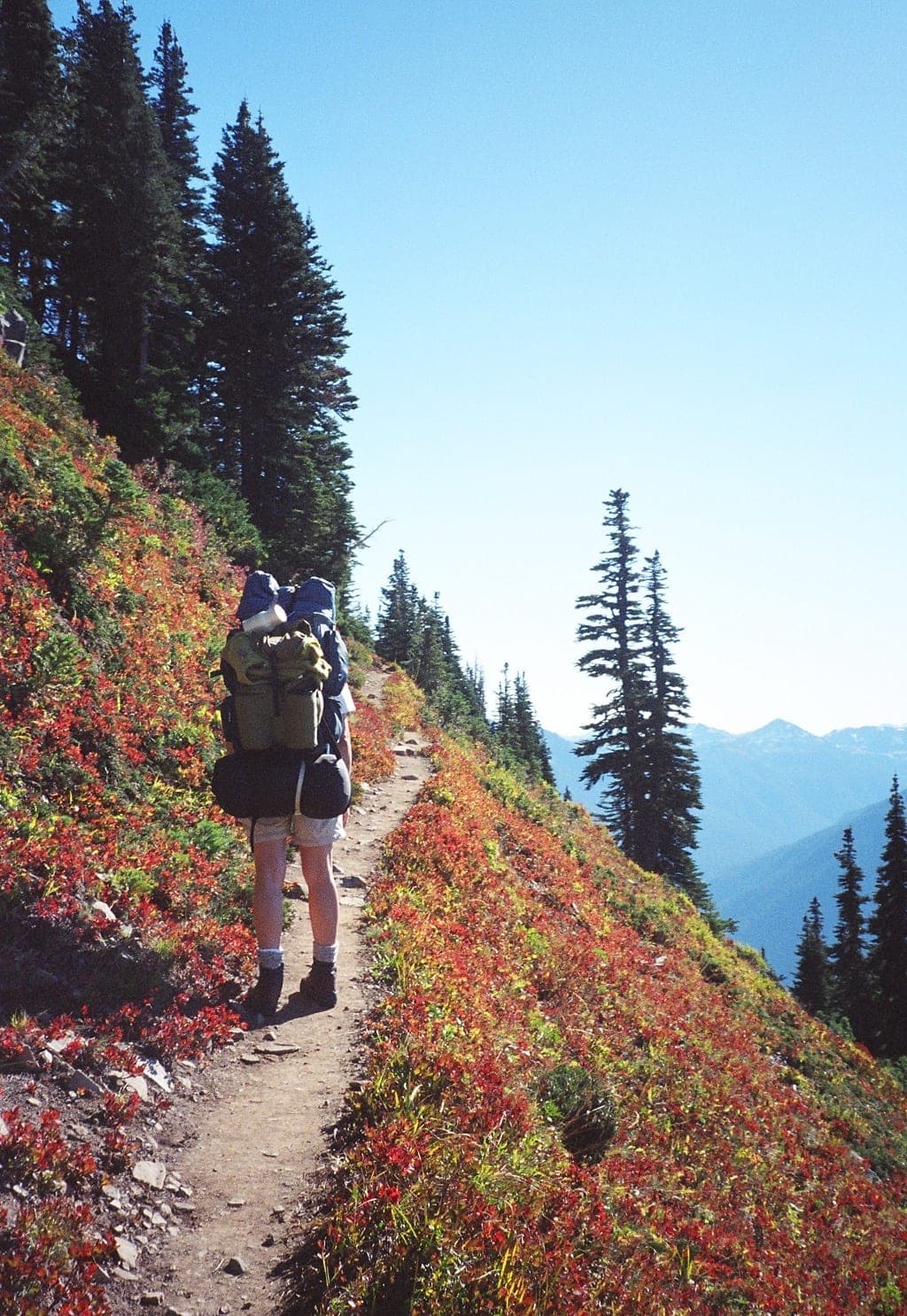
Hiking
An accessible outdoor sport of walking natural trails and hills at your own pace, solo or in a group.
Running
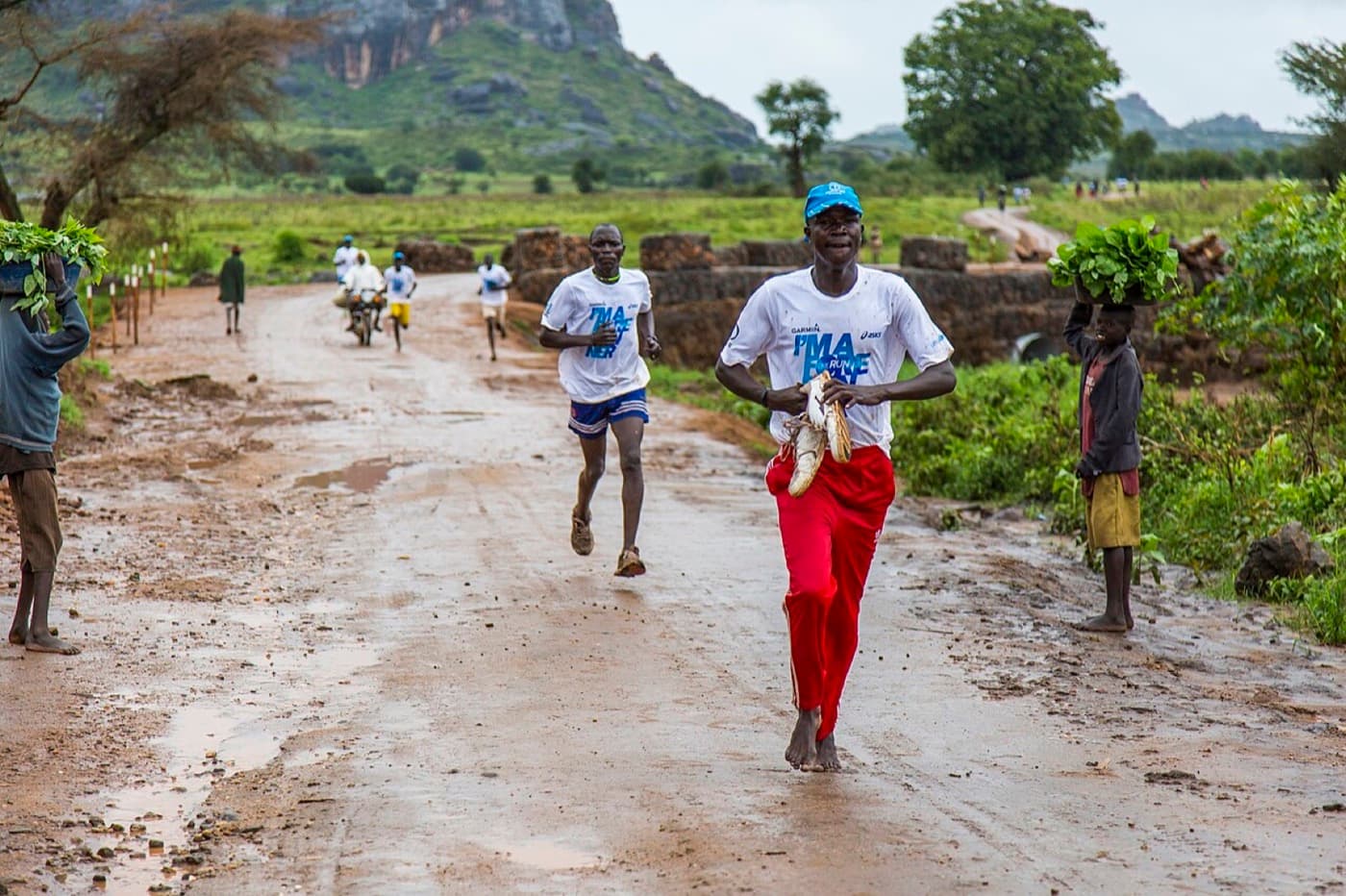
The most accessible endurance sport — no venue, just shoes and the open road or trail.
Nordic Walking
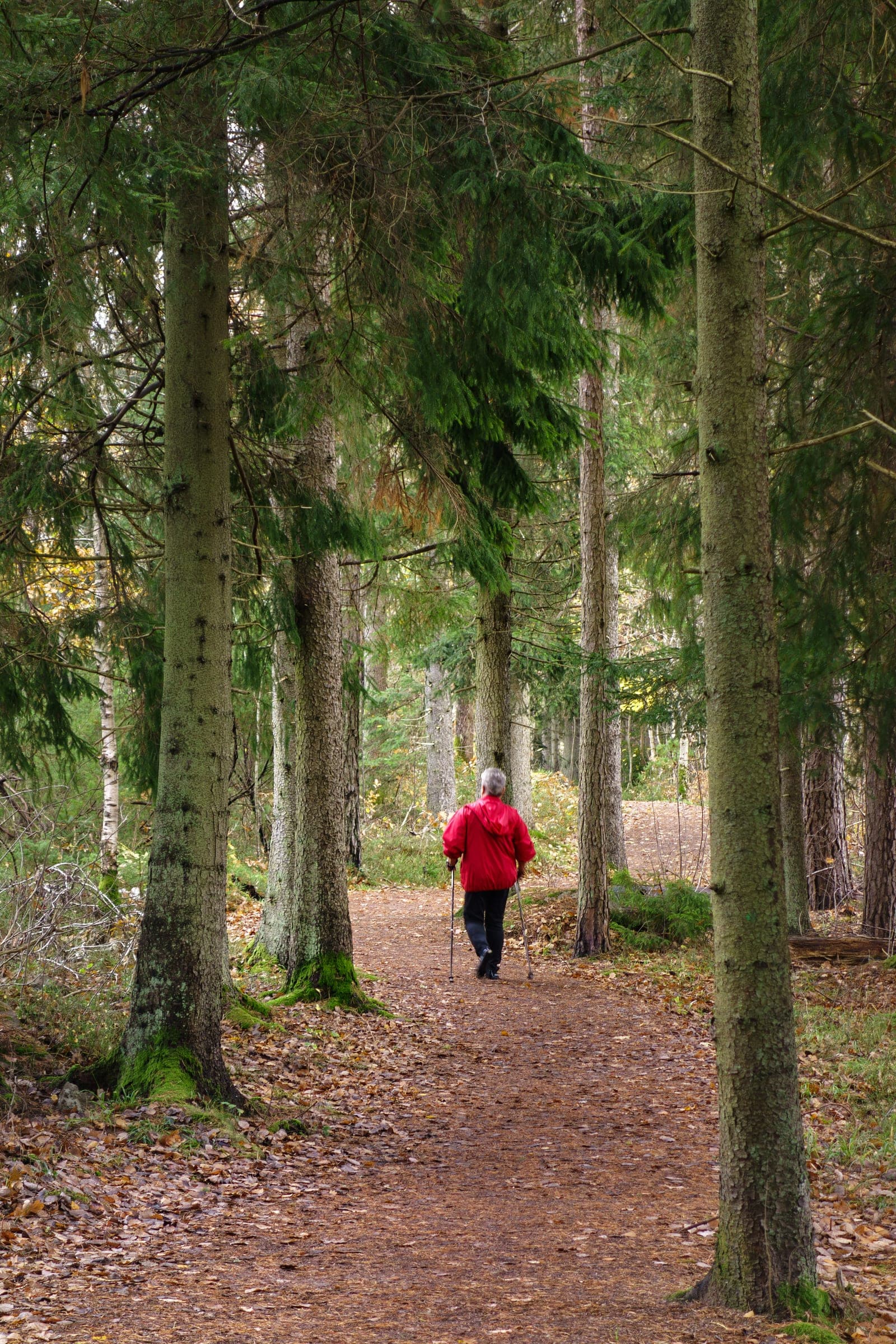
A gentle, accessible endurance activity that adds poles to bring the upper body into every walk.
Also fits this goal
Sports beyond the shortlist above that genuinely serve this goal, each with the reason it does and what it costs you. These are editorial judgements about how a sport is typically played, not source-verified facts.
- Situational fitQigong
Slow, repeated standing movement coordinated with the breath is a deliberately undemanding practice — the shape of thing people reach for when they want an unhurried half hour.
What it costs you: That describes the practice, not what it will do for you. How anybody feels afterwards varies, and nothing here is health advice.
Train for it
Exercises and methods that build what this goal needs — educational, not a prescription.
Mobility Training
Mobility training works on moving your joints actively through their full range, combining control and flexibility so movement feels free and easy.
Flexibility Training
Flexibility training uses stretching to gradually improve how far your muscles and joints can comfortably lengthen and move.
Active Recovery Sessions
Active recovery sessions are deliberately easy bouts of gentle movement — an easy walk, spin or swim — used on lighter days to keep moving without adding hard work.
Squat
A foundational lower-body movement where you bend at the hips and knees to lower down and stand back up.
Goblet squat
A squat variation where you hold a single weight close to your chest for balance and control.
Lunge
A single-leg movement where you step forward and bend both knees to lower your body.
Frequently asked questions
Does exercise get rid of stress completely?
Not exactly. Regular activity is widely linked to lower stress and can help you unwind, but it does not remove the causes of stress. It is best thought of as one healthy coping habit alongside rest, connection and, where needed, professional support.
Is gentle exercise or intense exercise better for stress?
It depends on the person. Some people release tension through vigorous activity, while others feel calmer with gentle, mindful movement such as yoga or walking. Trying both and noticing what leaves you feeling better is a sensible approach.
How soon might I feel calmer after activity?
Many people notice they feel a little more relaxed after a single session, though this varies. Over time, keeping active regularly is more strongly associated with managing stress than any one workout.
Related goals
Improve mental wellbeing
Use regular, enjoyable activity to support your mood, connection and sense of wellbeing as one healthy habit among many.
Improve sleep
Support more restful sleep by staying active during the day and building a consistent daily rhythm.
Digital detox
Using sport and the outdoors to step away from screens and spend time offline.
Outdoor activities
Spend more time being active outdoors, from walking and cycling to trails, water and hills.
Become more active
Add regular, gentle movement to your everyday life and build up from a sedentary start at your own pace.
Who & where this fits
This goal fits all kinds of people and lifestyles.
Students
How sport can fit around study, a tight budget and a changing timetable to support focus, energy and social life.
Office workers
How sport can offset long hours of sitting and screen time to support mobility, energy and stress relief.
Busy professionals
How time-efficient sport can fit a packed schedule to protect fitness, energy and stress relief.
Travelers
How to stay active on the move with minimal-equipment sport that works almost anywhere.
Parents
How busy parents can fit sport around family life with flexible, home-friendly and time-efficient options.
Remote workers
How sport can fit a work-from-home life — replacing the movement a commute used to provide and breaking up long spells at a home desk.
How it connects
The meaning-bearing relationships that place Reduce stress in the wider knowledge graph — each one with the reason it exists.
Achieved through
Routes people take towards this goal.
- YogaYoga is one of the sports listed under the “Reduce stress” goal.
- Tai ChiTai Chi is one of the sports listed under the “Reduce stress” goal.
- SwimmingSwimming is one of the sports listed under the “Reduce stress” goal.
- HikingHiking is one of the sports listed under the “Reduce stress” goal.
- RunningRunning is one of the sports listed under the “Reduce stress” goal.
Explore across the knowledge base
Follow the threads that connect Reduce stress to the rest of SocialSportHub.
Recommendations
- Recommended for “Reduce stress”Sports, qualities, a learning path and first steps for “Reduce stress” — every suggestion a real graph link, shown with its reason.
- Recommended for “Improve sleep”Sports, qualities, a learning path and first steps for “Improve sleep” — every suggestion a real graph link, shown with its reason.
Healthy living
- Walking MeetingsTaking a call or a one-to-one on the move instead of at a desk — an easy way to add movement to the working day without losing time.
- Active BreaksShort bursts of movement woven through the working or study day to break up long stretches of sitting.
- Evening Wind-DownEasing gently from a busy day toward rest, with calm movement and habits that help the body settle.
- Outdoor LifestyleChoosing to spend more of your active time outside, where fresh air and surroundings make movement more enjoyable.
- Sleep BasicsA calm introduction to why sleep matters and how it quietly supports almost everything else in a healthy, active life.
Knowledge
- Sport vs alcohol: healthier ways to unwindHow building active routines can help you drink less — with clear, non-judgemental guidance and links to proper support.
- How sport helps you live a healthier lifeA clear, practical look at how regular sport and movement support your heart, body and mind — and how to make it a lasting part of life.
How this page is maintained
- Content type
- Life goal
- Provenance
- Tier A — evergreen educational
- Verified external sources
- 0
- Content updated
- 2026-09-22
Evergreen, first-party explanation — it makes no claim that needs an external source. How we handle sources and reviews.