
Improve sleep
Support more restful sleep by staying active during the day and building a consistent daily rhythm.
How sport helps
Good sleep helps you feel rested, focused and able to cope with the day, and most people sleep better with a consistent routine. Sleep naturally varies from night to night, and habits during the day — including how active you are — can play a part.
Regular physical activity is widely linked to better sleep quality for many people, and staying active during the day can help you feel more ready for rest at night. Timing and personal preference matter, so it is worth noticing what works for you.
- Regular daytime activity is widely linked to falling asleep more easily and sleeping more soundly for many people.
- Being active outdoors and getting some daylight can support your natural body clock.
- A consistent activity routine can reinforce a consistent daily rhythm, which sleep tends to benefit from.
- Gentle, calming movement in the evening suits some people, while vigorous exercise close to bedtime can be too stimulating for others.
A note on health information
Getting started
- 1Aim for regular activity during the day rather than only late in the evening, and notice how the timing affects your sleep.
- 2Get outside for some daylight when you can, which can help your natural sleep-wake rhythm.
- 3Wind down with gentler movement or stretching in the evening if intense exercise leaves you feeling too alert.
- 4If sleep problems persist despite good habits, it is worth speaking to a doctor rather than relying on activity alone.
Good sports for this goal
Great places to start — each with a clear, beginner-friendly guide.

Running
The most accessible endurance sport — no venue, just shoes and the open road or trail.

Swimming
A full-body, low-impact endurance sport suitable for almost every age and ability.
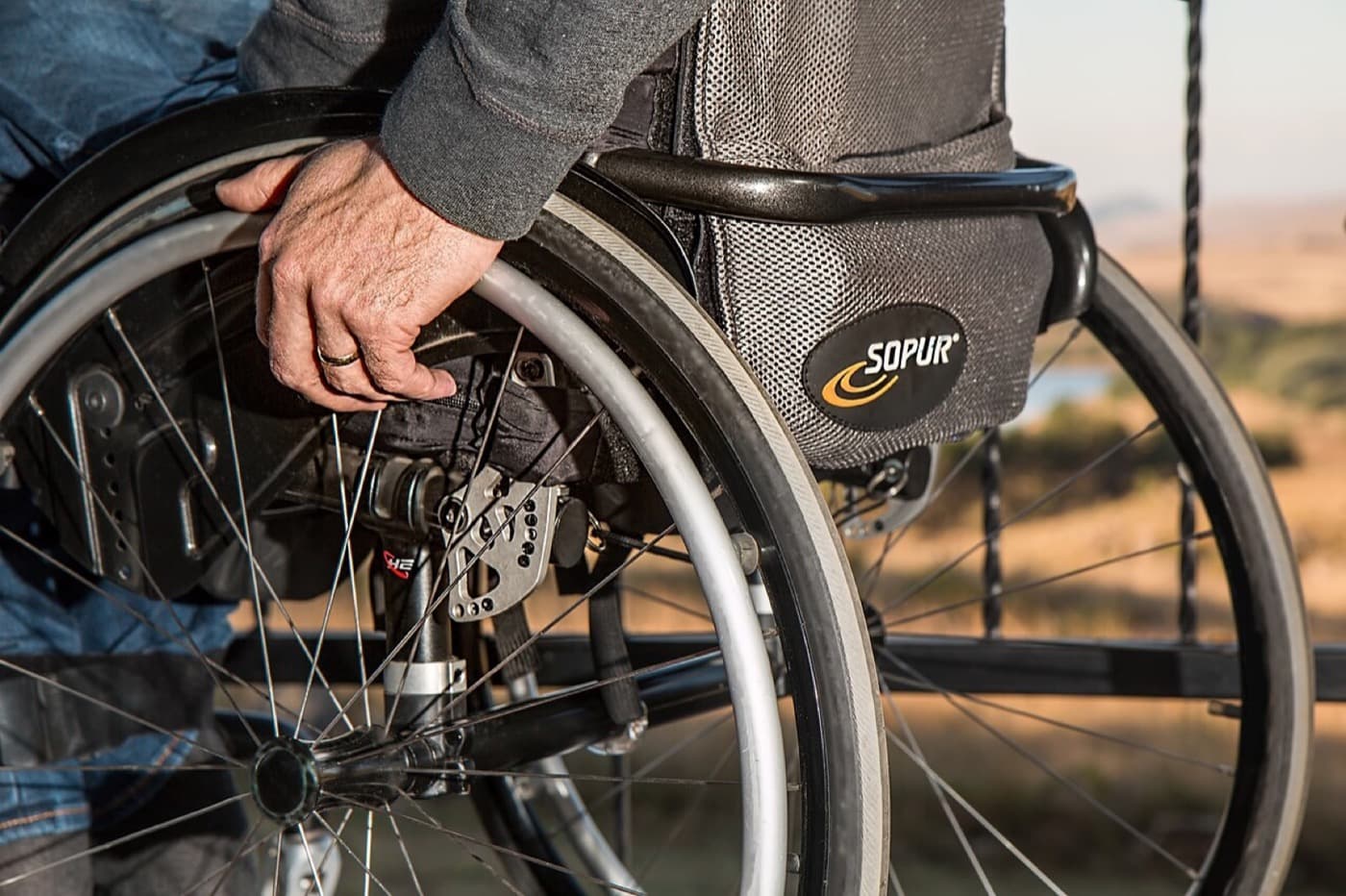
Cycling
A low-impact endurance sport that doubles as transport, exercise and adventure.
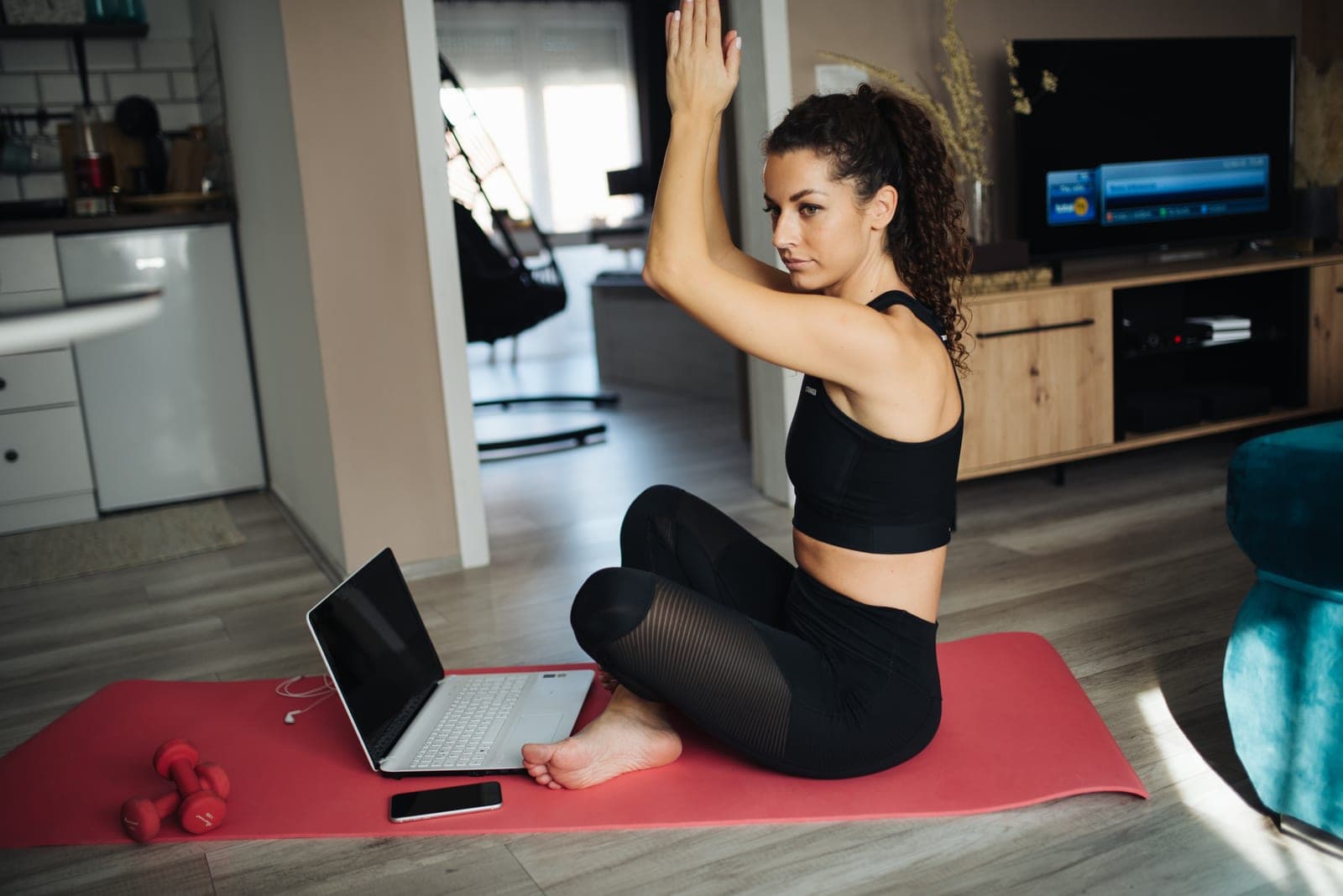
Yoga
A mind-body practice that links postures, breathing and focus to build flexibility, strength and calm.
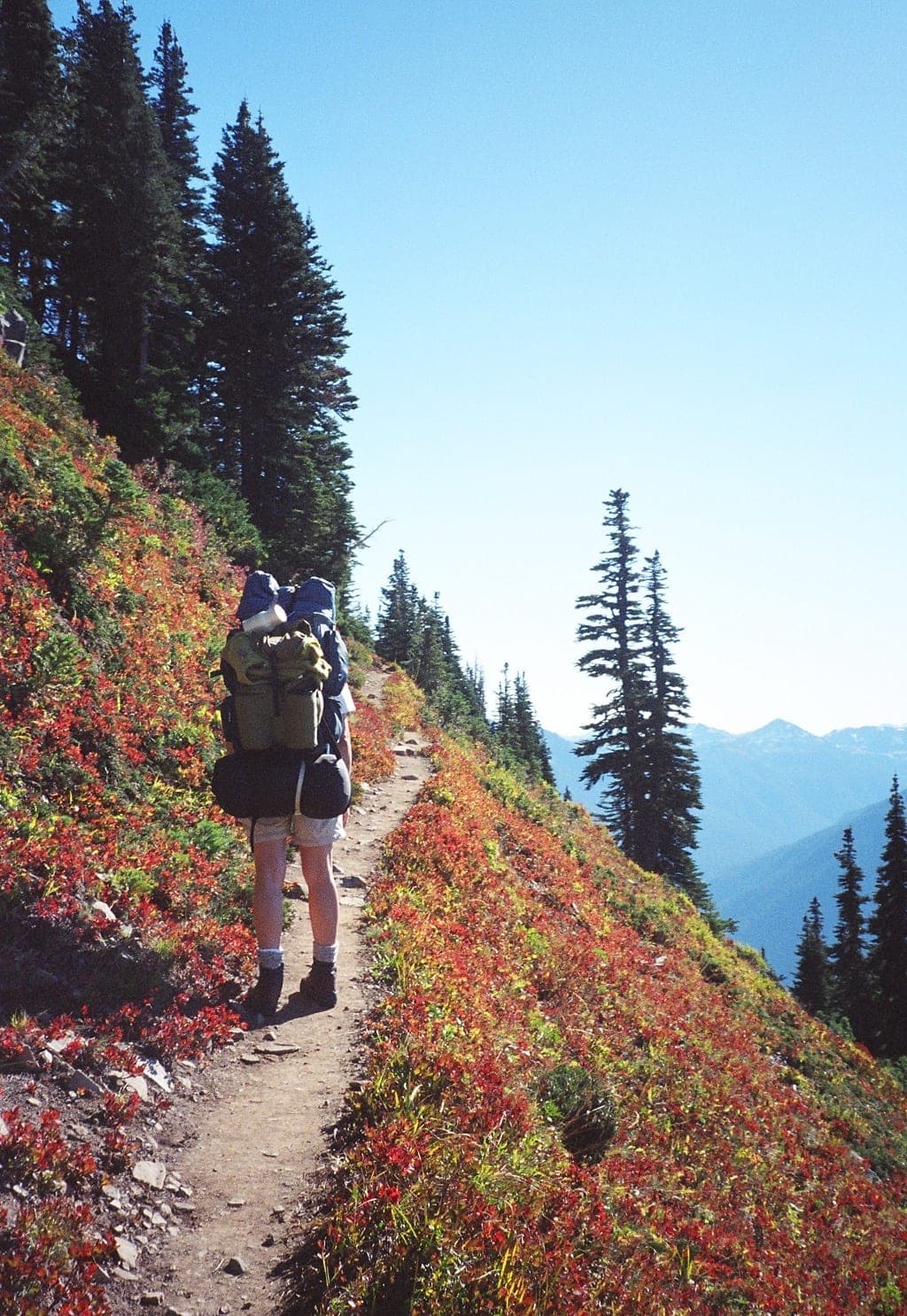
Hiking
An accessible outdoor sport of walking natural trails and hills at your own pace, solo or in a group.
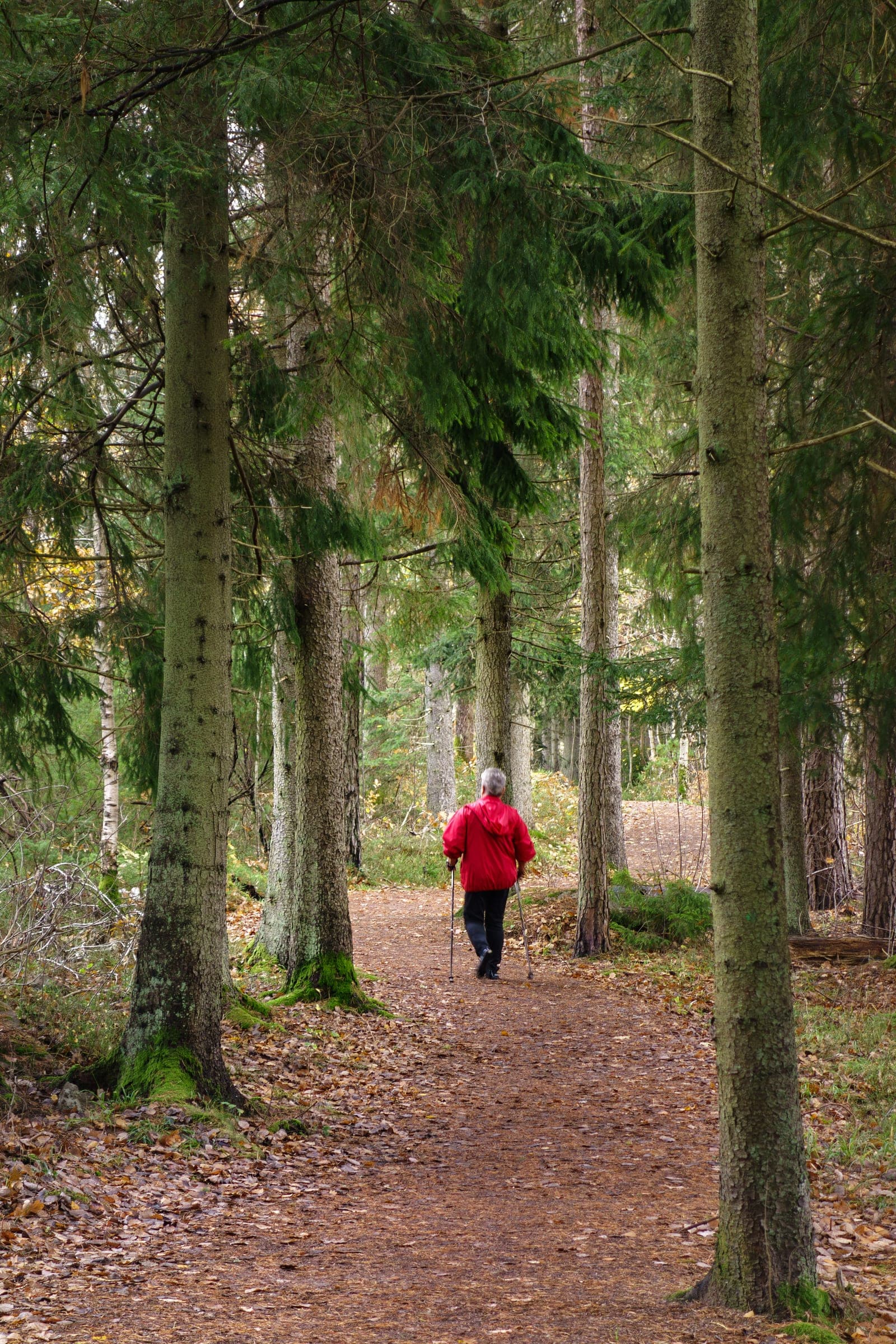
Nordic Walking
A gentle, accessible endurance activity that adds poles to bring the upper body into every walk.
Train for it
Exercises and methods that build what this goal needs — educational, not a prescription.
Wall sit
A holding exercise where you sit against a wall with no chair, holding a squat position still.
Step-up
A movement where you step up onto a raised platform one leg at a time and step back down.
Kettlebell swing
A dynamic hinge where you swing a kettlebell to shoulder height using a snap of the hips.
Push-up
A classic upper-body pushing exercise where you lower and press your body up from the floor.
Tricep dip
A pushing exercise where you lower and raise your body using your arms on parallel bars or a bench.
Pull-up
A vertical pulling exercise where you hang from a bar and pull your chin above it.
Frequently asked questions
Will exercising make me sleep better straight away?
It might, but it varies. Regular activity is widely linked to better sleep over time, so building a consistent routine tends to help more than a single session. Other habits, like a regular bedtime and limiting screens late at night, also matter.
Is it bad to exercise before bed?
It depends on the person. Some people sleep fine after evening activity, while others find that vigorous exercise close to bedtime leaves them too alert. If you notice it affects your sleep, try shifting harder sessions earlier and keeping evenings gentler.
Can activity fix ongoing sleep problems?
Not on its own. Staying active can support better sleep for many people, but persistent sleep problems can have many causes. If poor sleep continues despite good habits, it is best to speak to a doctor.
Related goals
Reduce stress
Find calmer, healthier ways to unwind through regular movement, gentle mind-body activity and time outdoors.
Improve mental wellbeing
Use regular, enjoyable activity to support your mood, connection and sense of wellbeing as one healthy habit among many.
Become more active
Add regular, gentle movement to your everyday life and build up from a sedentary start at your own pace.
Build healthy habits
Using sport and routine to make regular activity a lasting part of everyday life.
Healthy aging
Stay active, steady and independent as you get older with a sustainable mix of gentle cardio, strength and balance work.
Who & where this fits
This goal fits all kinds of people and lifestyles.
How it connects
The meaning-bearing relationships that place Improve sleep in the wider knowledge graph — each one with the reason it exists.
Achieved through
Routes people take towards this goal.
- RunningRunning is one of the sports listed under the “Improve sleep” goal.
- SwimmingSwimming is one of the sports listed under the “Improve sleep” goal.
- CyclingCycling is one of the sports listed under the “Improve sleep” goal.
- YogaYoga is one of the sports listed under the “Improve sleep” goal.
- HikingHiking is one of the sports listed under the “Improve sleep” goal.
Explore across the knowledge base
Follow the threads that connect Improve sleep to the rest of SocialSportHub.
Recommendations
- Recommended for “Improve sleep”Sports, qualities, a learning path and first steps for “Improve sleep” — every suggestion a real graph link, shown with its reason.
- Recommended for “Improve mental wellbeing”Sports, qualities, a learning path and first steps for “Improve mental wellbeing” — every suggestion a real graph link, shown with its reason.
- Recommended for “Reduce stress”Sports, qualities, a learning path and first steps for “Reduce stress” — every suggestion a real graph link, shown with its reason.
Healthy living
- Evening Wind-DownEasing gently from a busy day toward rest, with calm movement and habits that help the body settle.
- Sleep BasicsA calm introduction to why sleep matters and how it quietly supports almost everything else in a healthy, active life.
- Sleep HygieneThe everyday habits and surroundings that make good sleep more likely — a calmer room, steadier timing and gentler evenings.
- Sleep RoutineA steady rhythm of consistent timing and a calming wind-down that helps your body know when it is time to rest.
- Recovery SleepThe role rest plays in helping your body recover, adapt and feel ready after training and active days.
Knowledge Atlas
How this page is maintained
- Content type
- Life goal
- Provenance
- Tier A — evergreen educational
- Verified external sources
- 0
- Content updated
- 2026-09-22
Evergreen, first-party explanation — it makes no claim that needs an external source. How we handle sources and reviews.