
Sleep Basics
A calm introduction to why sleep matters and how it quietly supports almost everything else in a healthy, active life.
Overview
Sleep is one of the foundations of good health, sitting alongside movement and food. While you rest, your body and mind do a great deal of quiet work — settling the day, restoring energy and preparing you for tomorrow. There is no single right amount of sleep for everyone; needs vary from person to person and change across life. What most people share is that regular, good-quality sleep tends to leave them feeling steadier and more able to enjoy the day.
You do not need to overhaul your life to sleep better. Small, consistent choices — a little more daylight, gentle movement, a calmer evening — are often what make the difference over time. The aim is a pattern that works for you, not perfection. If you regularly struggle to fall asleep, stay asleep or feel rested, that is worth mentioning to a qualified professional rather than solving alone.
What helps
- Sleep is a foundation of health, alongside movement and good food.
- Needs vary from person to person — there is no single right number of hours.
- Regular, consistent sleep tends to matter more than the occasional long night.
- Daylight, gentle activity and a calmer evening all tend to support it.
- Ongoing sleep troubles are worth raising with a qualified professional.
A note on this guidance
How to start
- 1Notice your current pattern for a few days without trying to change anything.
- 2Aim for roughly consistent wake-up and bedtimes, even at weekends.
- 3Get a little natural daylight early in the day where you can.
- 4If poor sleep is a regular problem, talk it through with a qualified professional.
Sports that fit
Ways to put this into practice — each with a clear, beginner-friendly guide.

Running
The most accessible endurance sport — no venue, just shoes and the open road or trail.
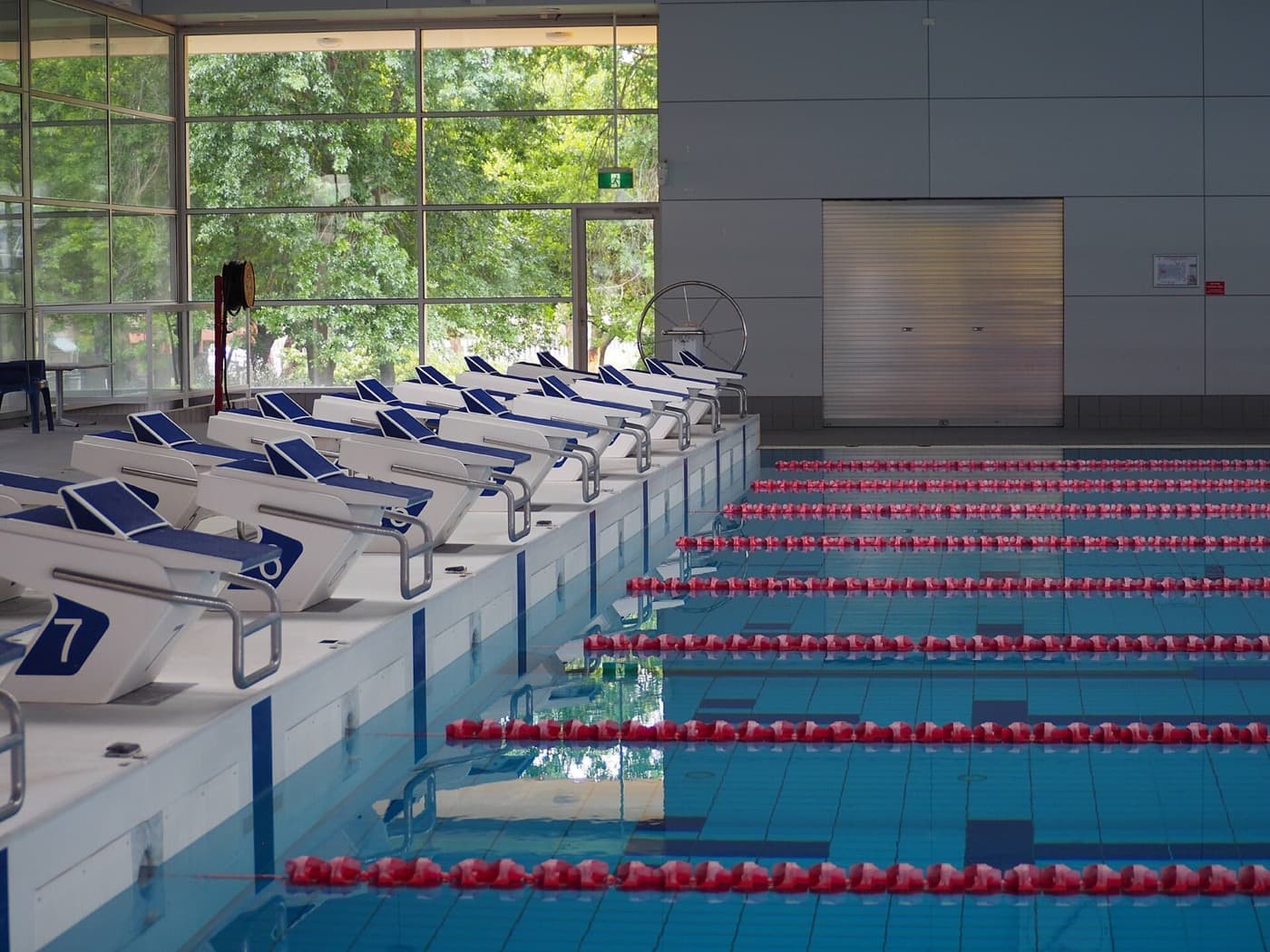
Swimming
A full-body, low-impact endurance sport suitable for almost every age and ability.
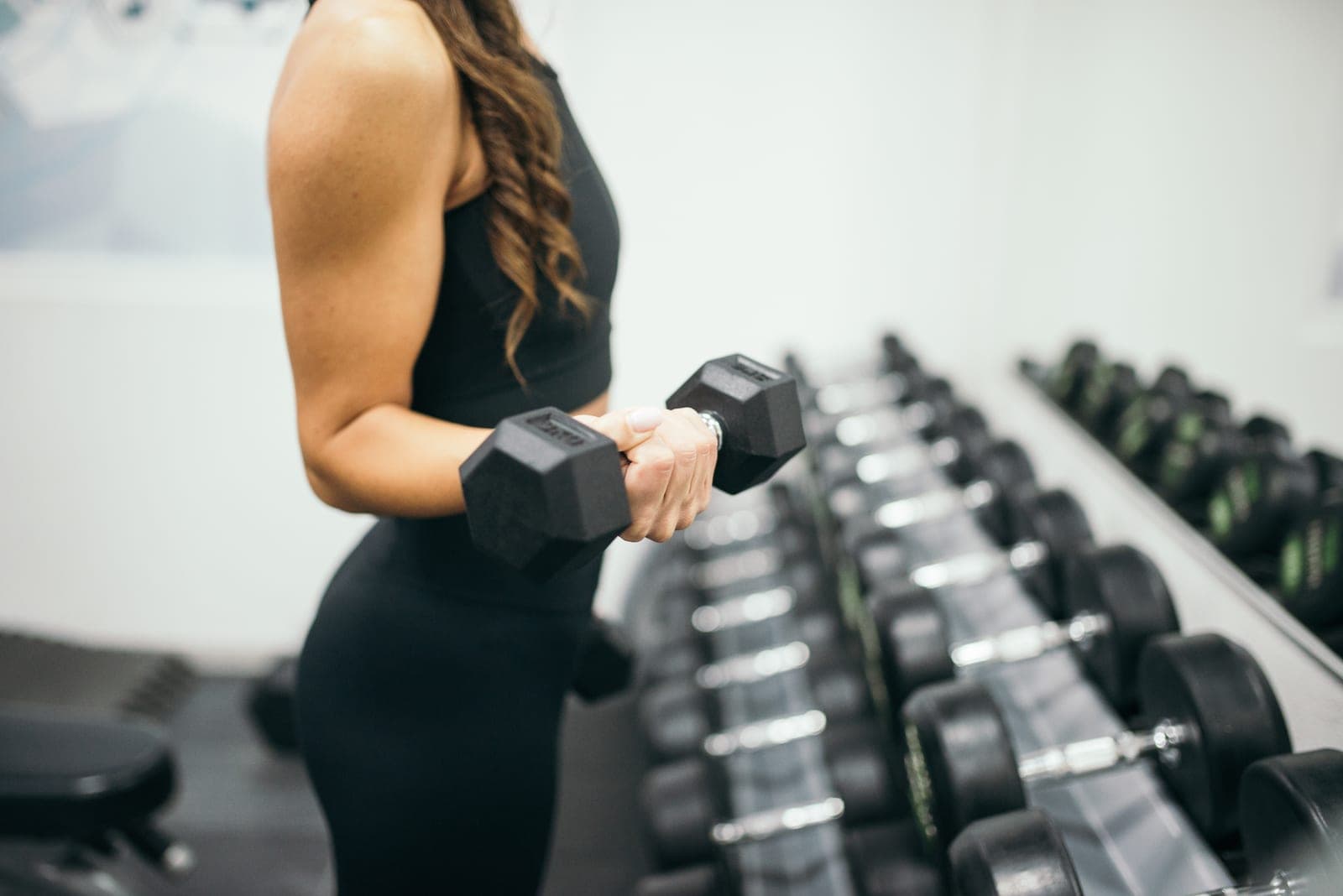
Fitness
Strength and general fitness training — the foundation that supports every other sport.
Goals it supports
Improve sleep
Support more restful sleep by staying active during the day and building a consistent daily rhythm.
Build healthy habits
Using sport and routine to make regular activity a lasting part of everyday life.
Improve mental wellbeing
Use regular, enjoyable activity to support your mood, connection and sense of wellbeing as one healthy habit among many.
Reduce stress
Find calmer, healthier ways to unwind through regular movement, gentle mind-body activity and time outdoors.
Build an active lifestyle
Make movement a natural, lasting part of daily life through activities and habits you genuinely enjoy.
Frequently asked questions
How many hours of sleep do I need?
There is no single right amount that suits everyone — needs vary between people and shift across life. Rather than chasing a number, many people find it more useful to notice whether they wake feeling reasonably rested. If you often feel unrested despite time in bed, it is worth speaking with a qualified professional.
Explore across the knowledge base
Follow the threads that connect Sleep Basics to the rest of SocialSportHub.
Lifestyle
People
Training guides
- Understanding rest and recoveryRest and recovery are the everyday habits — sleep, rest days and gentle movement — that let the benefits of training take hold between sessions.
- Bodyweight training basicsBodyweight training uses your own body as resistance, making it a simple and accessible way to build strength almost anywhere.
- How to warm upA short, gentle warm-up gradually raises your body temperature and prepares your muscles and joints for the activity ahead.
Knowledge Atlas
- Explore by NutritionEating and hydration for an active life — the healthy-eating and hydration topics of the knowledge base.
- Explore by Healthy LivingThe whole healthy-living knowledge base — daily activity, sleep, hydration, eating, recovery and choices.
- Explore by Adaptive SportInclusive and adaptive sport — understanding, forms, adaptation and getting involved.
How this page is maintained
- Content type
- Healthy living topic
- Provenance
- Tier A — evergreen educational
- Verified external sources
- 0
- Content updated
- 2026-07-09
Evergreen, first-party explanation — it makes no claim that needs an external source. How we handle sources and reviews.