
Weekend
Making the most of weekend free time for longer, more social or outdoor activities.
Overview
Weekends often bring more free time, which opens up activities that are harder to fit into a busy weekday. Longer bike rides, hikes, a proper game, a swim or an outdoor adventure all suit the extra breathing room a weekend allows.
Weekends are also a natural time to be active with others — family, friends or a club. Combining social time with movement can make being active feel less like a chore and more like something to look forward to.
What works
- More free time suits longer sessions like hikes, rides and full games.
- Weekends are ideal for social and family activities built around movement.
- Outdoor and adventure options fit the extra daylight and flexibility.
- A weekend session can balance out sitting more during the working week.
Getting started
- 1Plan one main activity for the weekend so it doesn't slip away.
- 2Invite family or friends along to make it social and easier to commit to.
- 3Build up the distance or duration of longer sessions gradually over time.
- 4Pack water, suitable clothing and anything you need for longer or outdoor activities.
Sports that fit
Great places to start — each with a clear, beginner-friendly guide.
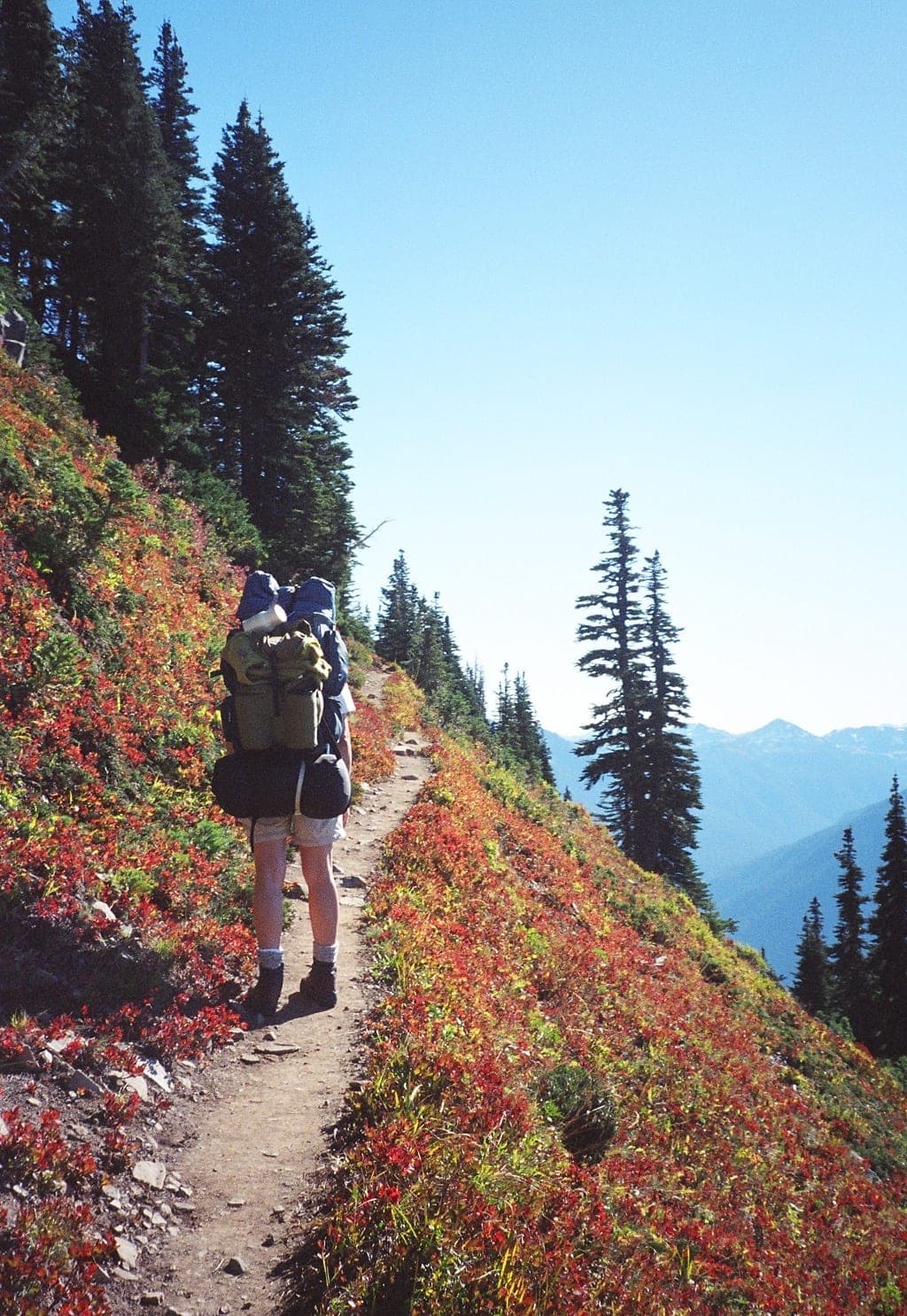
Hiking
An accessible outdoor sport of walking natural trails and hills at your own pace, solo or in a group.
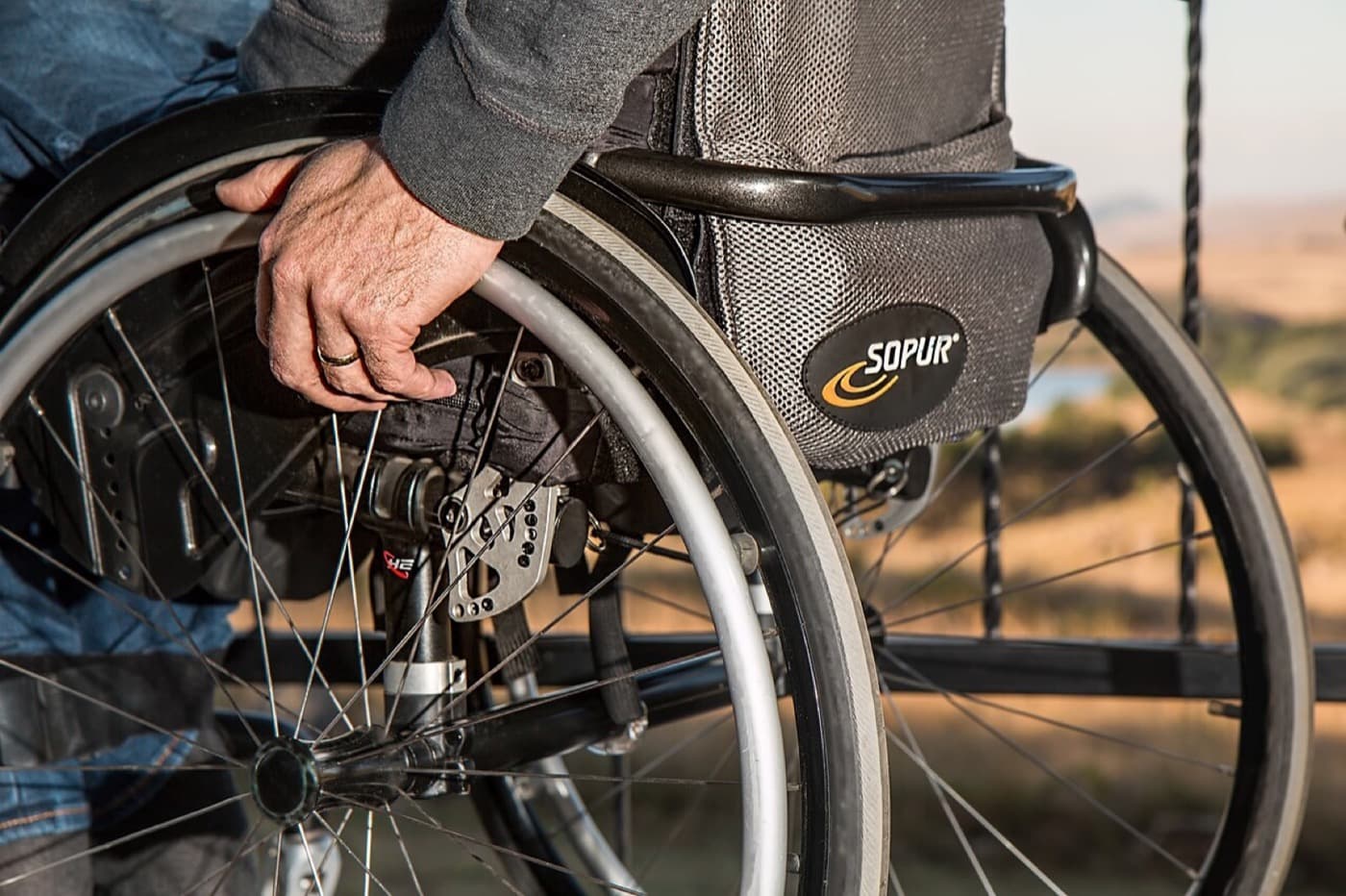
Cycling
A low-impact endurance sport that doubles as transport, exercise and adventure.

Trail Running
Running off-road on trails, hills and natural terrain, away from pavements and traffic.
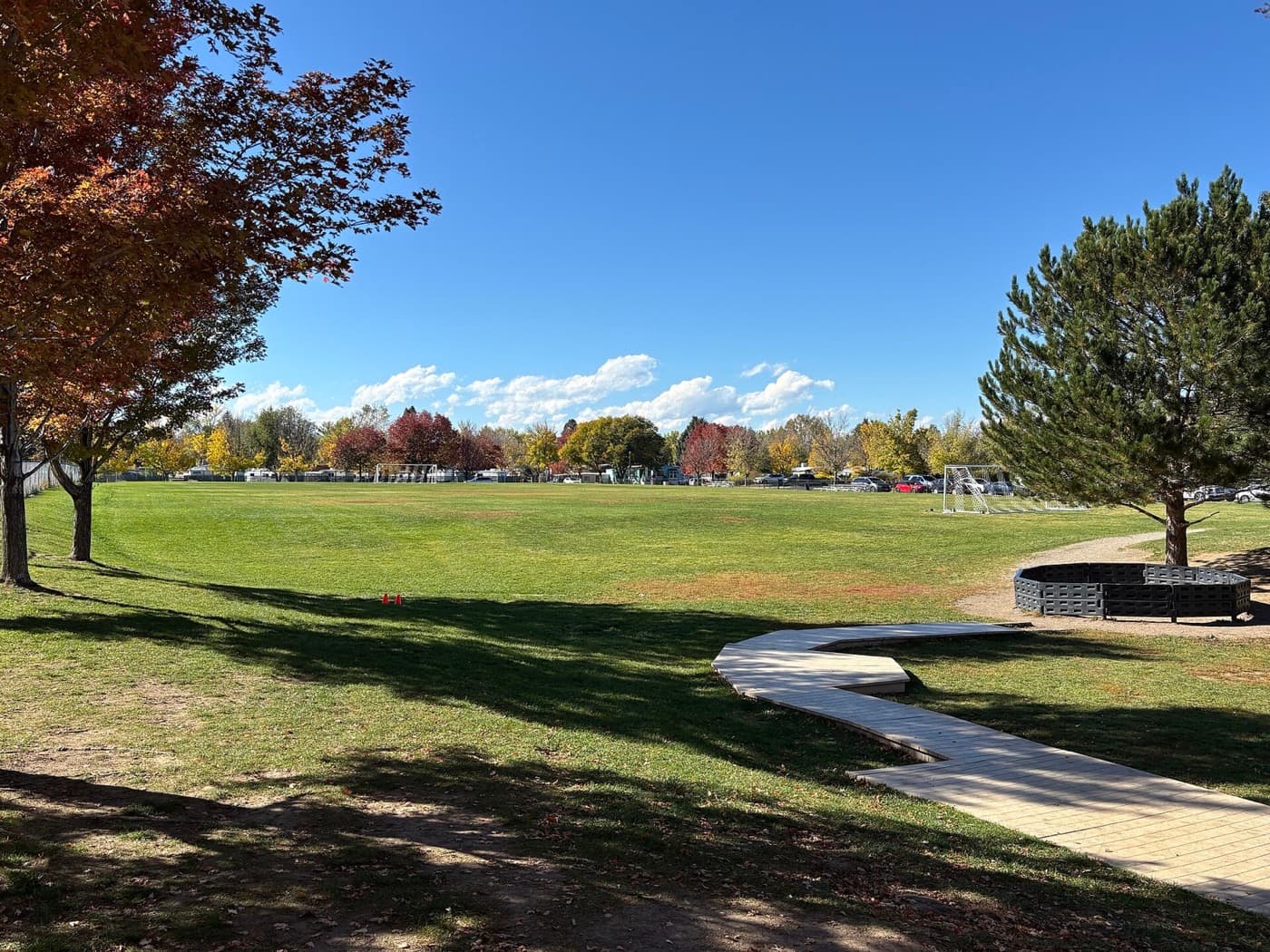
Football
The world’s most popular team sport — endless running, teamwork and community in one game.
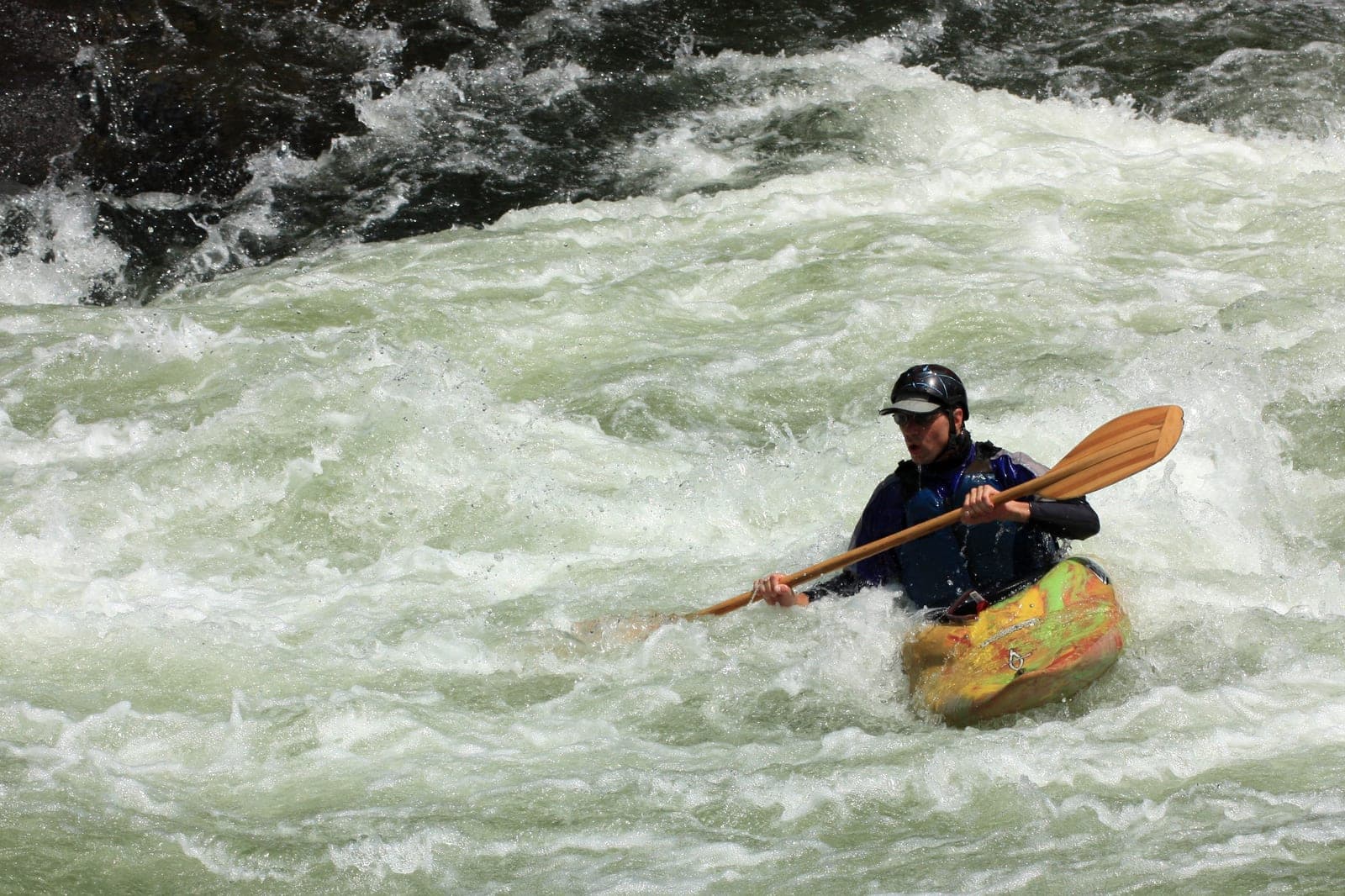
Kayaking
A versatile paddle sport in a small, low-seated boat, from calm lakes to flowing rivers and sheltered coast.
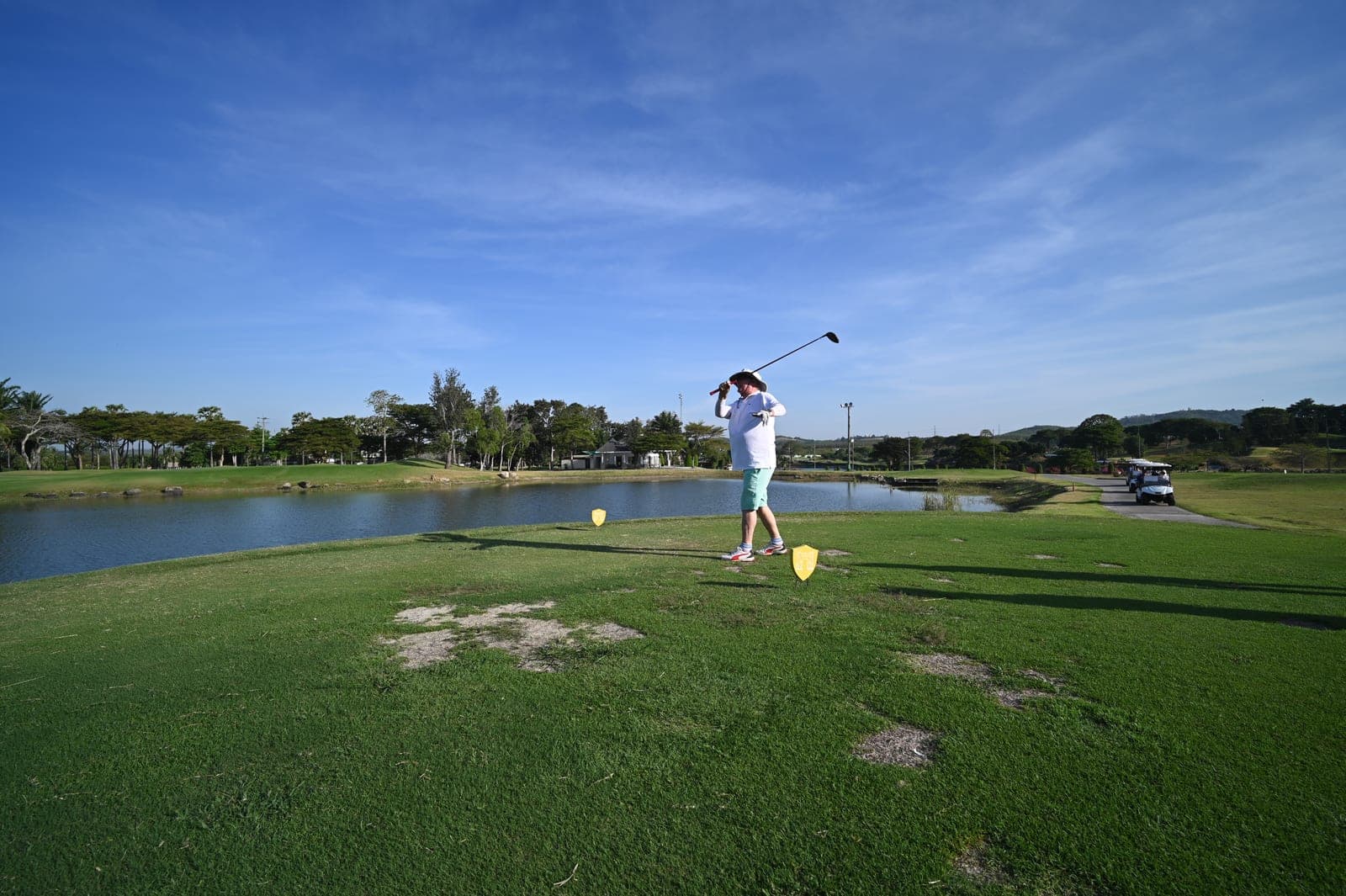
Golf
A precision target sport played across an outdoor course, blending skill, strategy and a long walk in the open air.
Goals that fit
Outdoor activities
Spend more time being active outdoors, from walking and cycling to trails, water and hills.
Family activities
Find sports and games that people of different ages can enjoy together, with something for everyone.
Social activities
Use sport as a way to meet people, make friends and stay connected while staying active.
Build an active lifestyle
Make movement a natural, lasting part of daily life through activities and habits you genuinely enjoy.
Ways to train
Exercises and methods that fit — educational, not a prescription.
Wall sit
A holding exercise where you sit against a wall with no chair, holding a squat position still.
Step-up
A movement where you step up onto a raised platform one leg at a time and step back down.
Kettlebell swing
A dynamic hinge where you swing a kettlebell to shoulder height using a snap of the hips.
Push-up
A classic upper-body pushing exercise where you lower and press your body up from the floor.
Tricep dip
A pushing exercise where you lower and raise your body using your arms on parallel bars or a bench.
Pull-up
A vertical pulling exercise where you hang from a bar and pull your chin above it.
Frequently asked questions
What sports are good for the weekend?
Weekends suit activities that need a bit more time or space — hikes, longer bike rides, trail runs, a full game of a team sport, kayaking or golf all work well when you're not squeezing them into a busy weekday.
Is it okay to only exercise at weekends?
Being active mainly at weekends is far better than not at all, and many people fit most of their activity in then. Building up gradually and warming up well helps, especially if weekdays are more sedentary; for personalised advice, a doctor or coach can help.
How can I stay active with the family at weekends?
Choose activities everyone can enjoy at their own level, such as a walk or hike, a bike ride, a swim or a casual game in the park. Making it social and fun tends to work better than treating it as a formal workout.
Explore across the knowledge base
Follow the threads that connect Weekend to the rest of SocialSportHub.
People
- CouplesHow sport can fit two people doing it together — shared activity that doubles as time together, mutual motivation and a common goal.
- FamiliesHow families can be active together with inclusive, all-ages sports that make movement social and fun.
- RetireesHow sport can fit newly free time in retirement — an opportunity to be active, social and purposeful, at a comfortable and well-guided pace.
- Weekend athletesHow to enjoy recreational sport on weekends while staying comfortable and consistent through the week.
Motivations
- To have funWhen enjoyment is the point, playful, varied and social sports keep you coming back — because the best activity is the one you look forward to.
- To meet peopleWhen connection is the draw, team sports, clubs and group activities turn getting fit into a way to build a social circle.
- To spend time as a familyWhen the aim is shared time, activities the whole family can do together turn being active into a way to connect across ages.
Healthy living
- Weekend ActivityUsing the extra time at weekends to be active in ways that feel more like fun than exercise.
- Outdoor LifestyleChoosing to spend more of your active time outside, where fresh air and surroundings make movement more enjoyable.
- Family Active TimeMaking activity something the whole household does together, so movement becomes a shared, everyday habit.
- WalkingThe most accessible activity there is — free, low-impact, and one of the easiest ways to add movement to any day.
Recommendations
- Recommended for “Outdoor activities”Sports, qualities, a learning path and first steps for “Outdoor activities” — every suggestion a real graph link, shown with its reason.
- Recommended for “Family activities”Sports, qualities, a learning path and first steps for “Family activities” — every suggestion a real graph link, shown with its reason.
- Recommended for “Digital detox”Sports, qualities, a learning path and first steps for “Digital detox” — every suggestion a real graph link, shown with its reason.
- Recommended for “Social activities”Sports, qualities, a learning path and first steps for “Social activities” — every suggestion a real graph link, shown with its reason.
Practice & sessions
How this page is maintained
- Content type
- For your day
- Provenance
- Tier A — evergreen educational
- Verified external sources
- 0
- Content updated
- 2026-07-09
Evergreen, first-party explanation — it makes no claim that needs an external source. How we handle sources and reviews.